
England

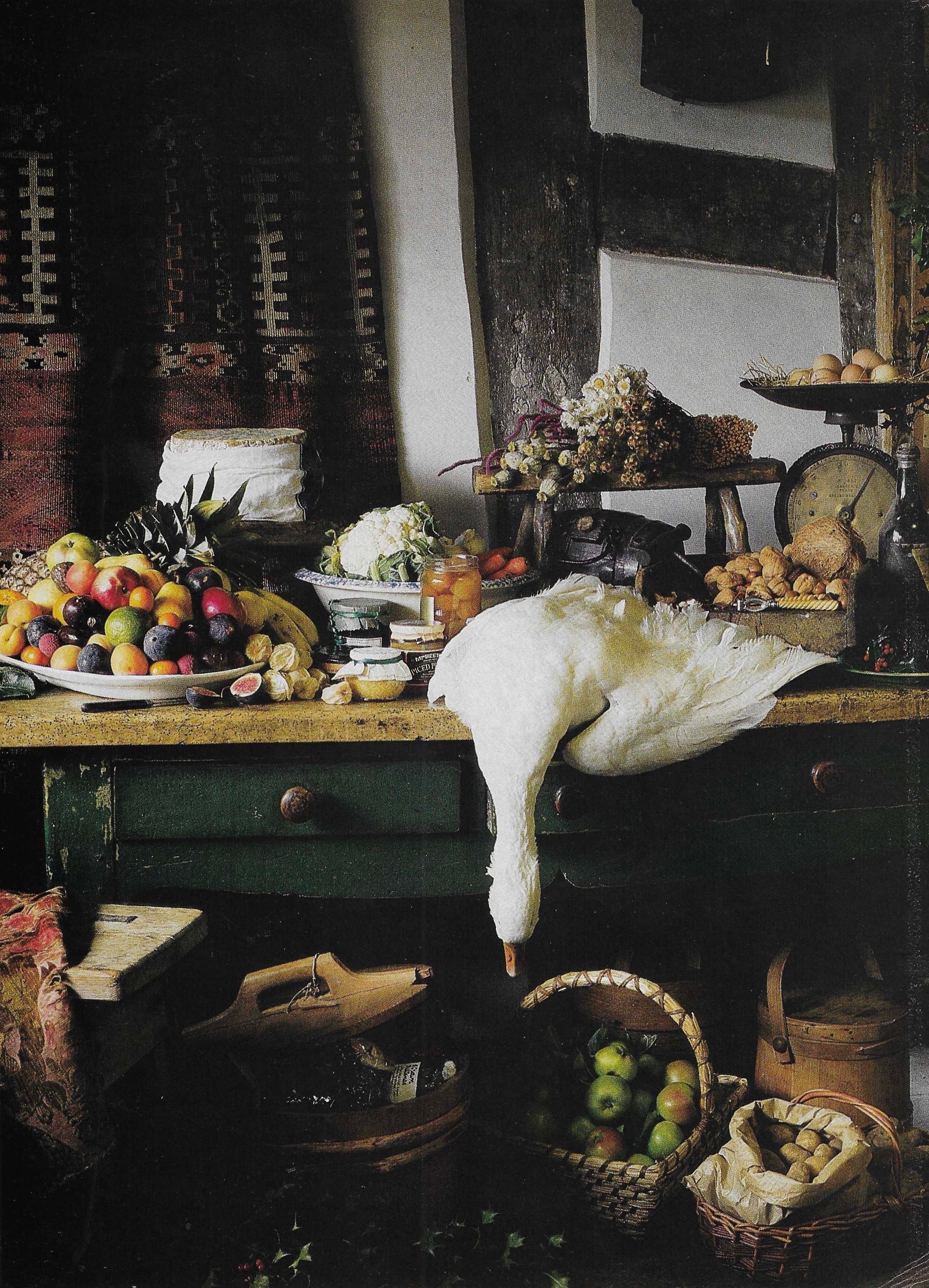
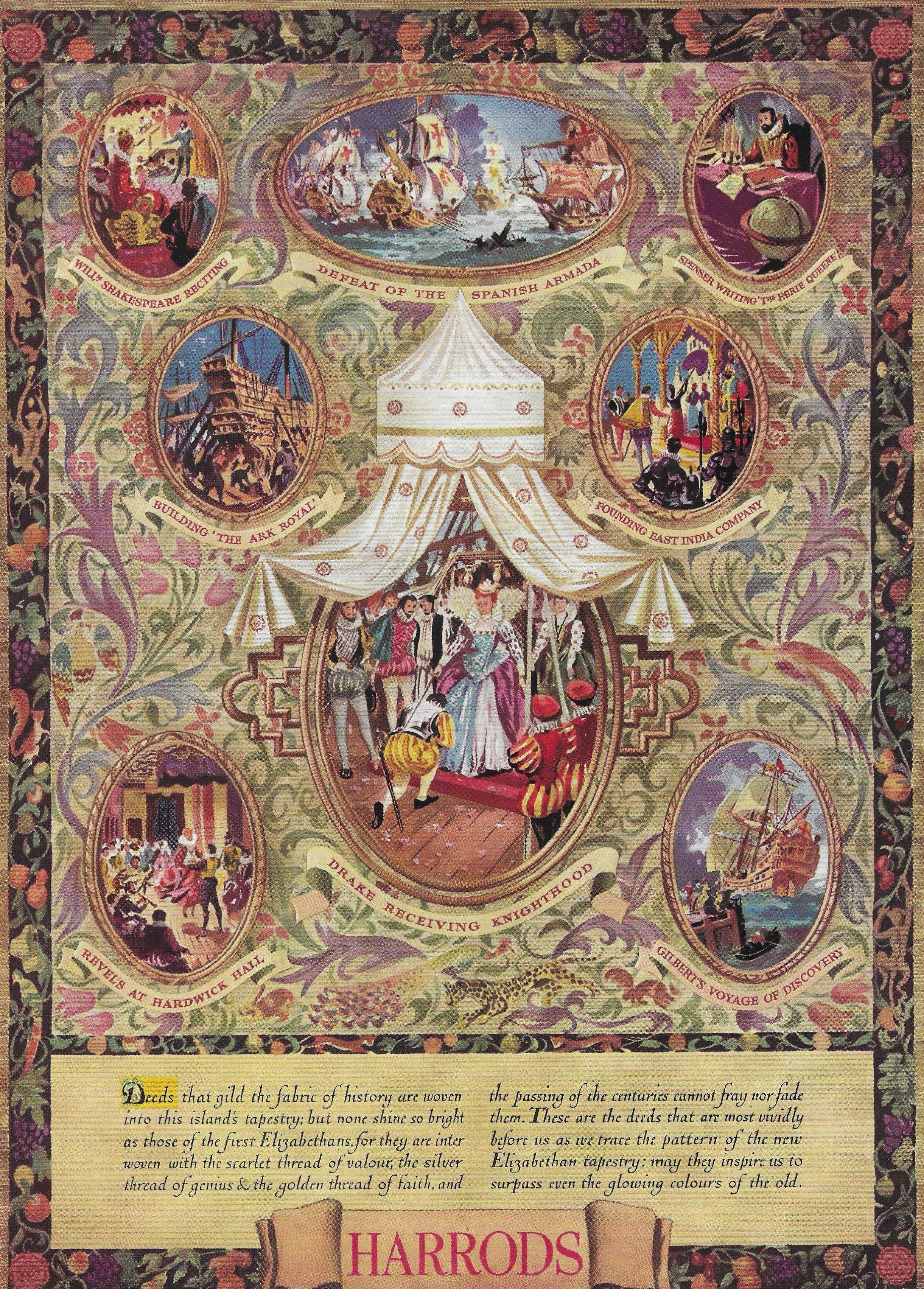
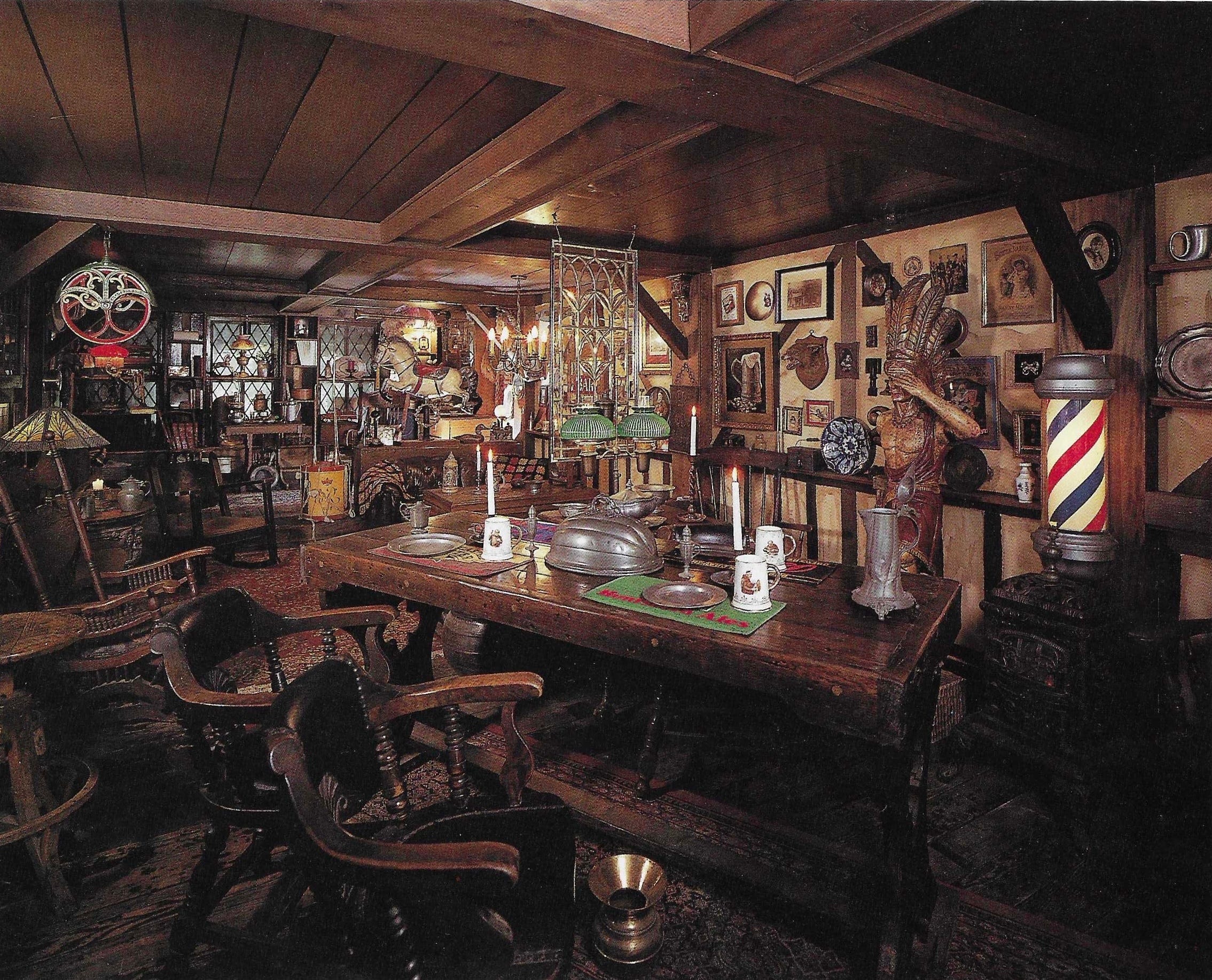
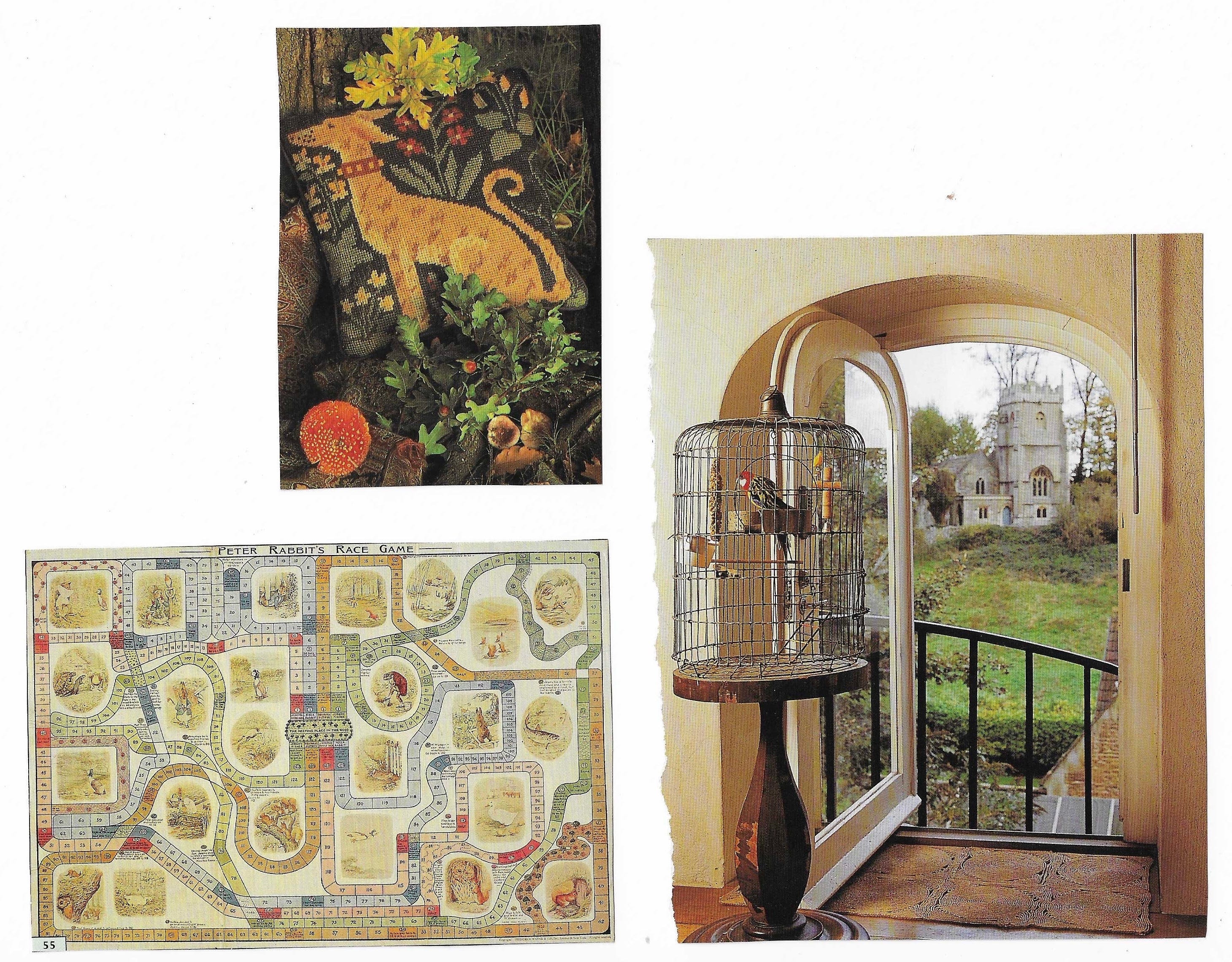
The first week of May my mom took a trip to England with her best friend (a long-standing tradition of theirs) and I have been living vicariously through them all month.


Though I have spent actual time there, the fantasy of England is still bigger in my mind than the reality. Wispy garden paths, delicate wallpaper, tan trench coats, graying hair.



When I was 18 I spent six months at a Bible school in a castle in rural England and I loved it all.
I arrived in January and chose a bed up against two massive (and drafty) windows. I would shower at night and have the room to myself as I brushed my hair and fell asleep listening to music in my headphones, my pillow never quite drying. Sometimes when I have wet hair and it’s cold, I can still feel like I’m there.
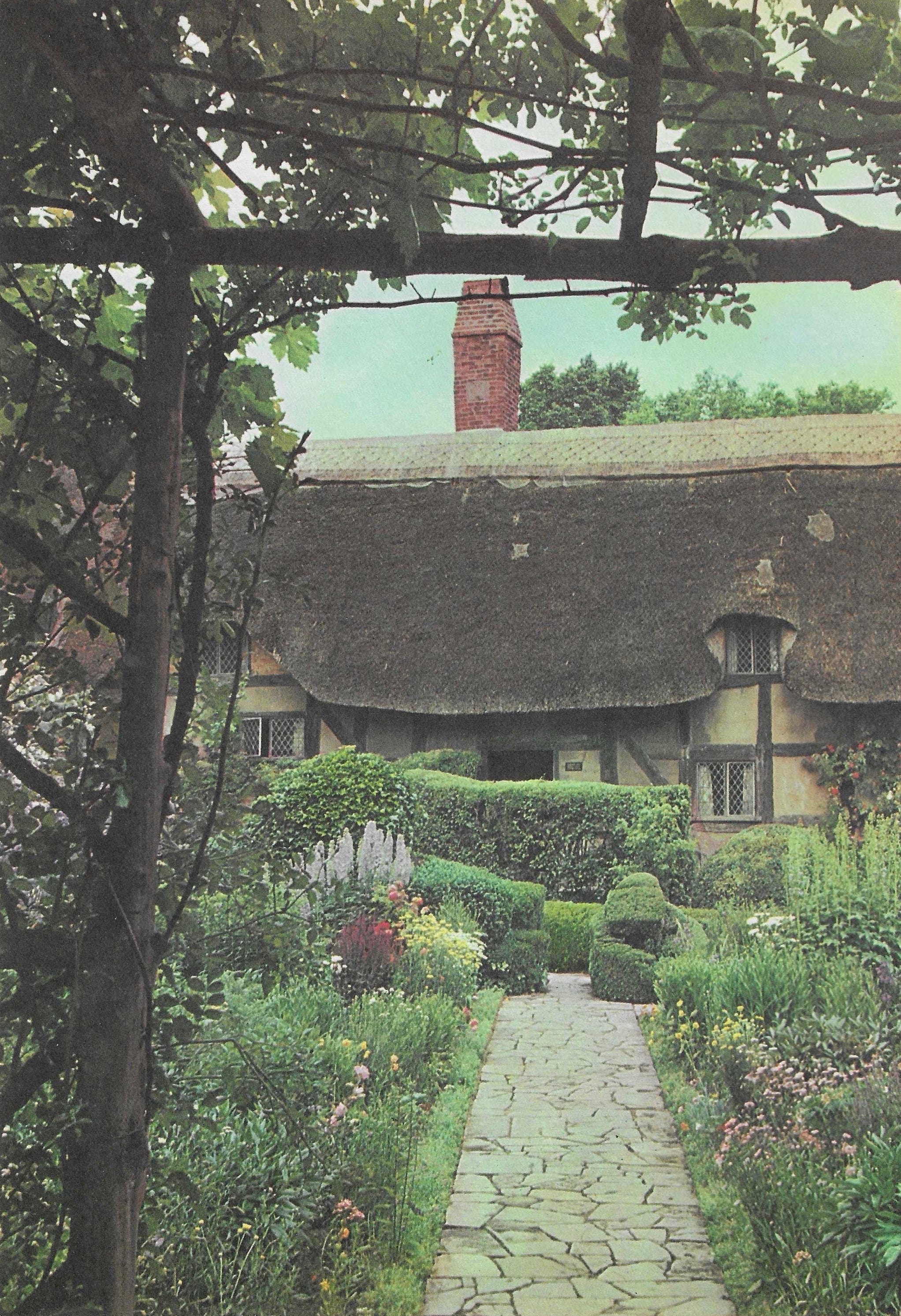
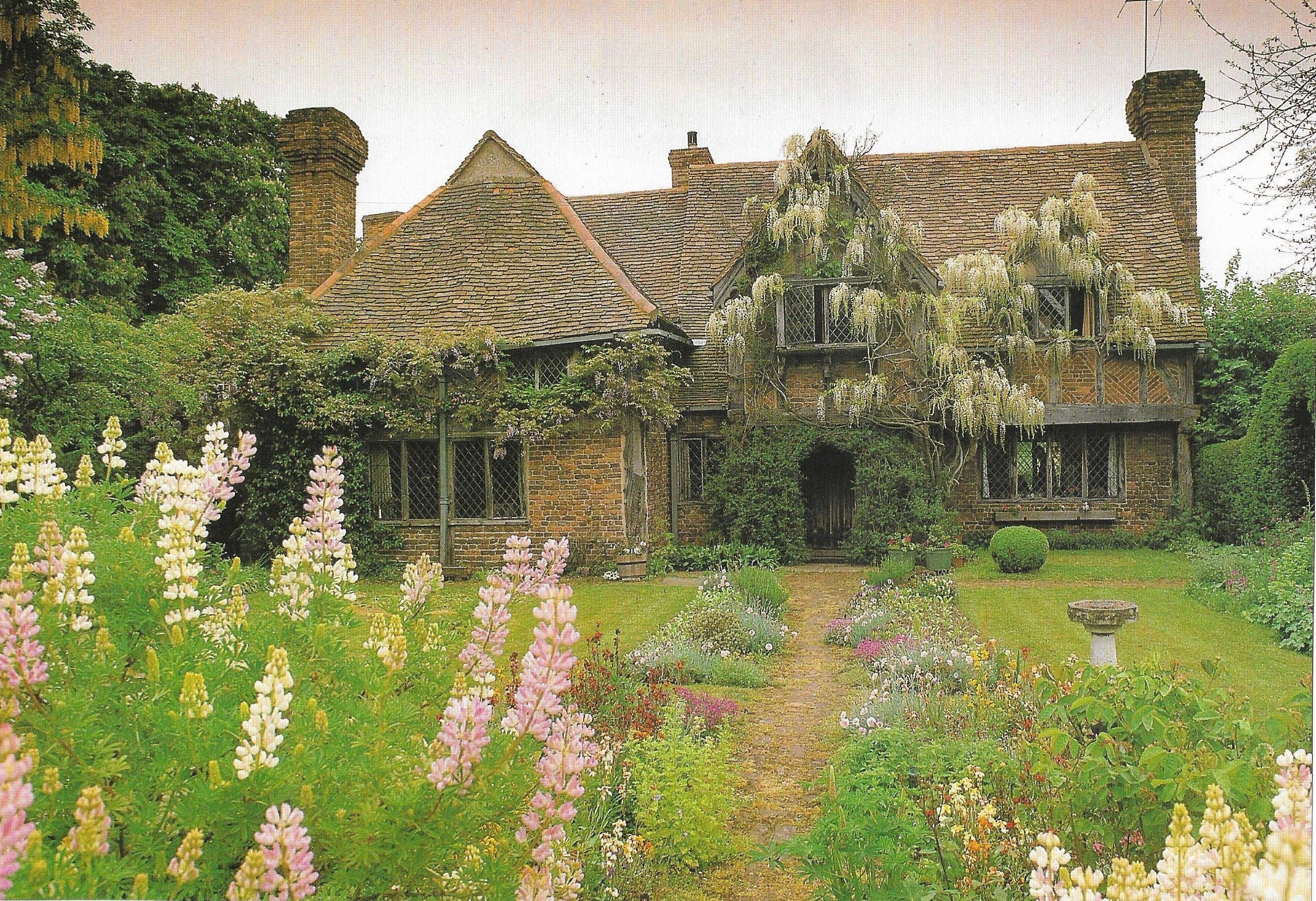
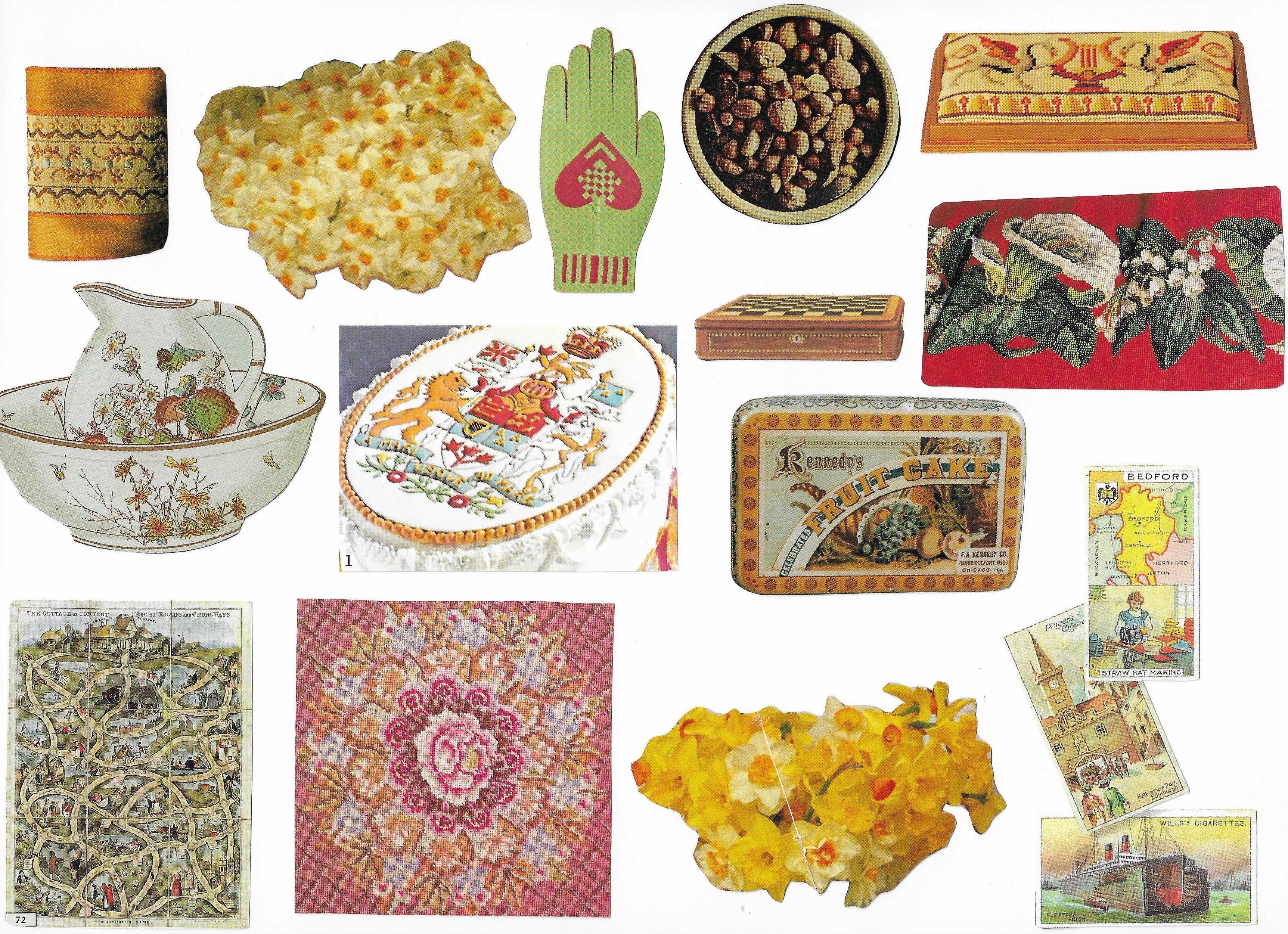
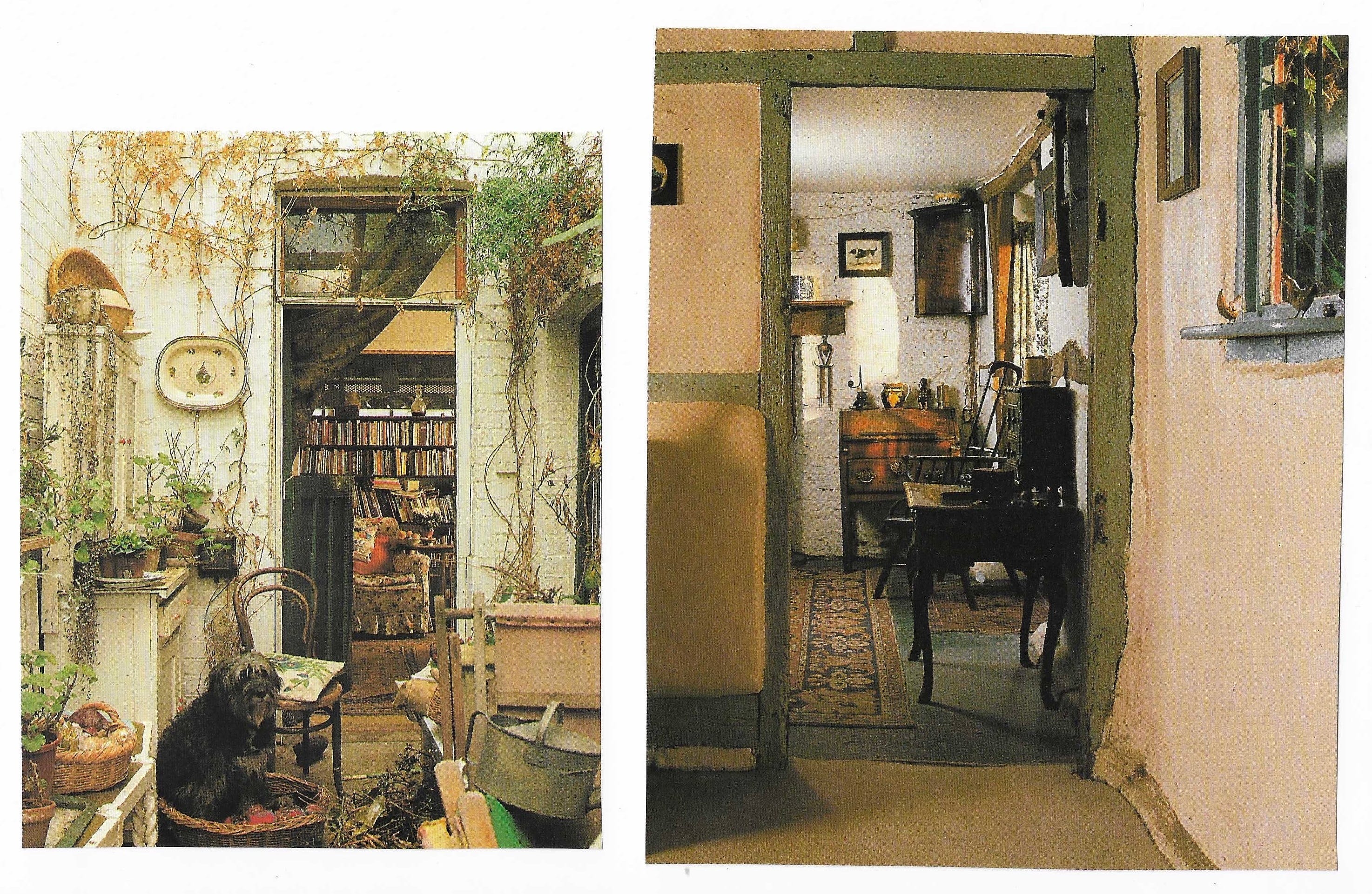
At home
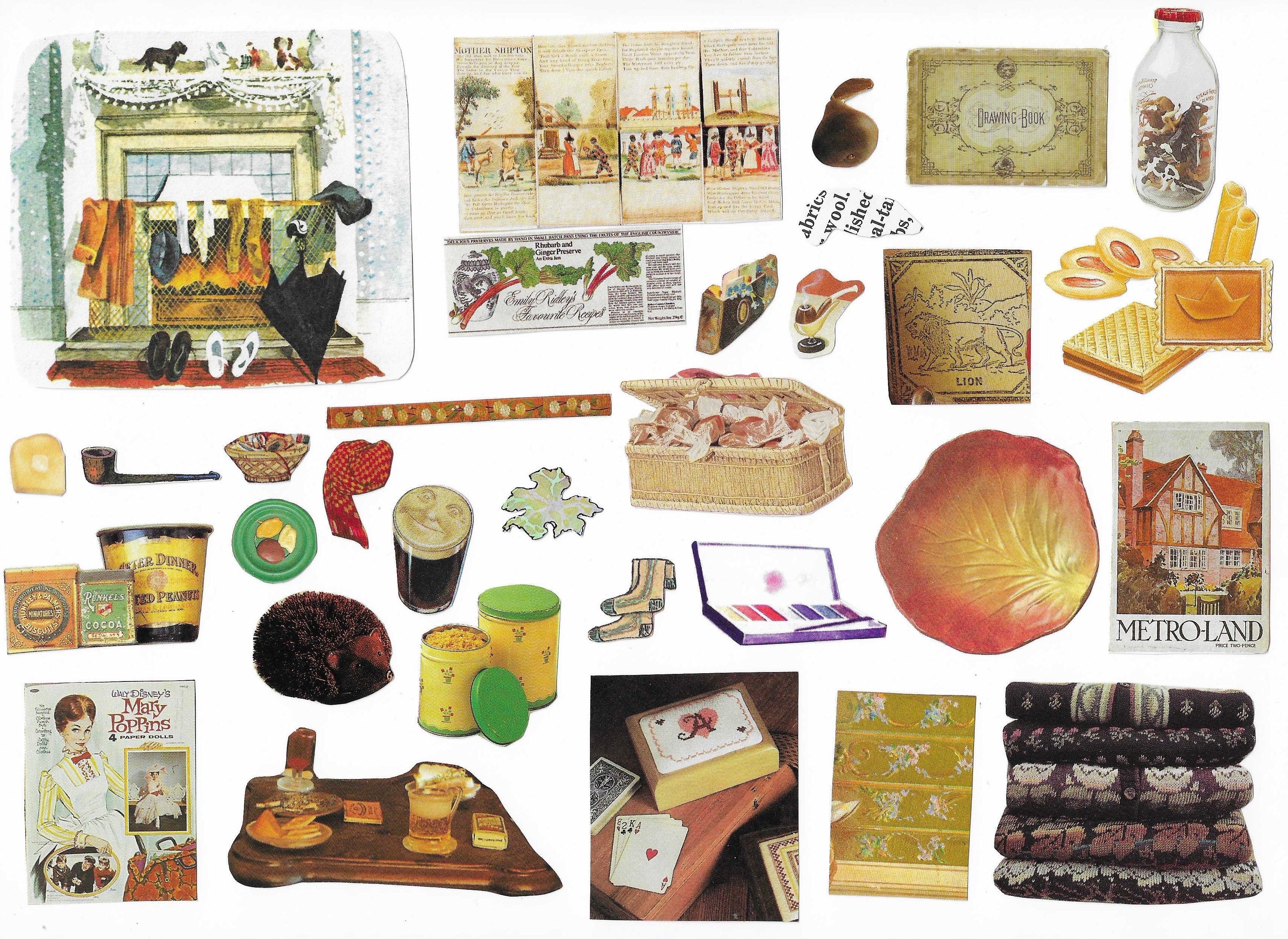
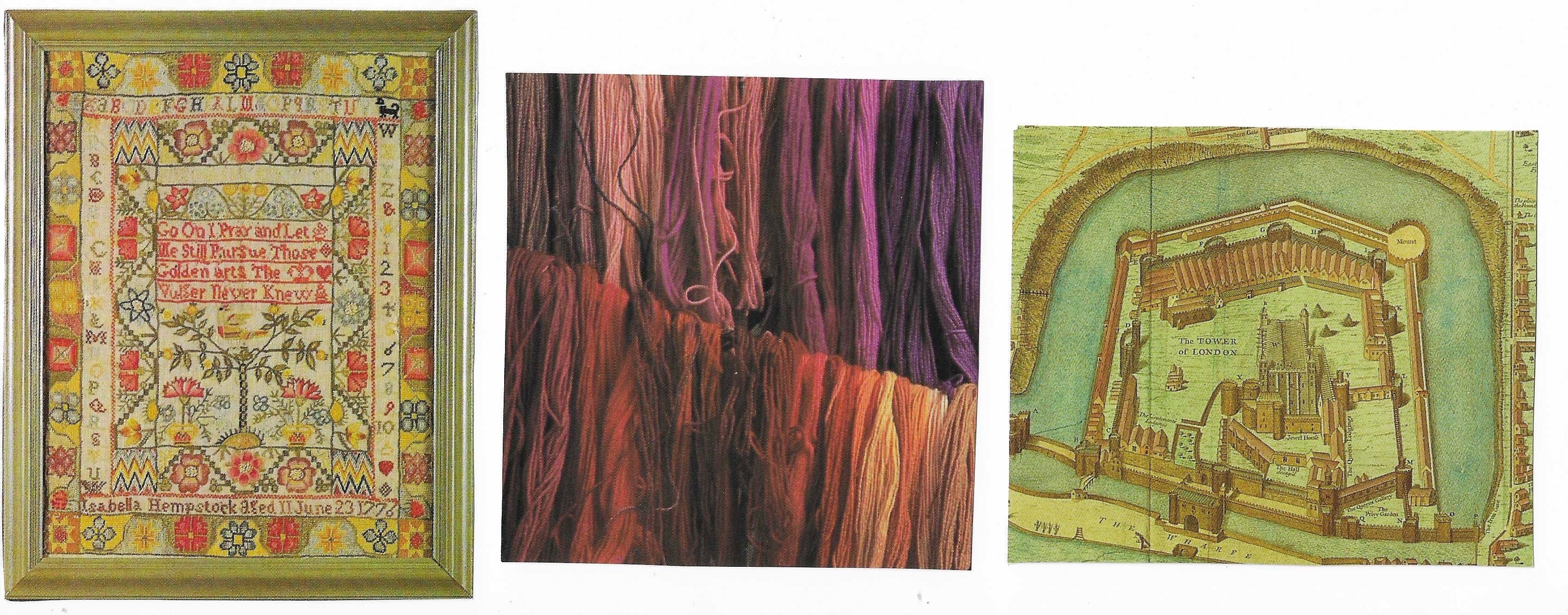
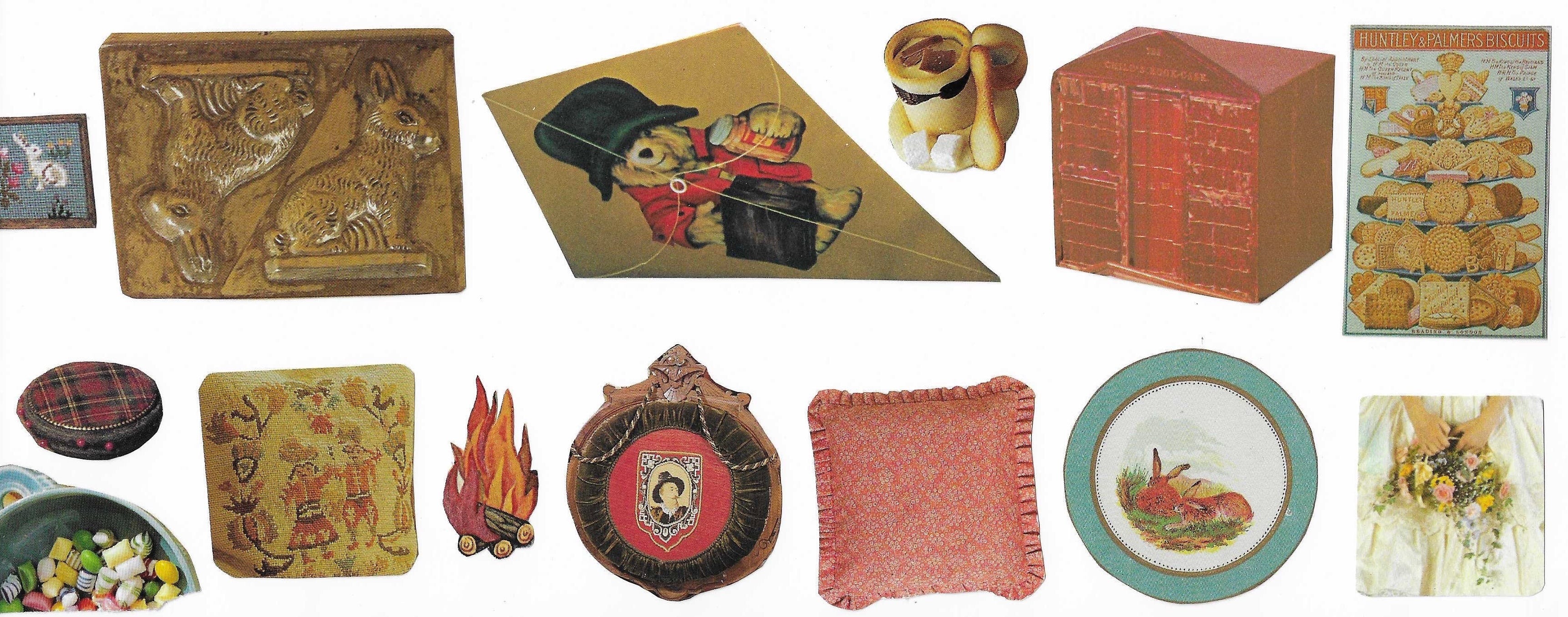
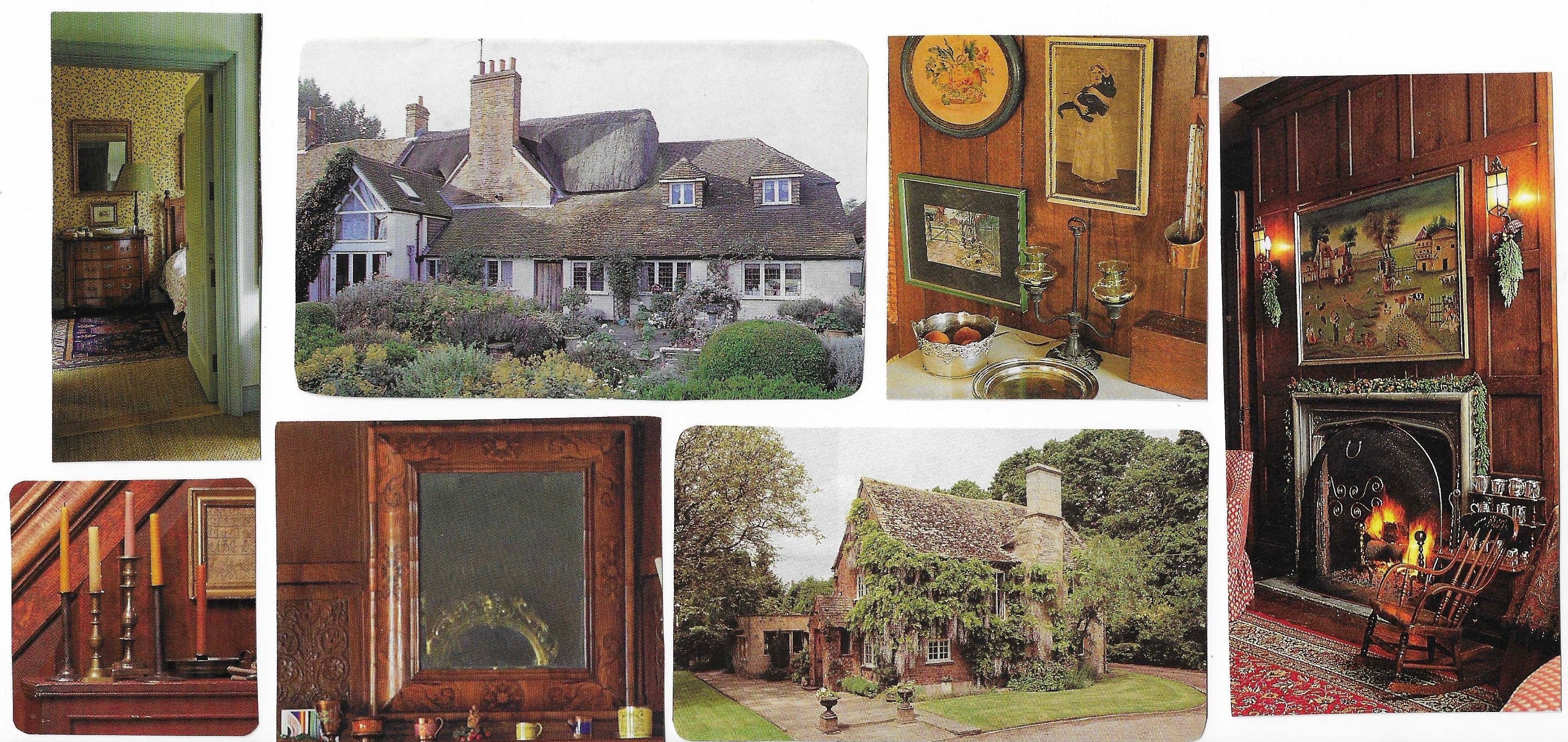
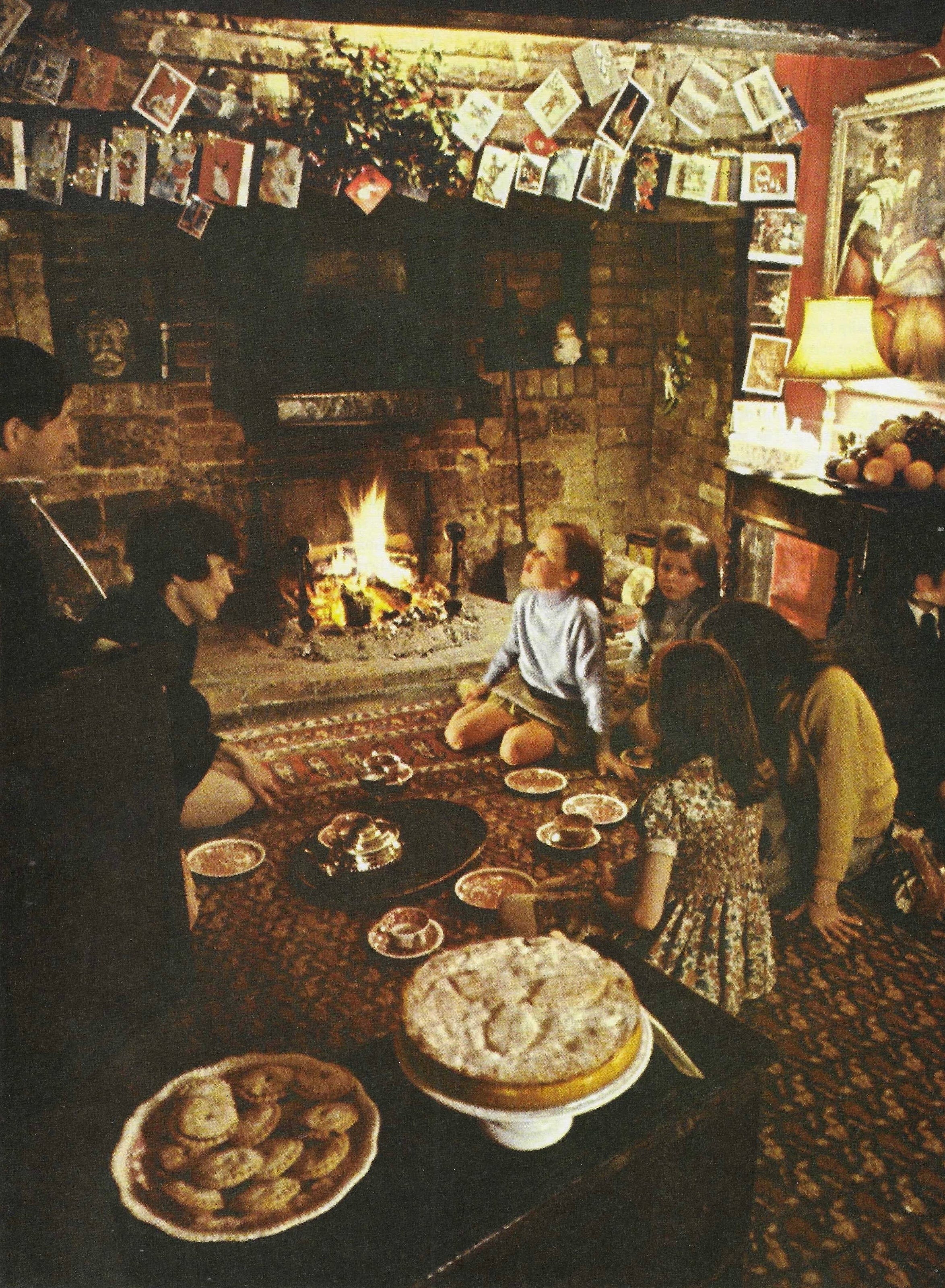
English cottage interiors are the best: moody and layered with personal history, trinkets on every windowsill. They have a movement to them, the right kind of busy. Busy answering letters, busy re-potting flowers, busy drawing, busy reading.
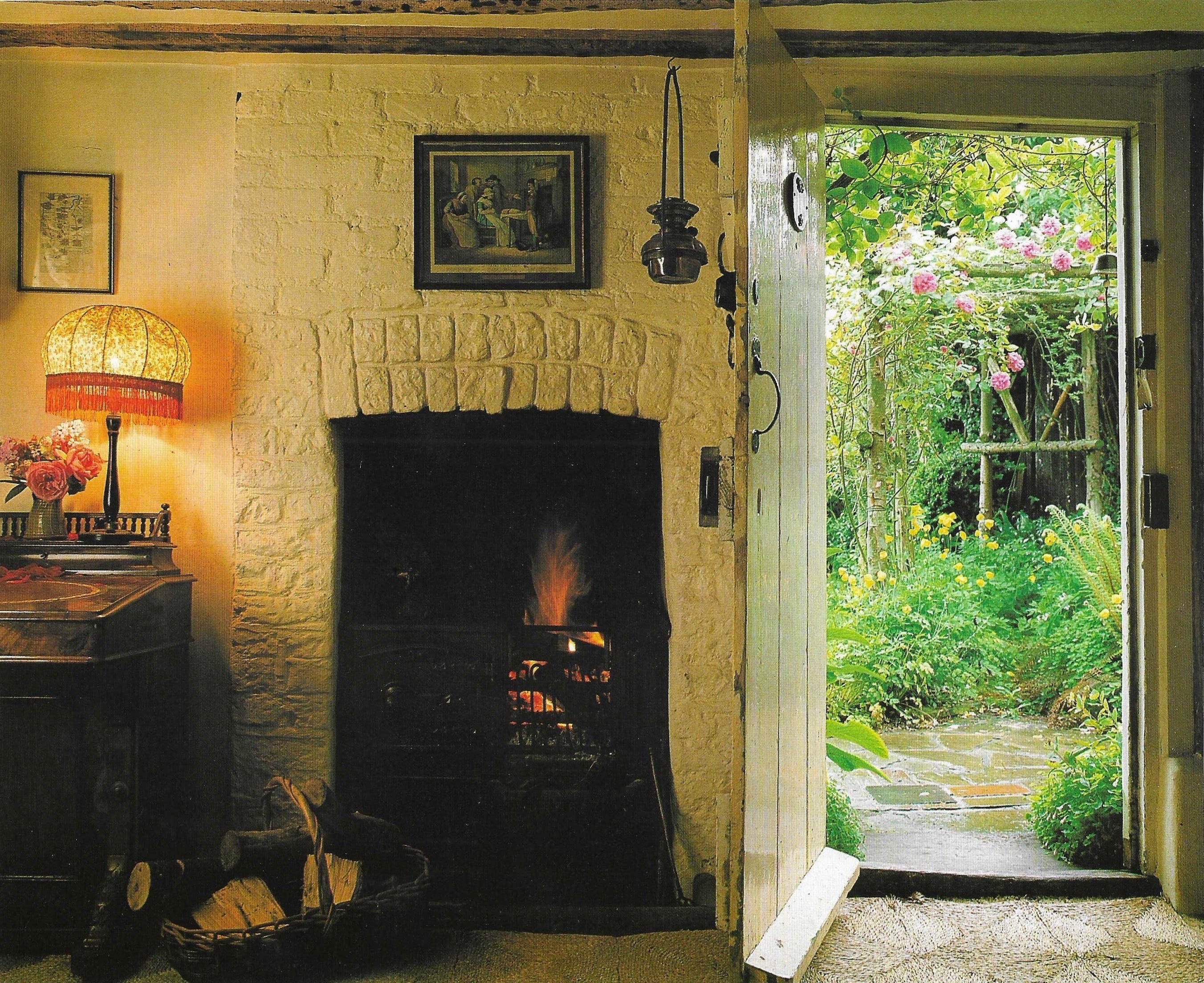
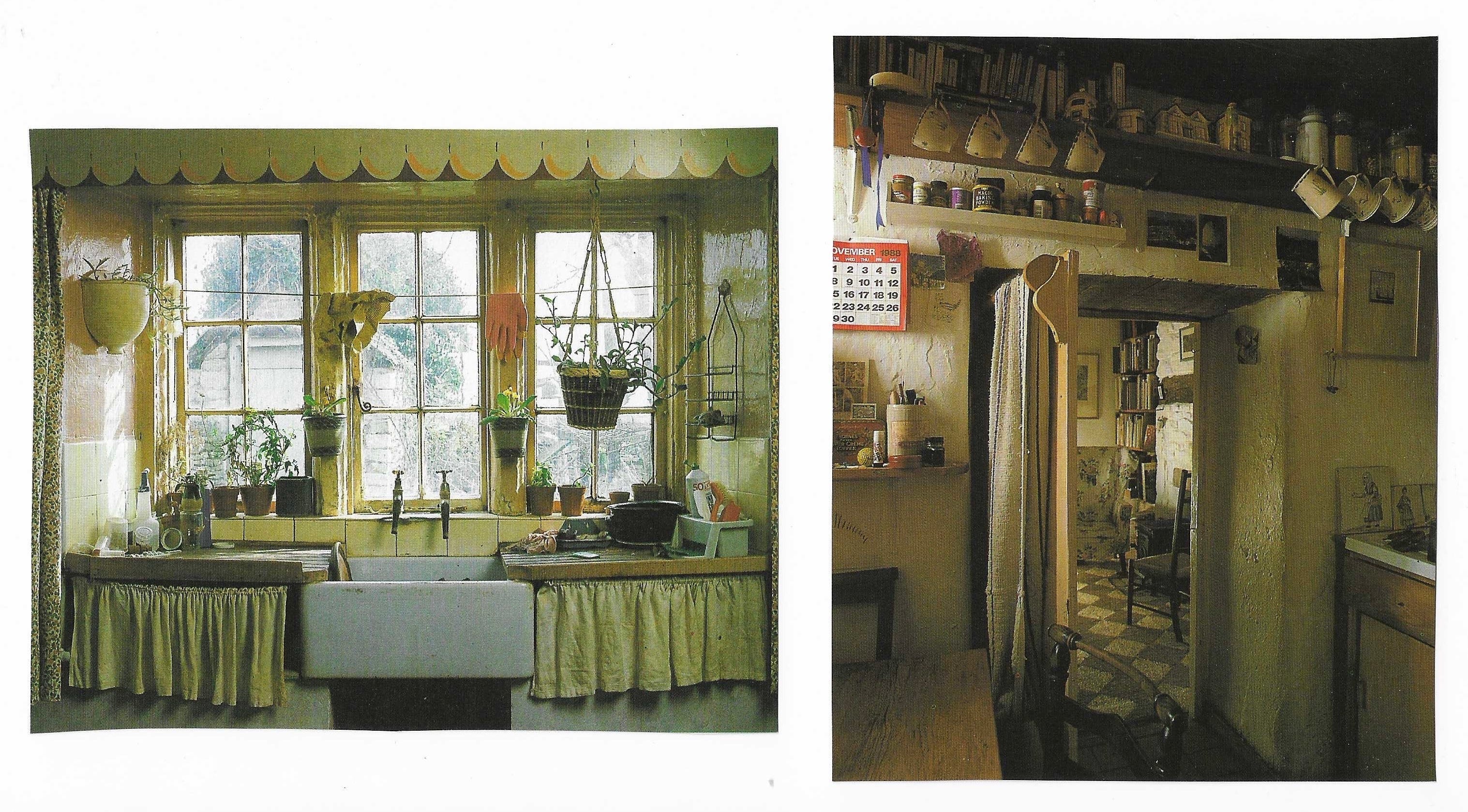
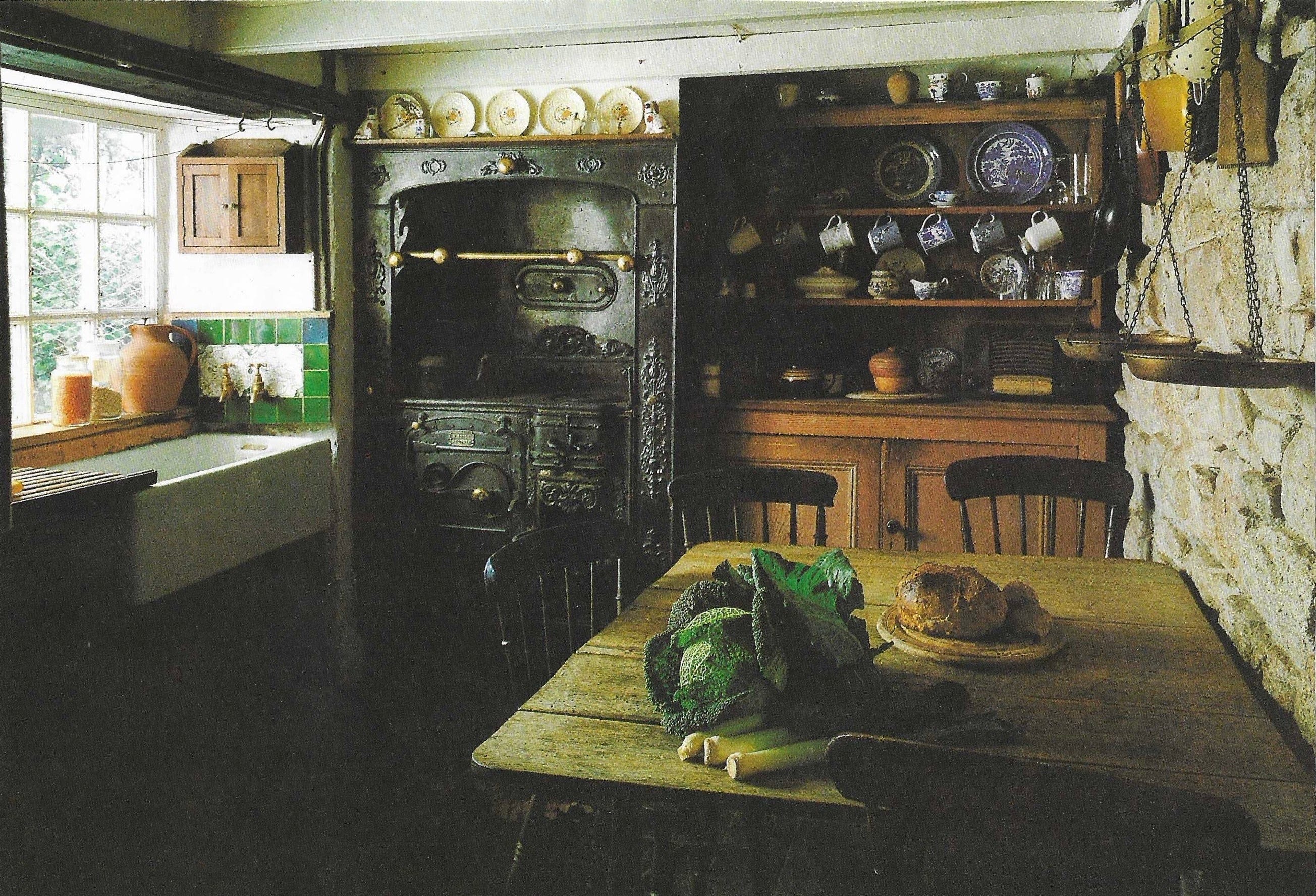
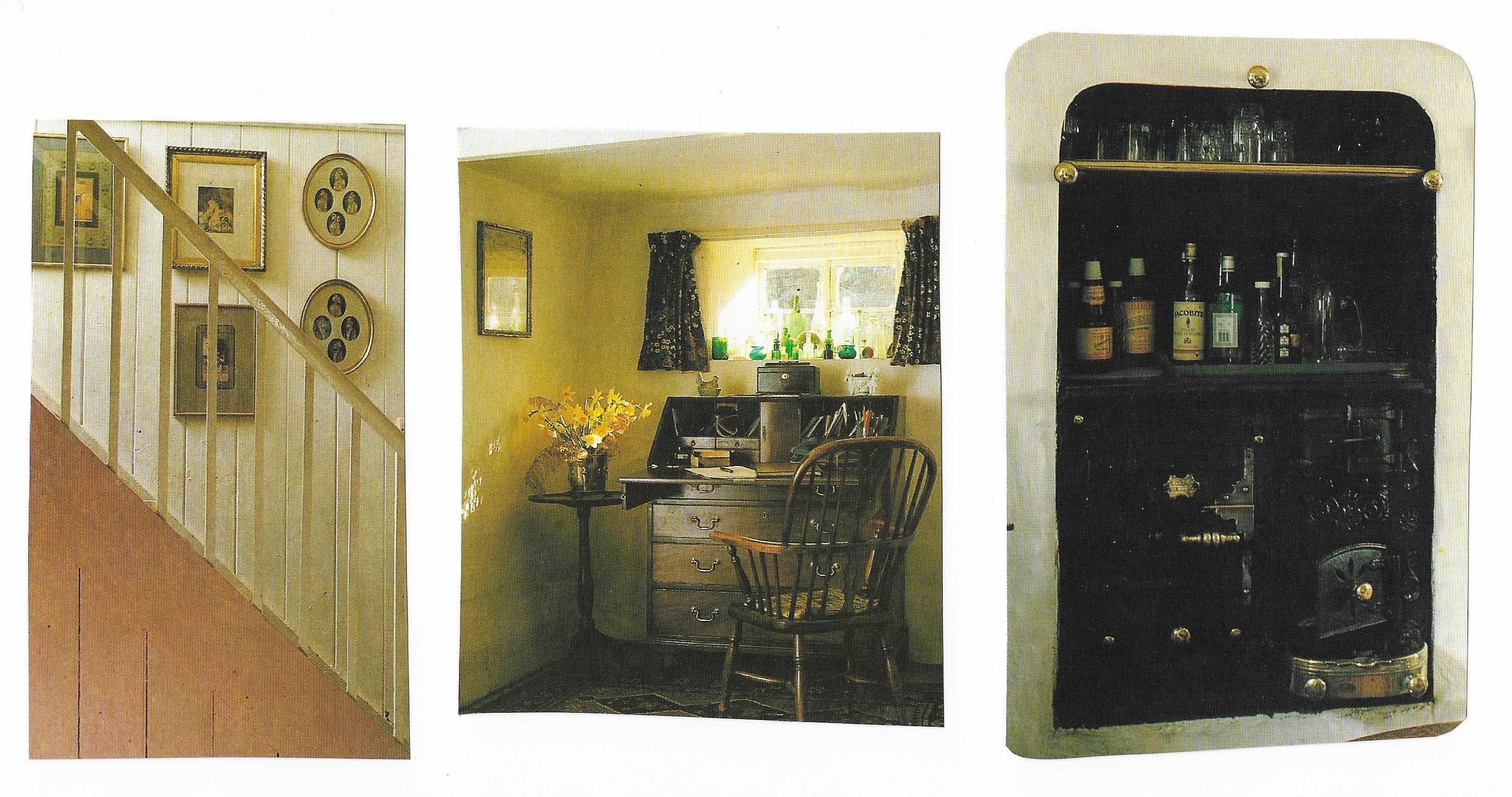
Below, some screen grabs from The Parent Trap scene where Hallie first arrives at Annie’s London home. Her cosplaying in a tweed suit with matching headband, grandfather smoking his pipe in the study - the ultimate “how American girls picture England” mood.
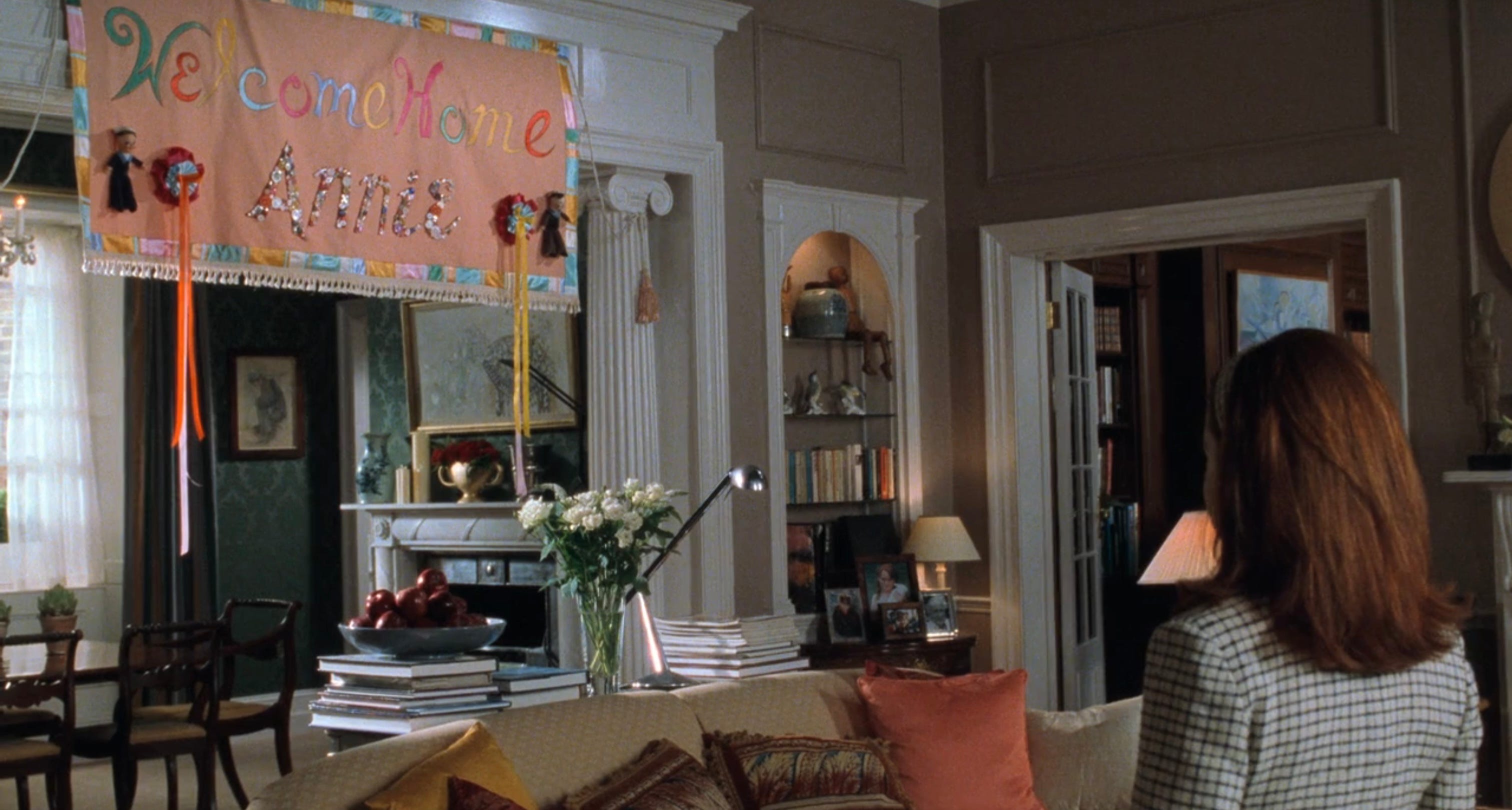
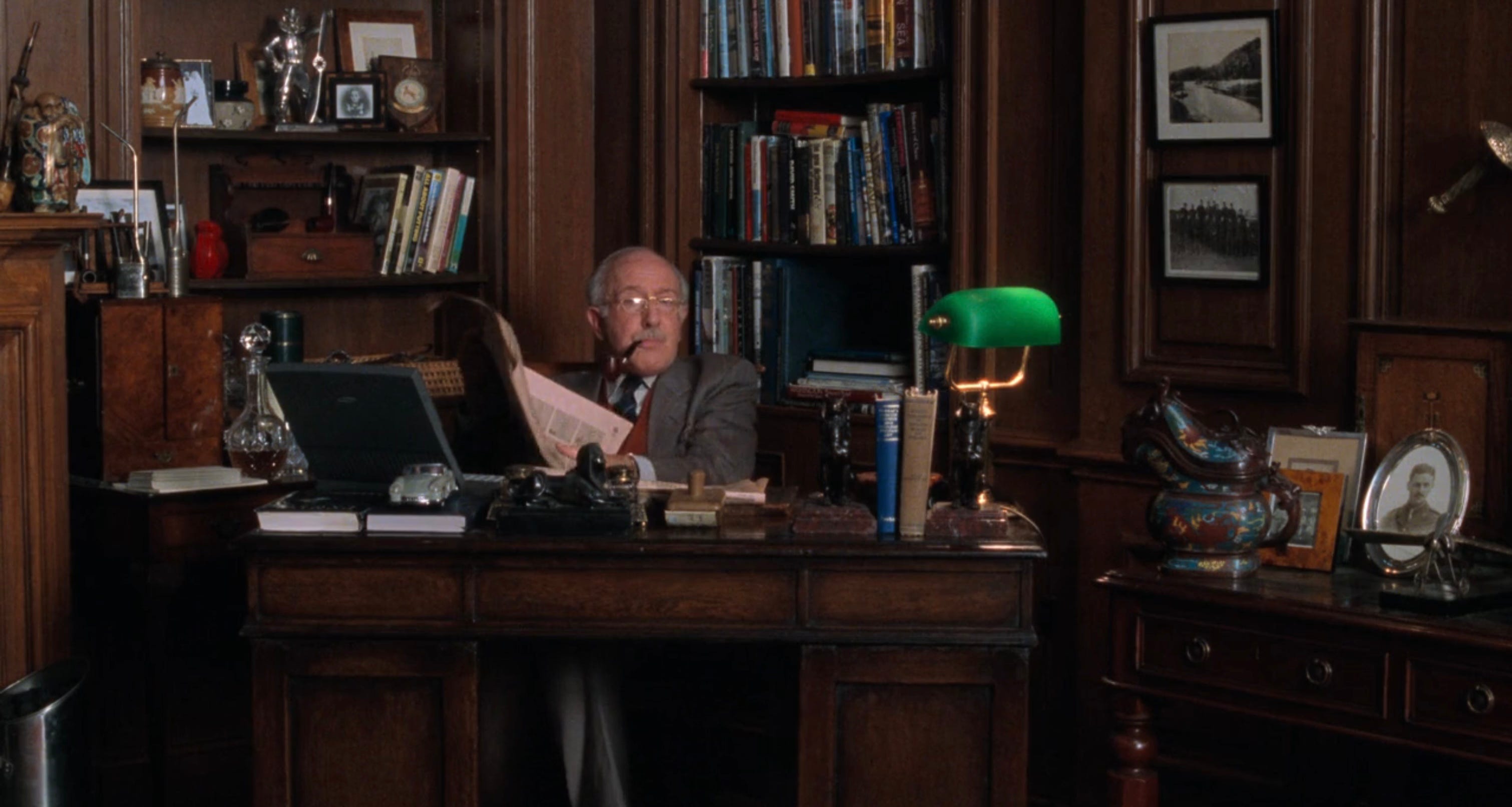
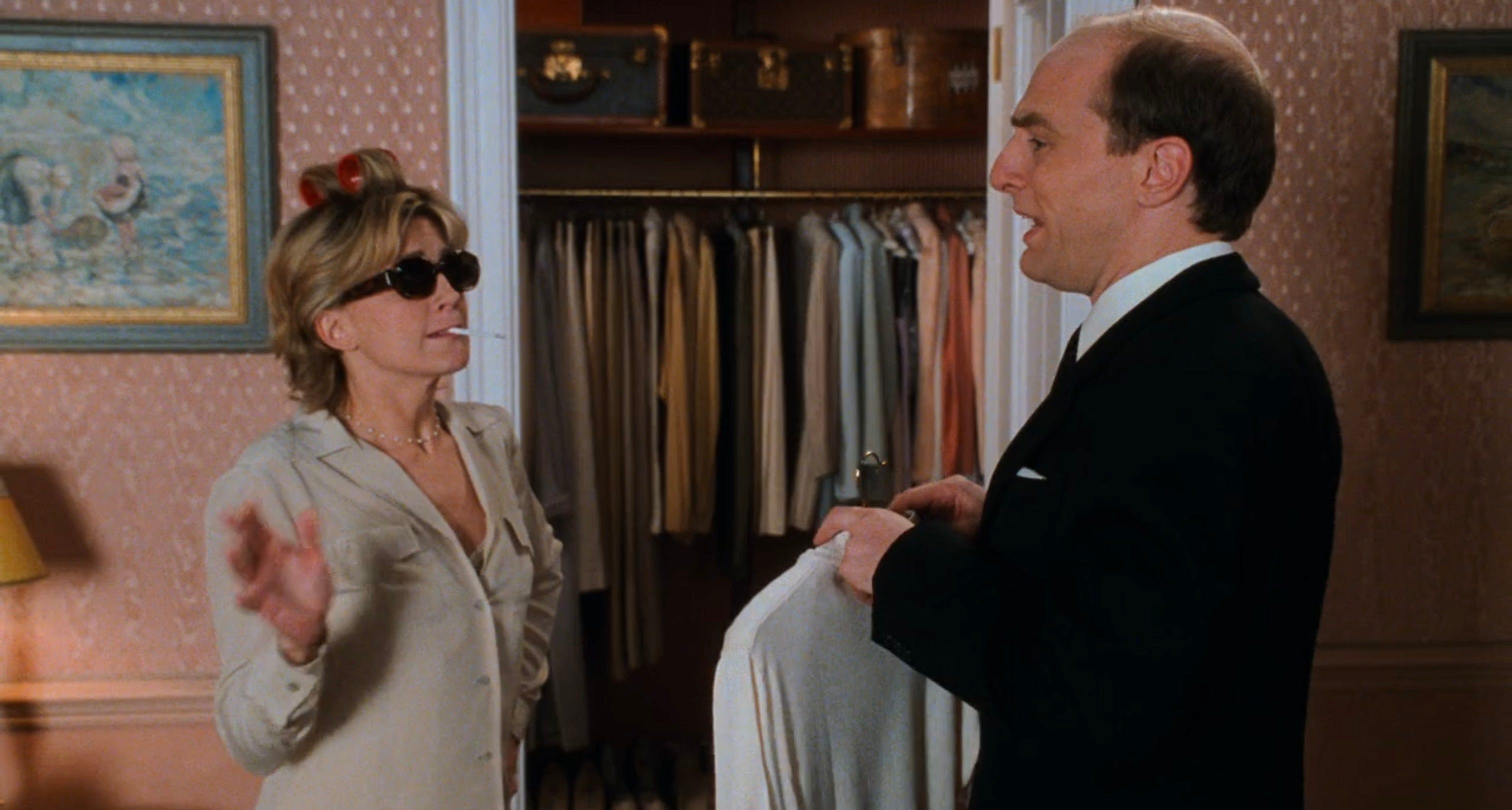


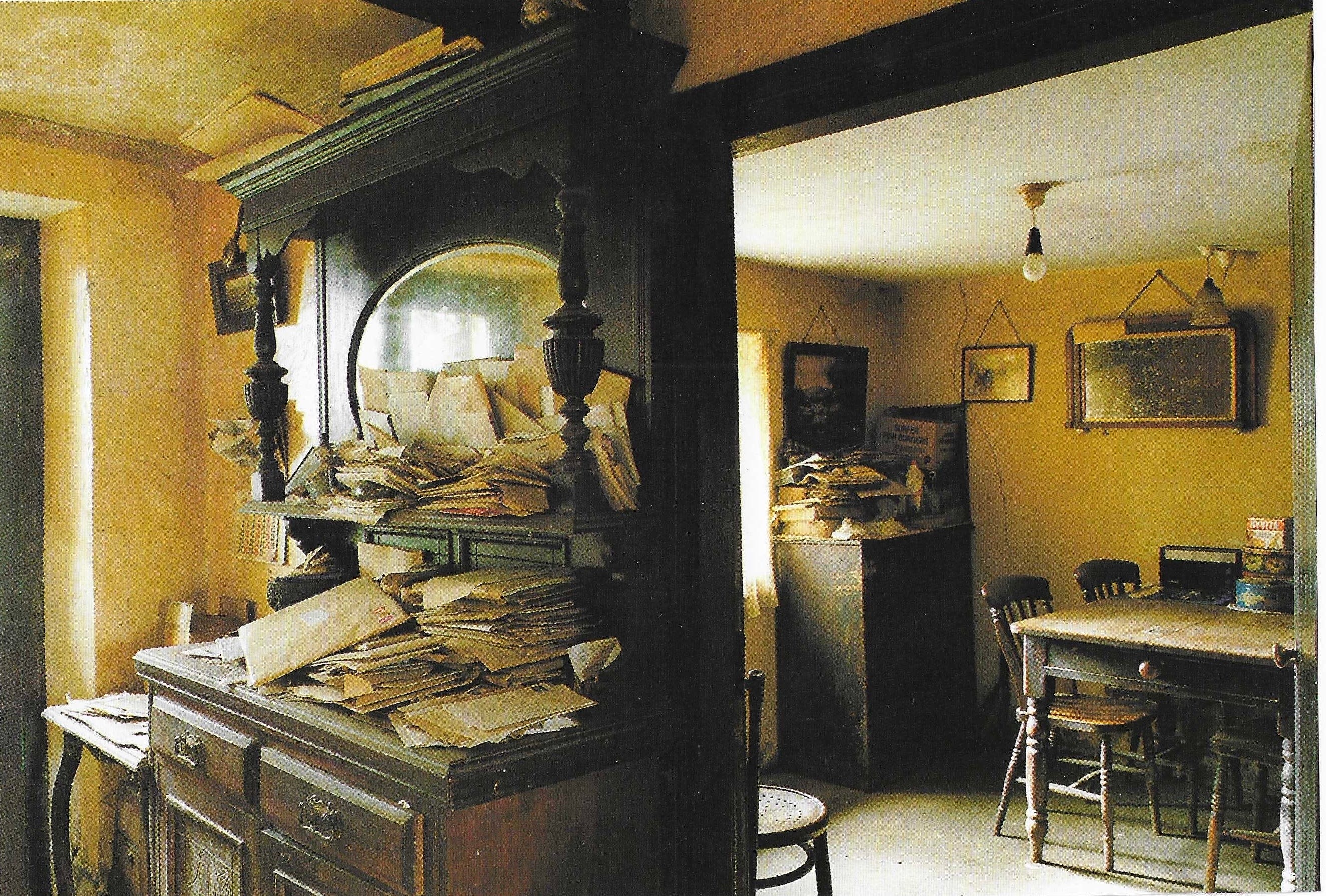
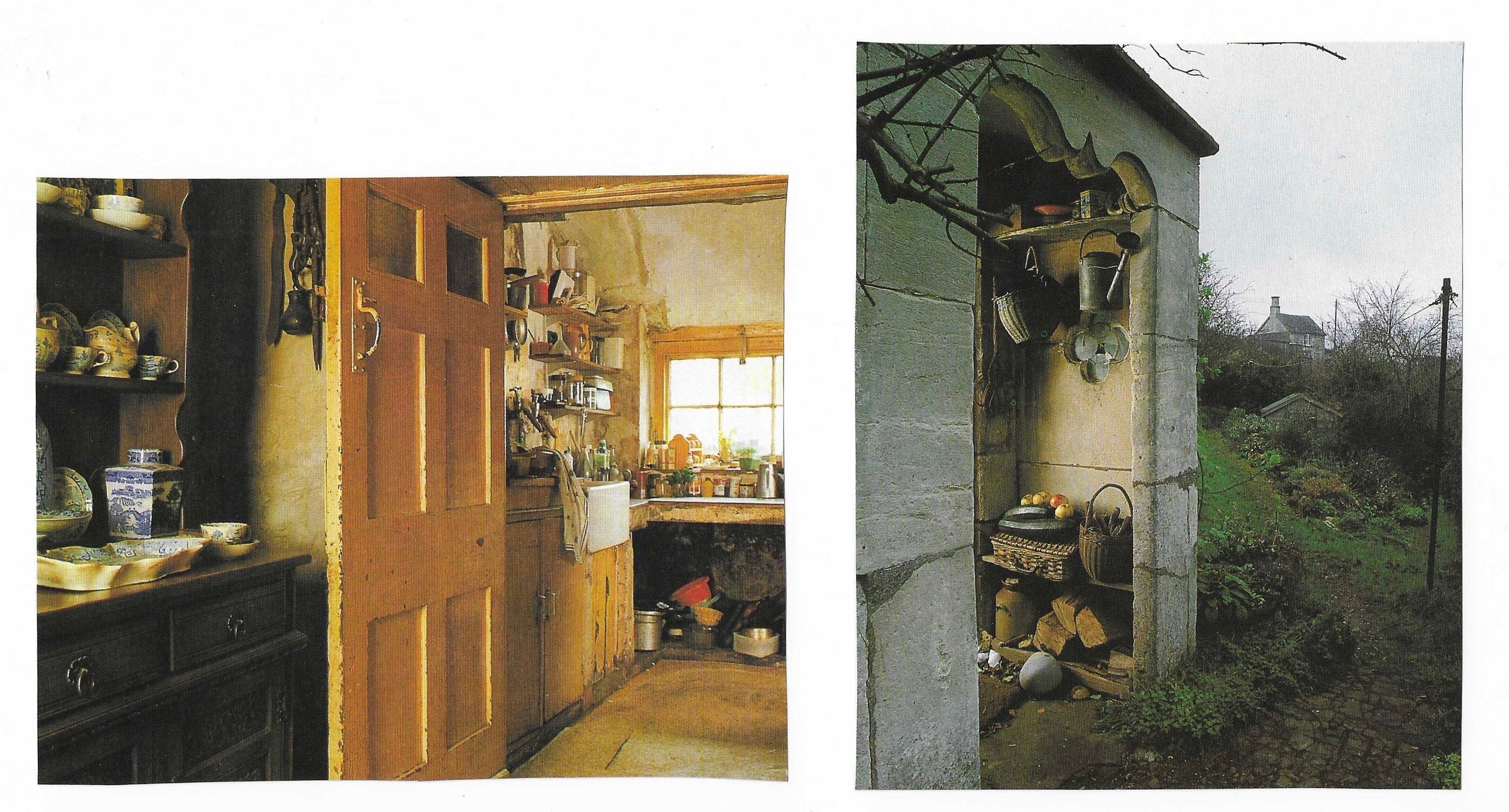
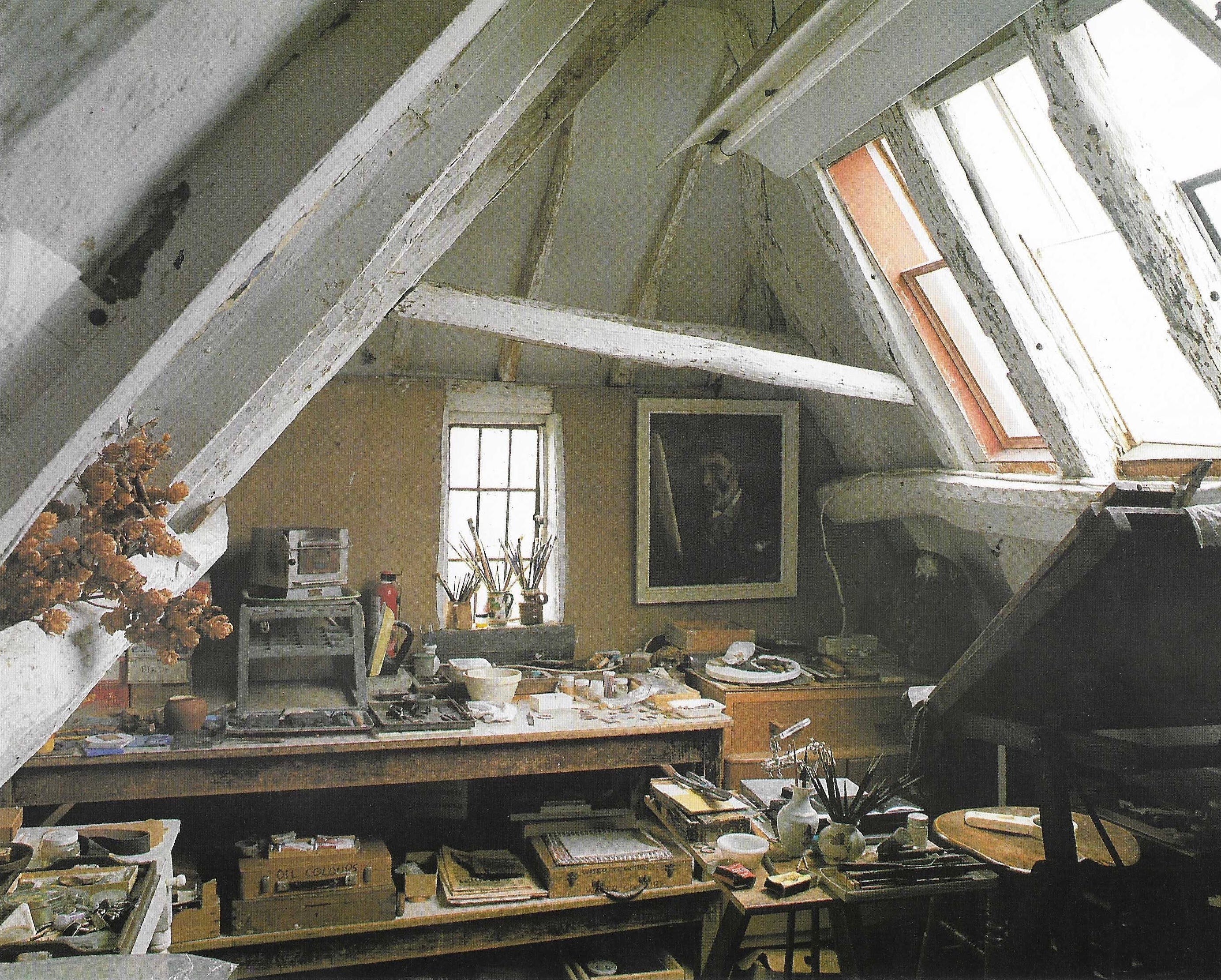
The Shire, Narnia, Hogwarts - England gives us so many of our most charming settings. In the best stories, the goodness of these places is only made sharper by the threat of danger at the door. They might not stand tomorrow - there’s so much to lose.
War
One of my favorite books, Erik Larson’s The Splendid and the Vile, is about the experience of being a Londoner during The Blitz.
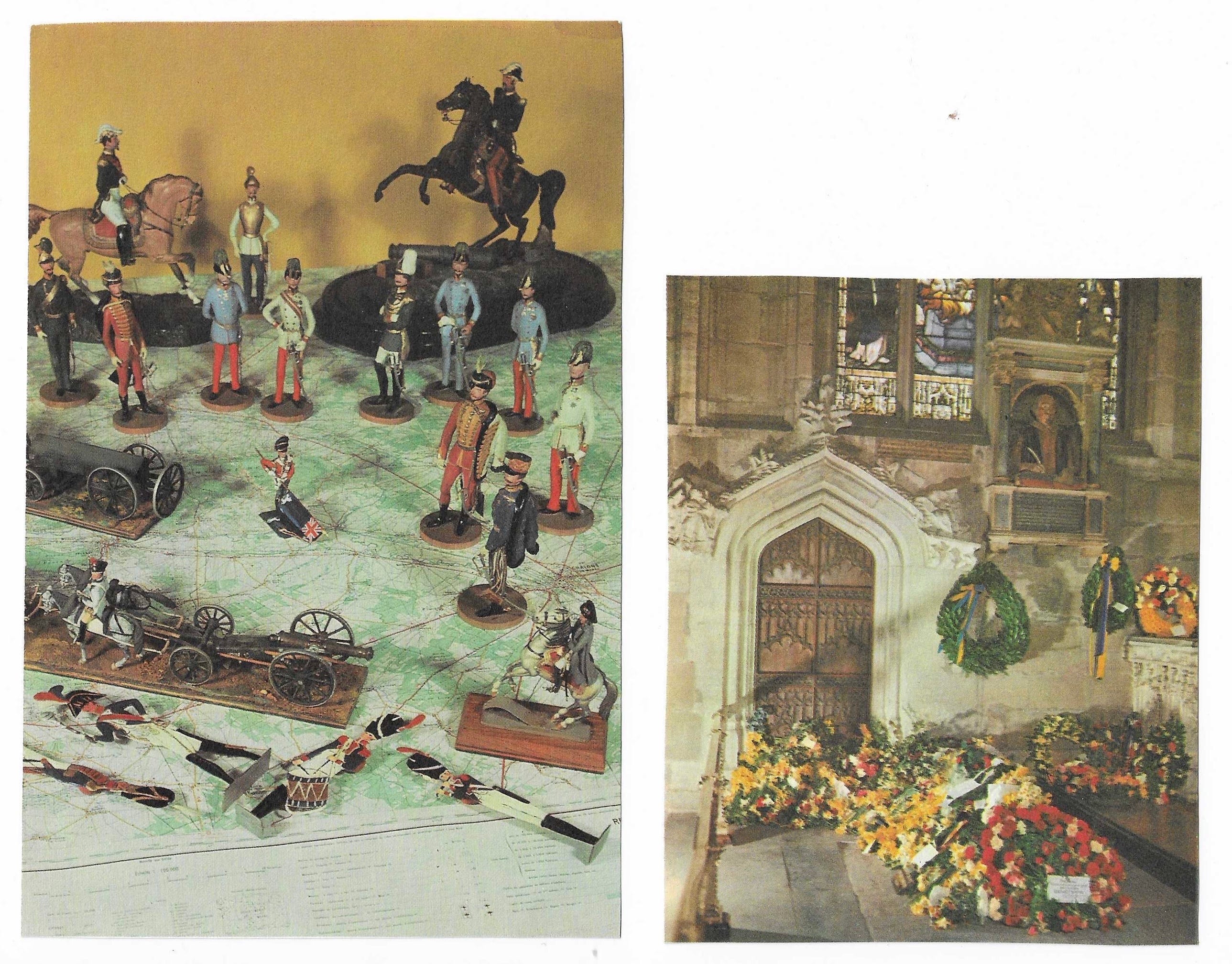
At the time the UK had a social research project called Mass Observation, where everyday people kept diaries recording day-to-day life as well as answers to specific questions. In December of 1940, the prompt was “How do you feel about the coming year?”
“‘How do I feel about 1941?’ wrote diarist Olivia Cockett. ‘I stopped typing for two minutes to listen to an extra noisy enemy plane. It dropped a bomb which puffed my curtains in and made the house shiver (I am in bed under the roof) and now the guns are galoomphing at its back. There are craters at the bottom of my garden, and a small unexploded bomb. Four windows are broken. Can see the ruins of 18 houses within five minutes walk. Have two lots of friends staying with us whose homes have been wrecked. About 1941, I feel that I shall be damned glad if I’m lucky enough to see it all—and that I’d rather like to see it.’”
Car and workplace accidents skyrocketed across England as people stopped sleeping - either because of the air raids, or the bombs, or the guns being used to shoot down the bomber planes.
“According to Home Intelligence, ‘People living near guns are suffering from serious lack of sleep.’ But no one wanted the guns to stop. ‘There is little complaint, mainly because of the new exhilaration created by the barrage. Nevertheless this serious loss of sleep needs watching.’”
This endurance and stoic steadiness was and is so classically English, a characteristic that is perhaps under-appreciated in peacetime but infinitely valuable in wartime. “Keep calm and carry on,” as the 1939 propaganda poster said, and they did.
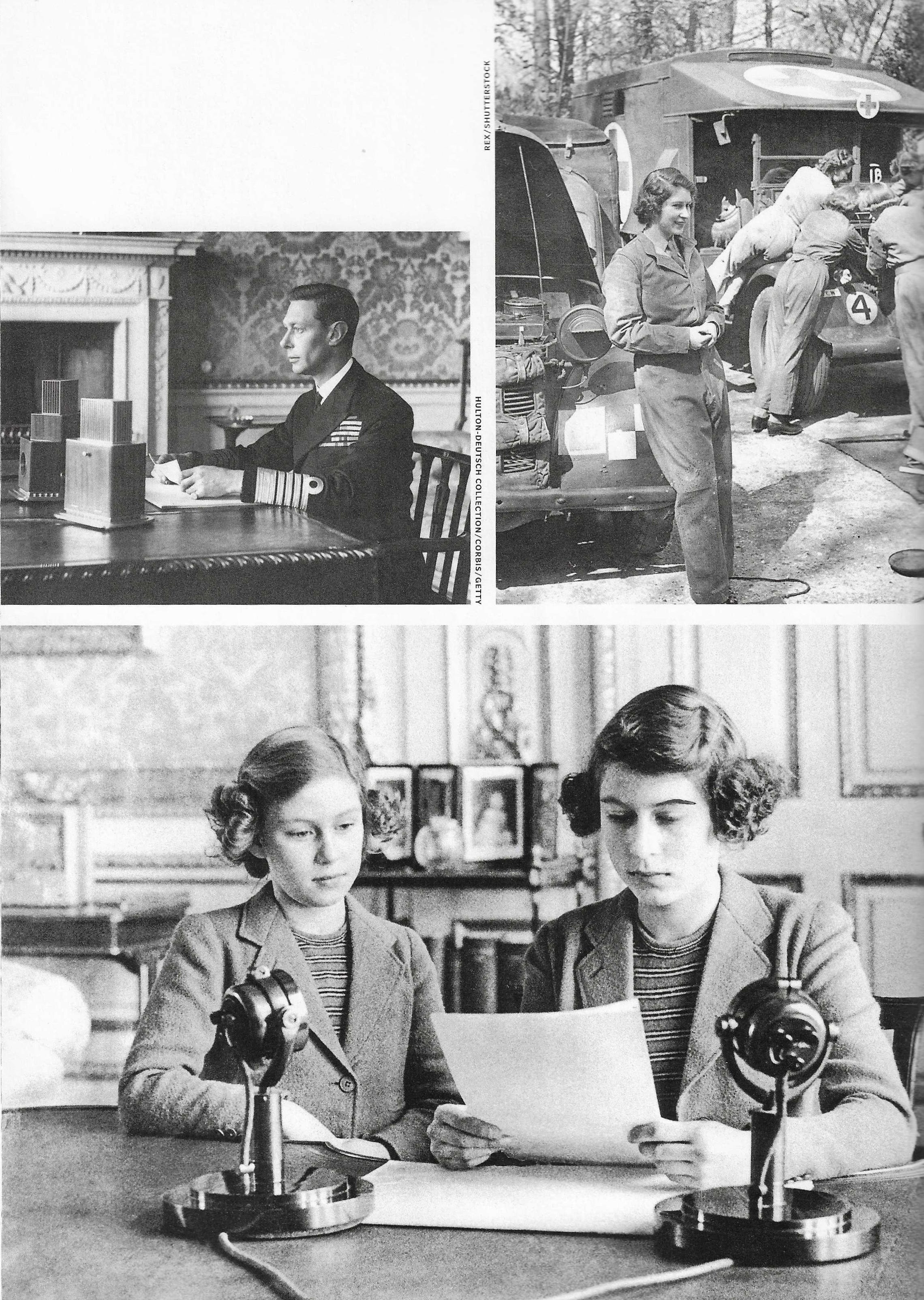
Yet-to-be-Queen Elizabeth was 19 when the war ended. A passage from LIFE magazine about Victory day: “After standing in uniform on the balcony at Buckingham Palace to greet cheering crowds alongside the king and queen and Prime Minister Winston Churchill, she and her sisters, a group of friends, and a guardian linked arms and ran among the crowd that surged through the city. For two nights in a row, she ‘walked simply miles,’ she wrote in her journal, ‘ate, parties, bed 3am!’”
which brings us to…
Royalty
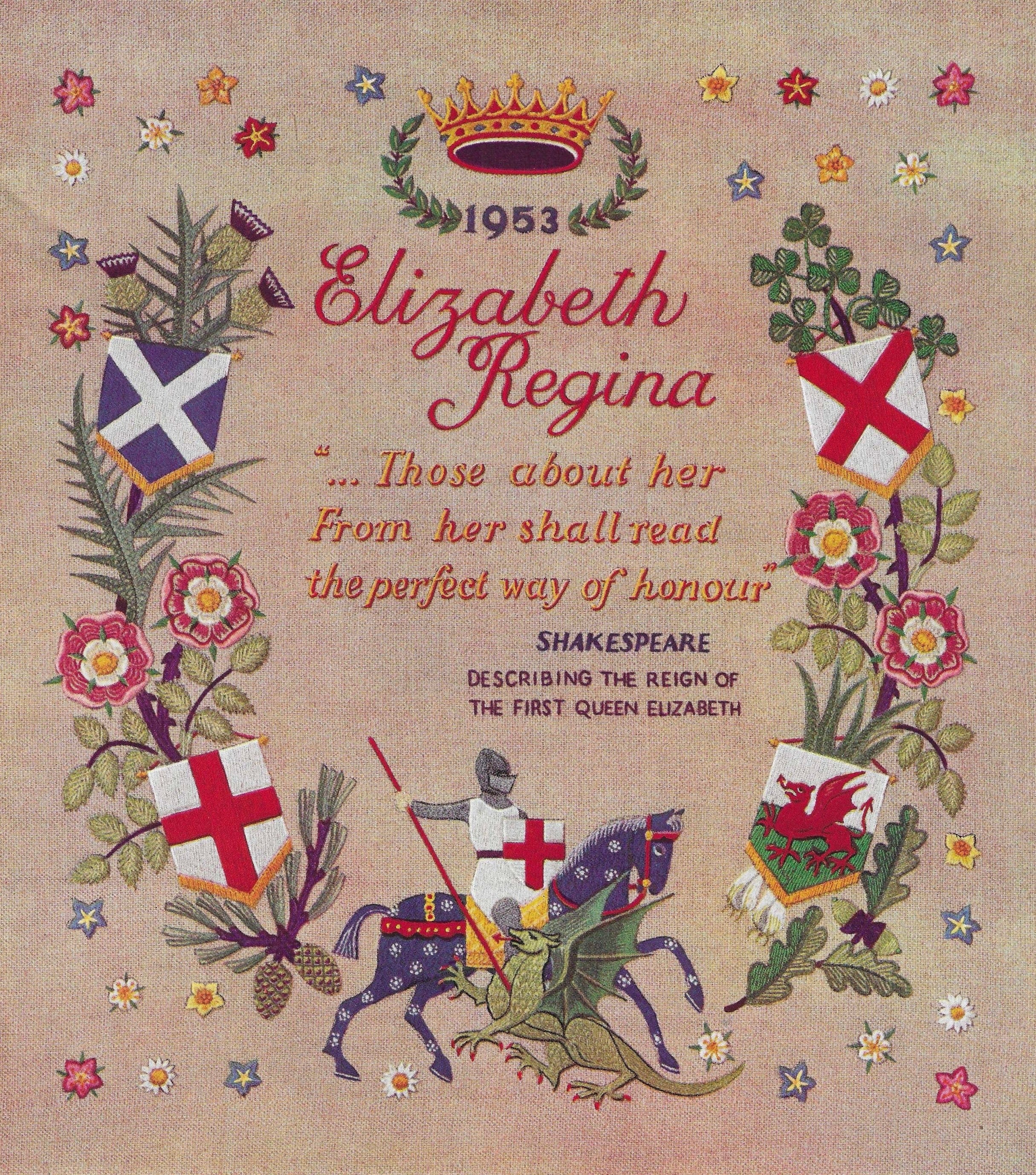
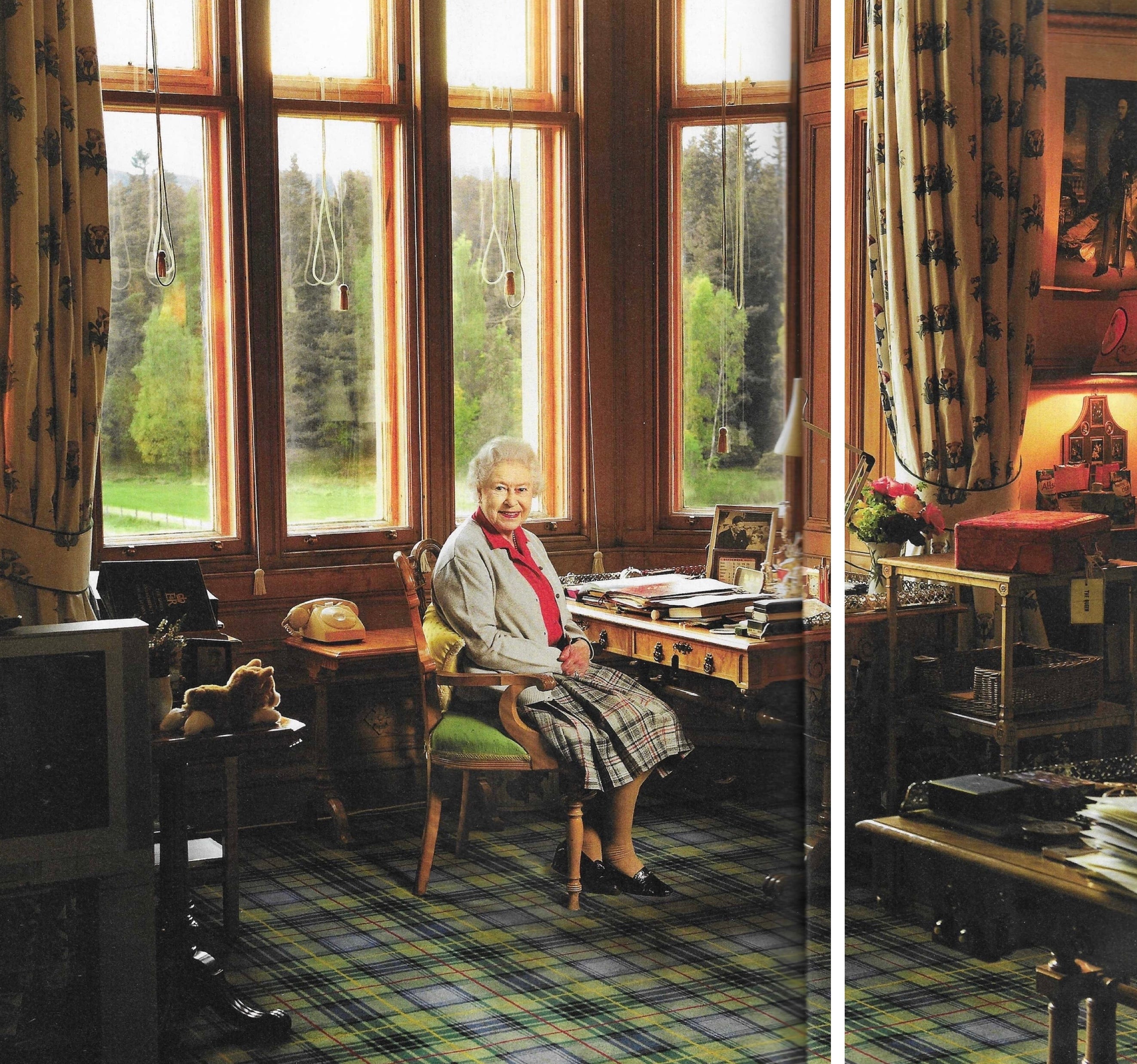
I would love to have a queen. A mother who bears the weight of sacred, life-long responsibility with wisdom and grace?
If only they were always good, I would definitely be a monarchist.
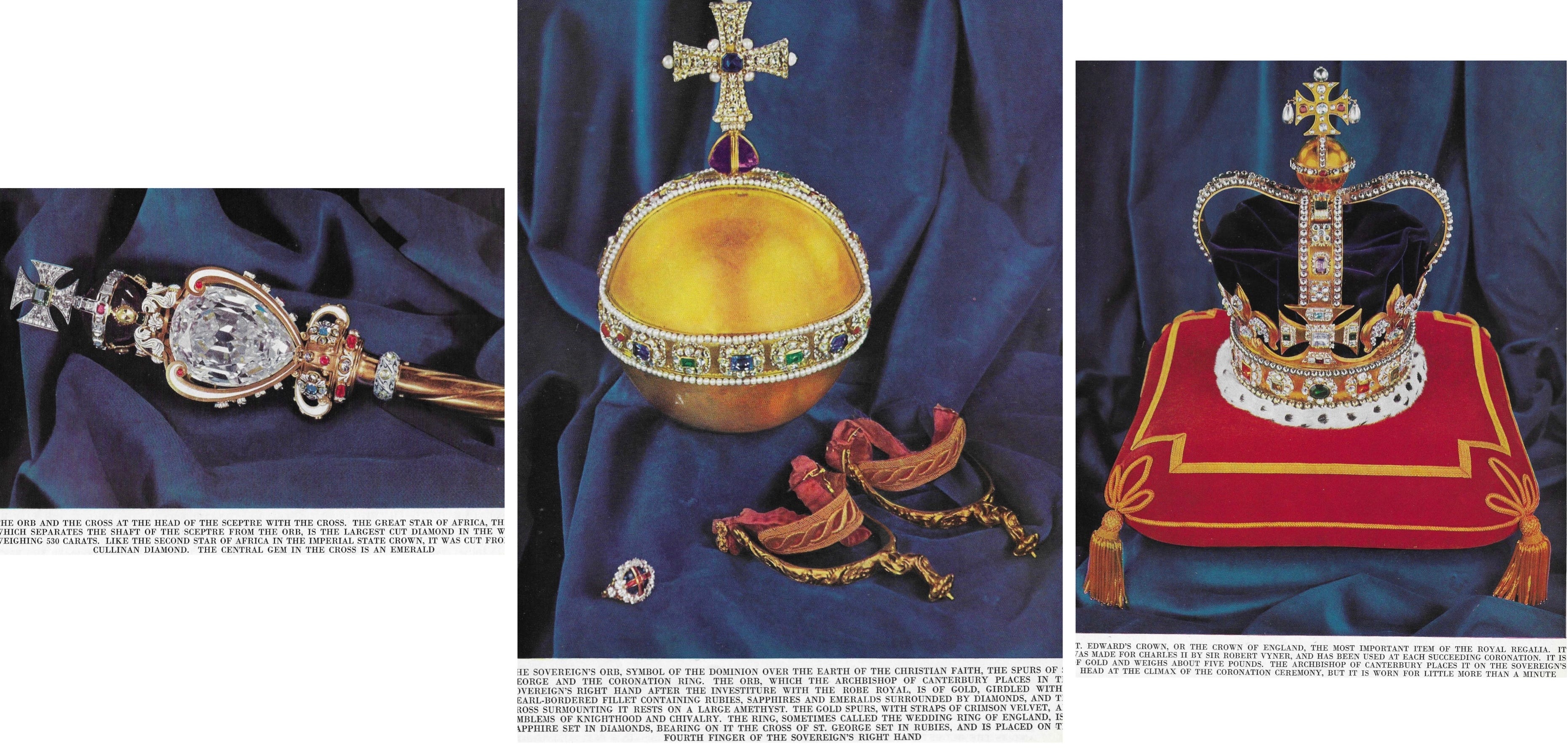
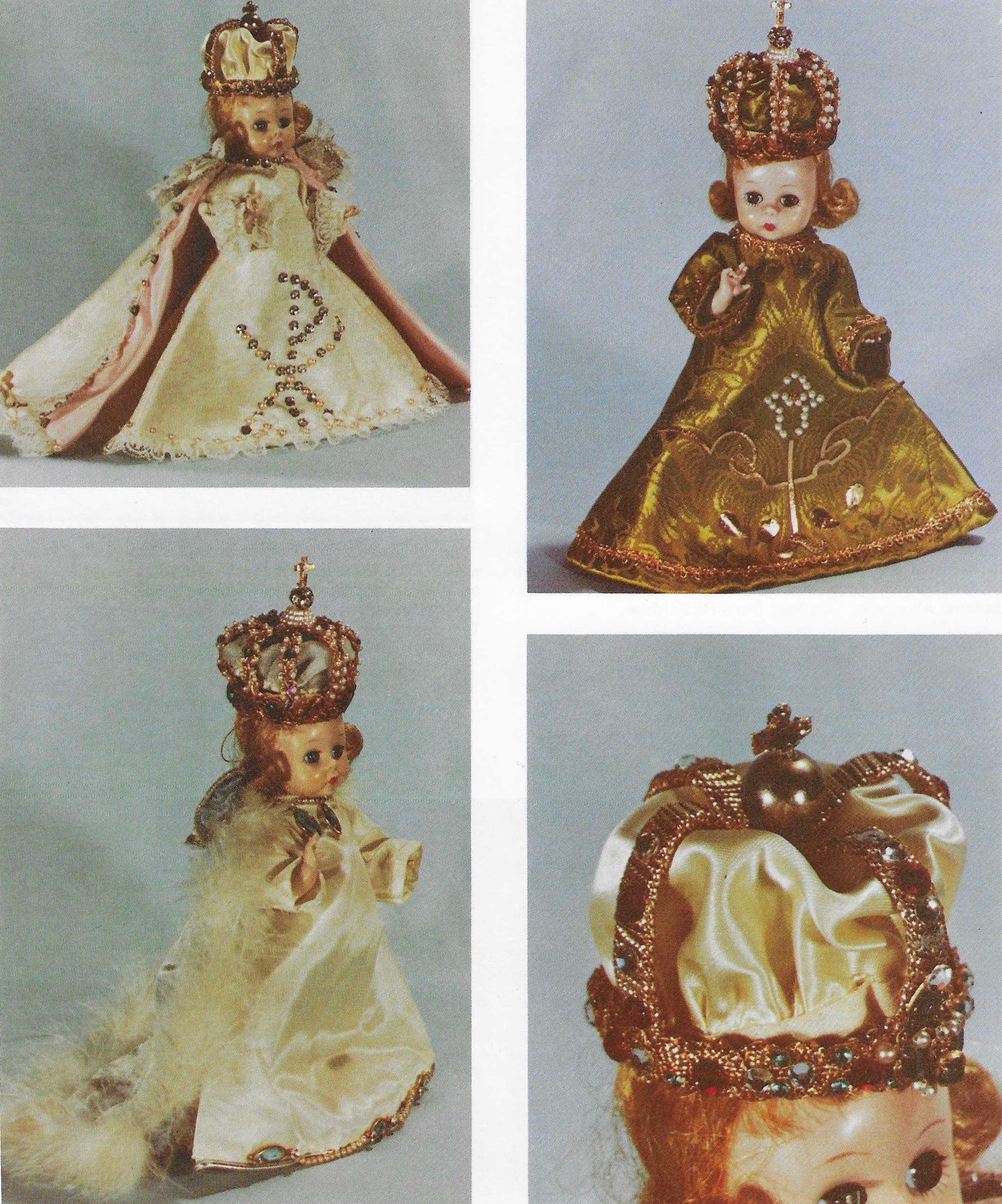
A more cynical take, from The Guardian:
“The monarchy relies on fiction. It is a constructed reality, in which grown-up people are asked to collude in the notion that a human is more than a human – that he or she contains something approaching the ineffable essence of Britishness. Once, this fiction rested on political and military power, supported by a direct line, it was supposed, to God. Nowadays it relies on the much frailer foundations of habit, the mysteries of Britain’s unwritten constitution, and spectacle: a kind of symbolism without the symbolised… The monarchy is theatre, the monarchy is storytelling, the monarchy is illusion.”
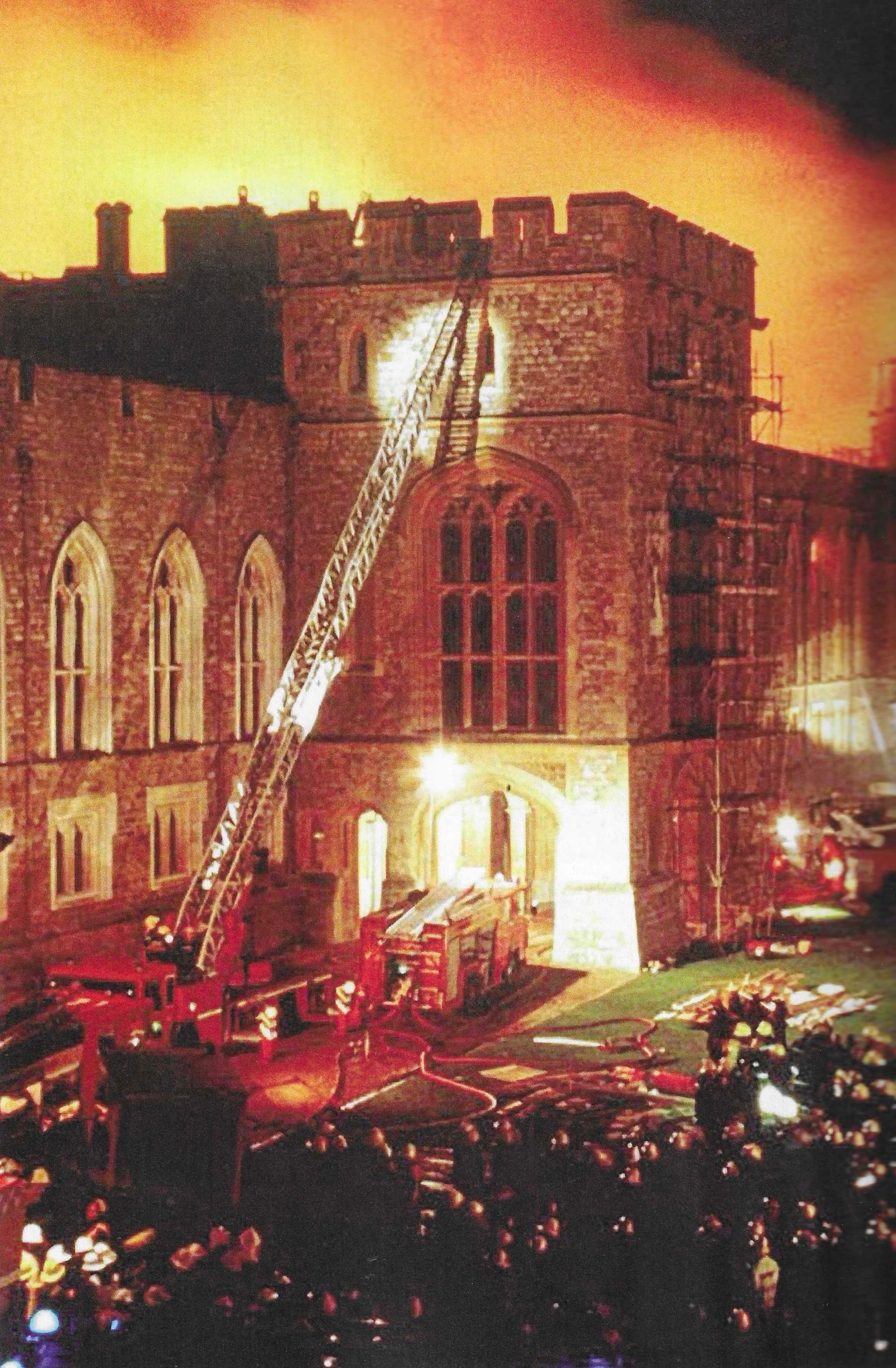
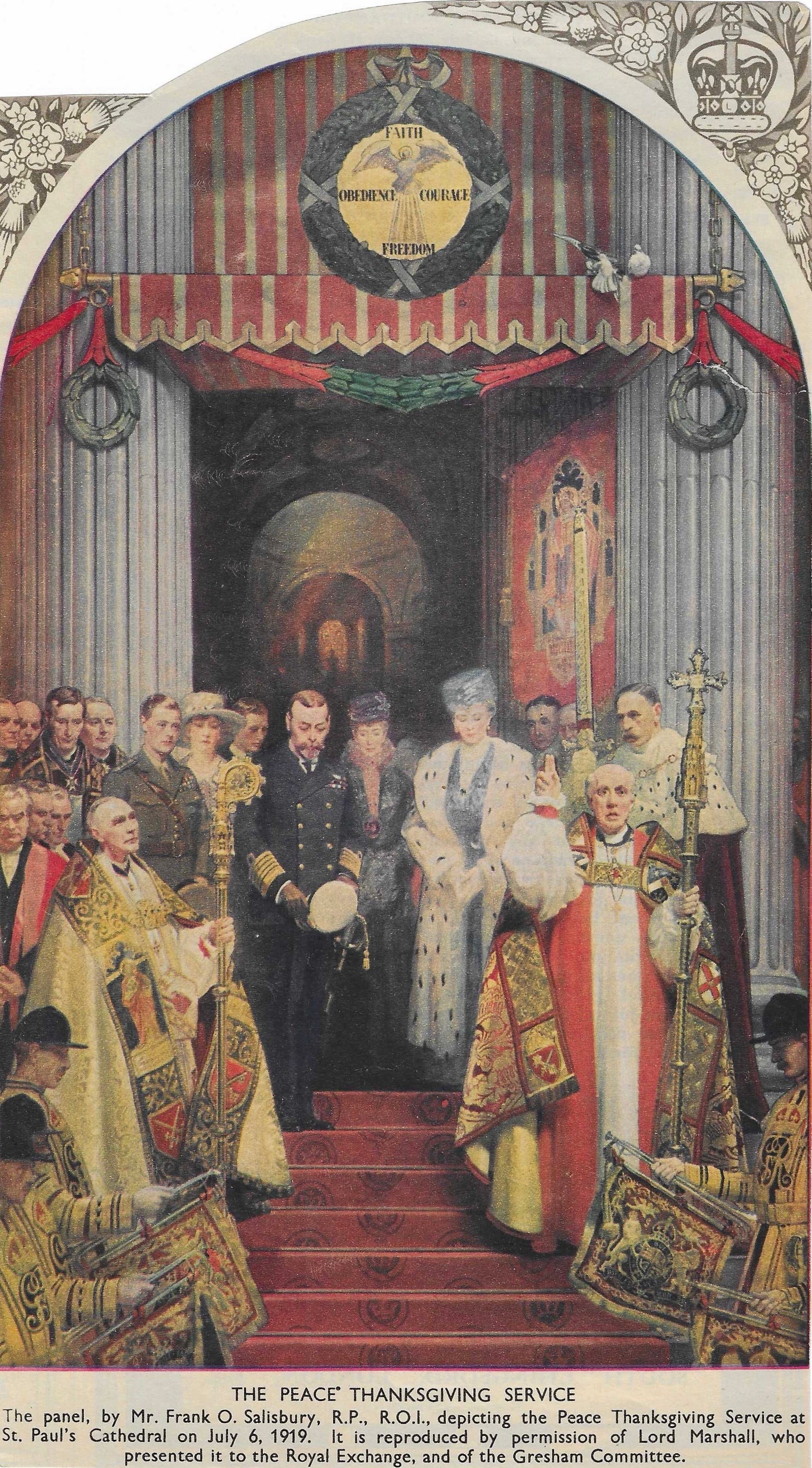
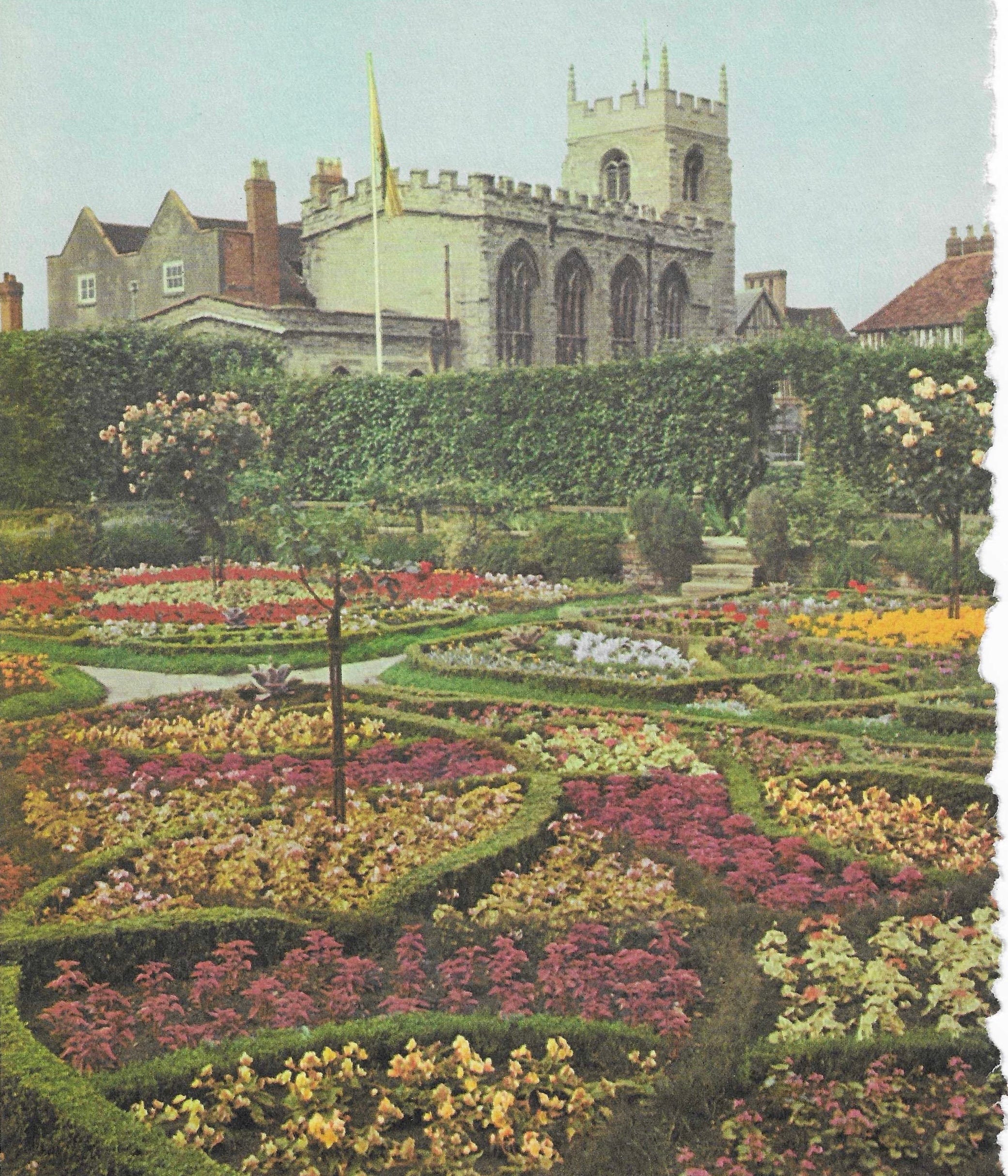
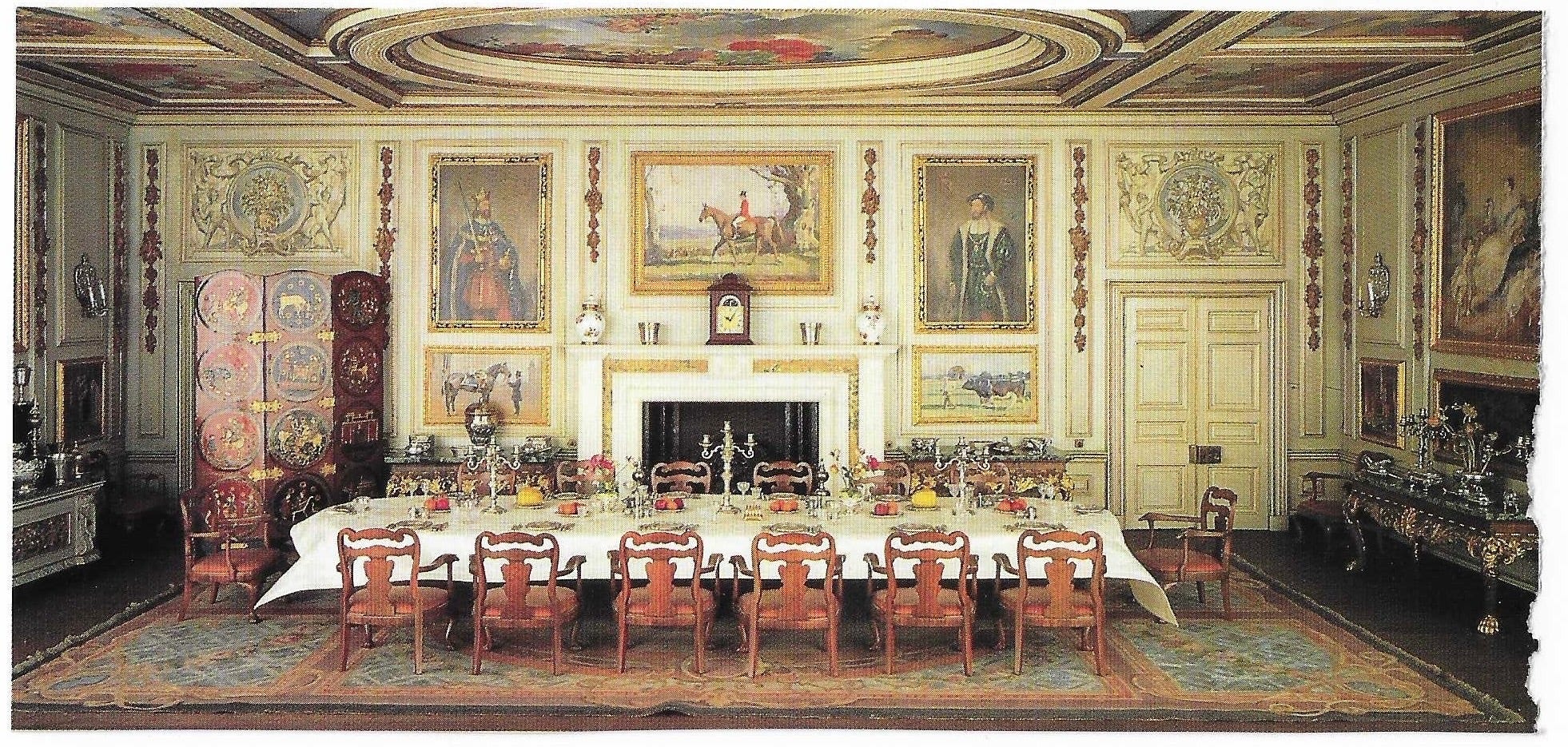
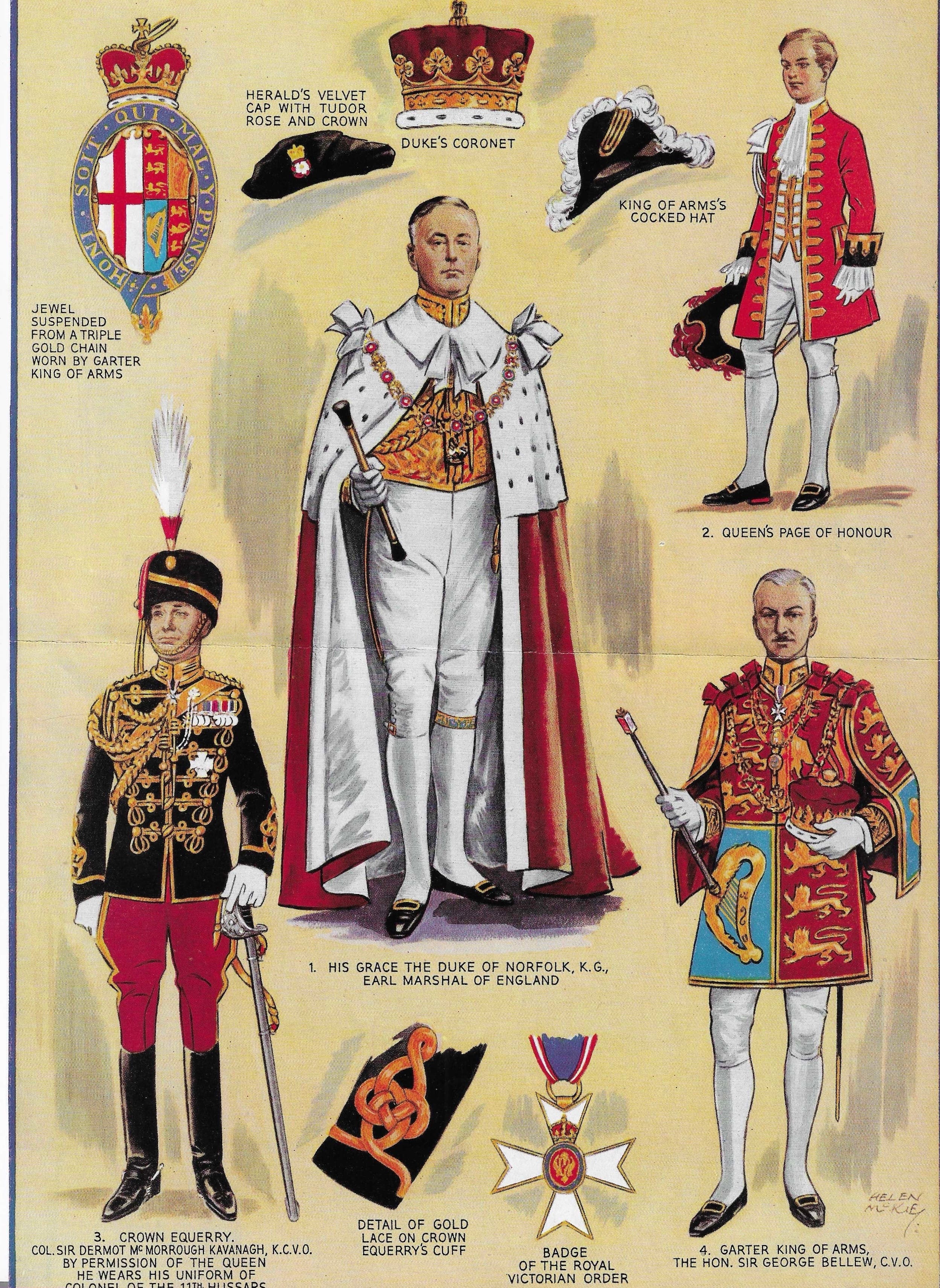
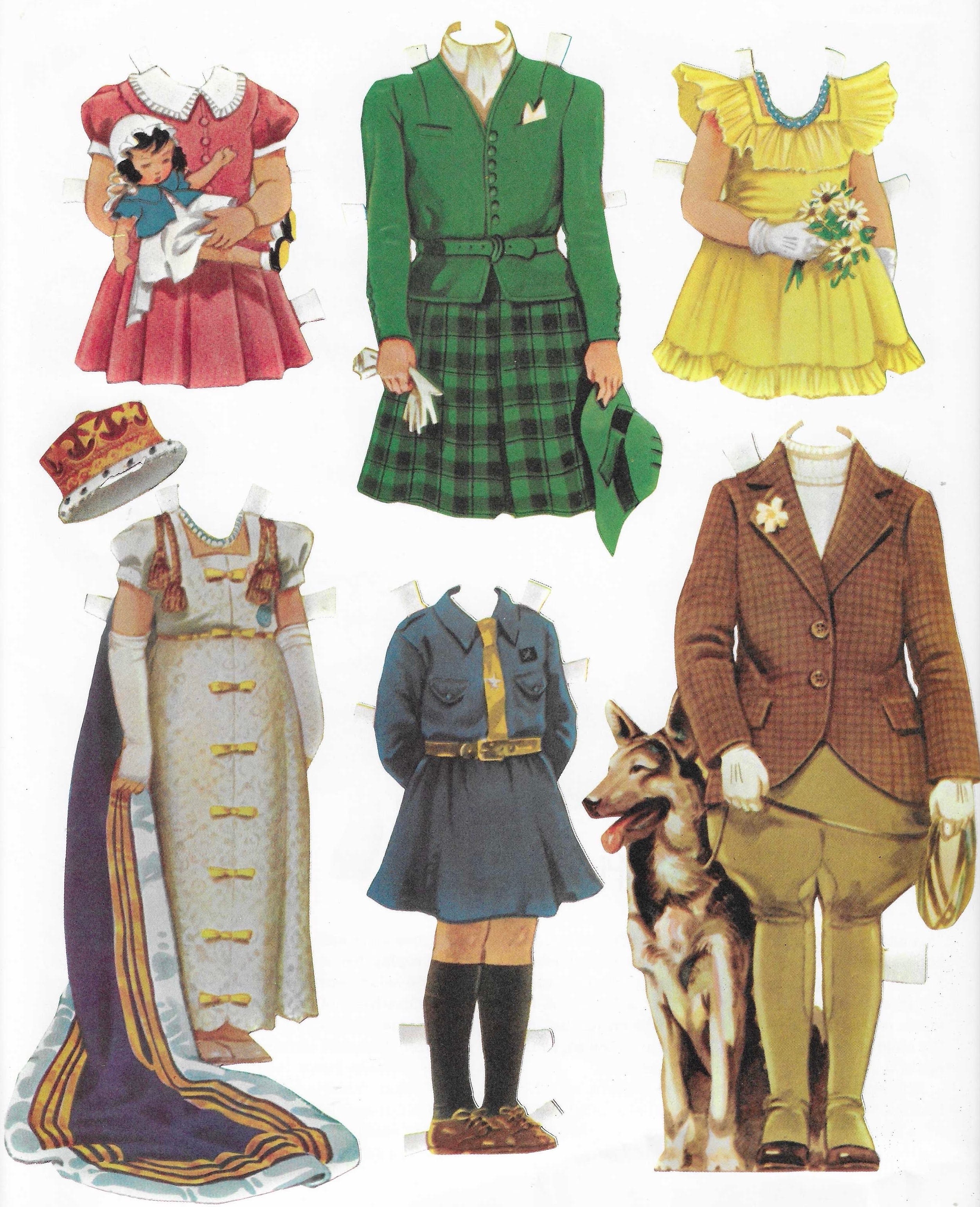
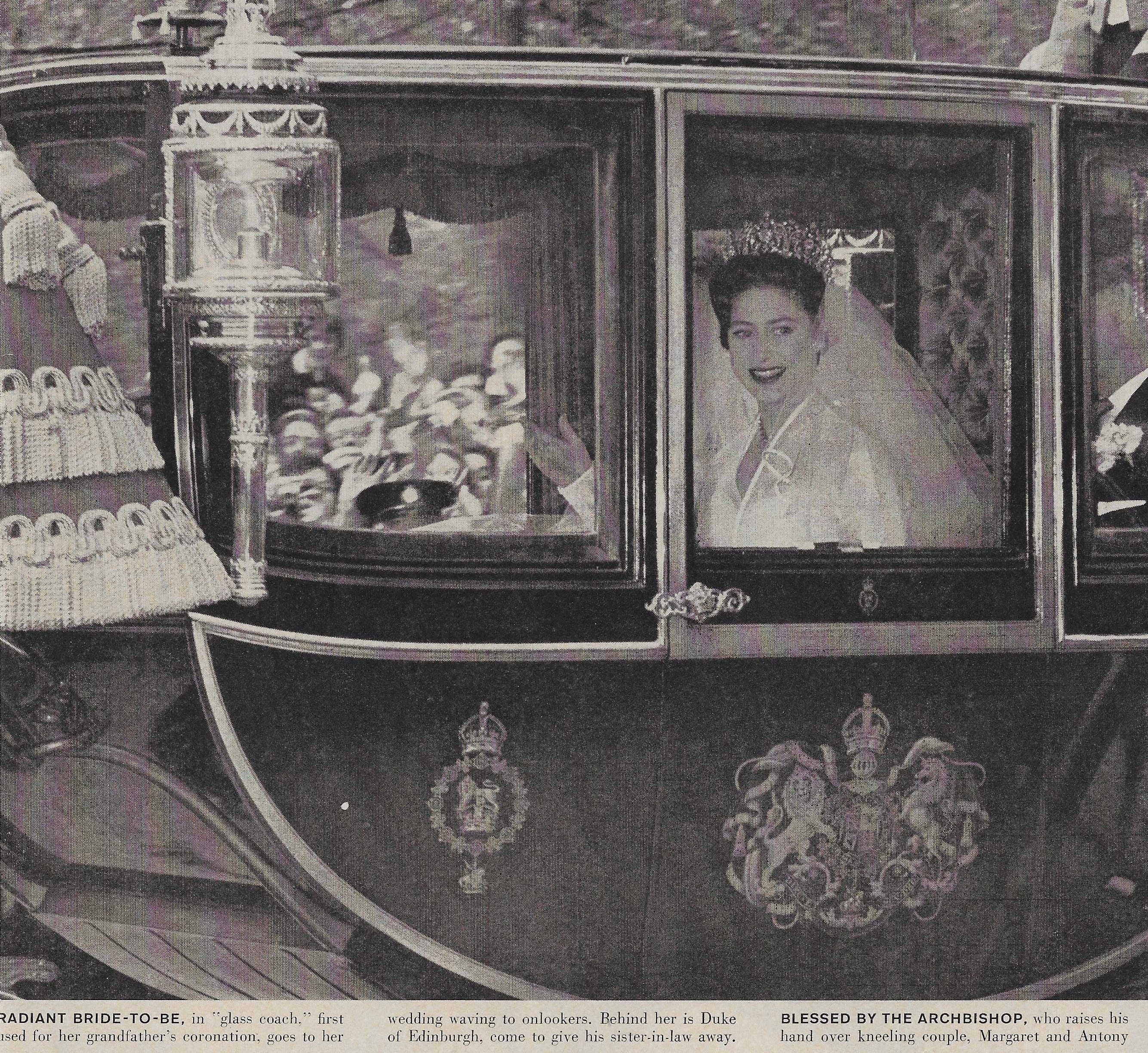
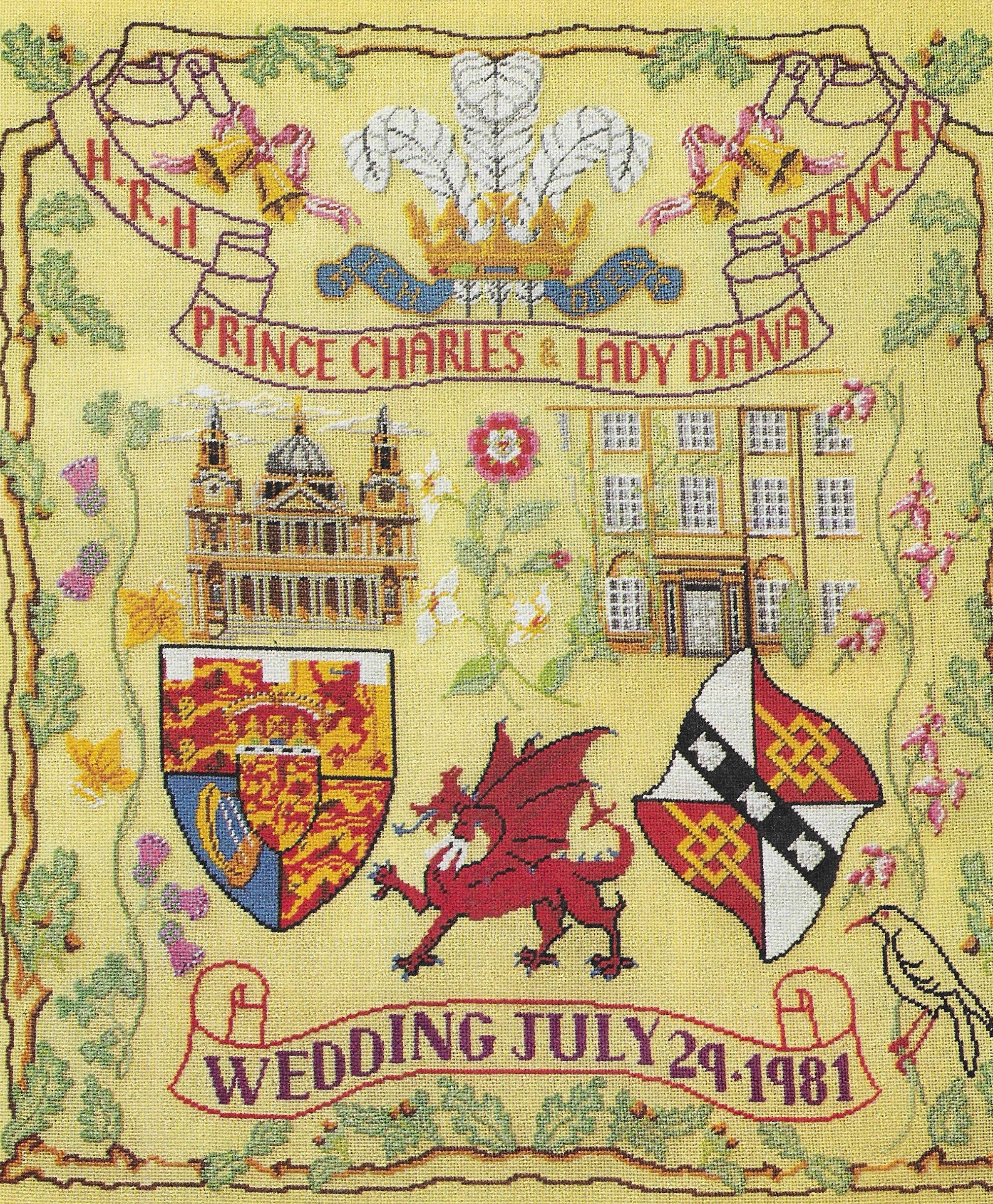
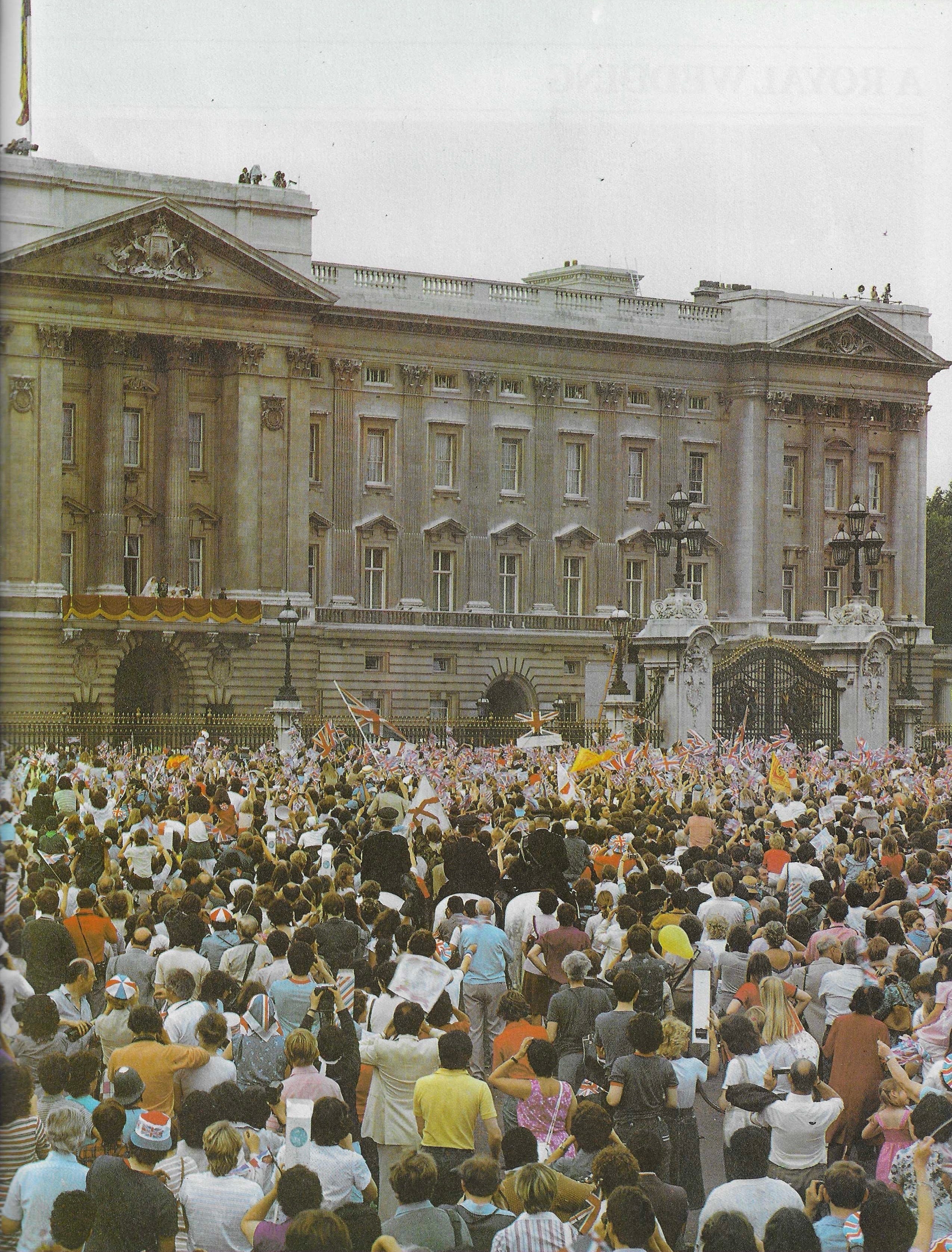
I am excited at the prospect of King William and Queen Catherine.
I used to think the brothers would eventually reunite in the name of love and country, but Price Harry’s memoir Spare broke that illusion.
I assume the title, like the rest of the book, is supposed to evoke pity; surely being close enough to taste a power that won’t be yours is hard. But Harry thinking the general public will find it sad he was born into a supporting role is strange. I don’t mean strange in a “he’s too rich to complain” way - it’s more that most of us can intuit some deep symbolism and wisdom (not to mention national security?) to the role of the spare, but Harry’s too myopic to see it.
On a more generous note, a quote from Andrew O’Hagan’s excellent review of Spare reminds us there’s some tragic simplicity to the brothers’ rivalry, nothing to do with the throne:
“When a mother dies so publicly and so violently, the fight is likely to be with the sibling. Nobody actually shares their parent – that’s just an illusion – and even the healthiest of brothers are parrying with wooden swords. Each child wants to go back, fighting off all monsters, all observers and opportunists, all lovers and all brothers, to be alone with her again.”
Ceremony
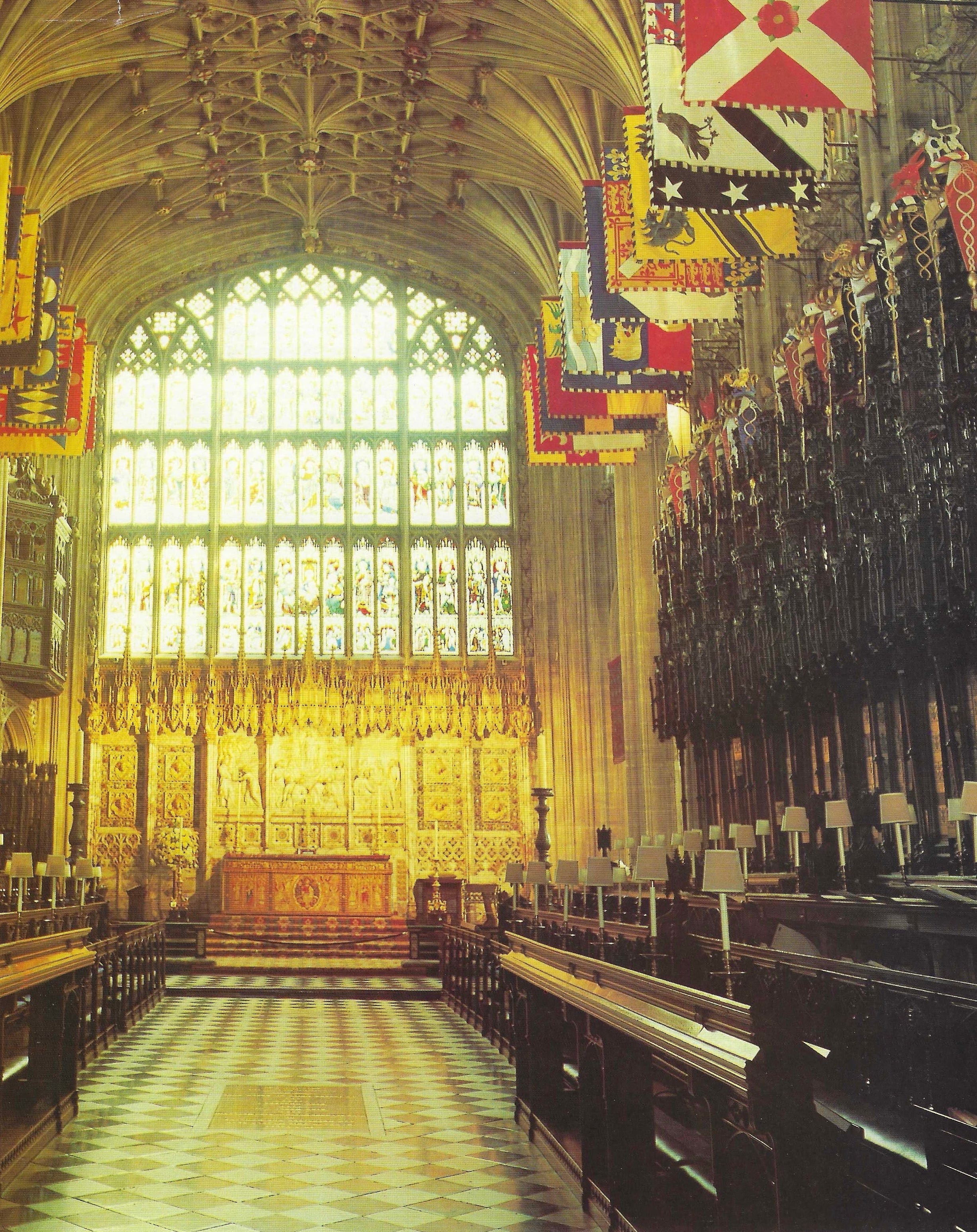
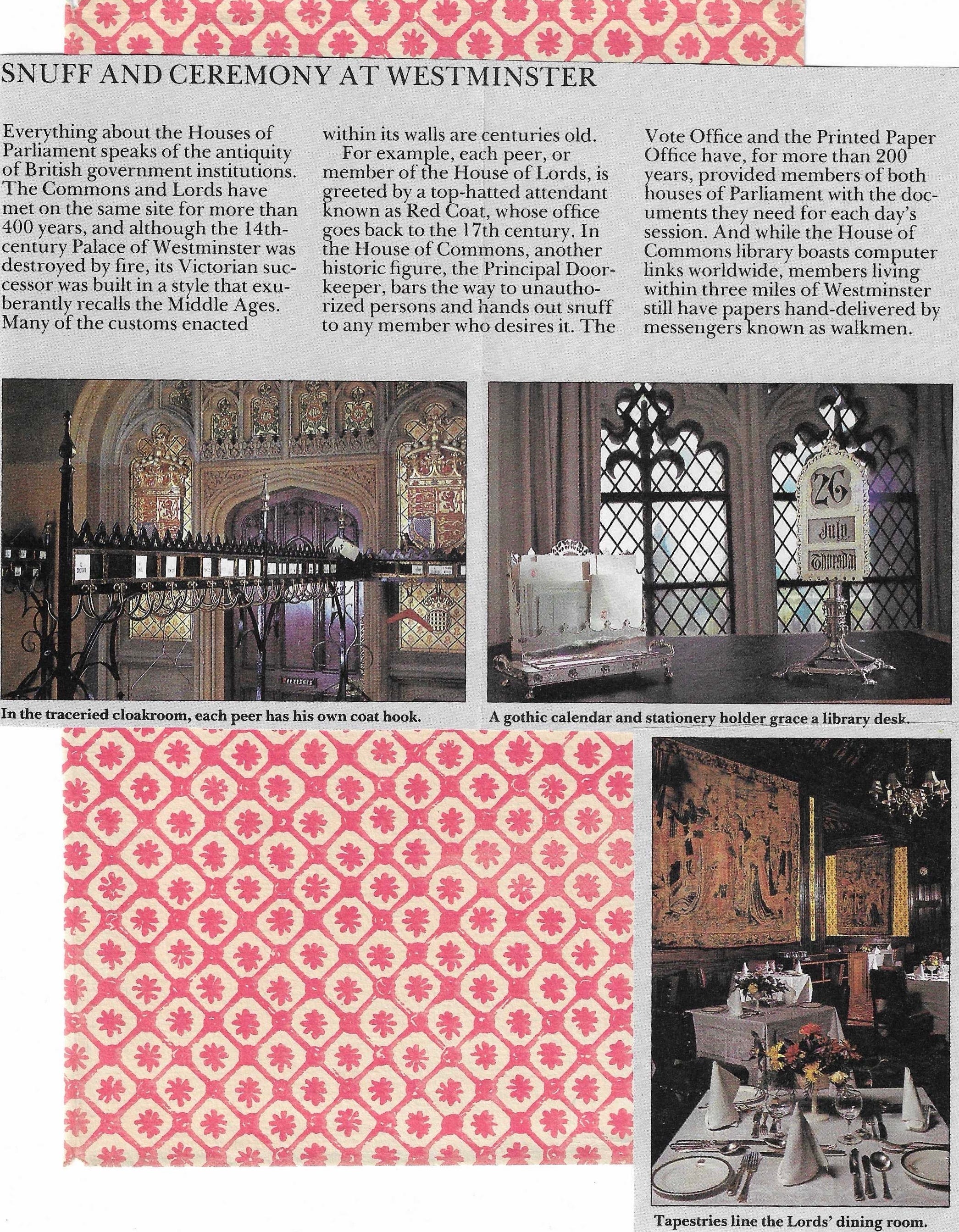
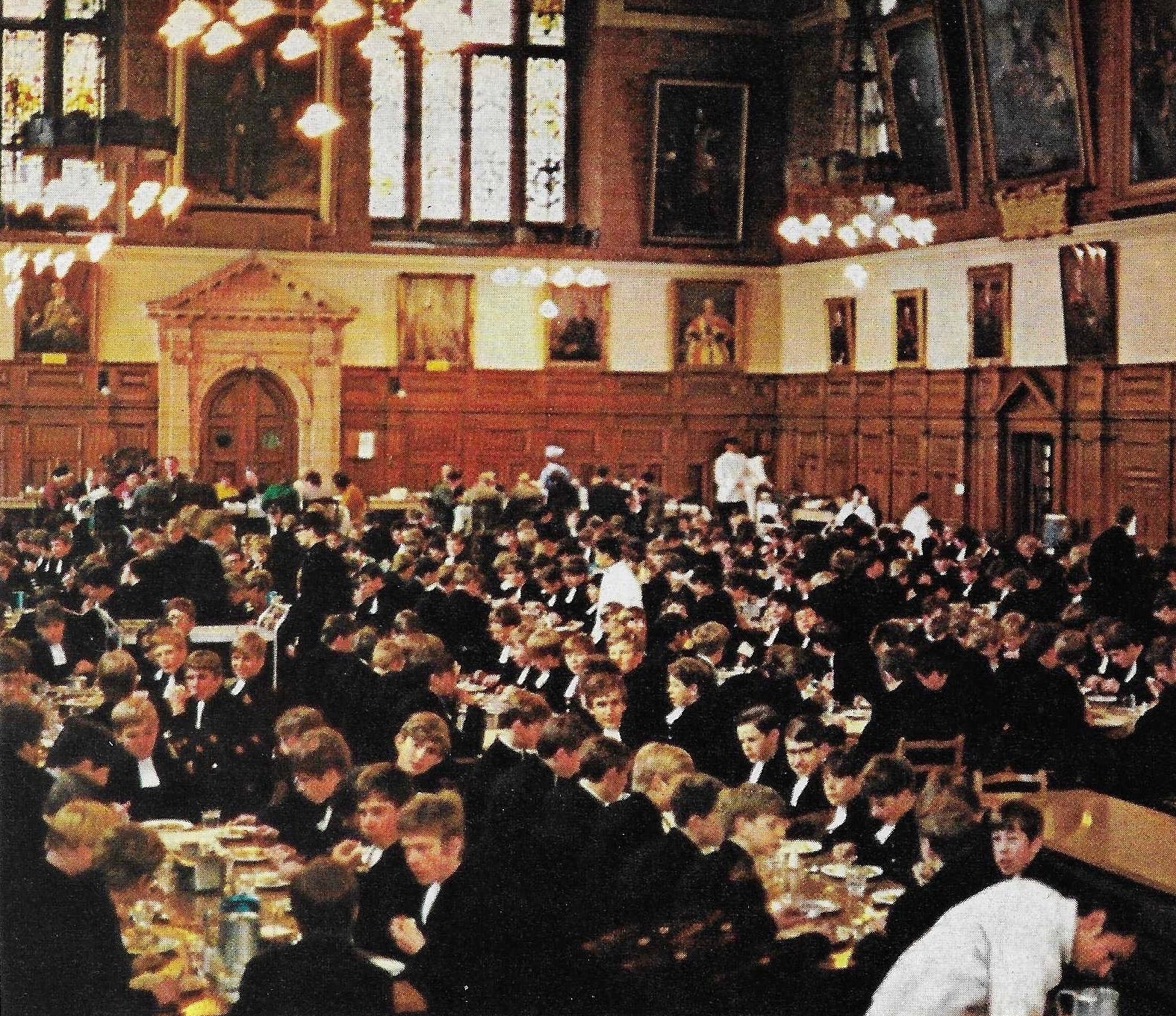
One vivid (mostly imaginary) image of England that comes to mind for me a lot is what I term “cozy academia.” Reading books in huge, wood-panelled libraries, listening to lectures by the fireplace, writing by candlelight - all with an air of seriousness that comes with being inside ancient rooms.
In my college Great Books program, half the faculty must have been anglophiles too. We were broken up into cohorts they called “houses,” our professors were “mentors,” there was the opportunity to spend a semester at Oxford. Even if you were stuck in sunny California, you still got to partake in the end-of-semester “Don Rags,” a one-on-one oral exam in which your mentor asked a single question (broad enough to be impossible to predict, specific enough to make you pray to God it was about something you vaguely understood) and you were expected to respond with a 15 minute soliloquy weaving in the various semester readings. Apparently it’s “how they do it at Oxford.”
Happy to never do that again, but the anxiety and ceremony of it all (you dress up! you arrive 15 minutes early! you automatically fail if you accidentally sleep through it!) are ripe for nostalgia.
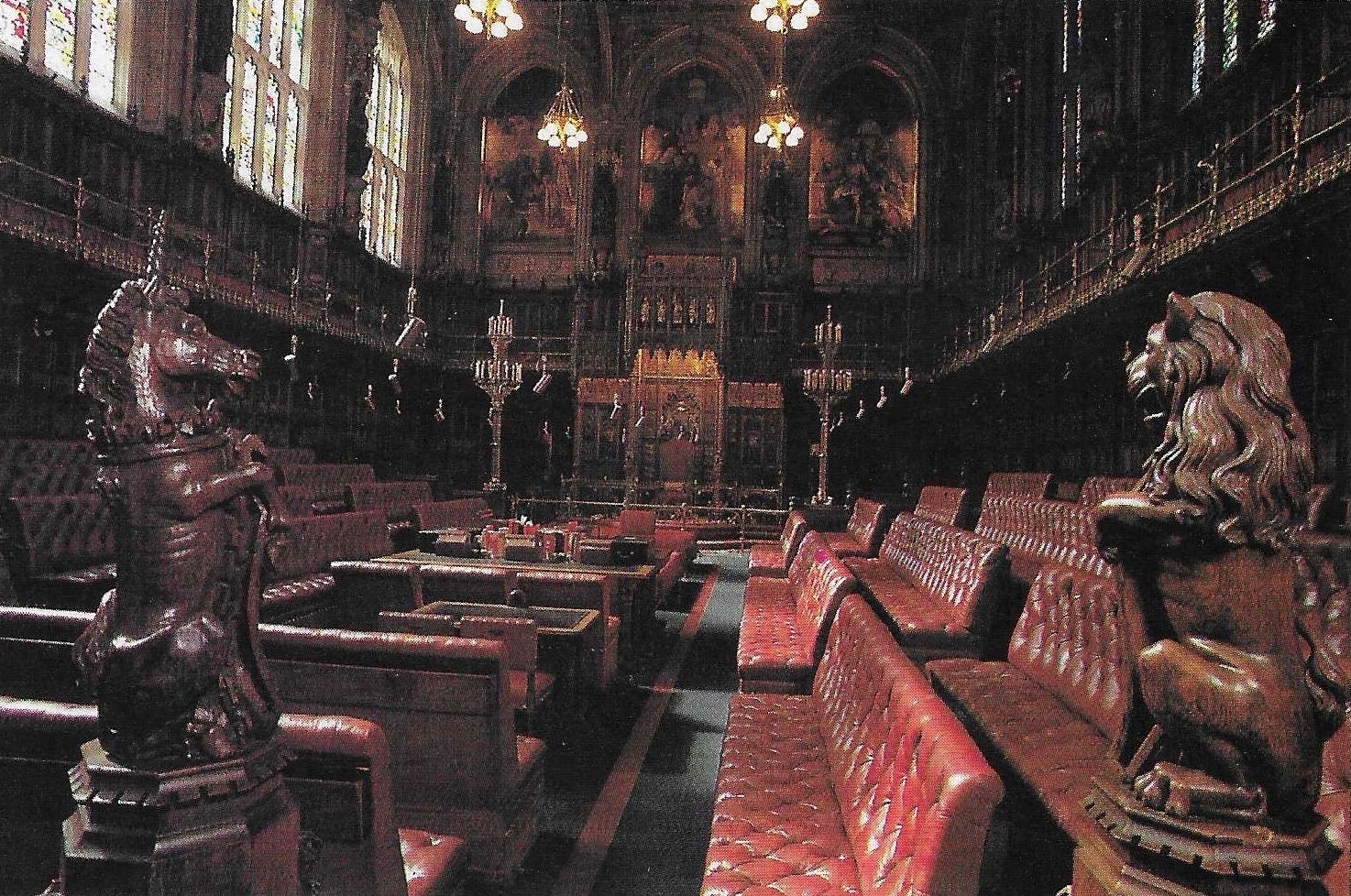
I loved the book The Fellowship: The Literary Lives of the Inklings, a non-fiction account of the friendship between Tolkien, Lewis, Owen Banfeild and Charles Williams. They met weekly in Oxford to talk all things literary, theological, philosophical.
On the Oxford of the Inklings’ day:
“Then, as now, one was tempted to fantasize one’s surroundings as a Camelot of intellectual knight-errantry or an Eden of serene contemplation… To live and work in such a rarefied intellectual ambience, with chapel, scriptorium, and Faerie woodland close at hand, among gifted companions who could share a pint and spin off a limerick or clerihew at will, was a rapture that never quite realized itself. For one also had to contend with troublesome families, threadbare pockets, cantankerous colleagues, dim students, urban congestion, and — twice in the Inklings’ lifespan — war.”
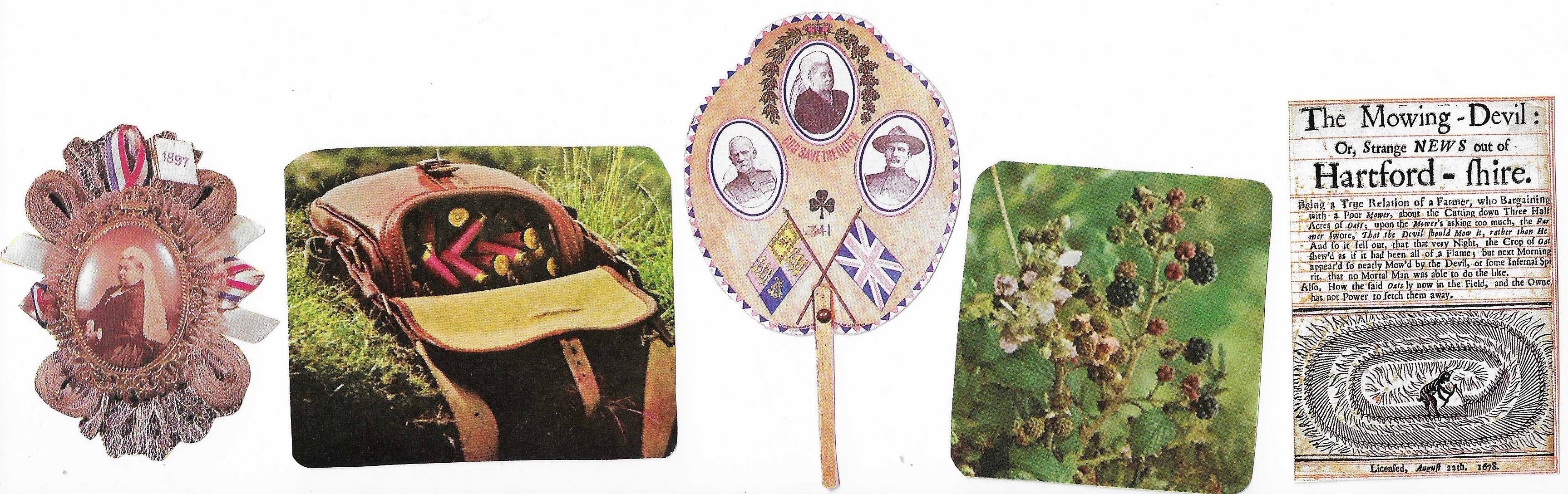
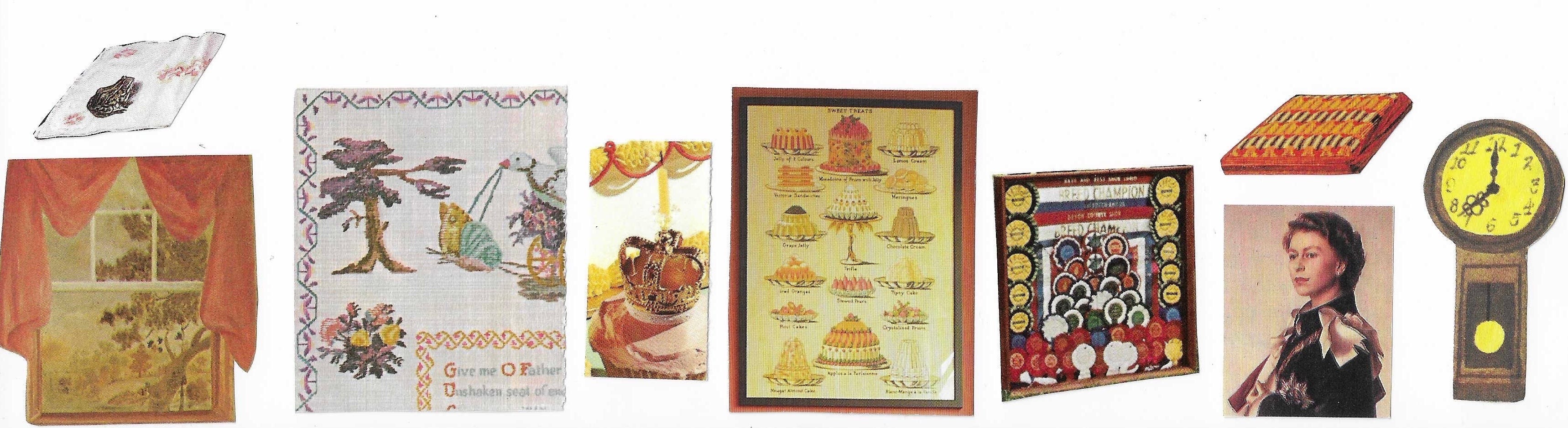
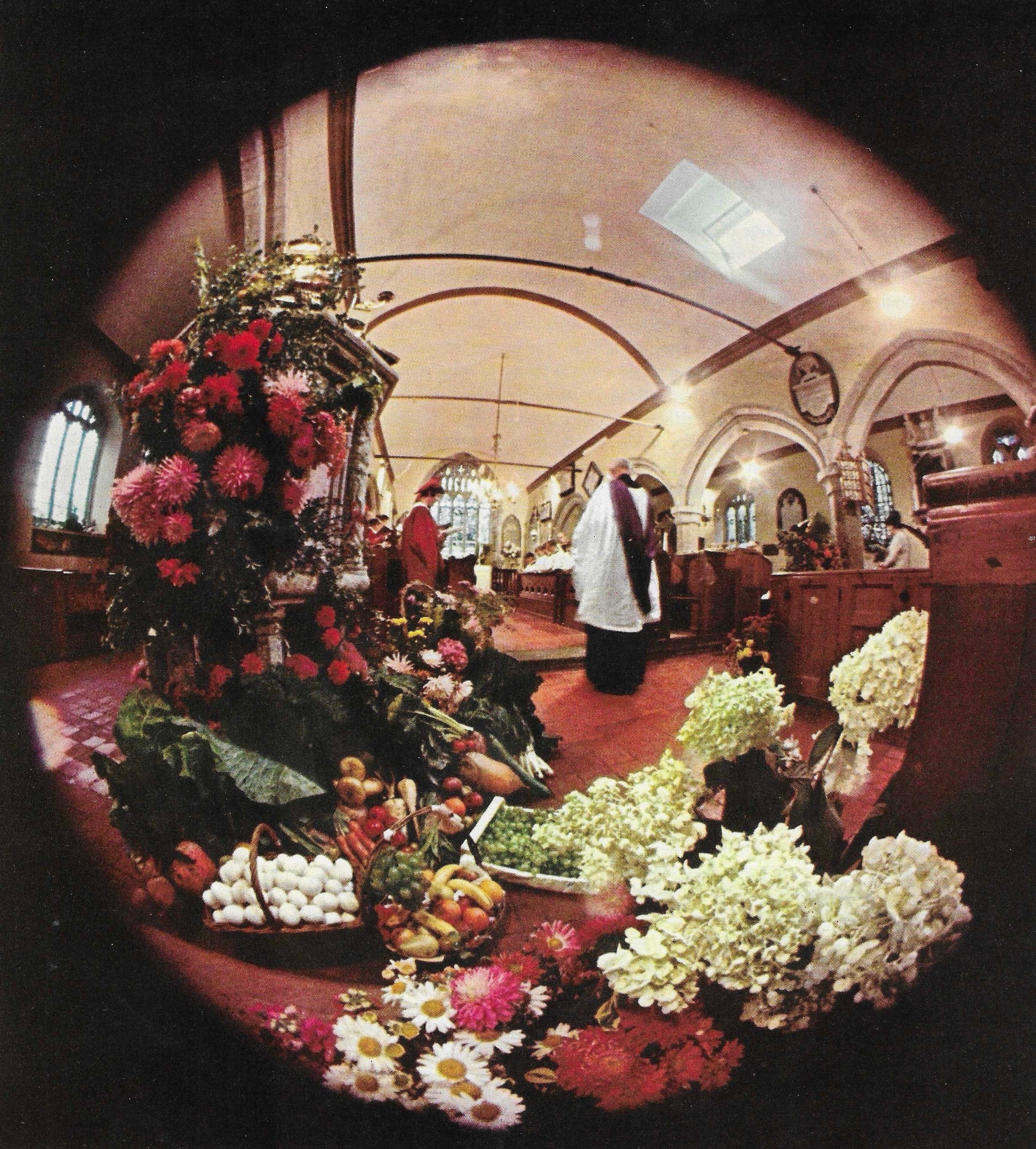
Nowhere does the ceremonial aspect of England intersect with my actual life as much as in the Church. I go to an Anglican church, so our liturgy, sacraments, and prayers all come from England.
The Book of Common Prayer was compiled in the 16th century with the everyman in mind, graciously reducing the 7 hours of prayer established by the early monastic Church to 2: Morning and Evening. And then there’s a bunch of Collects for different occasions and circumstances.
What I like most about it is in the name - the commonality, the shared-ness of it. Every now and then my mom will send me a prayer; the night of the fires my friend Liz texted me the Collect for Times of Natural Disaster.
Shared language, shared desires. The same words said across oceans and across centuries.
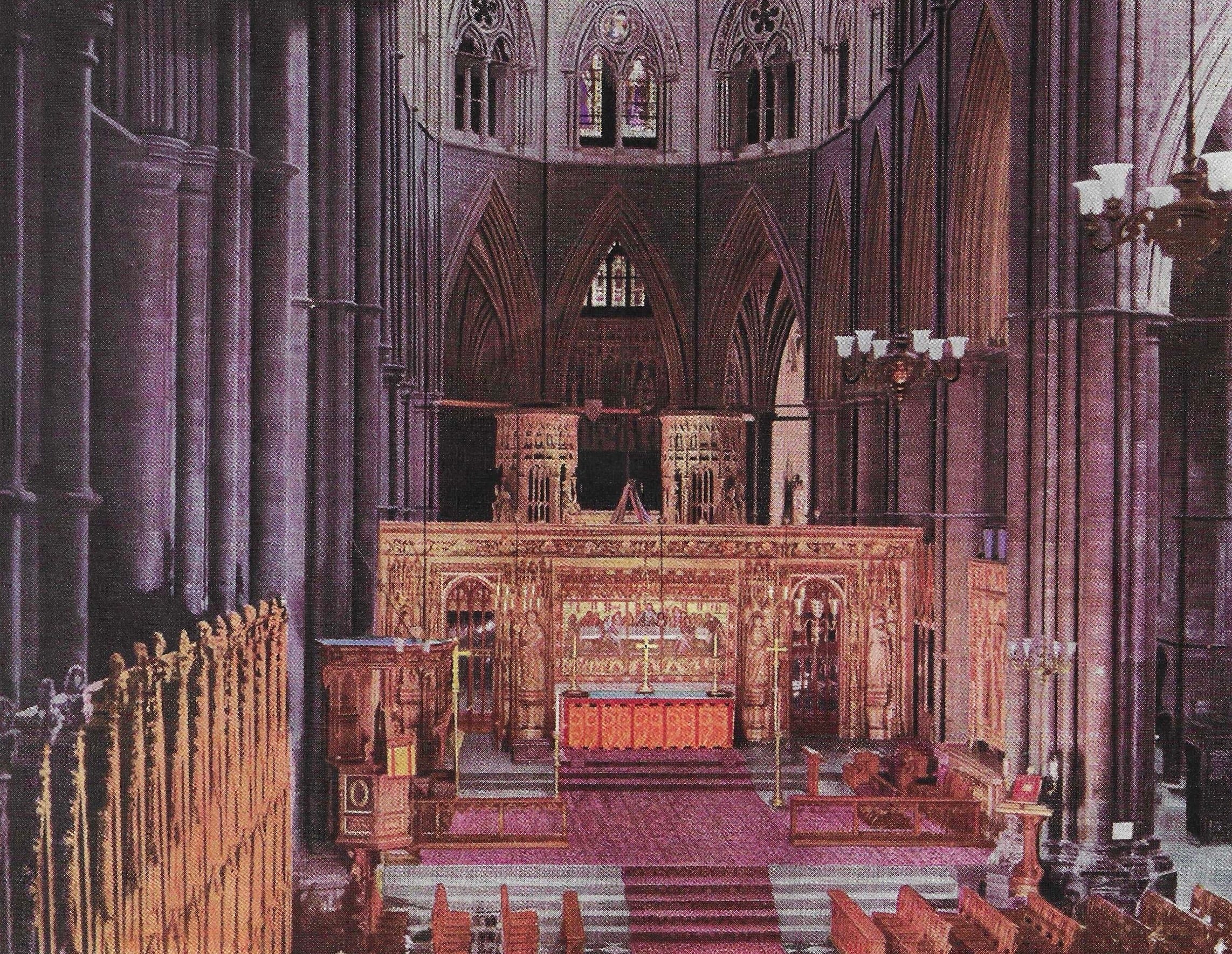
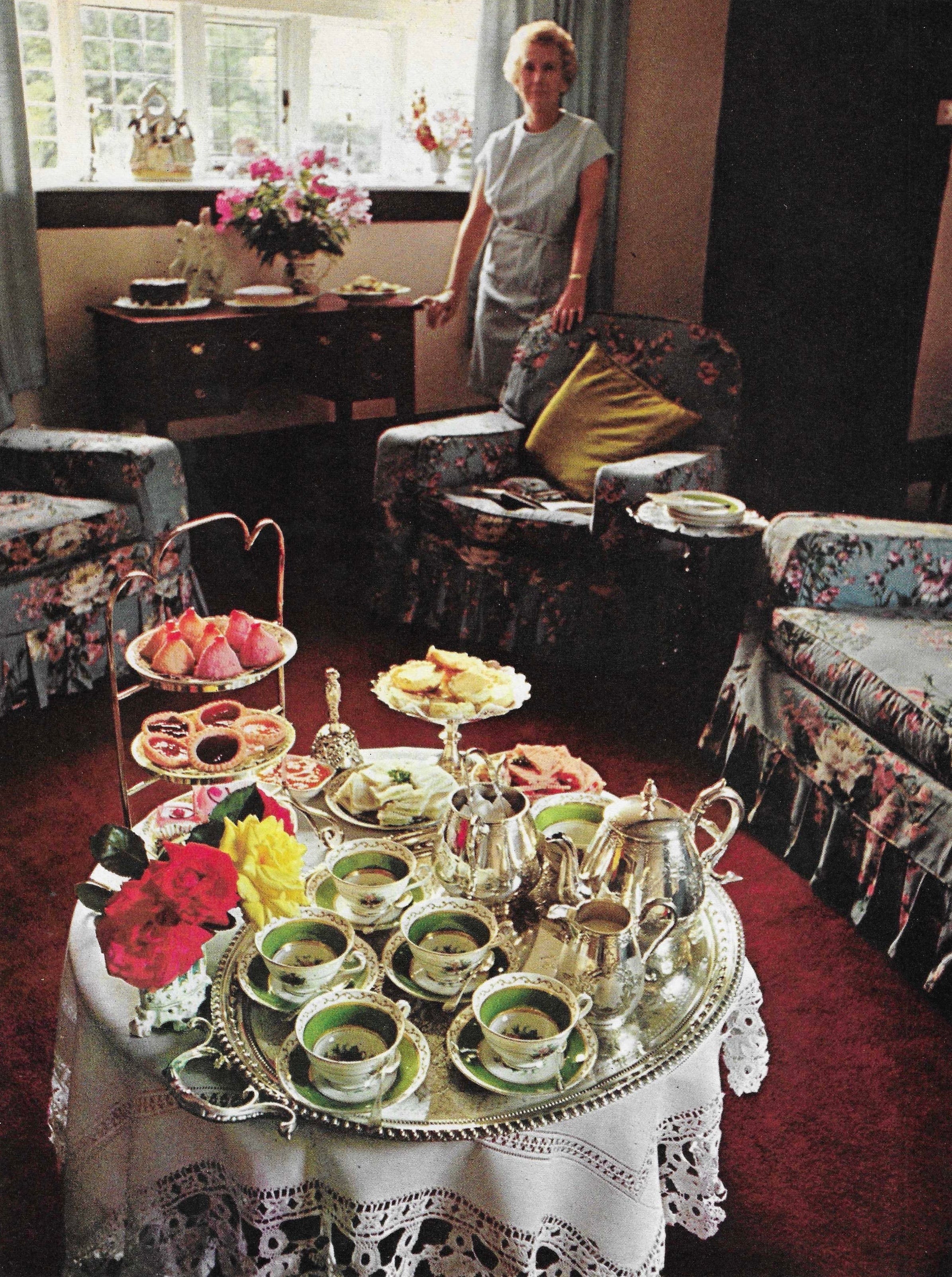
Lastly, I would be remiss to neglect the most important ceremony of all to the English: tea.
At that Bible school I attended, we had tea breaks every morning and afternoon, 11a.m. and 3p.m. We’d walk over from the lecture hall to the kitchen where the tea was waiting for us in bright white mugs, rows and rows of perfect black circles on huge trays. I learned to like mine best with lots of milk and sugar from watching the shameless indulgence of my dutch friend Johan. I never cared about tea before that and I haven’t really cared about it since (it just doesn’t hit the same in sunny LA as it did on those wet, cold mornings), but in those days it was a favorite ritual.
Some closing words from The Splendid and the Vile:
“The one universal balm for the trauma of war was tea. People made tea during air raids and after air raids, and on breaks between retrieving bodies from shattered buildings. Tea bolstered the network of thirty thousand observers who watched for German aircraft over England, operating from one thousand observation posts, all stocked with tea and kettles. Mobile canteens dispensed gallons of it, steaming, from spigots. “Tea acquired almost a magical importance in London life,” according to one study of London during the war… Churchill himself did not actually drink it, despite reputedly having said that tea was more important than ammunition. (He preferred whiskey and water.) Tea was comfort and history; above all, it was English.”
capes 🥹
Pongo's house!! How could I forget