
Forest life

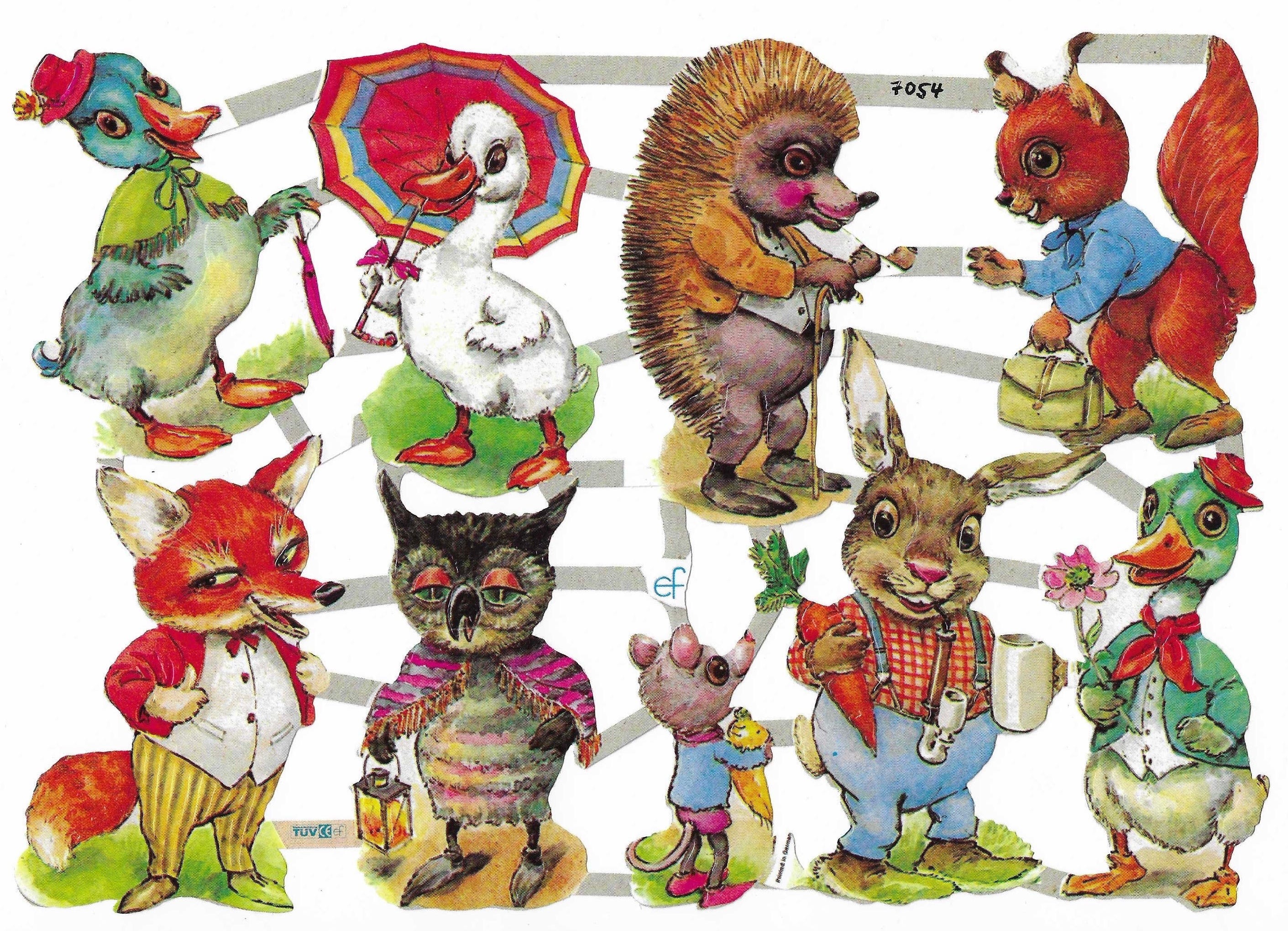


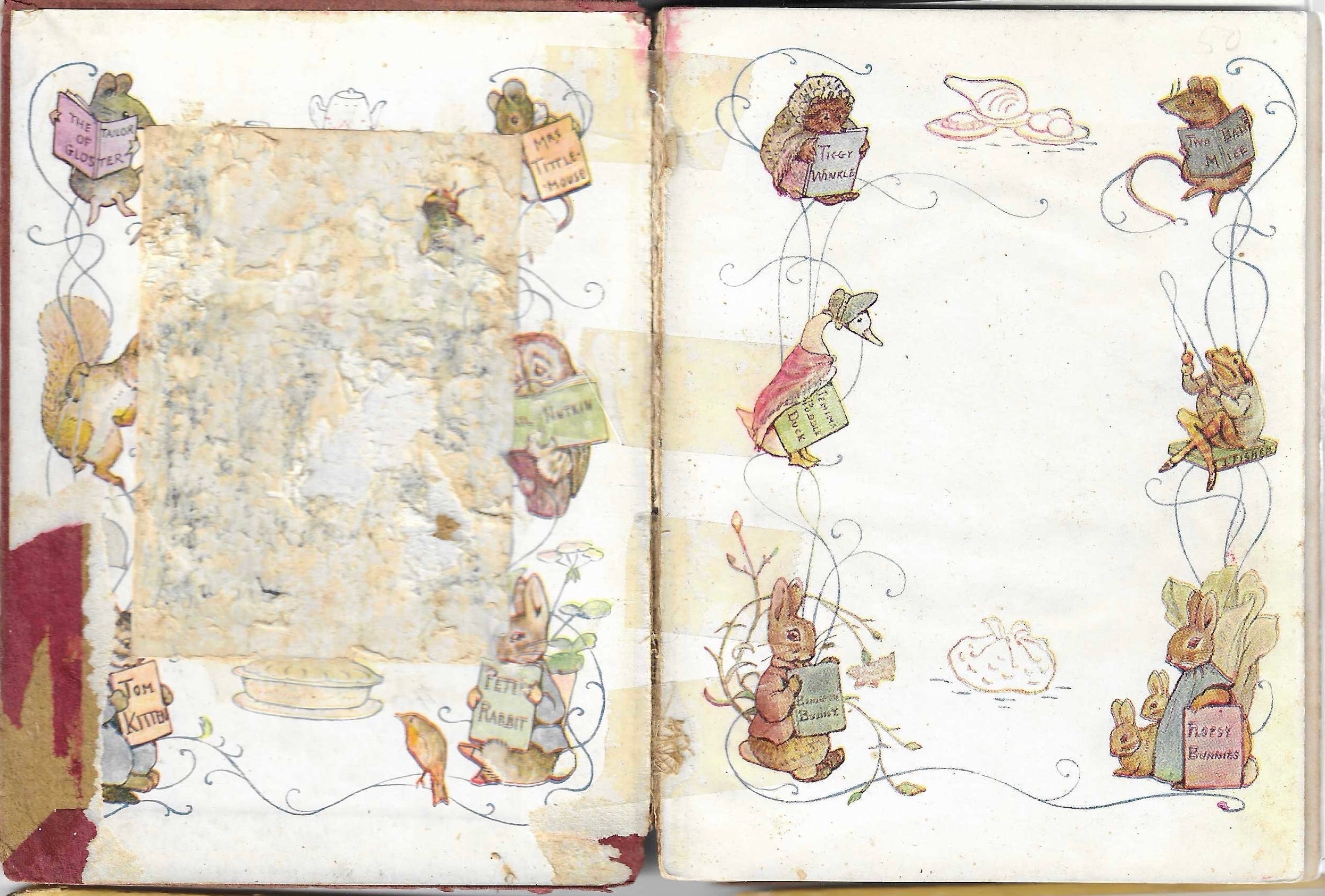
After biting off a bit more than I could chew with the last massive mood, let’s retreat to the comfort of the forest, where nothing is expected of us besides listening and looking.
I’m always moved by the reality that natural things have a life and beauty of their own, independent of our admiration.
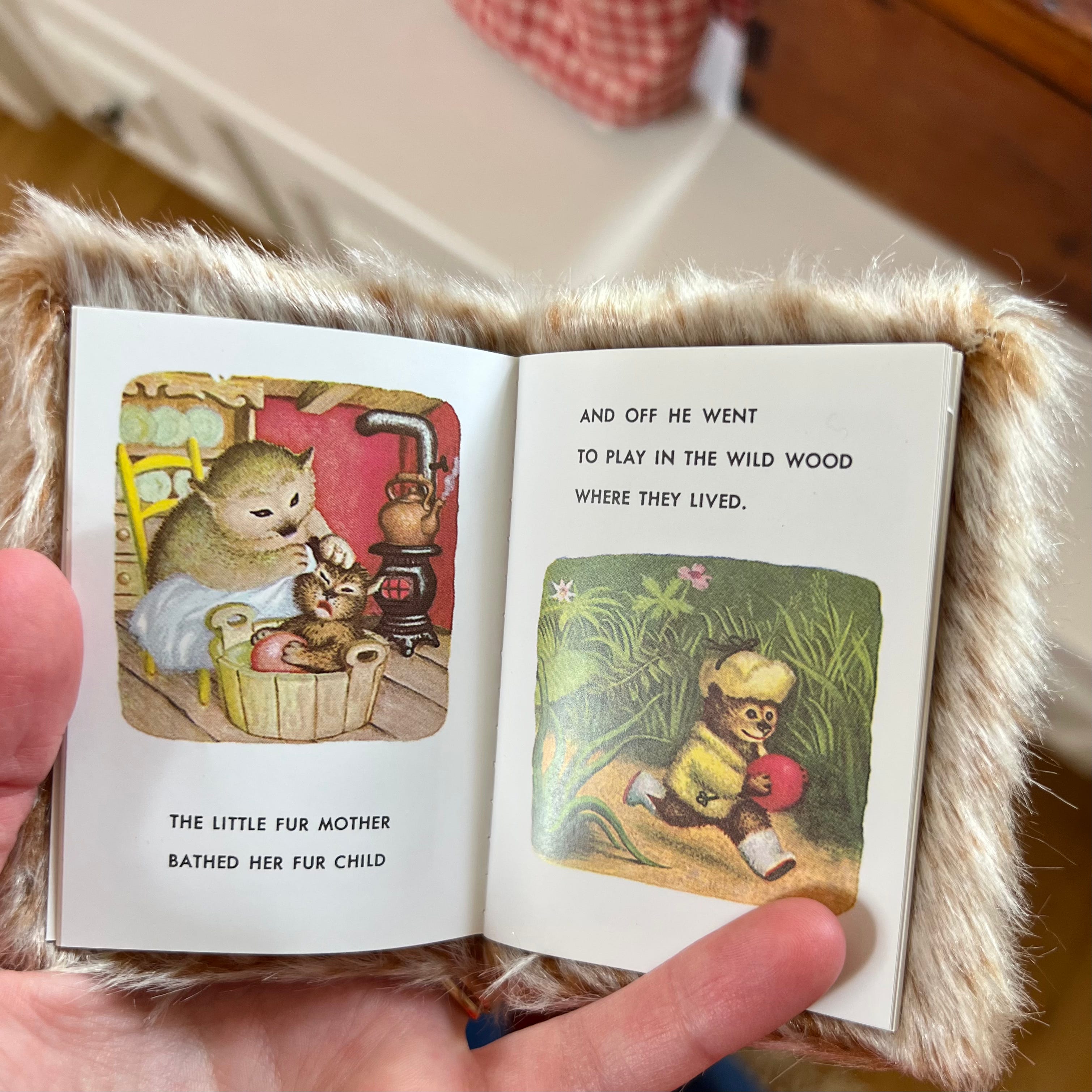
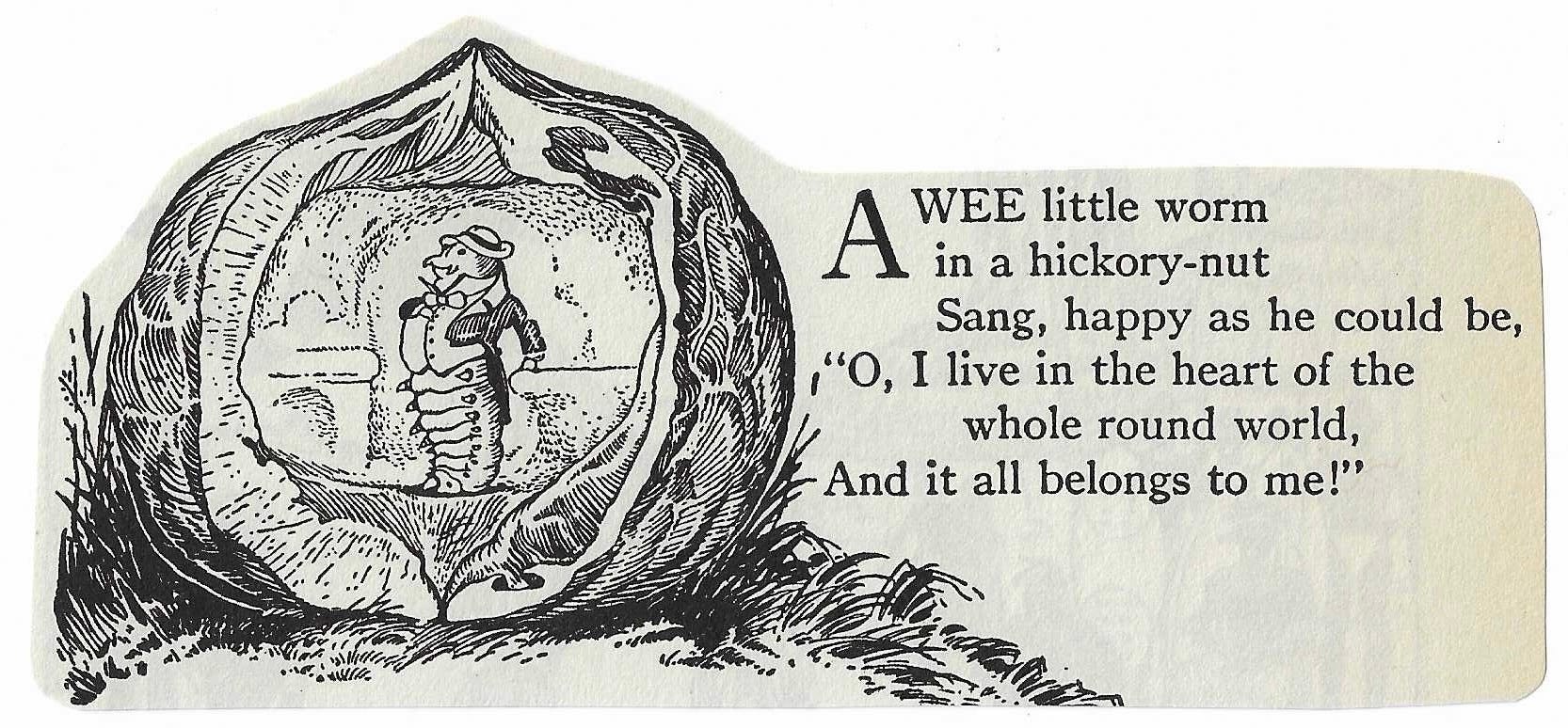
Maybe this is why we’re inclined to imagine forest animals in their tiny, cosy homes, unseen by us except in storybooks. We don’t need to witness the mouse sweeping his entryway or the owl contemplating in her tree, we just like to wonder if they might be.
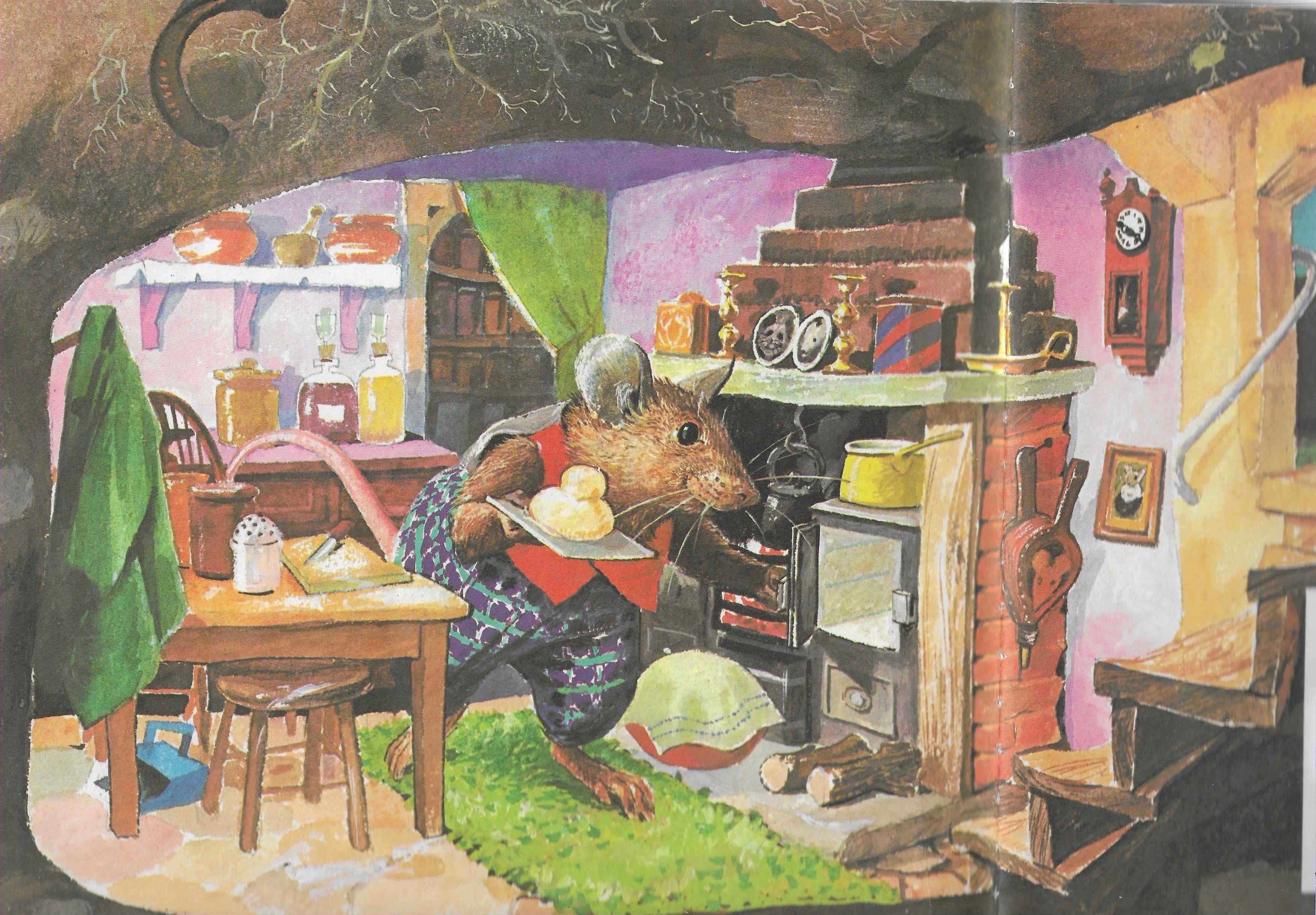
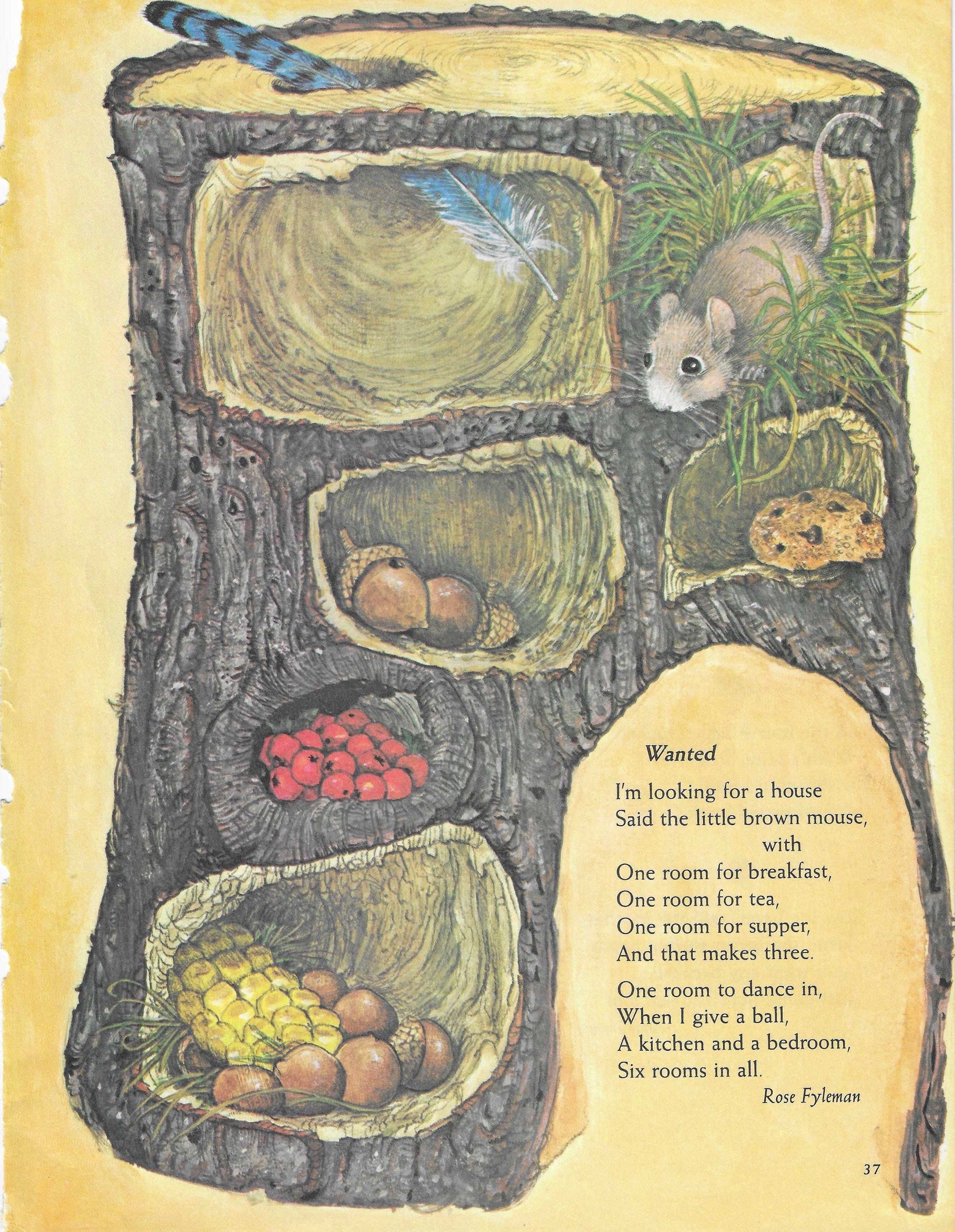
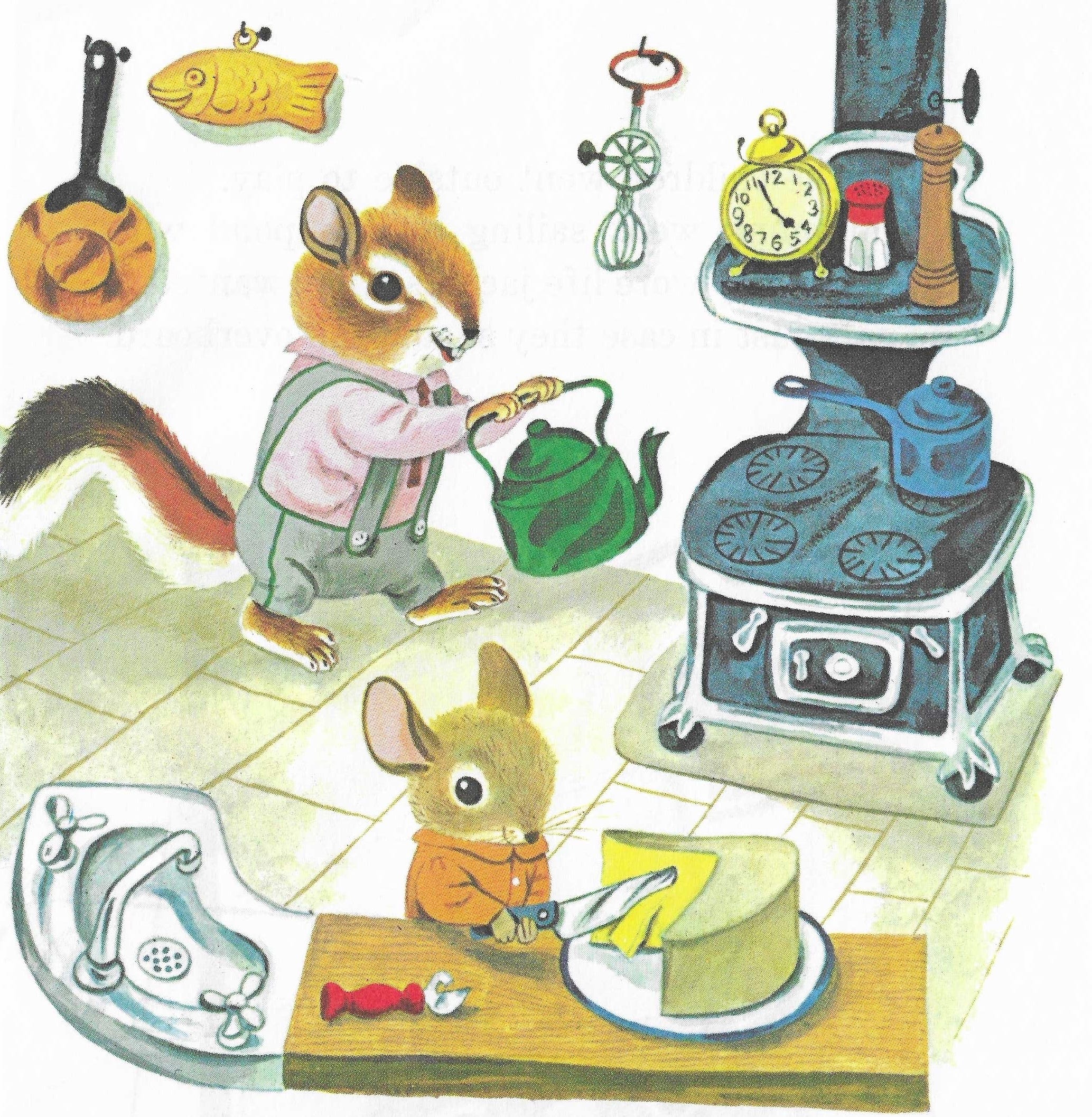
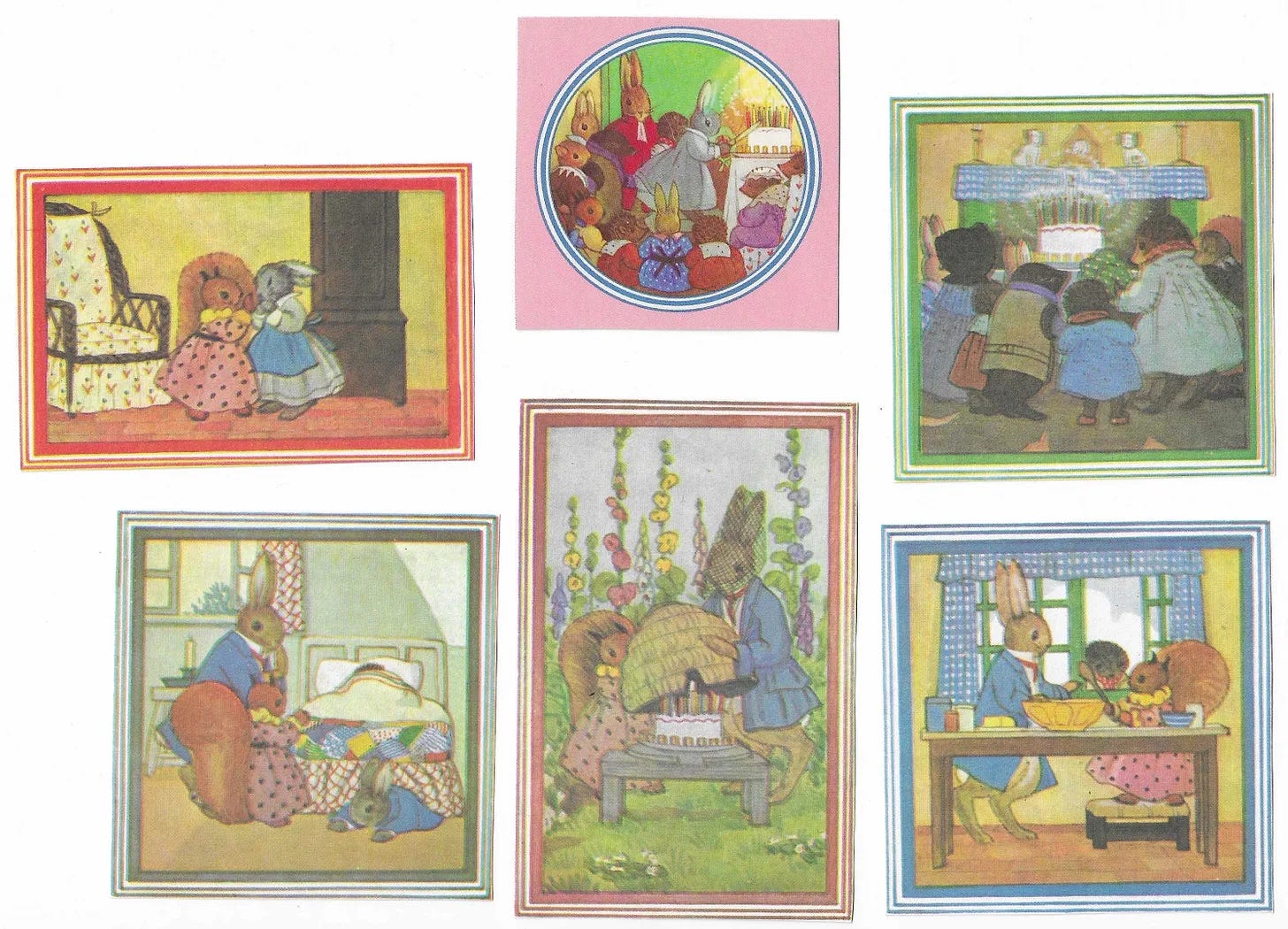
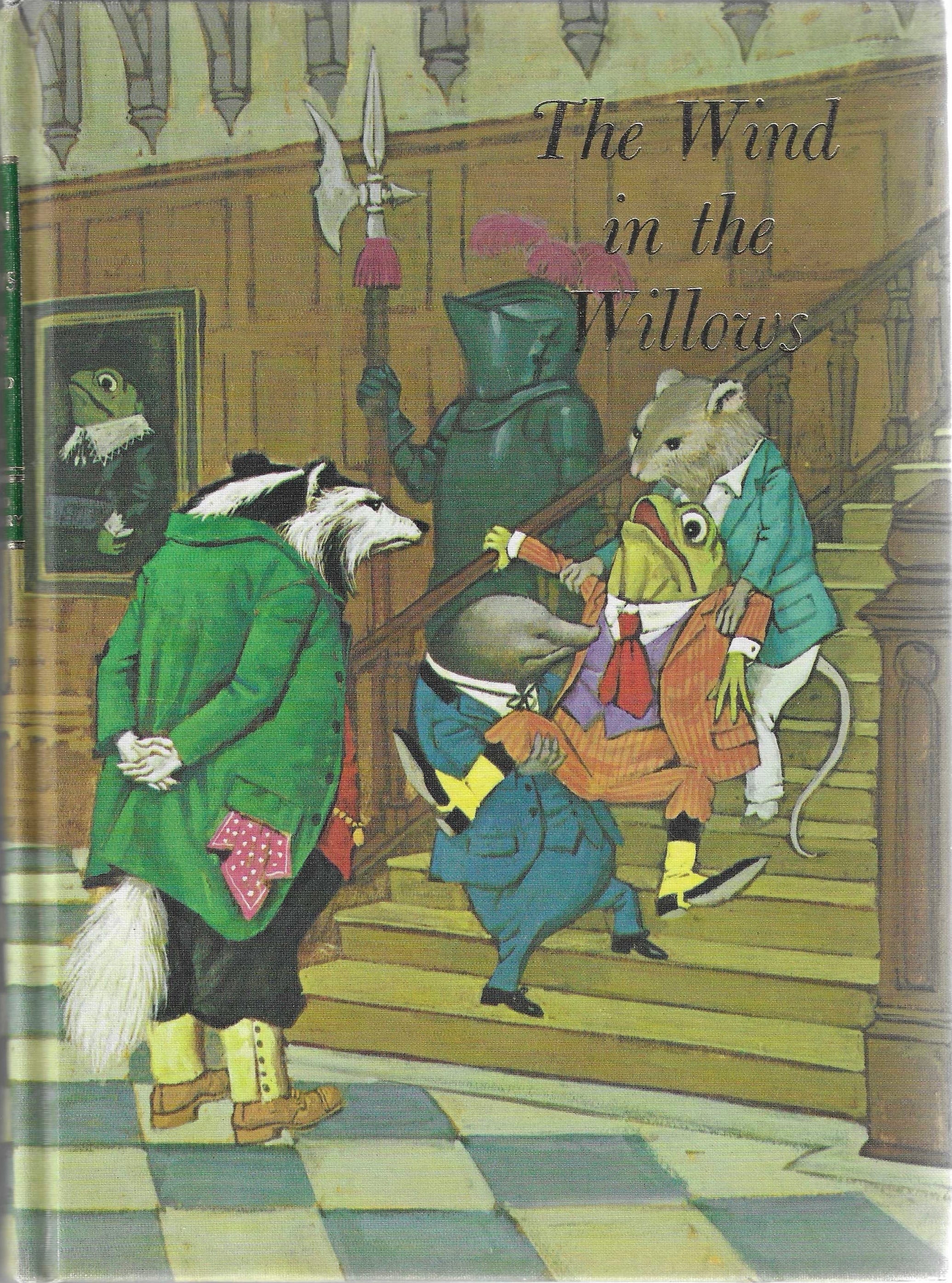
In literature forest animals are often depicted as homemakers and homebodies, dusting cobwebs or organizing the pantry, reading a book by the fire. They live very material lives - gathering, making, eating.
A list of food and drink consumed in the opening pages of Redwall says it all: white gooseberry wine, rosemary, thyme, beechnuts, honey, fresh cream, mint leaves, candied chestnuts, acorn crunch, cheddar cheese, tender freshwater shrimp garnished with cream and rose leaves, deviled barley pearls in acorn puree, marinated cabbage stalks steeped in a creamed white turnip with nutmeg.
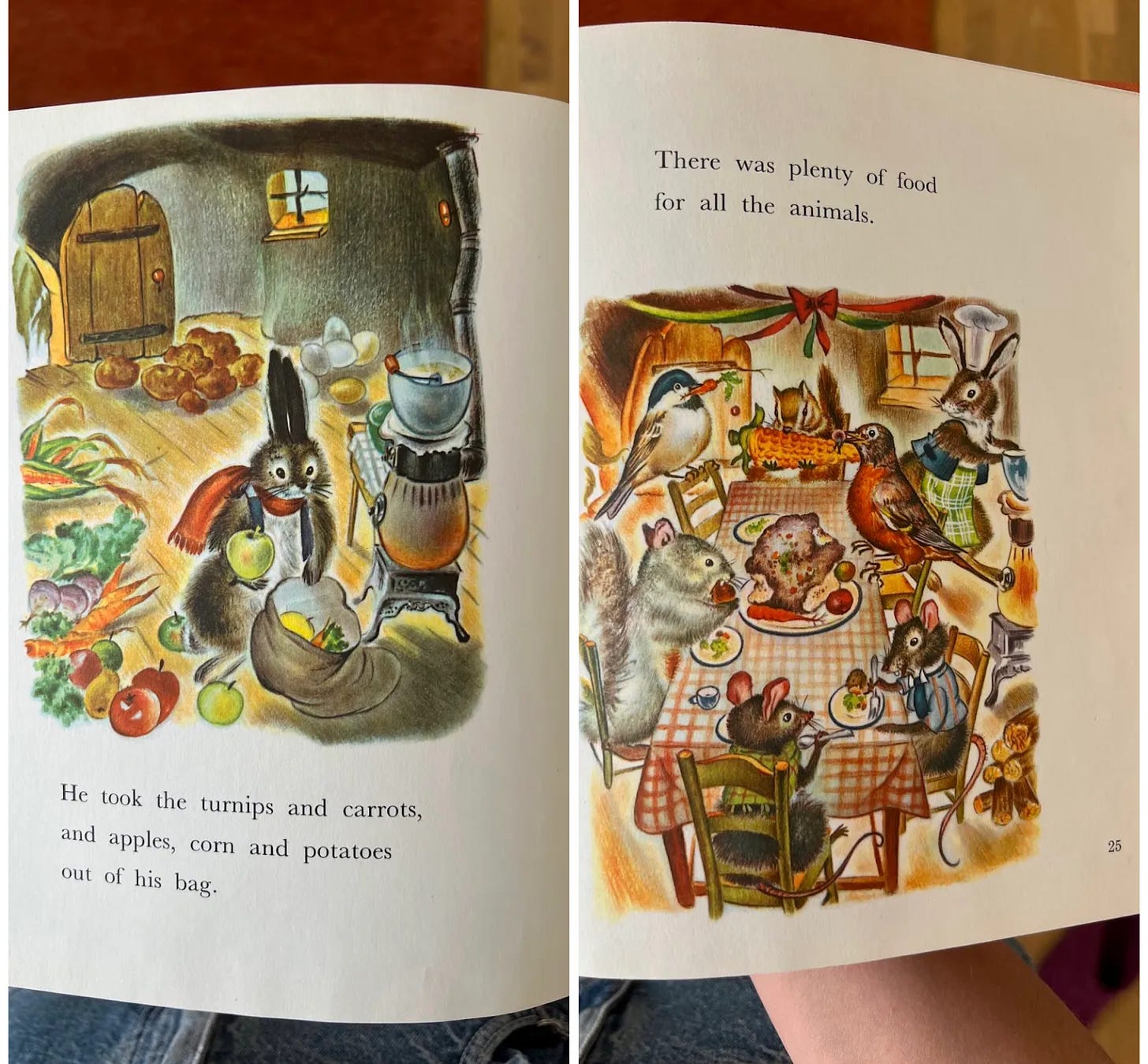
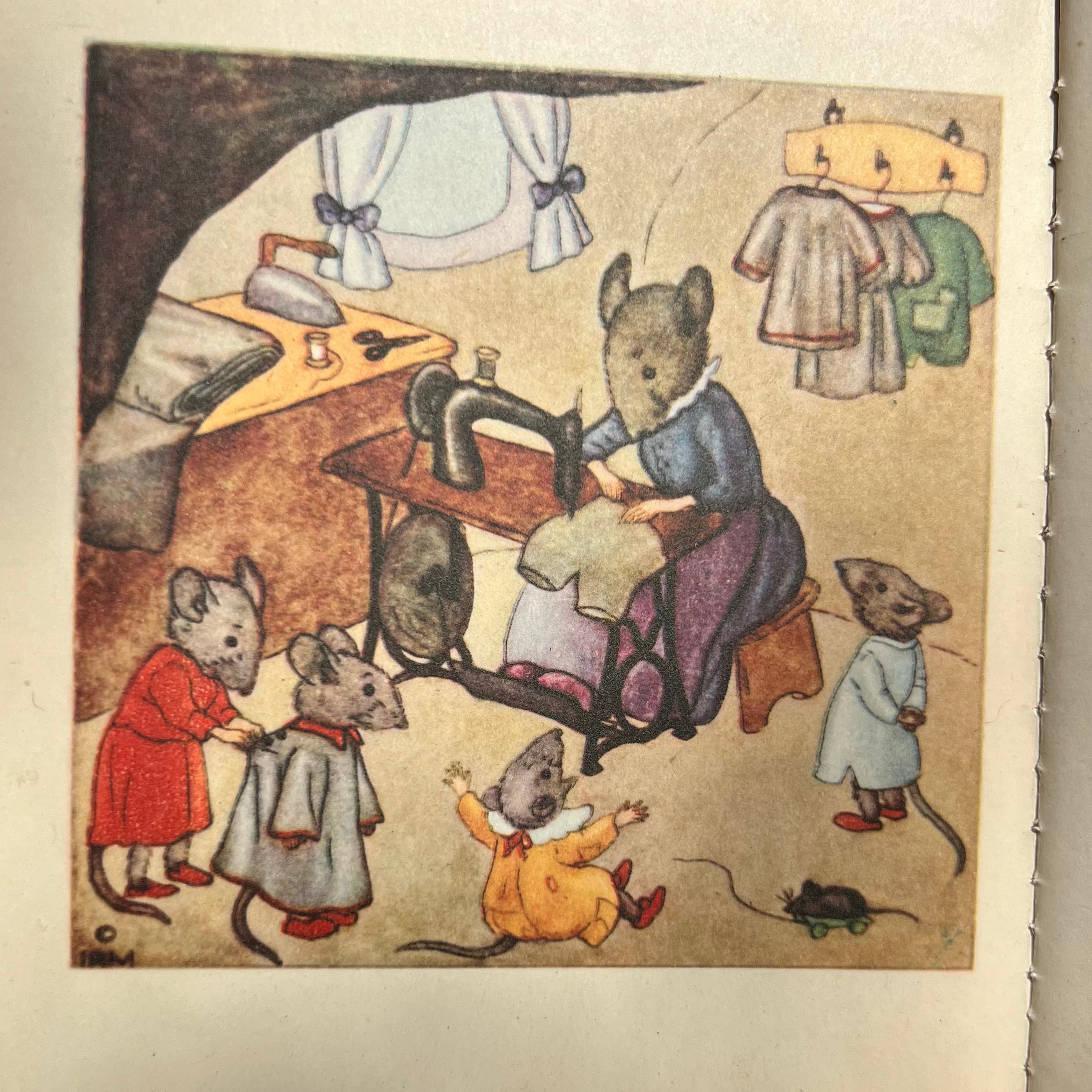
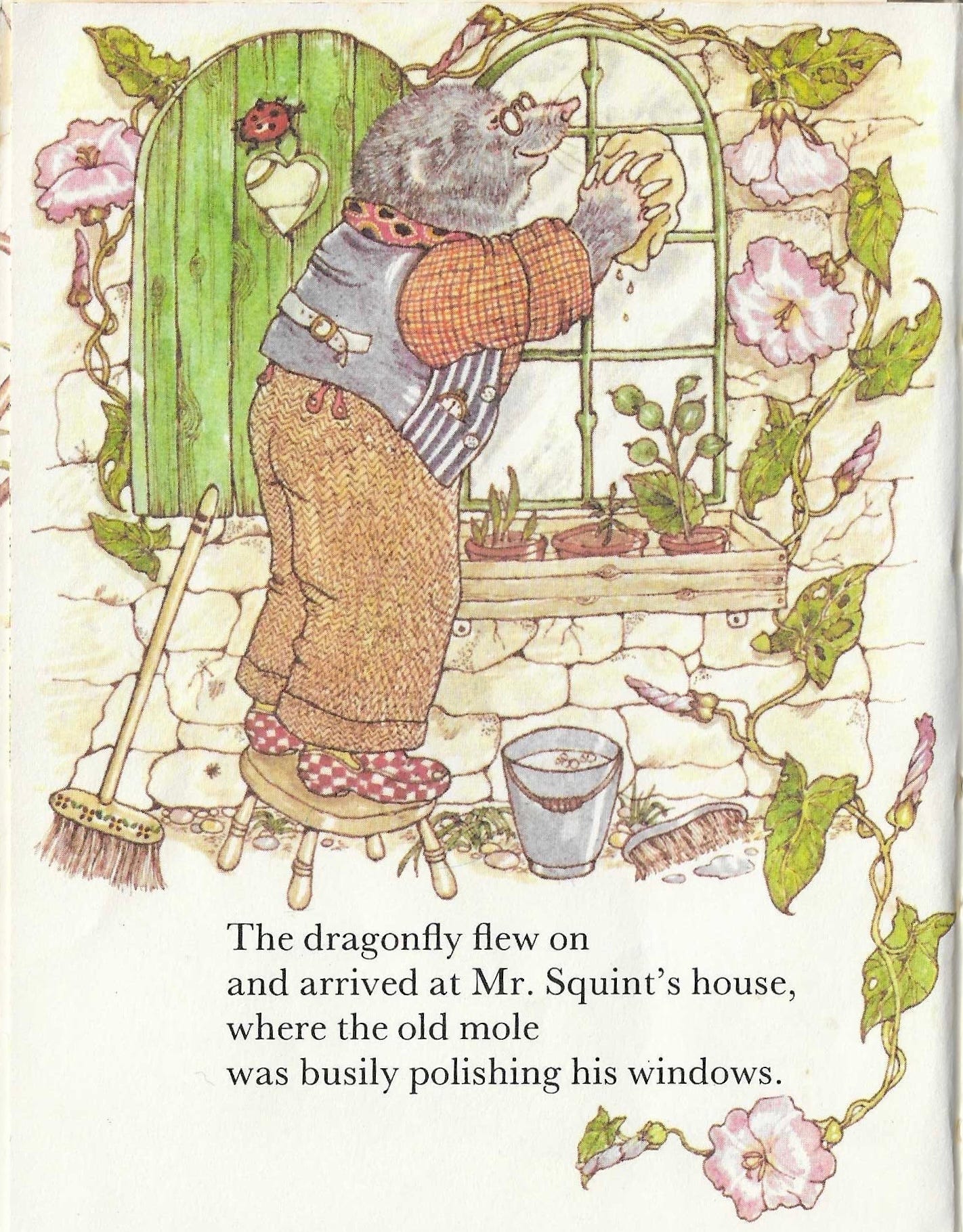
The industrial revolution did not spread to the forest, gratefully (except maybe in the form of wood-burning stoves). There are bedside candles, garden-to-table dinners, and homemade clothes.
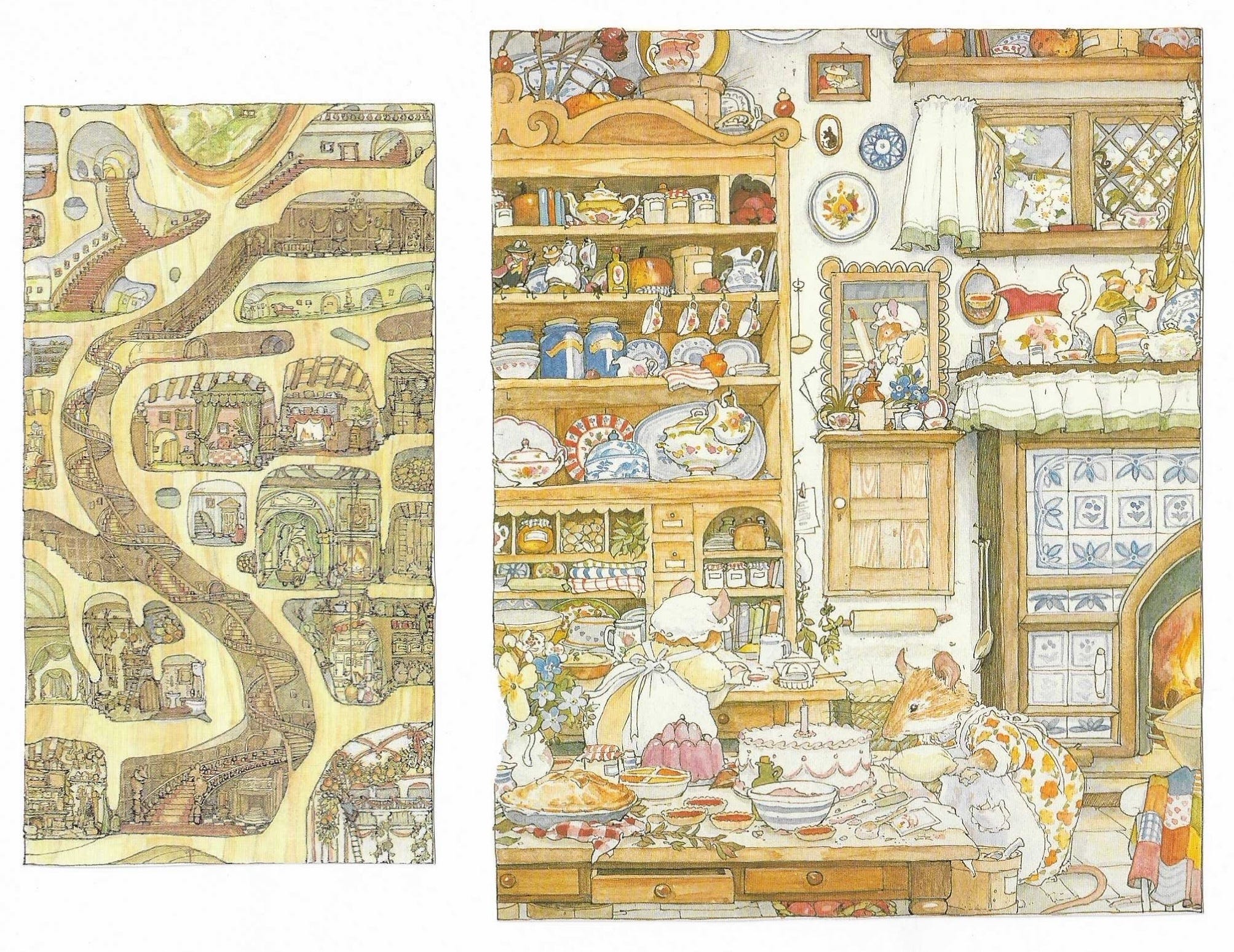
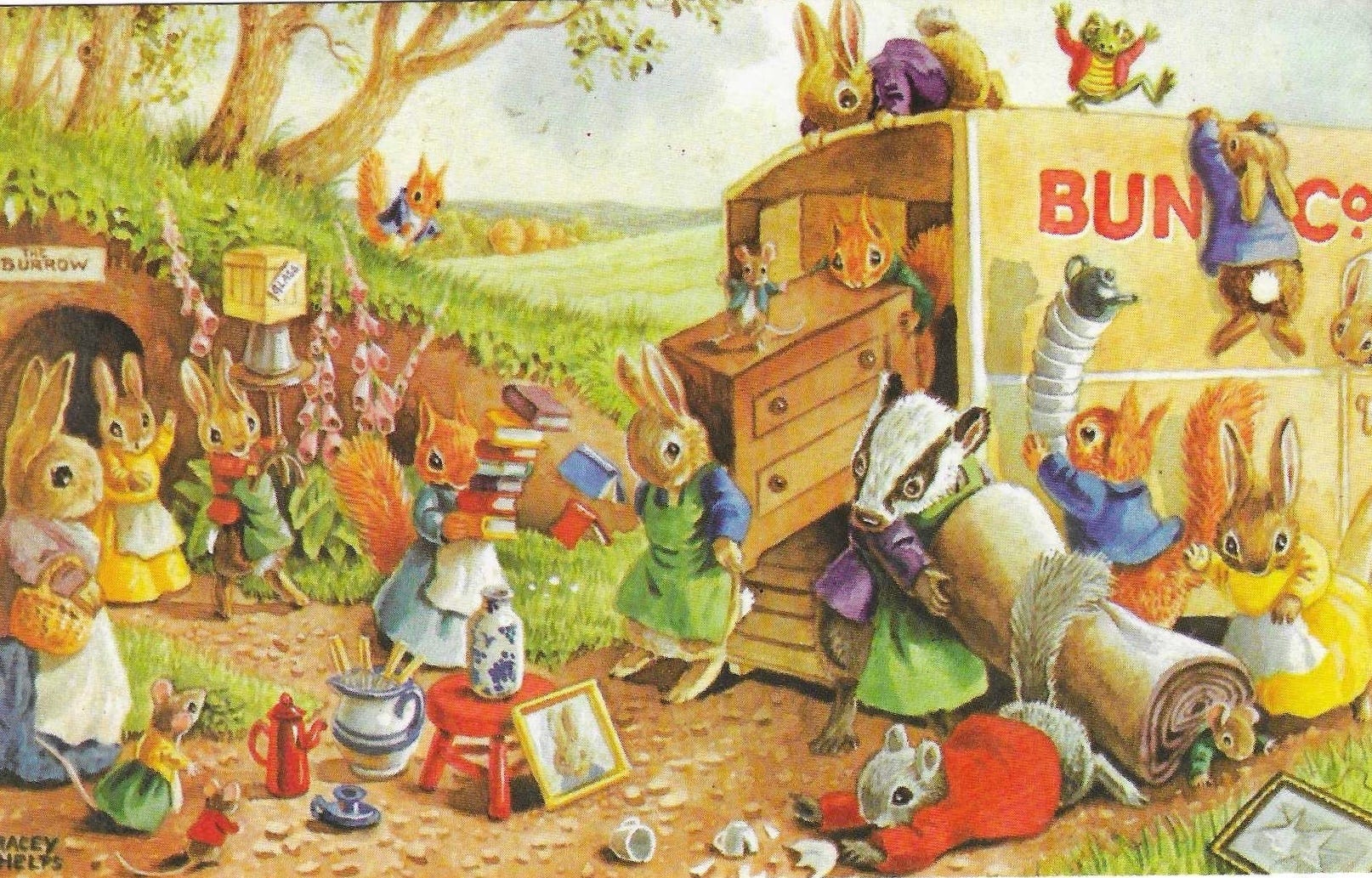
There is plenty of time for leisure, though conflict between the busybody vs. the fun-seeker is common. Rabbit and Pooh Bear in Hundred Acre Wood, for example.
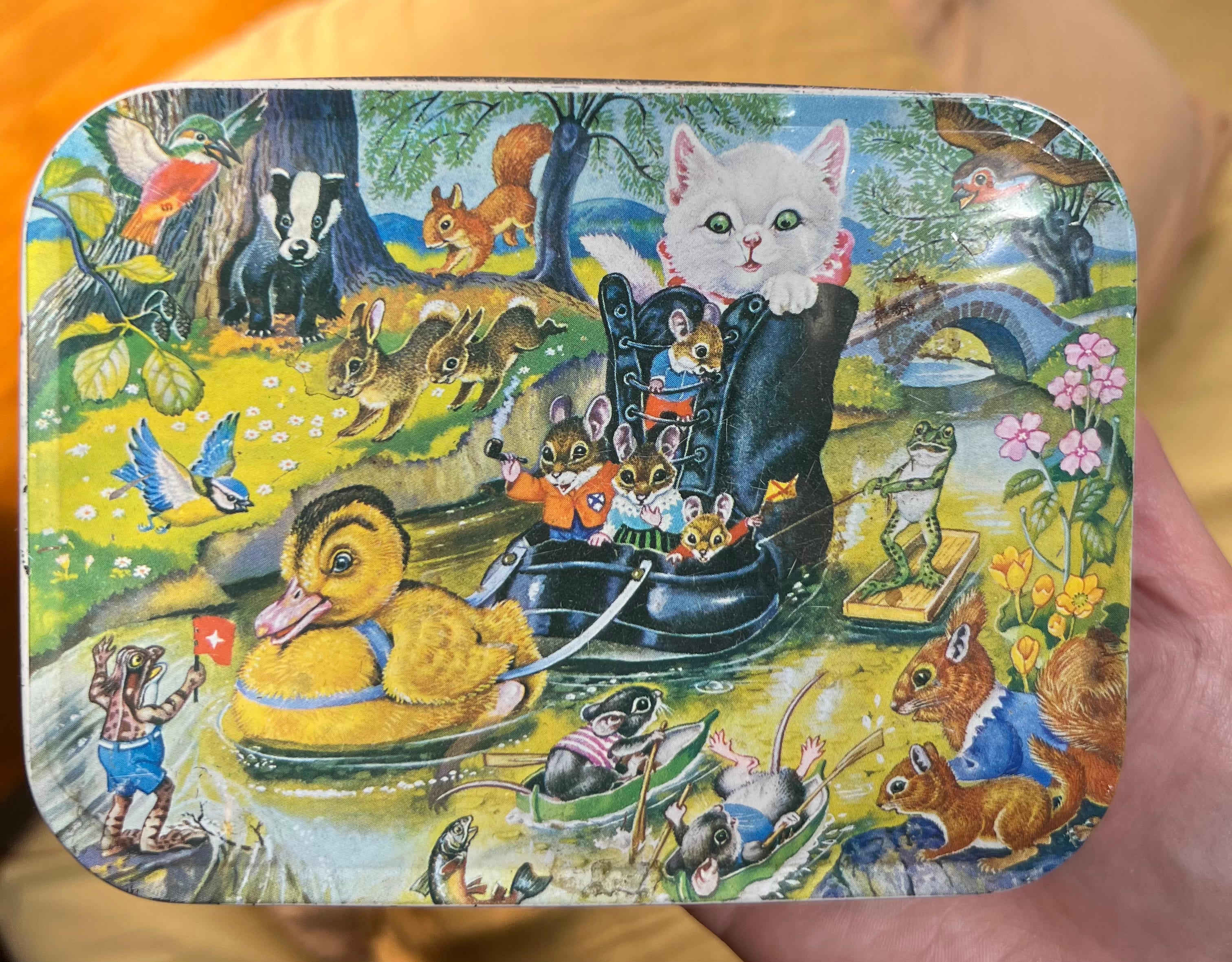
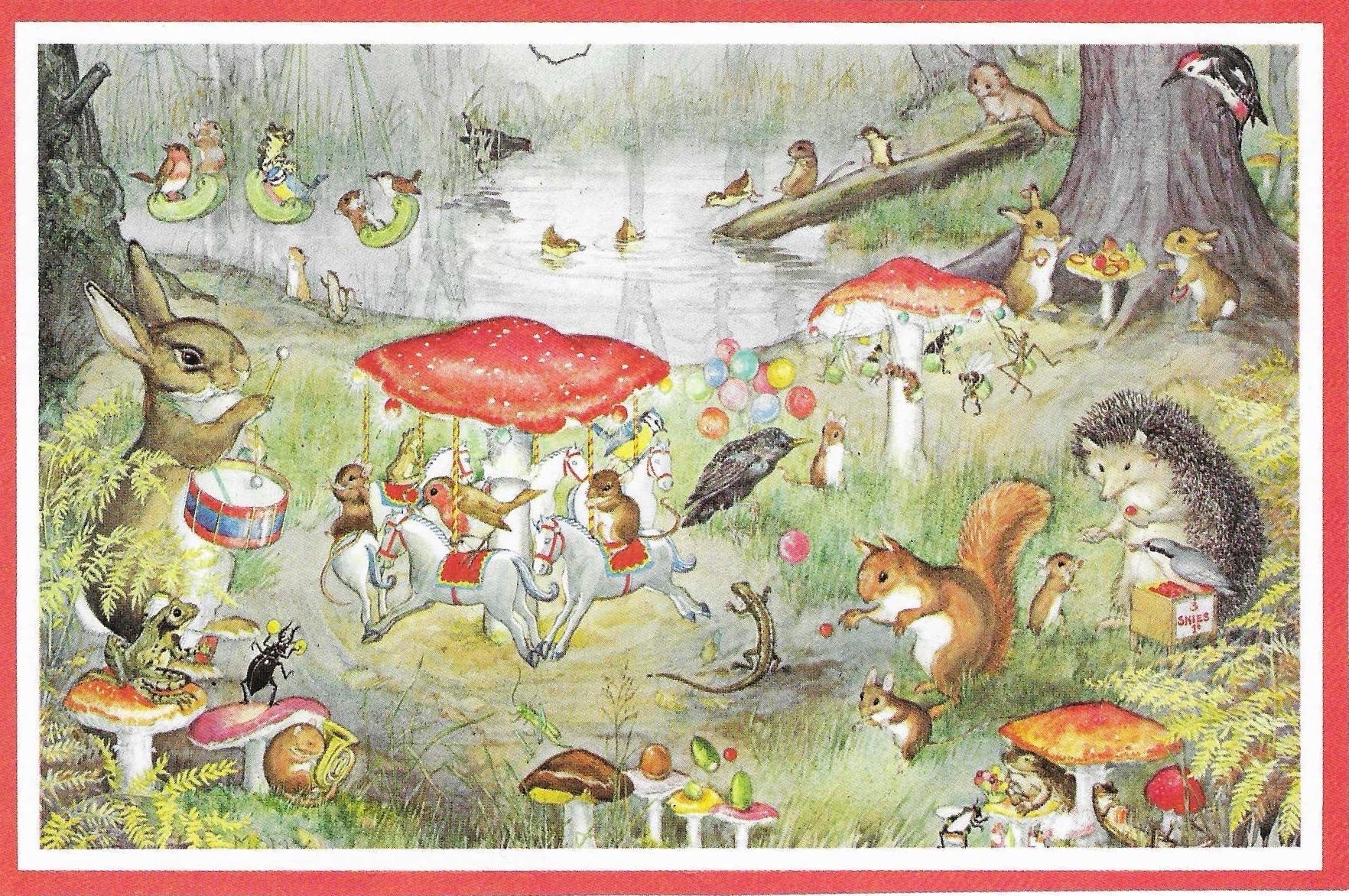
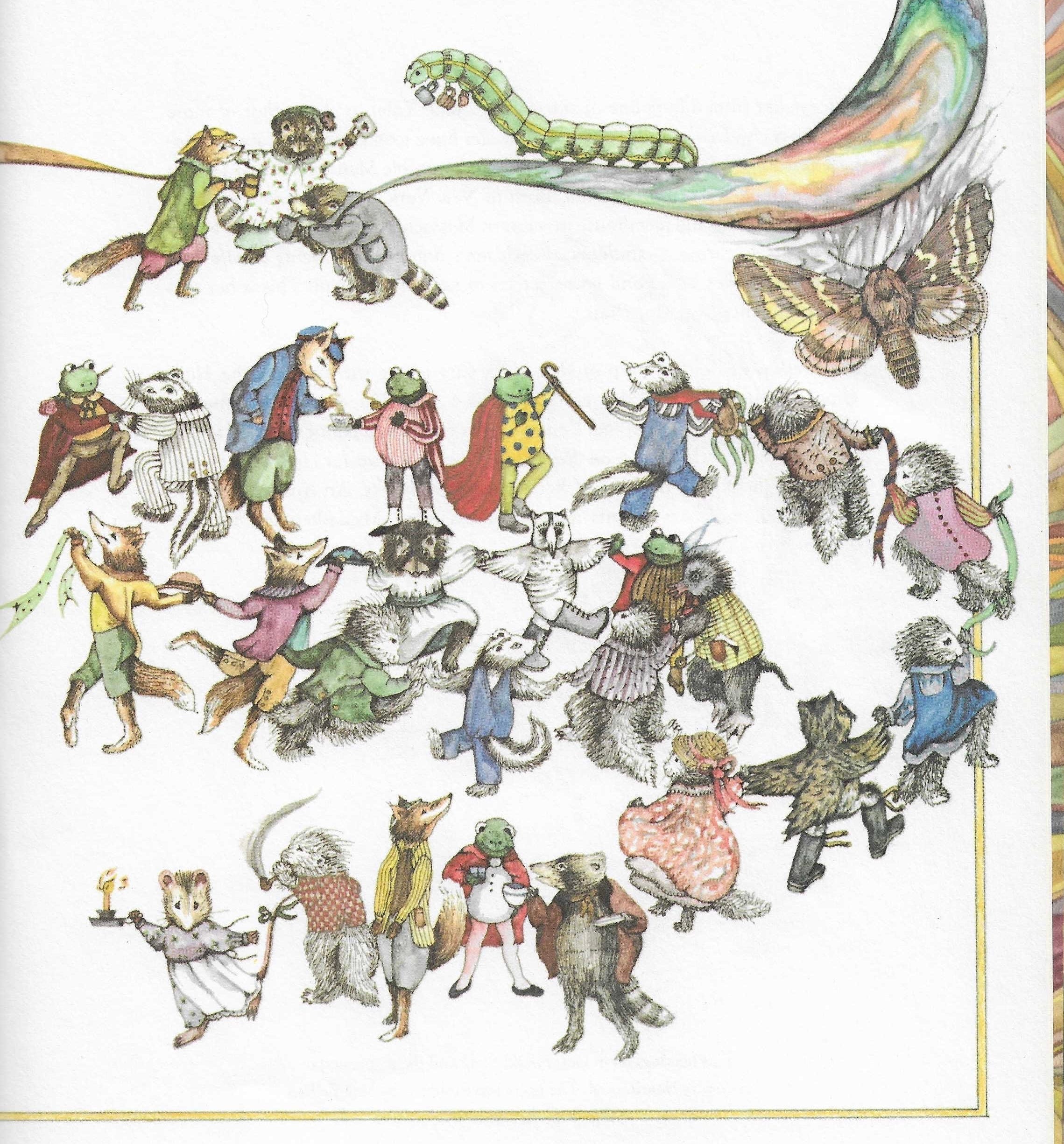
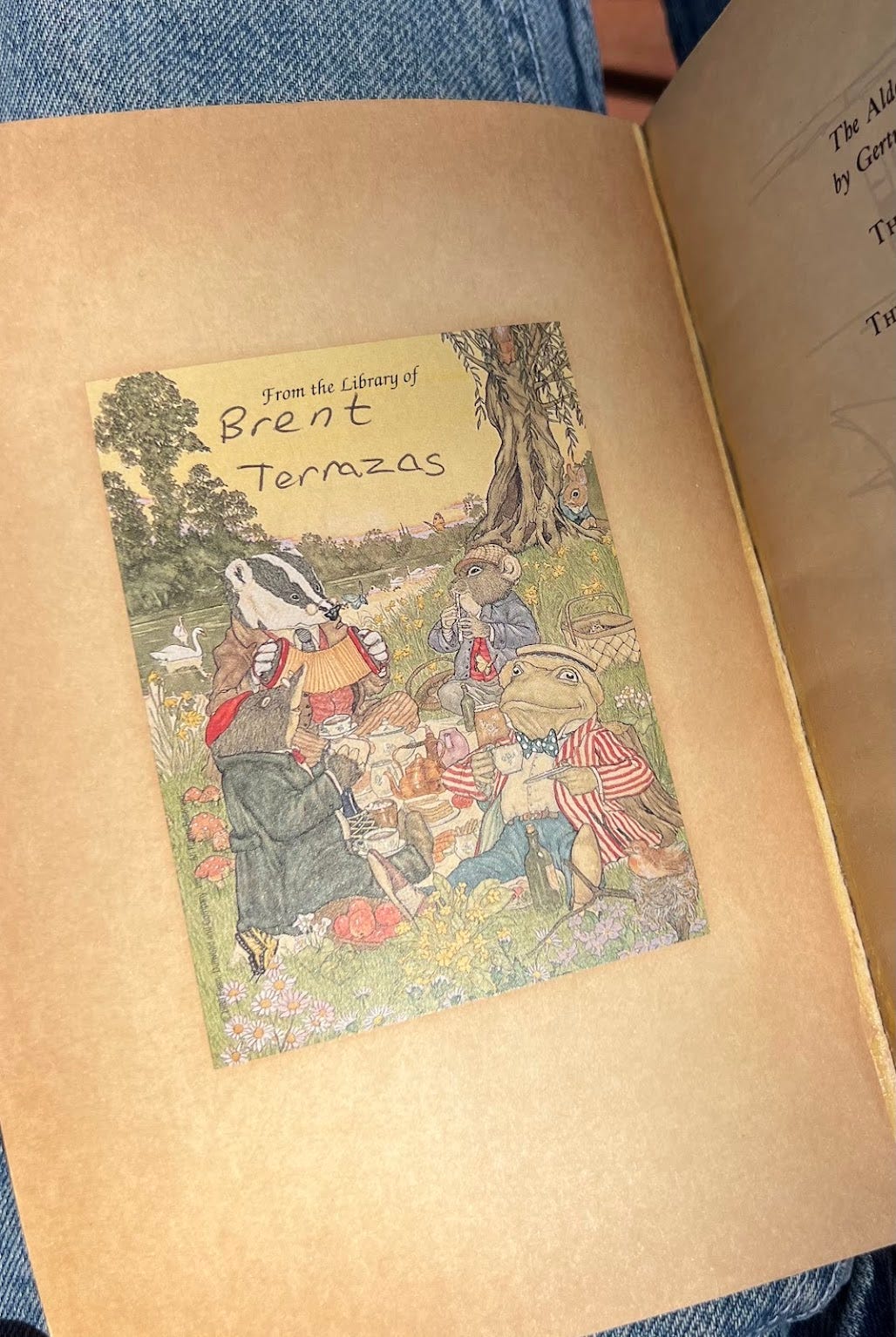
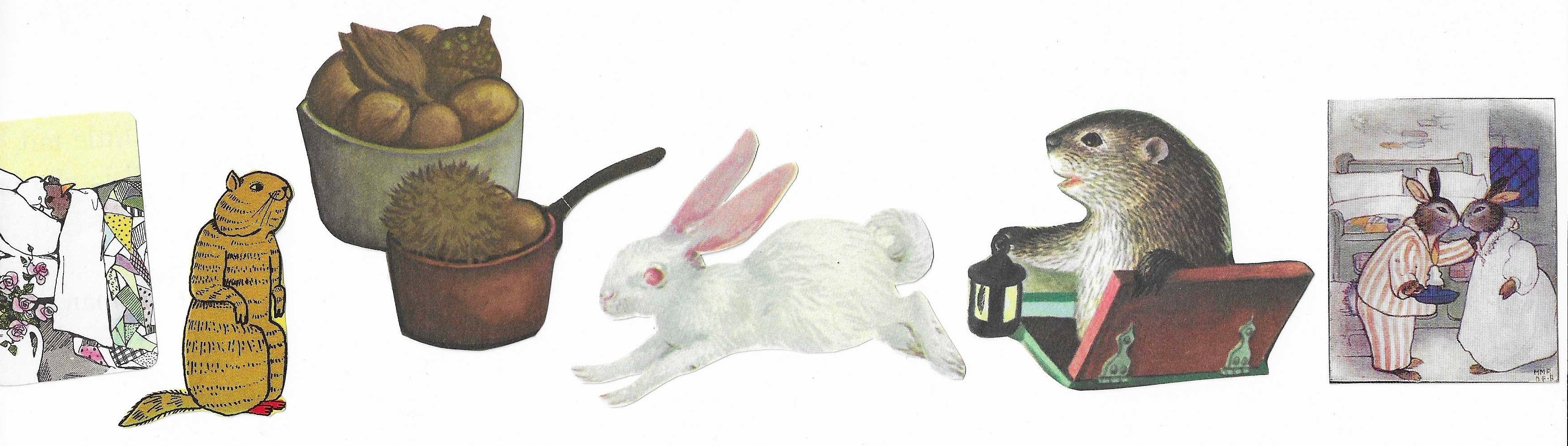
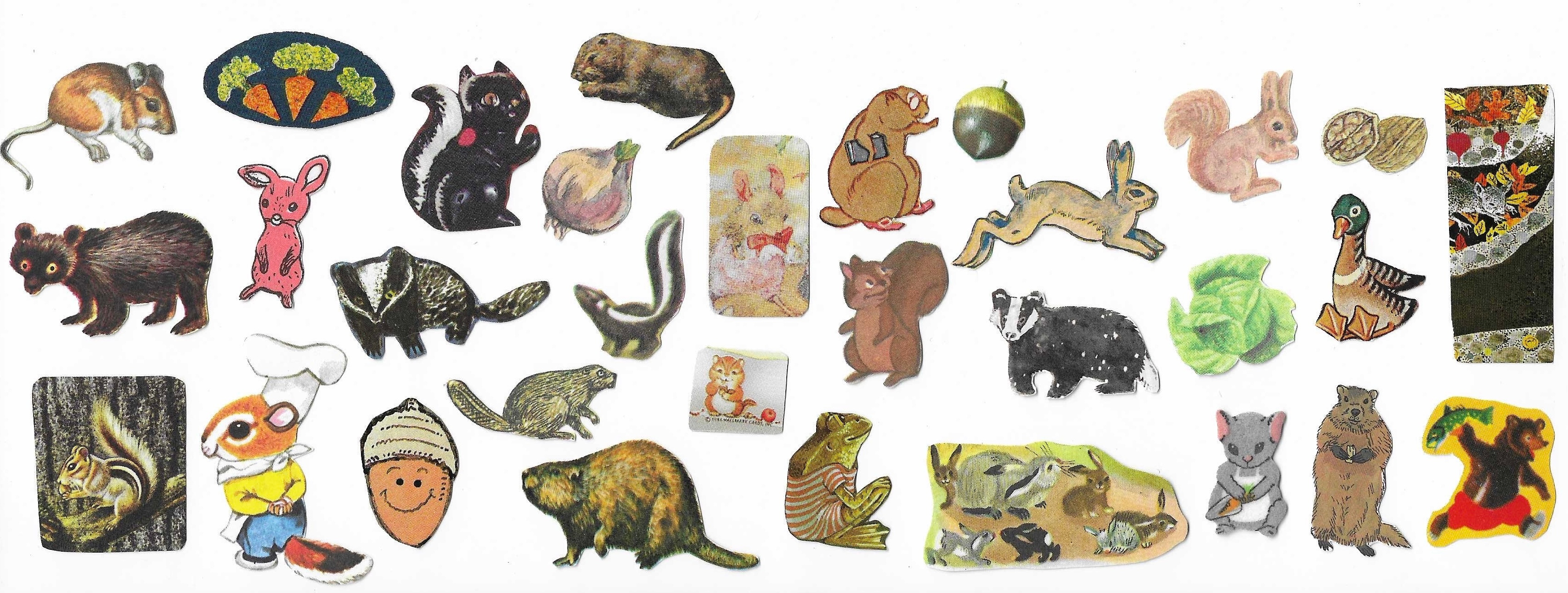
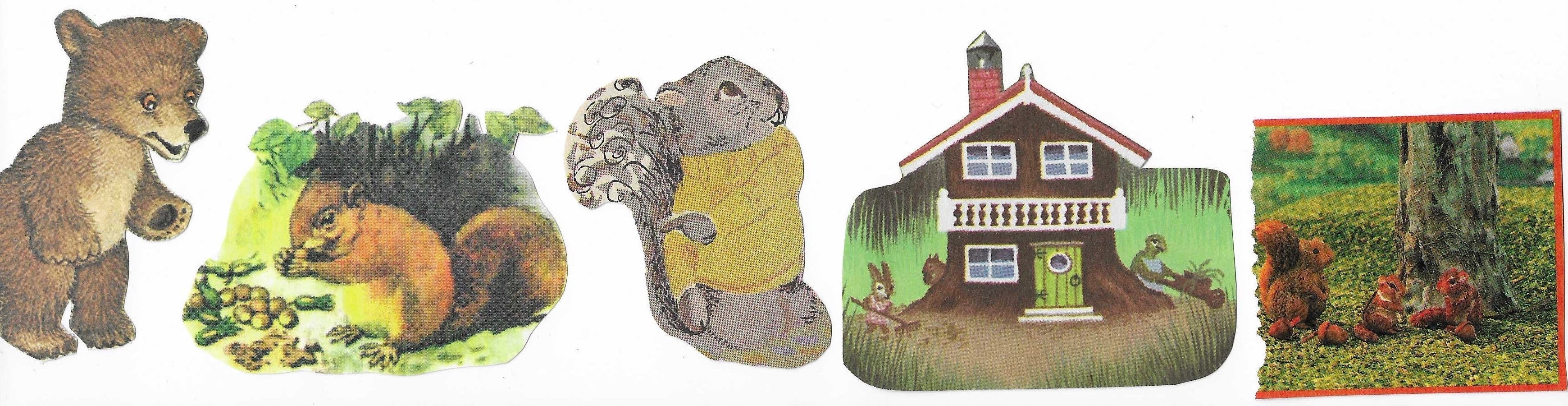
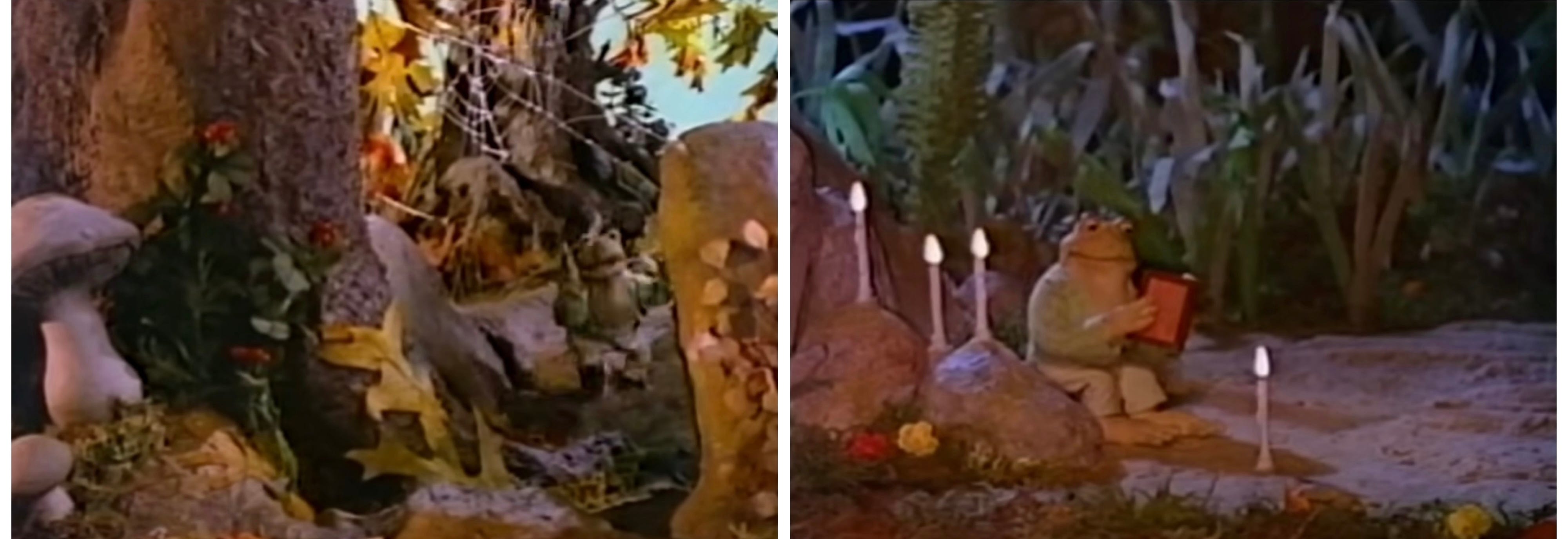
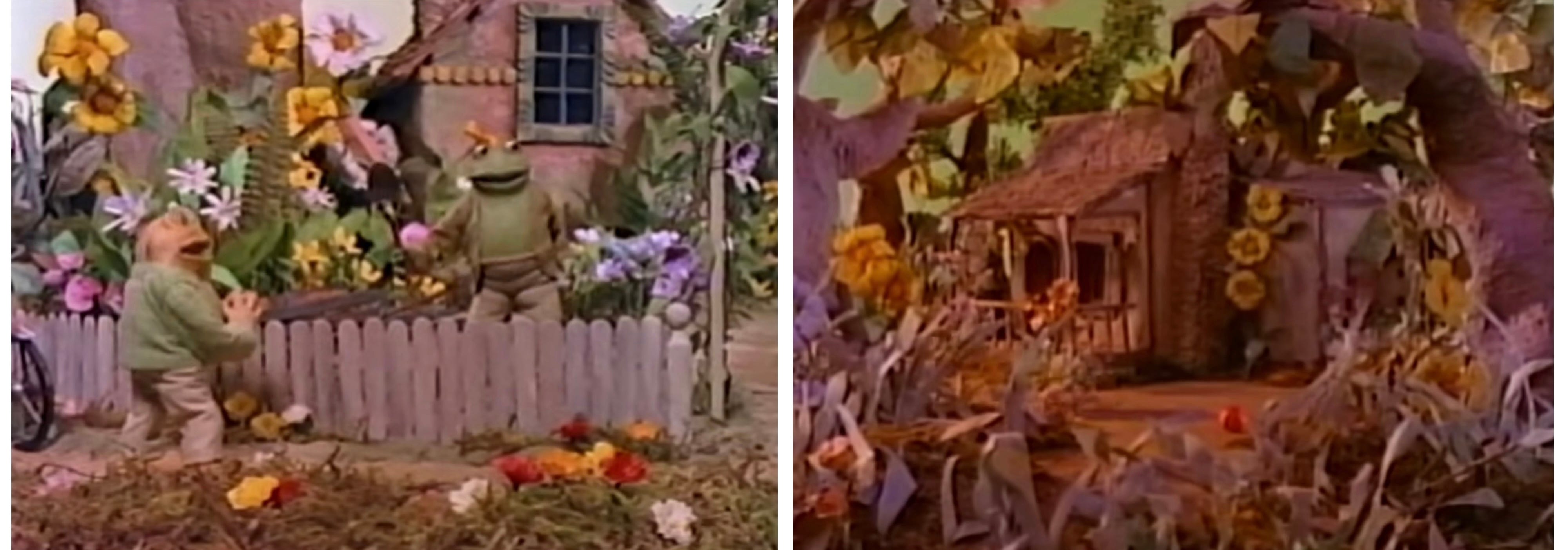
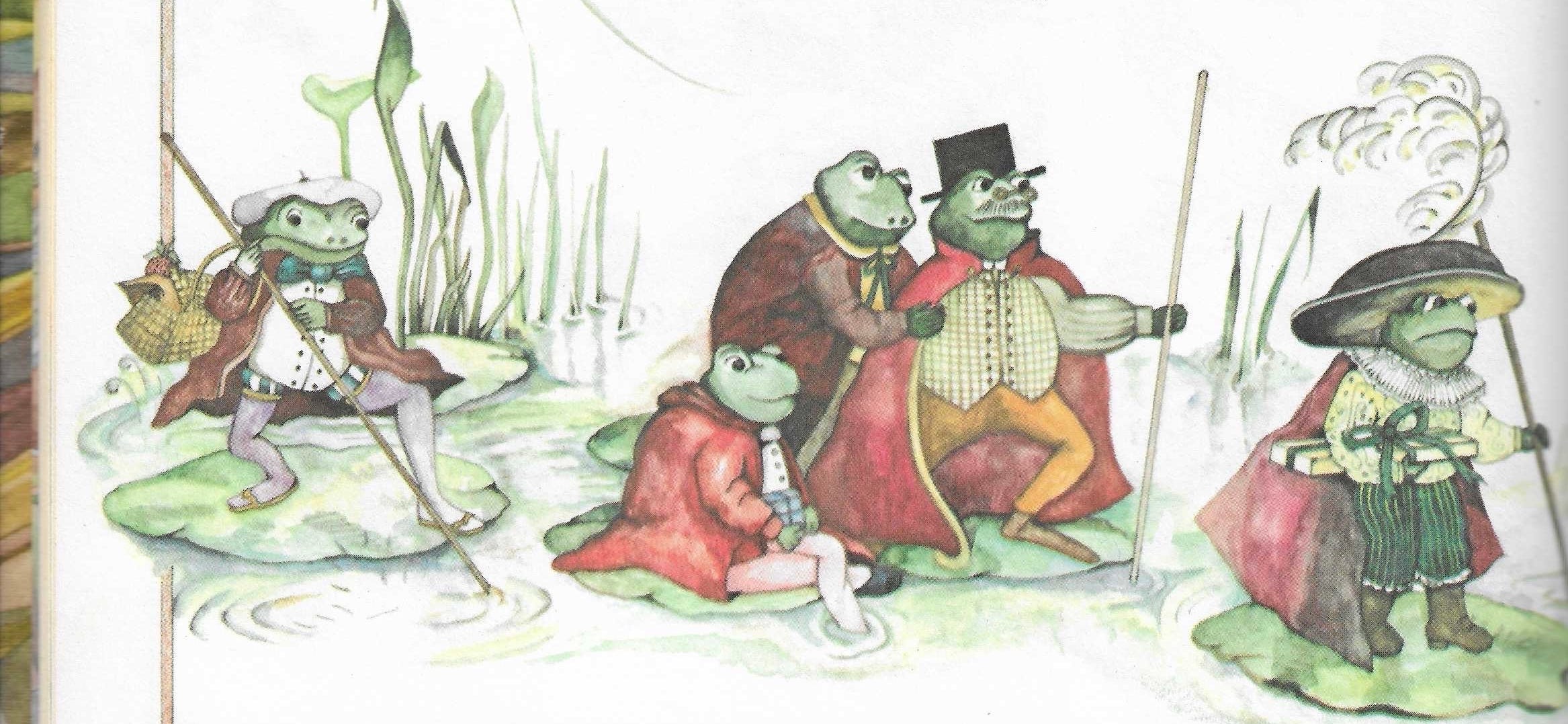
There is a treasure trove of stop motion films from the '70s and '80s of all our favorite forest ensembles: Brambly Hedge, Frog and Toad, Peter Rabbit.


Plus very much not a stop-motion, sent to me by Morgan this week: an incredible performance of the Tales of Beatrix Potter by The Royal Ballet. The set is to die for - we’ll make the kids watch with us every spring.
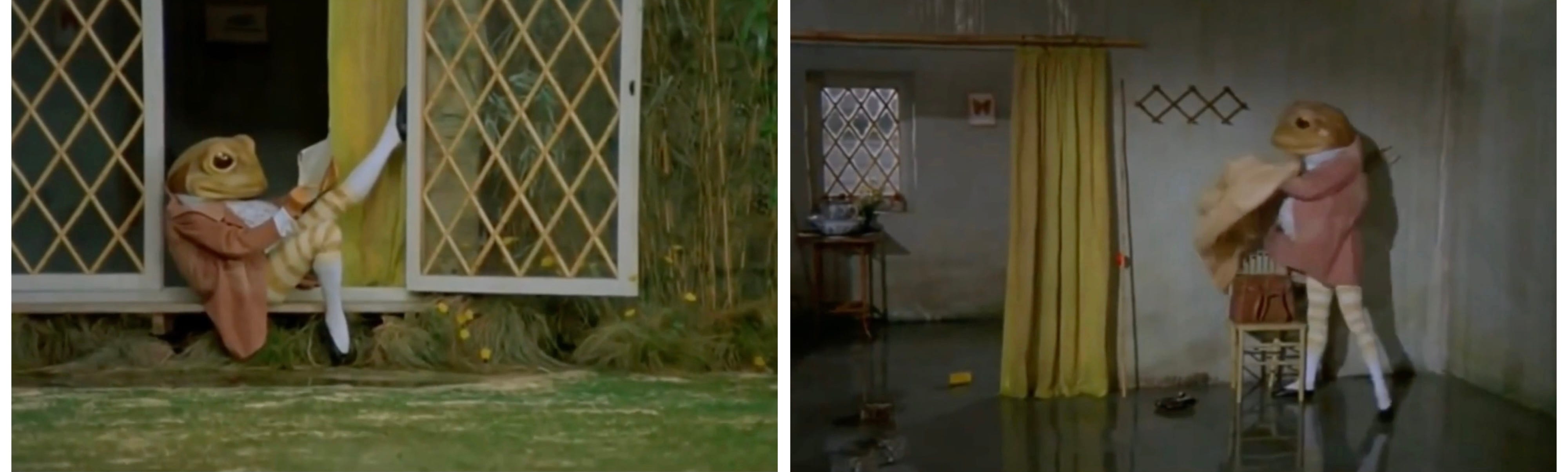
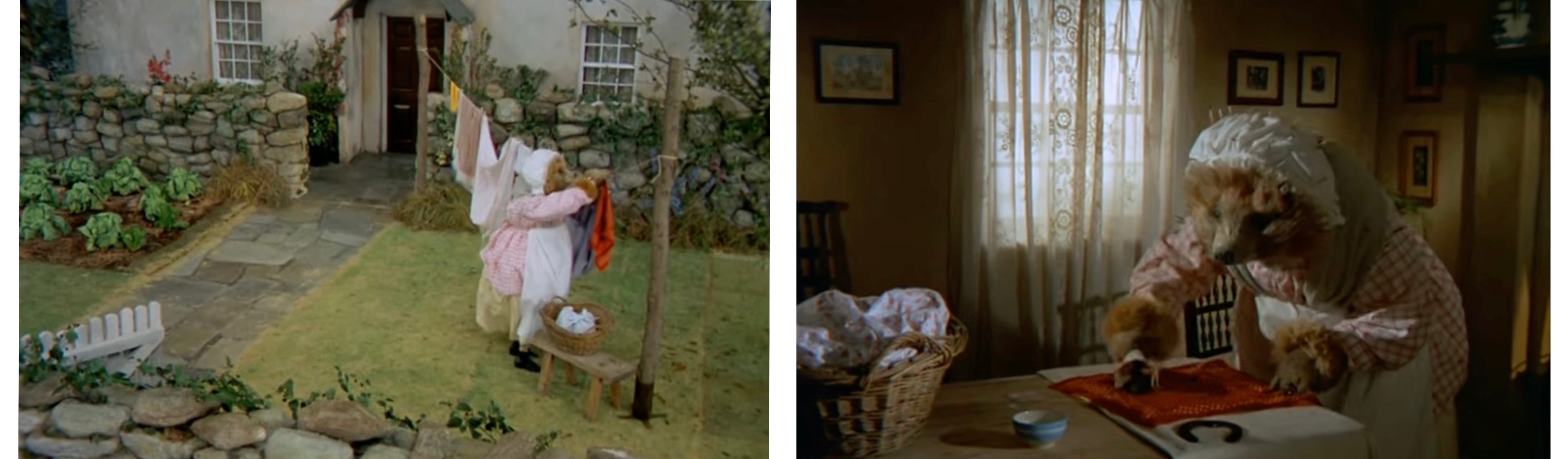
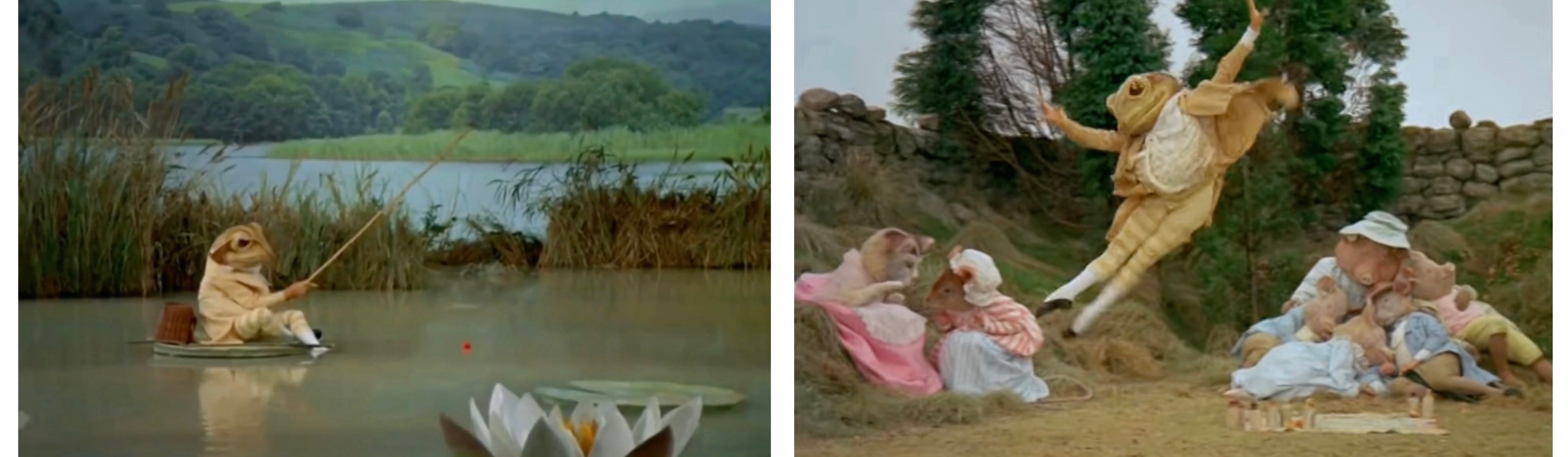
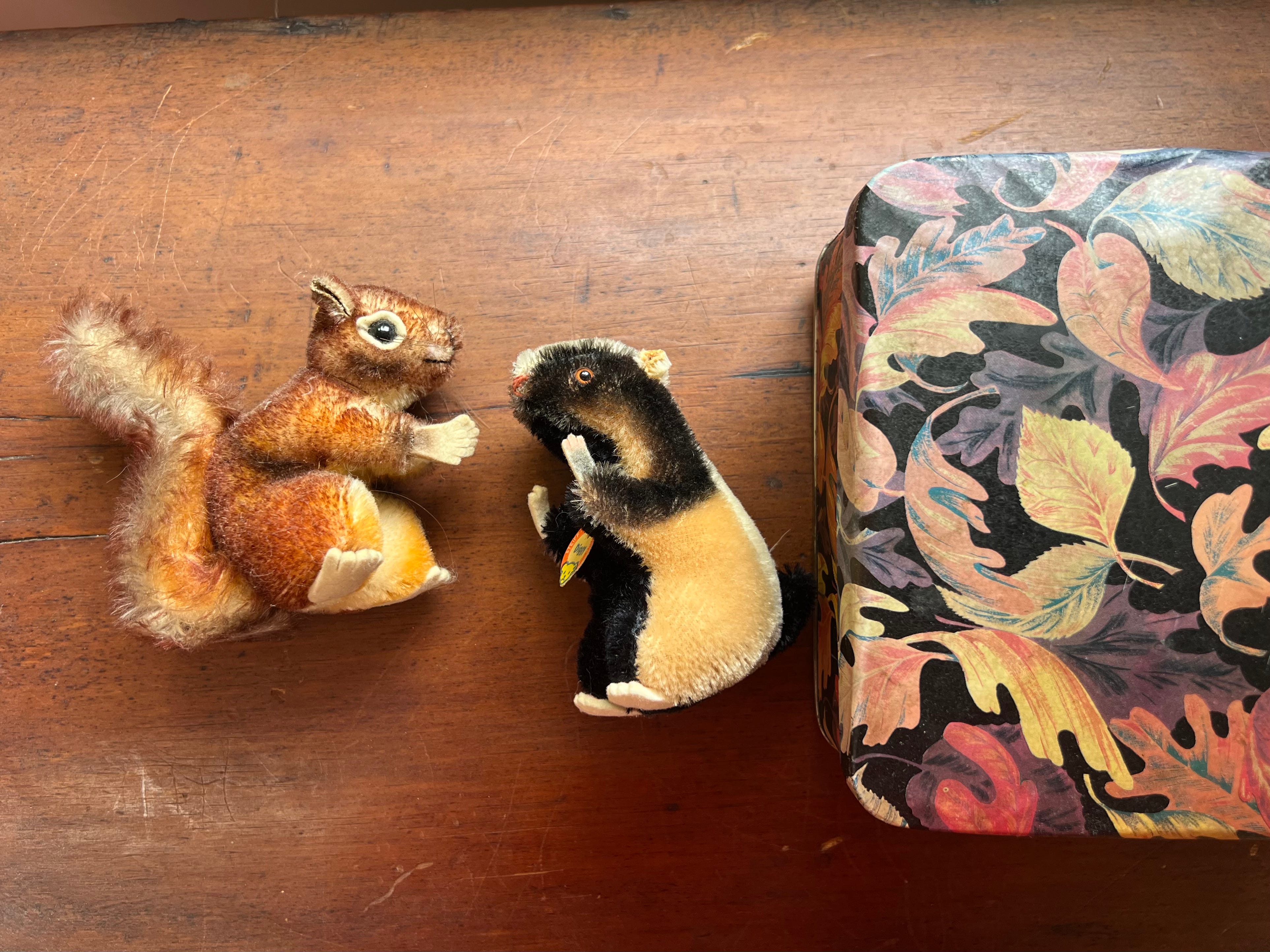
The ballet reminds us that it’s an animal’s patterns of movement that often decide their storybook personalities: mice are timid because they scamper, moles are shy because they burrow, the skunk’s tail wag makes it sassy.




A favorite memory from our recent camping trip to Big Sur: at twilight our second night we decided to move our tent to a much quieter, cozier area (the previous night we had been invaded by college students). I was setting up all our sleeping bags and laying out our pajamas alone in the tent, and just as the fading light was making everything too fuzzy to see, an owl began hooting in the tree right above me.
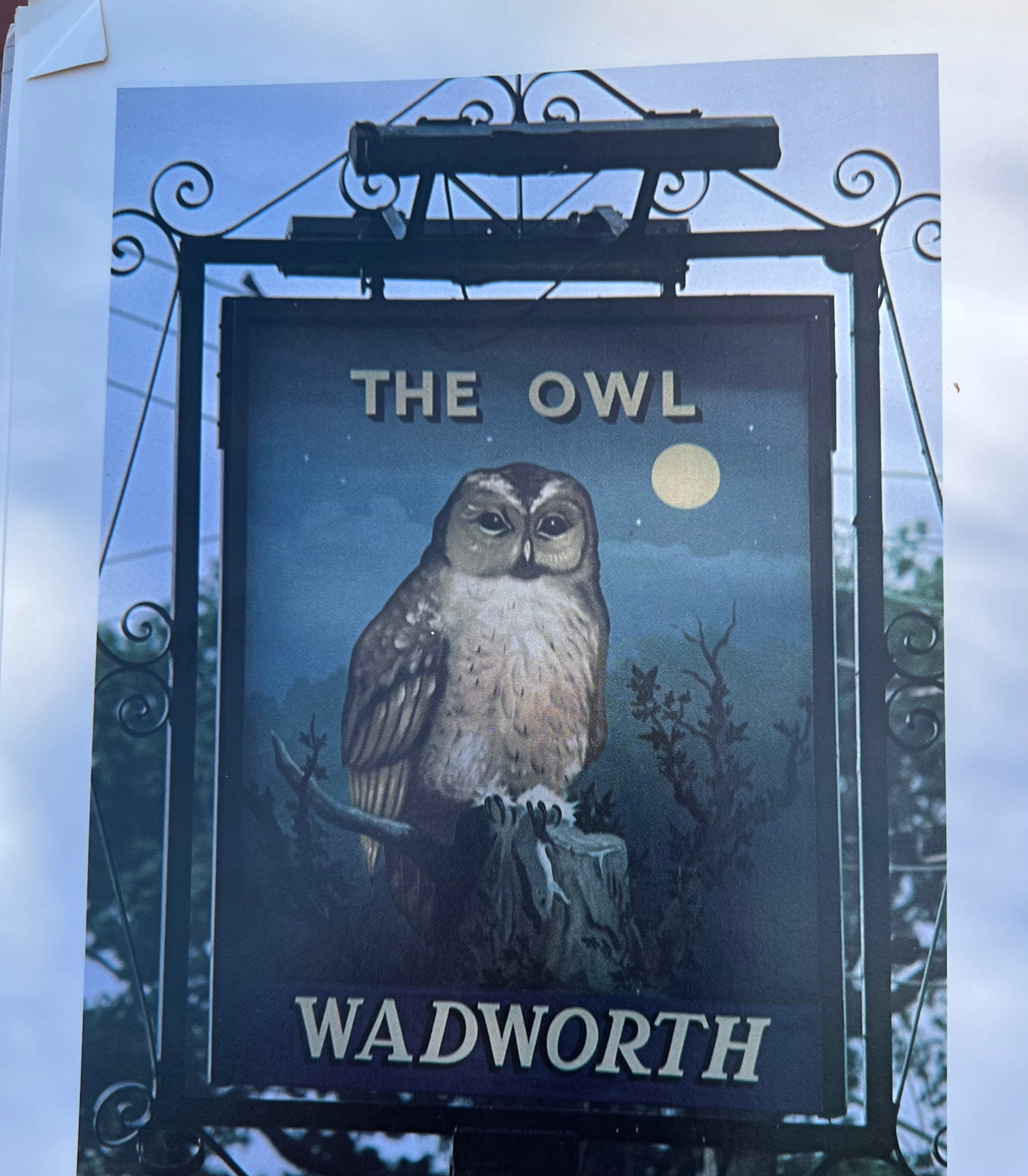
Sometimes called a hoot, sometimes a screech, and sometimes a wail, many cultures associate the noise of an owl with impending doom, usually a premature death.
I can only assume owl sounds vary greatly because I don’t know how anyone in their right mind could associate death with the heavenly hoot of the owls I’ve heard - to me it sounds like being rocked to sleep on a boat. (On second thought… maybe that’s not as far from death as I was thinking.)
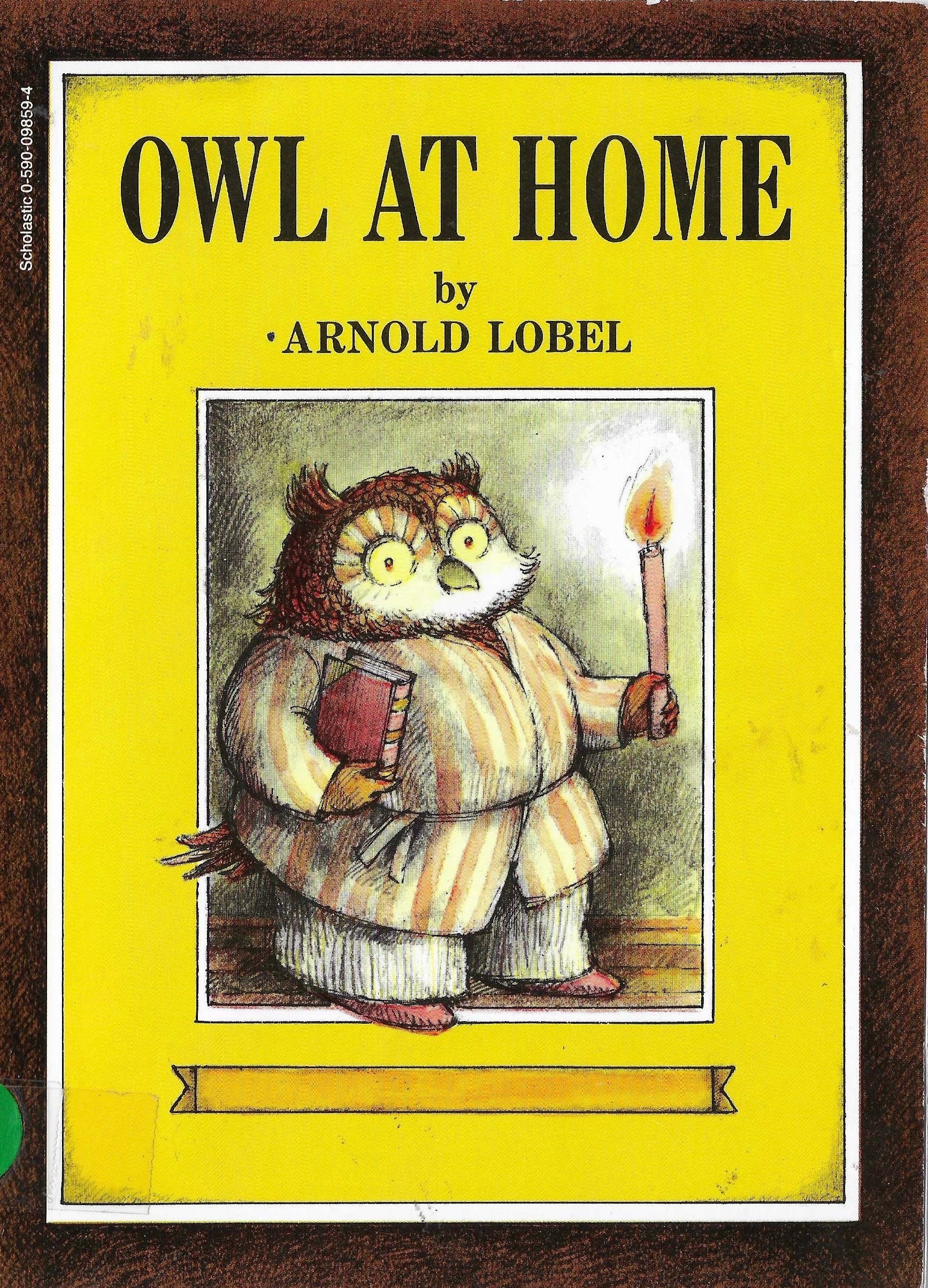
Mostly I love the owl for his studiousness. They say it’s his stillness and tranquility that makes us project wisdom.
For humans, the forest is something to get through. No horizon, your vision blocked by trees - it looks the same 100 feet in as it looks 100 miles in. In classic stories, it’s where we typically encounter some unknown challenge, vague even as we’re in it - becoming lost, being overtaken by a strange mist, chased by shadows.
The owl seems to coast above it all. He’s just up in his ivory tower reading.
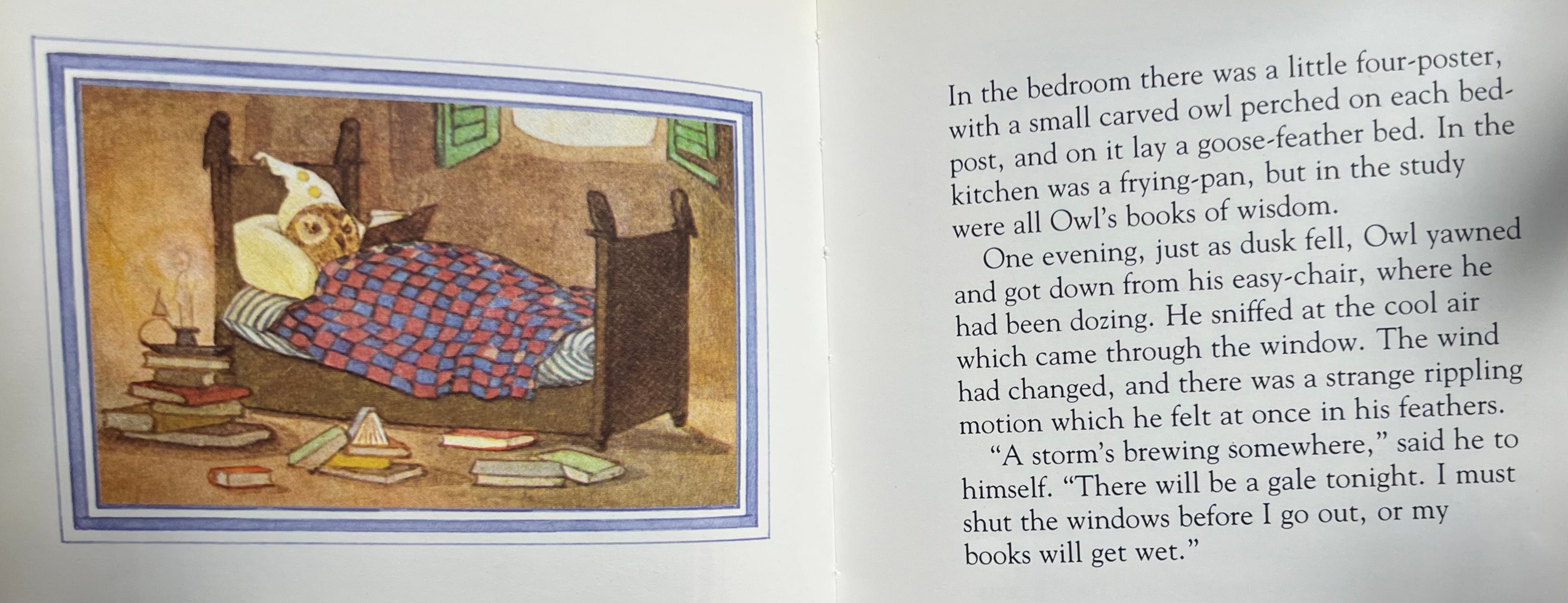
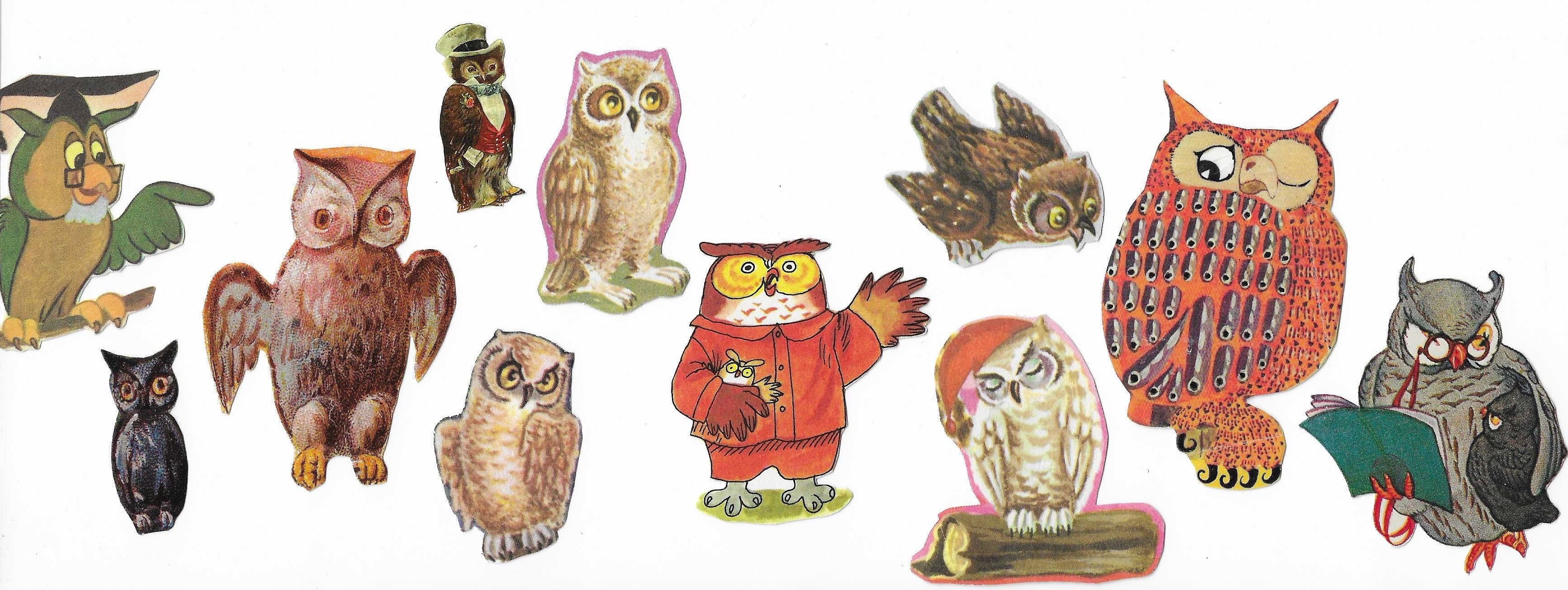
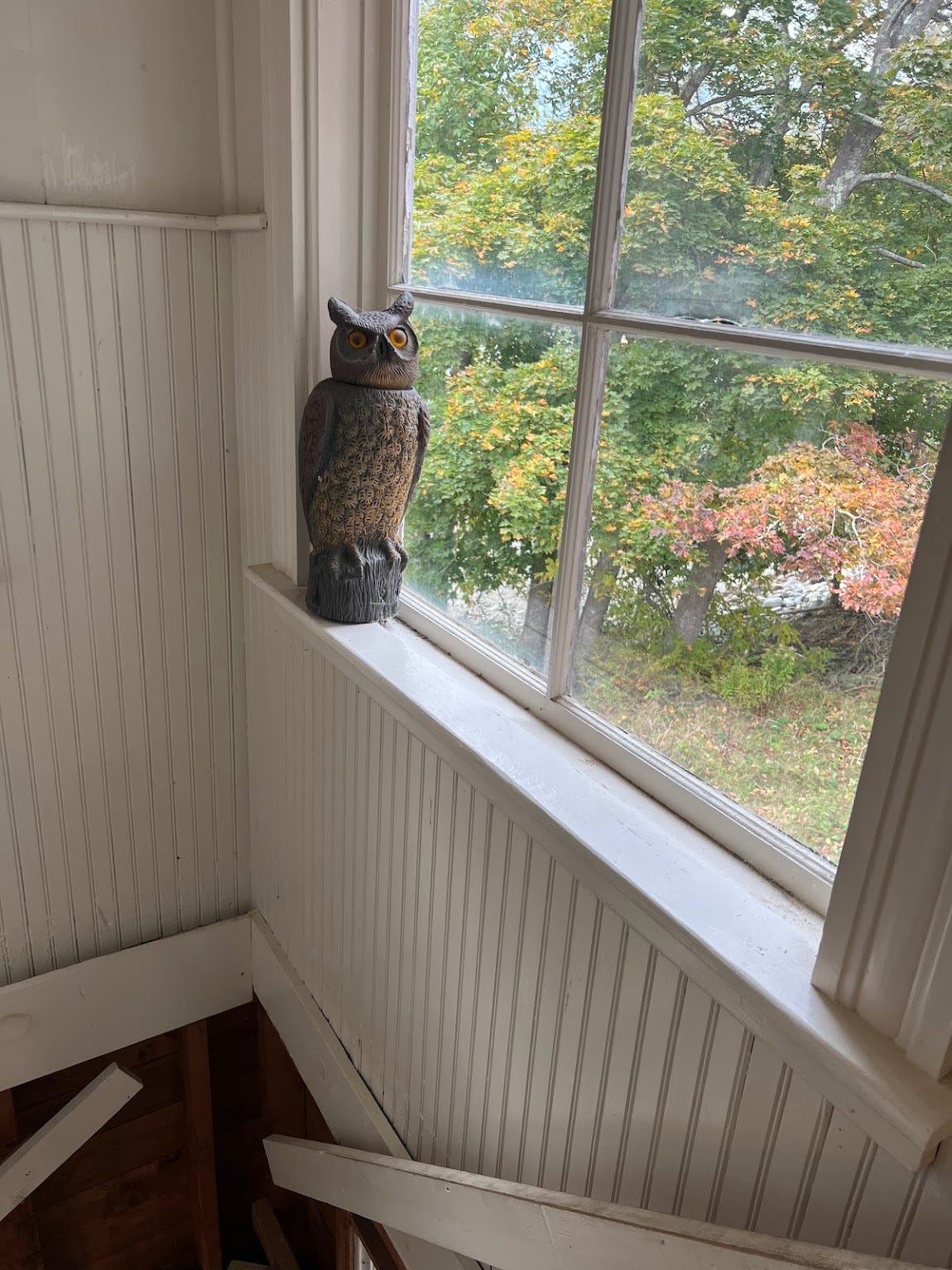


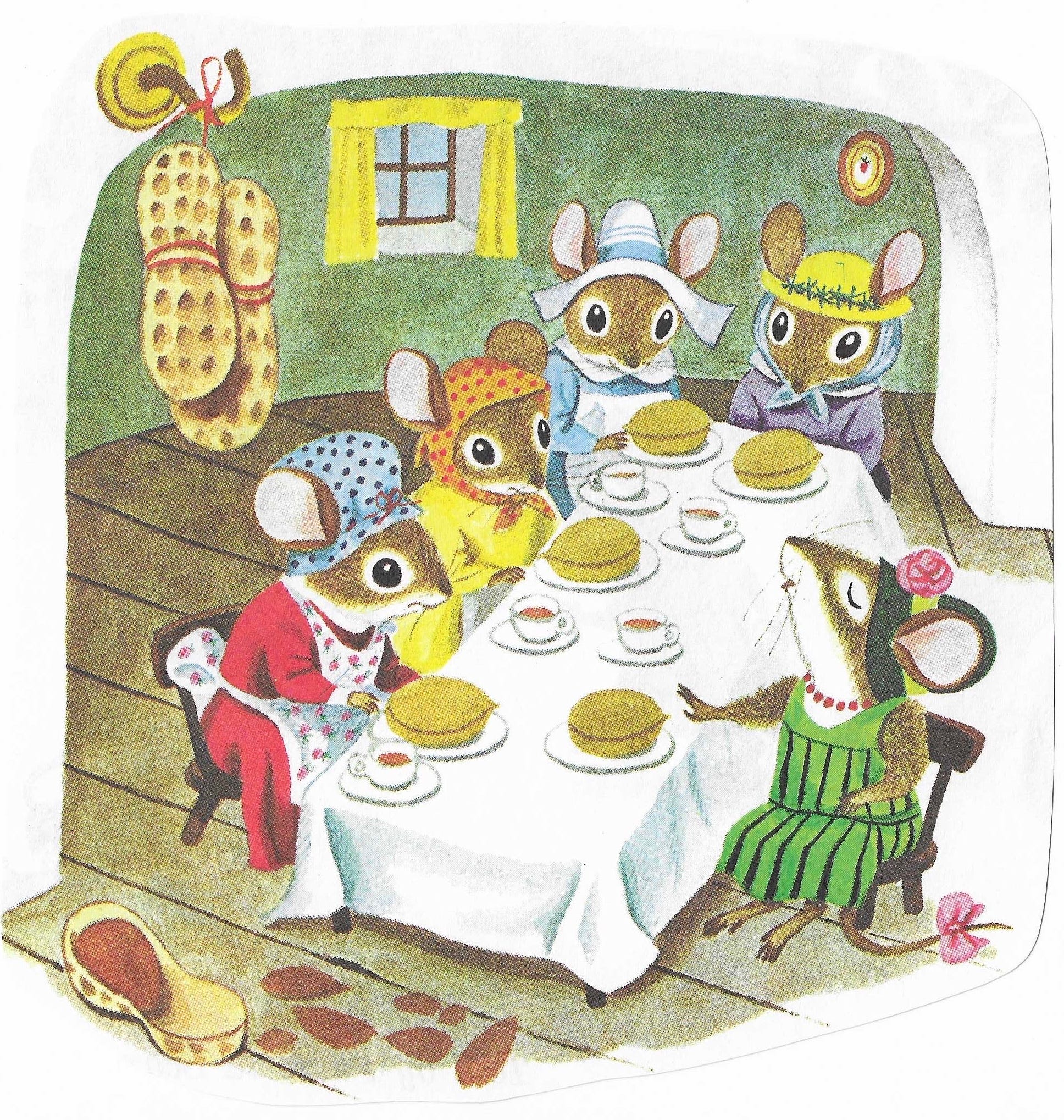
Like owls, mice have a special magic to me. Never mind their predator/prey relationship in the animal kingdom: in the storybook, they are friends.
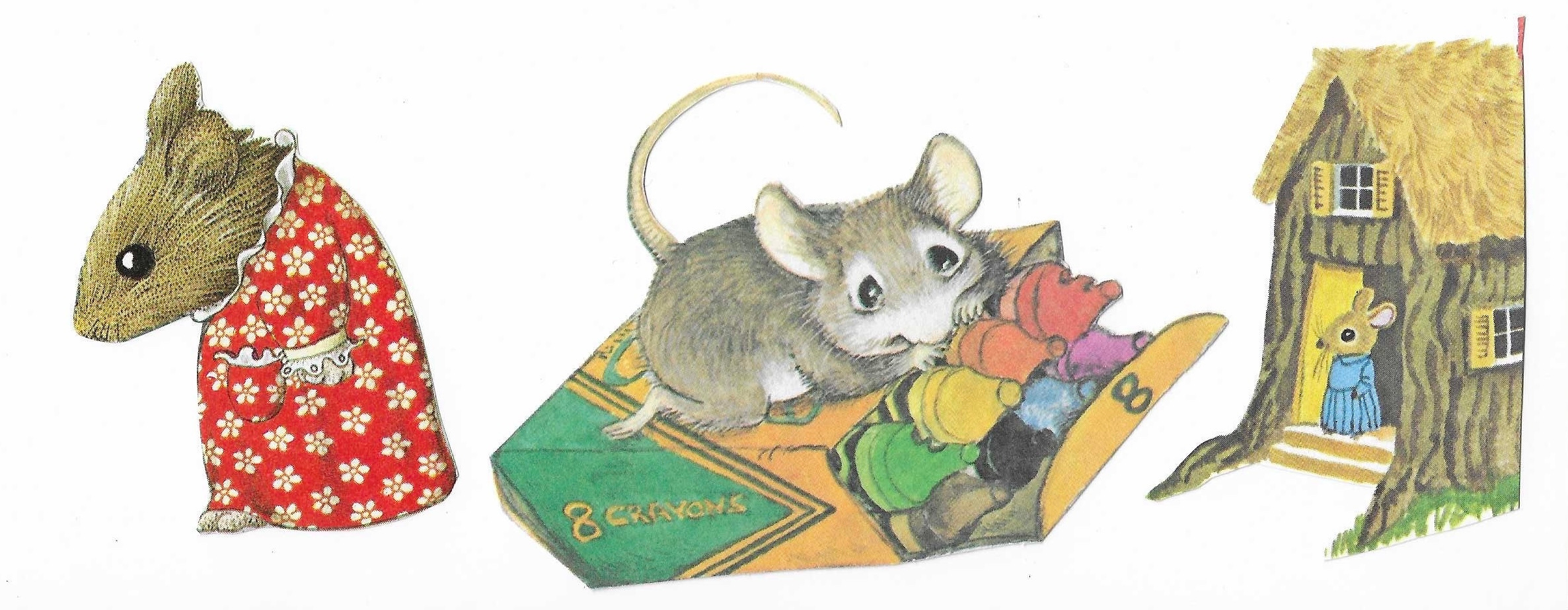
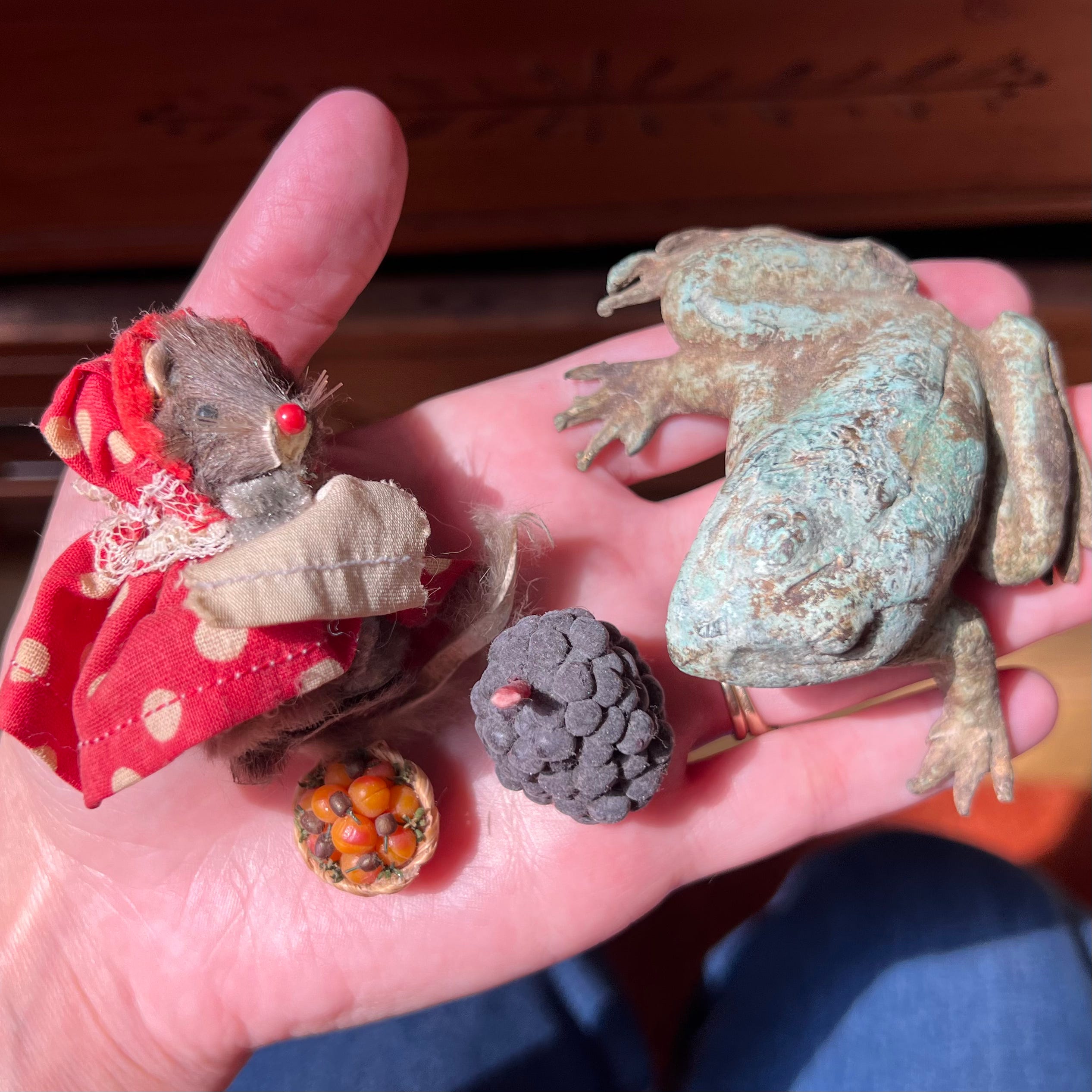
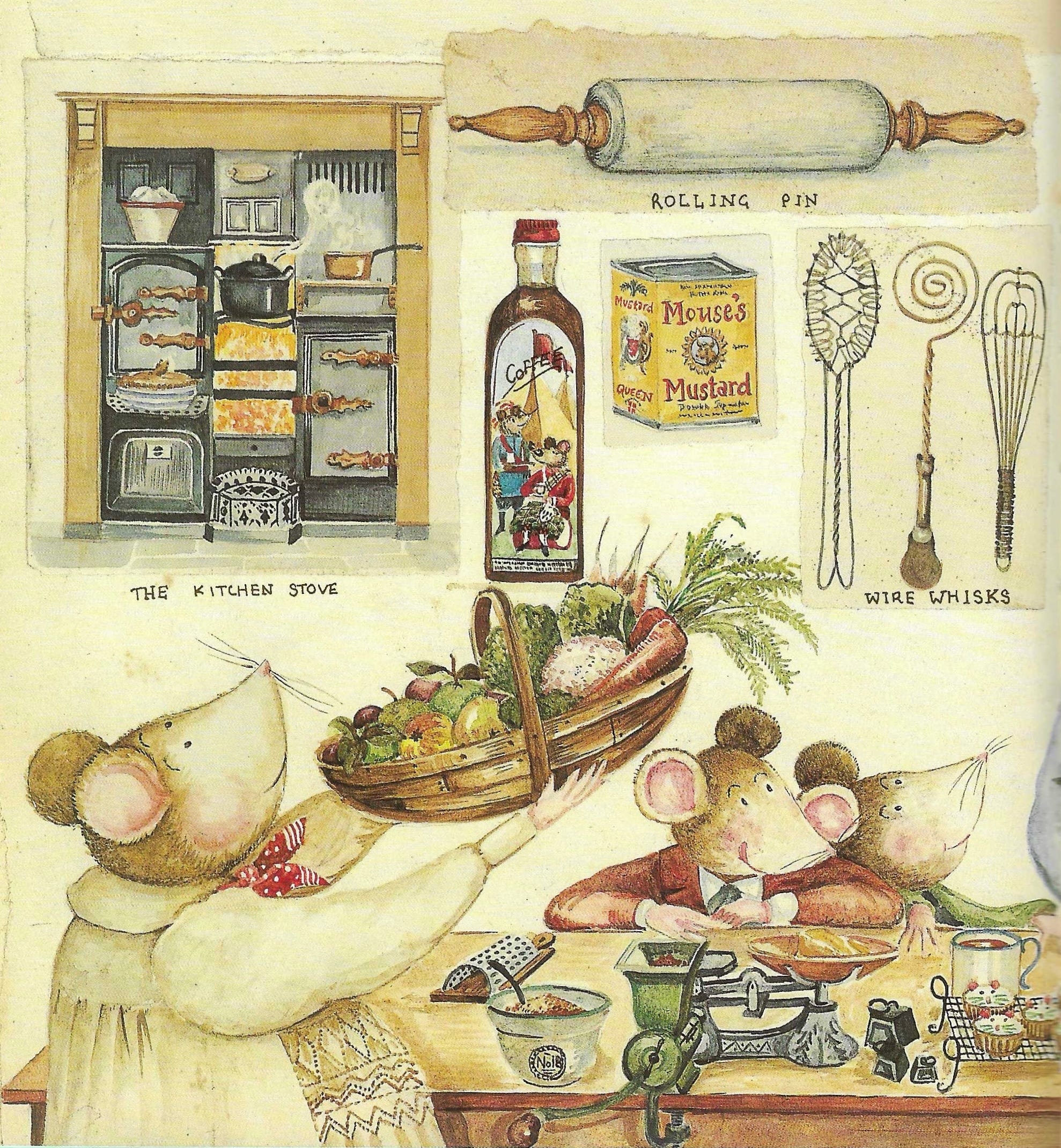
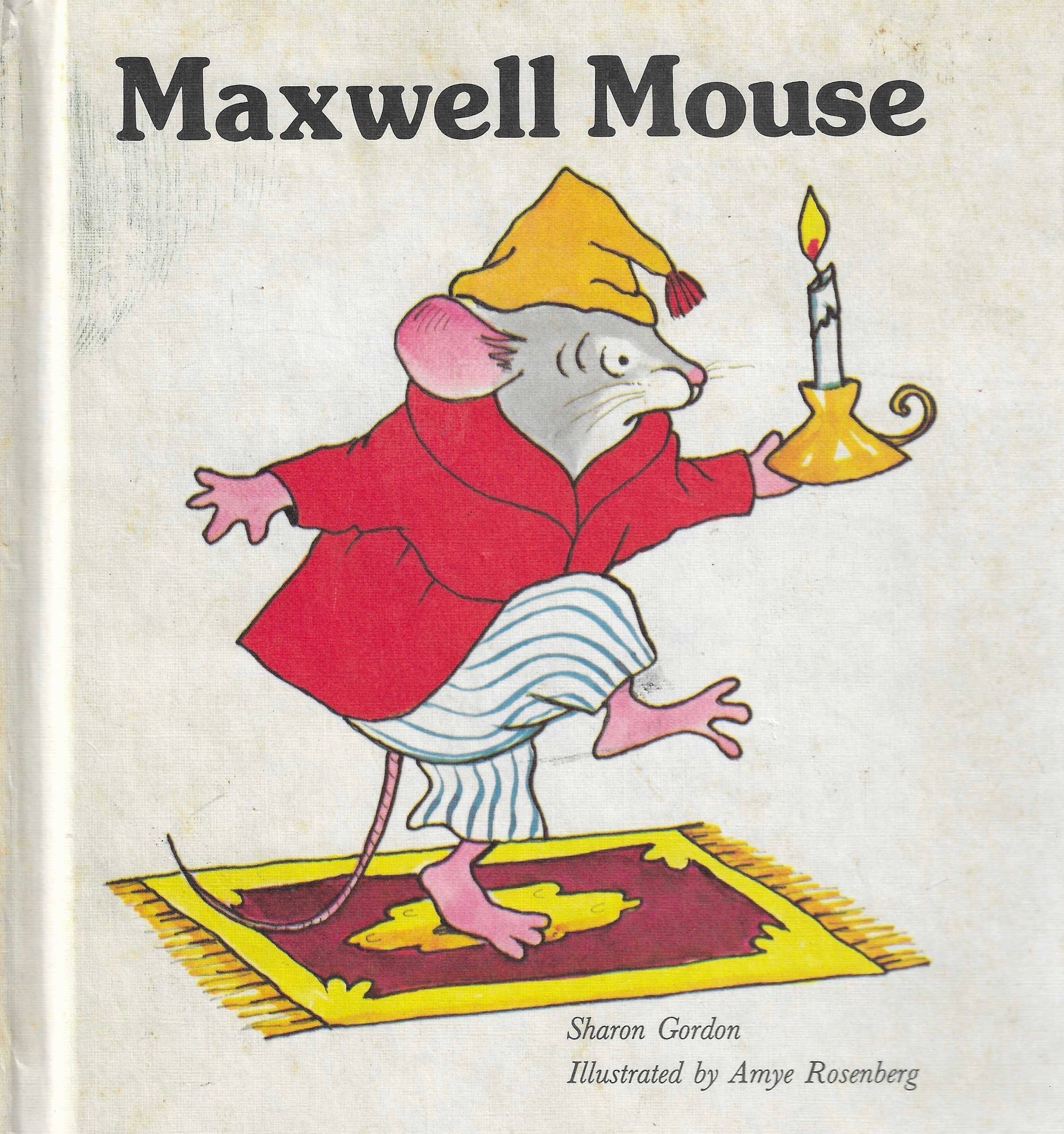
I particularly love a church mouse. Below, from Redwall:
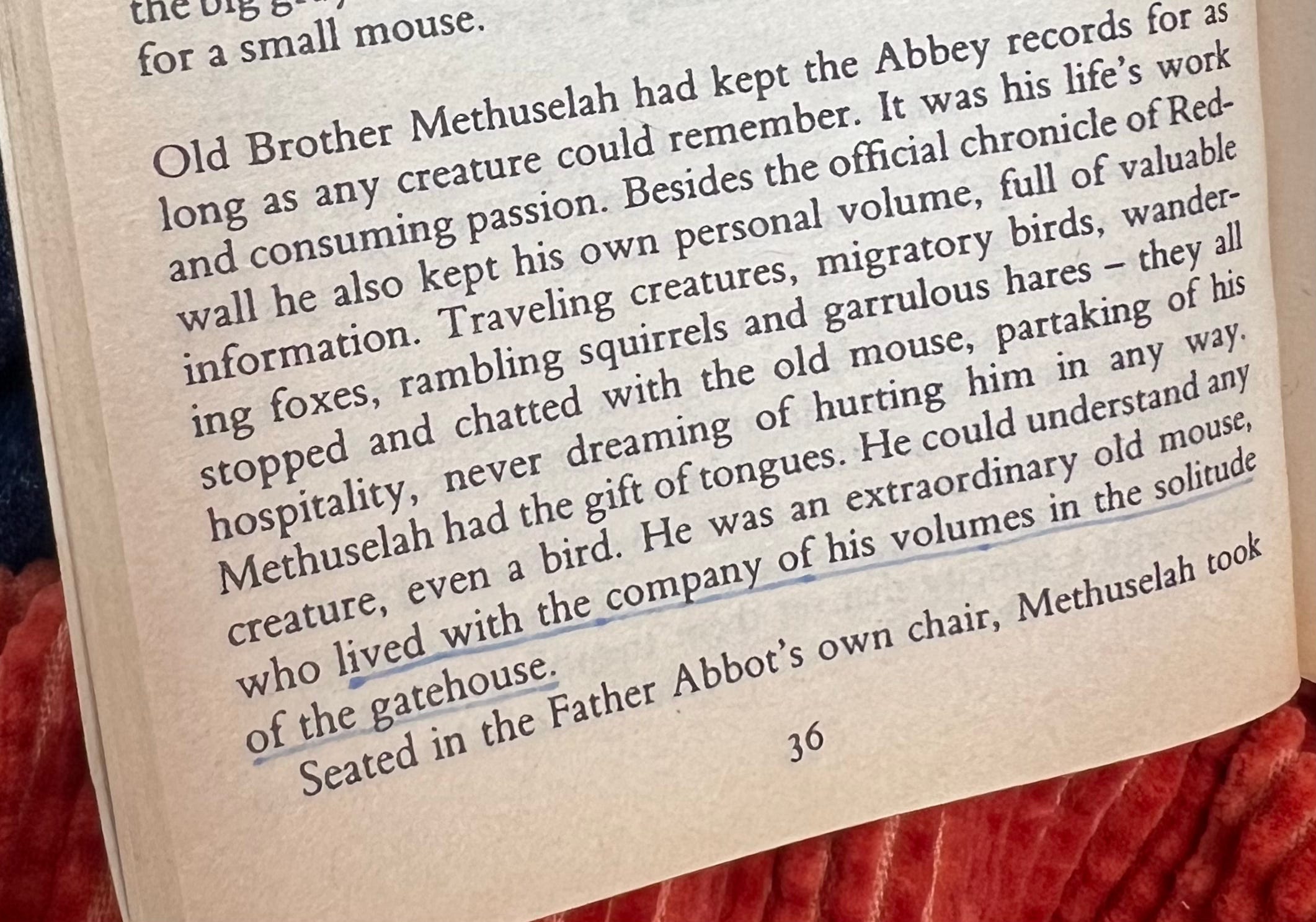


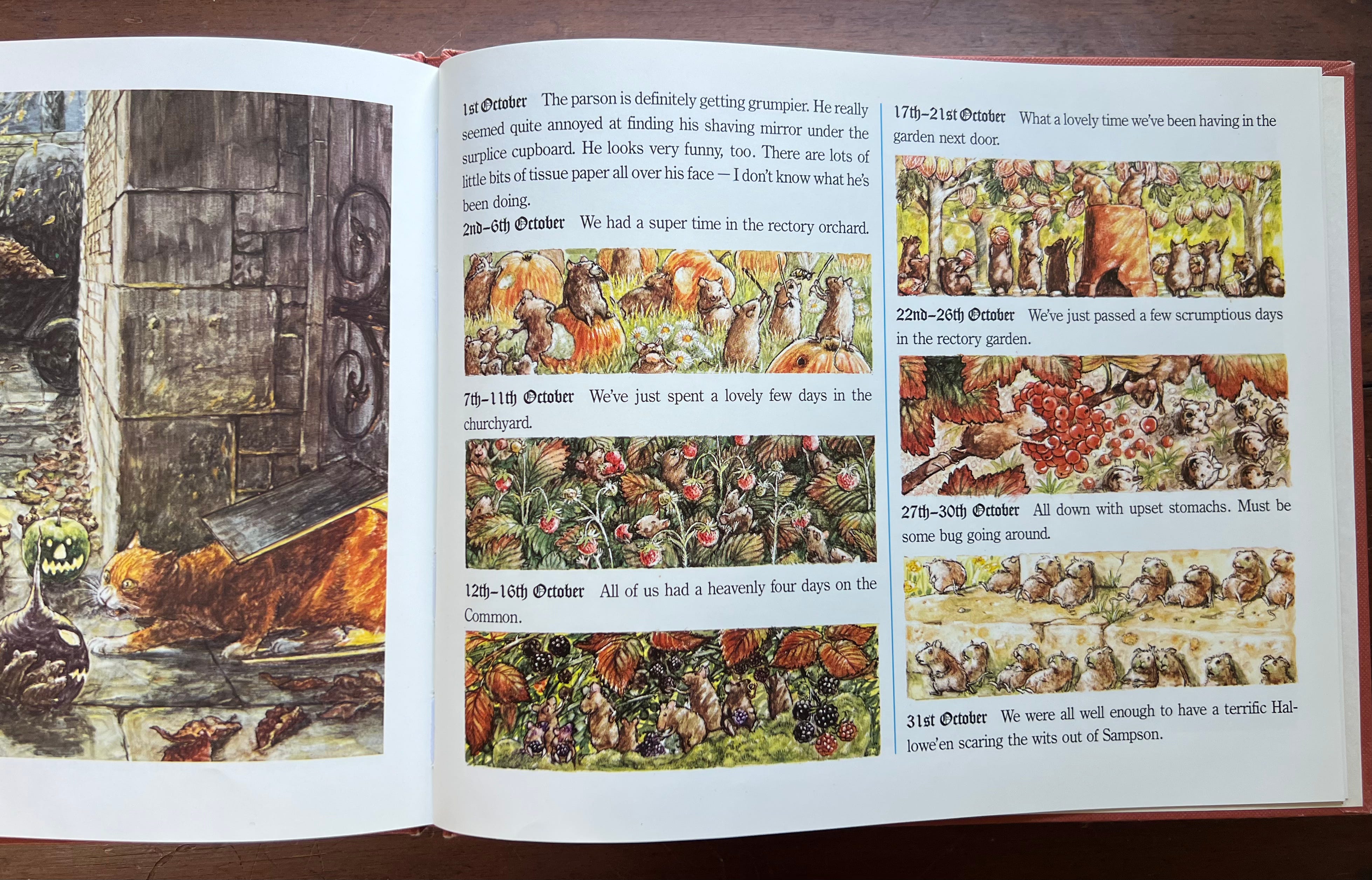
I suppose if we’re in a church we’ve gotten a bit off track - back to the forest we go.
On our last morning in the Big Sur woods, we woke to crunchy footsteps nearby. It was a skunk on the hill next to us! I really love skunks.
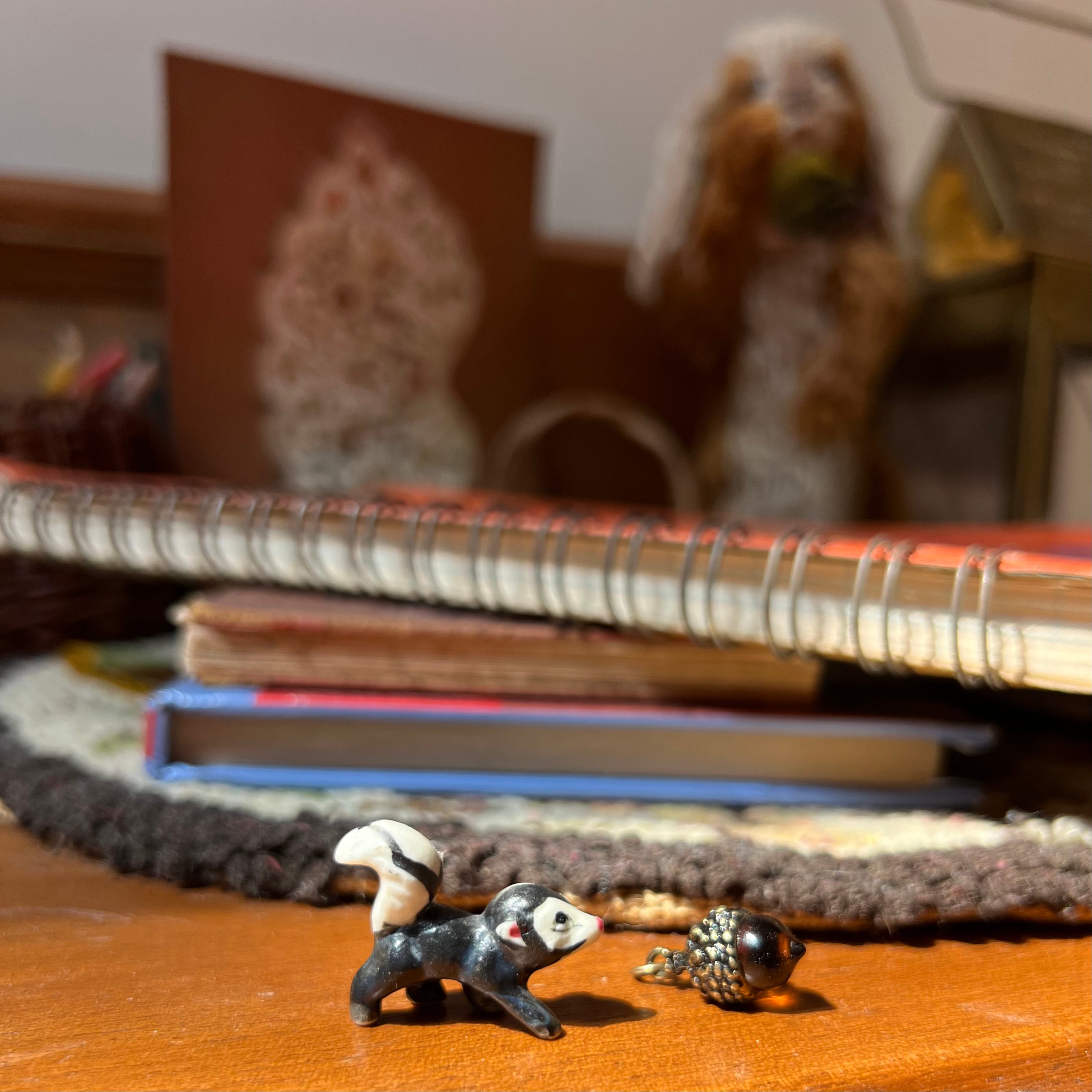
I like the drama of it - you’re hiding from the skunk, the skunk is hiding from you, and if you can each just let each other be, it will be great.
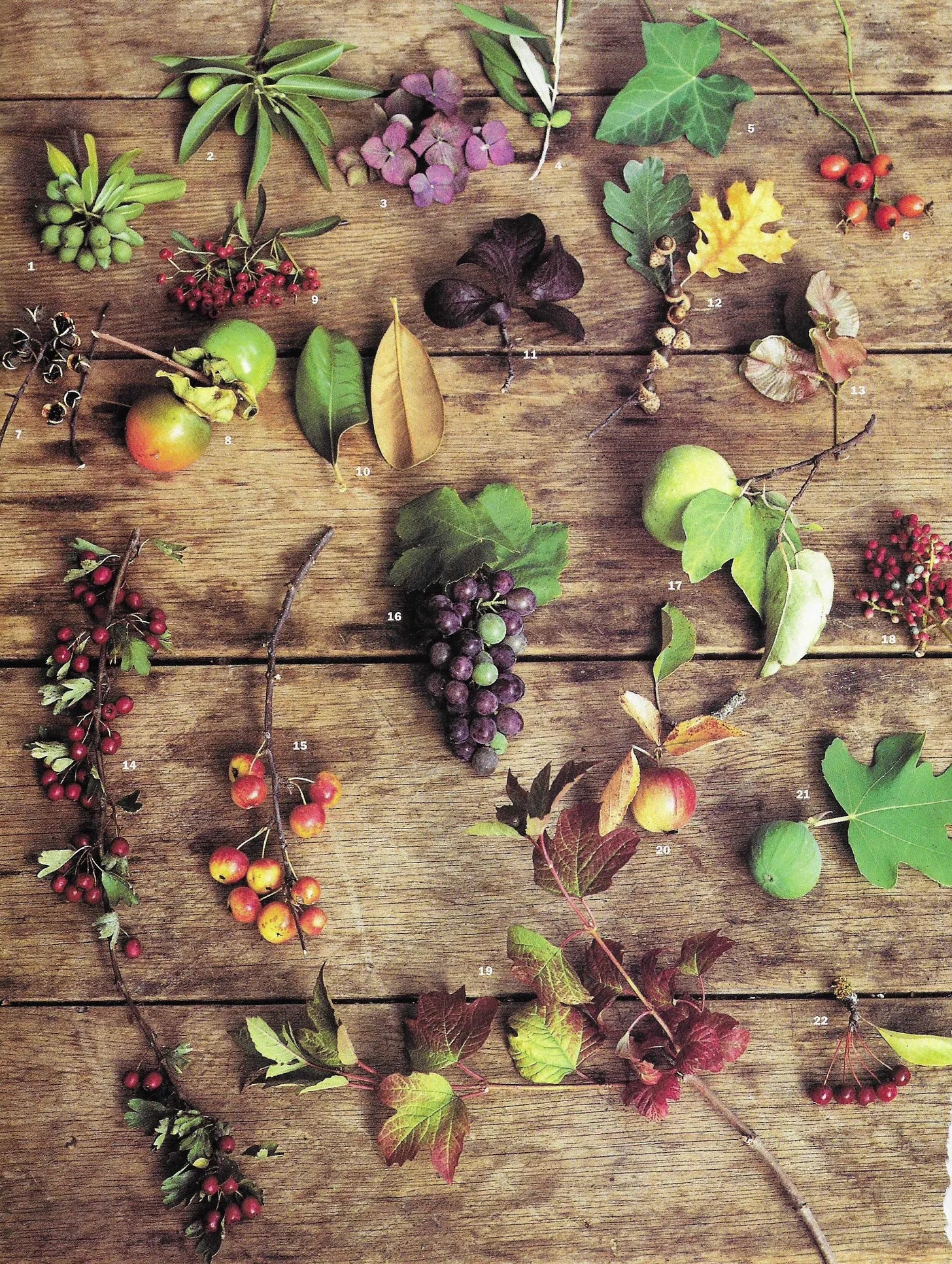
On the more subtee forms of forest life: there’s a letter from a certain famous literary figure (that for the life of me I can’t find, so I will leave him unnamed) in which he’s writing to a friend about a time-lapse film he’s just seen of a mushroom growing (this is in the 1950s). He says he feels that he violated something sacred by viewing it, saw something that humans are not made to see. His friend agrees.
(Imagine what they would think of Planet Earth.)
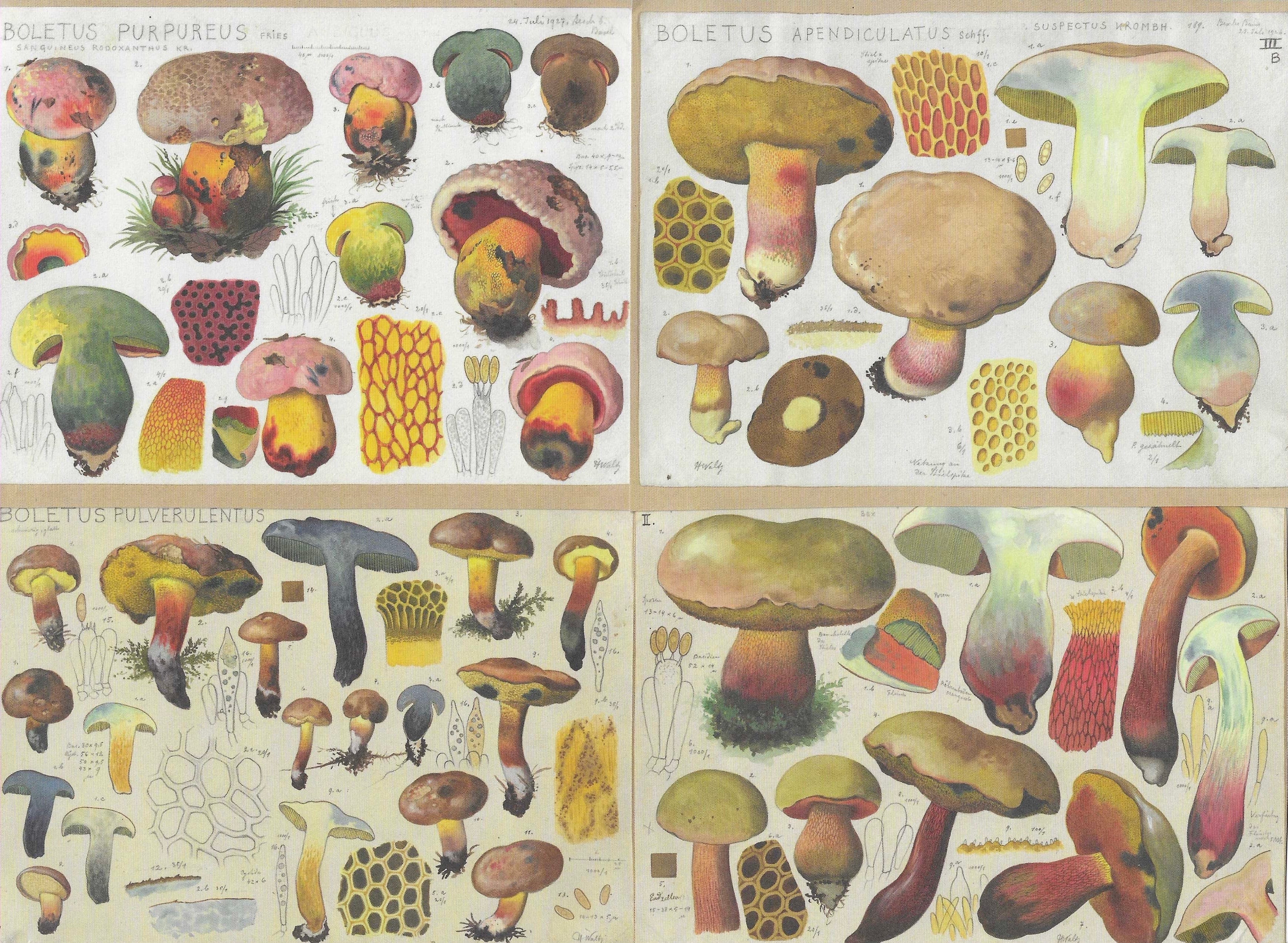
Morgan and I circle back to this idea over the years. While I see the wisdom of it, I tend to disagree: to me, more is more. The pseudo-omniscience of the time-lapse shows us something new and beautiful about the mushroom, and allows us to better see ourselves in relationship to it (not unlike a recent NASA crew describing how intense it is to look back at Earth from outer space.)
Everything is movement and change if we look at it from a different timescale; I’m happy to be on the level where most things appear still. Especially in the forest!
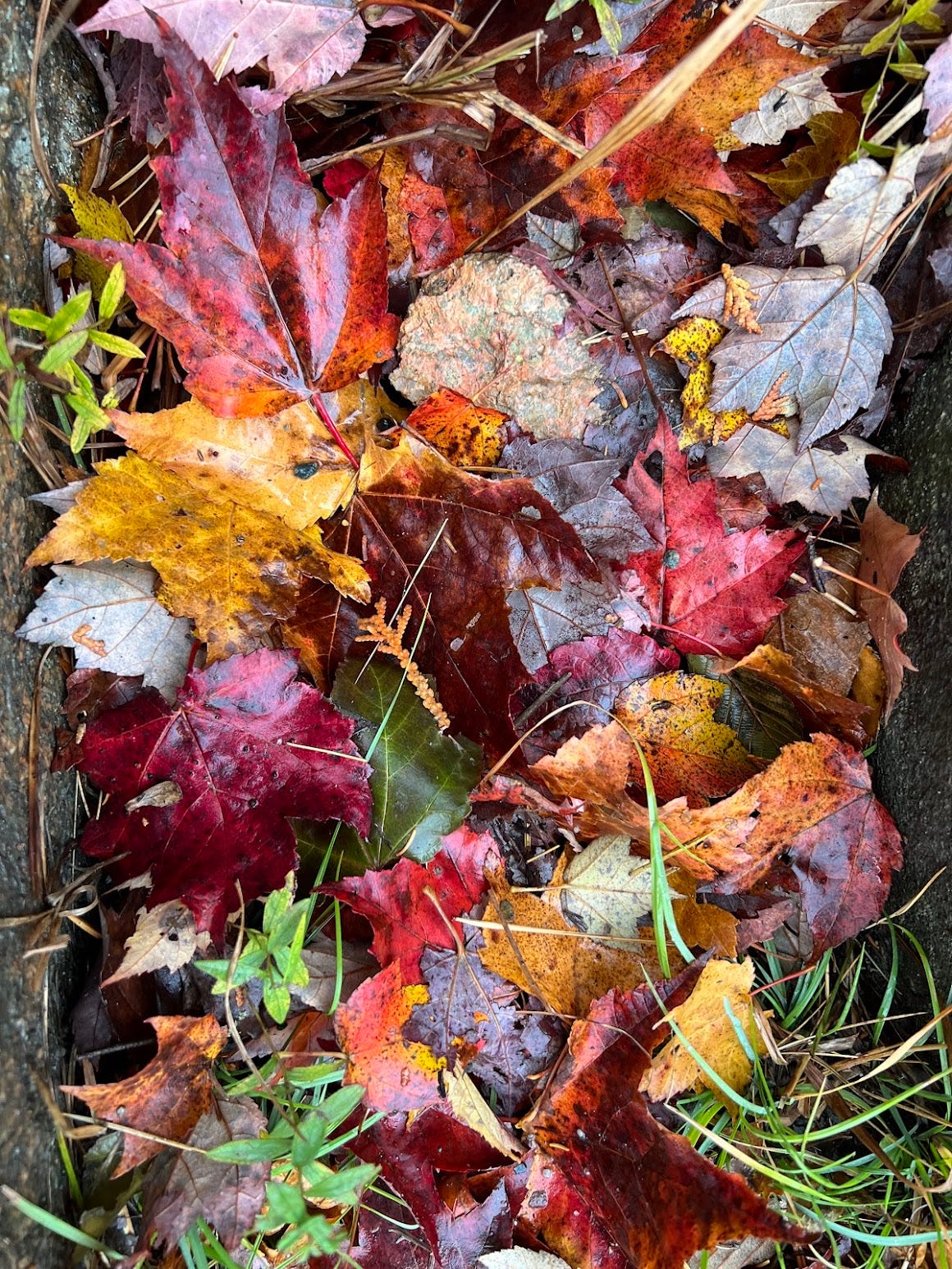
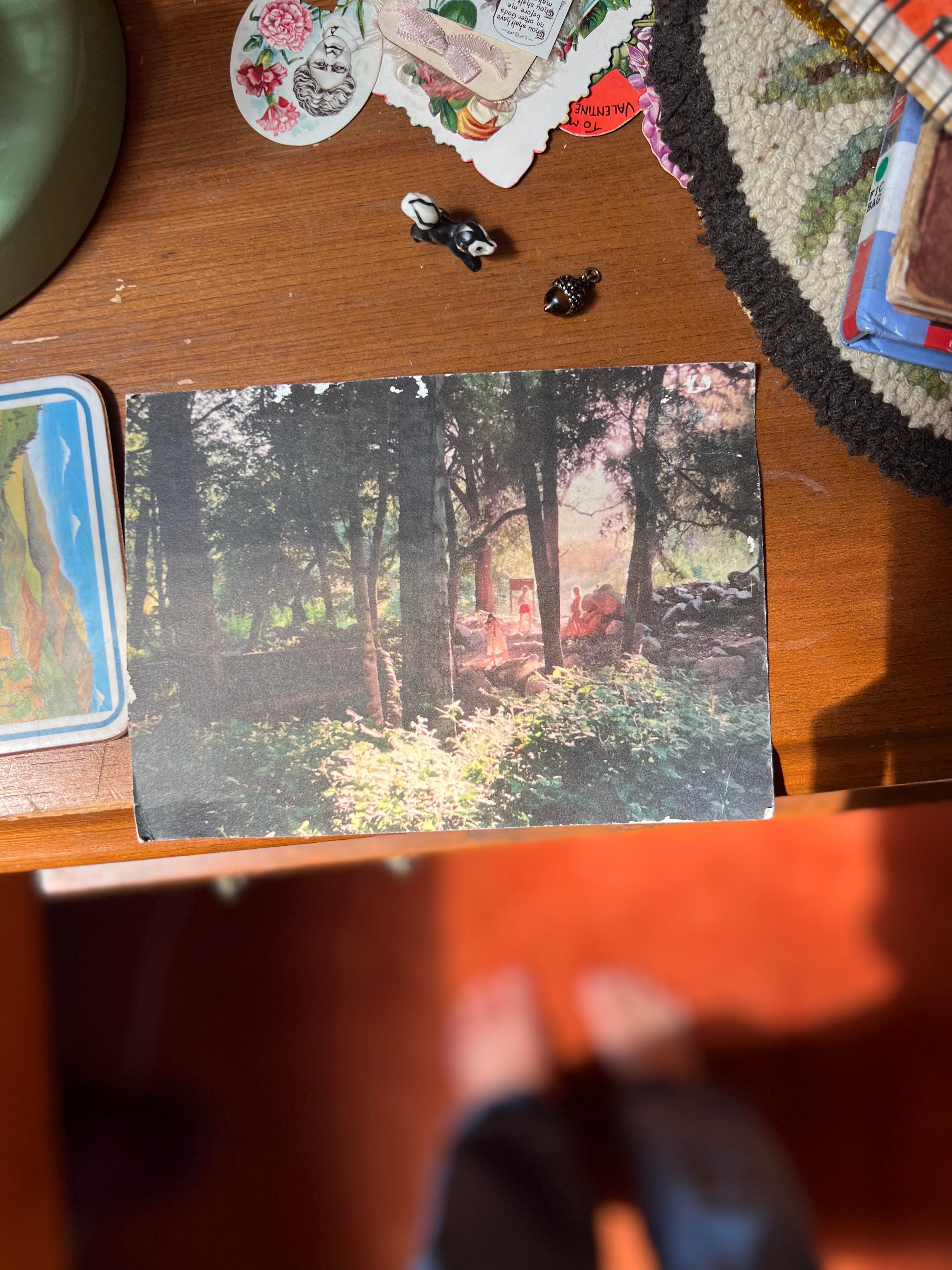
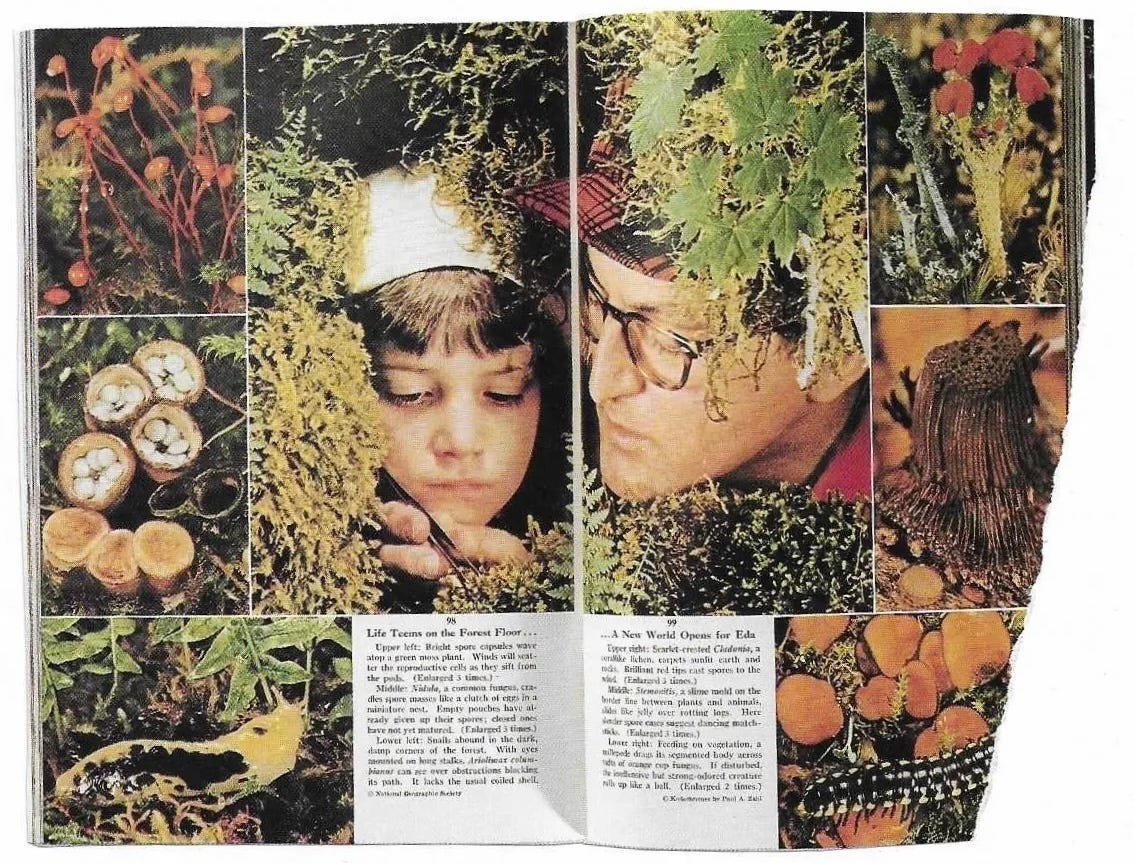
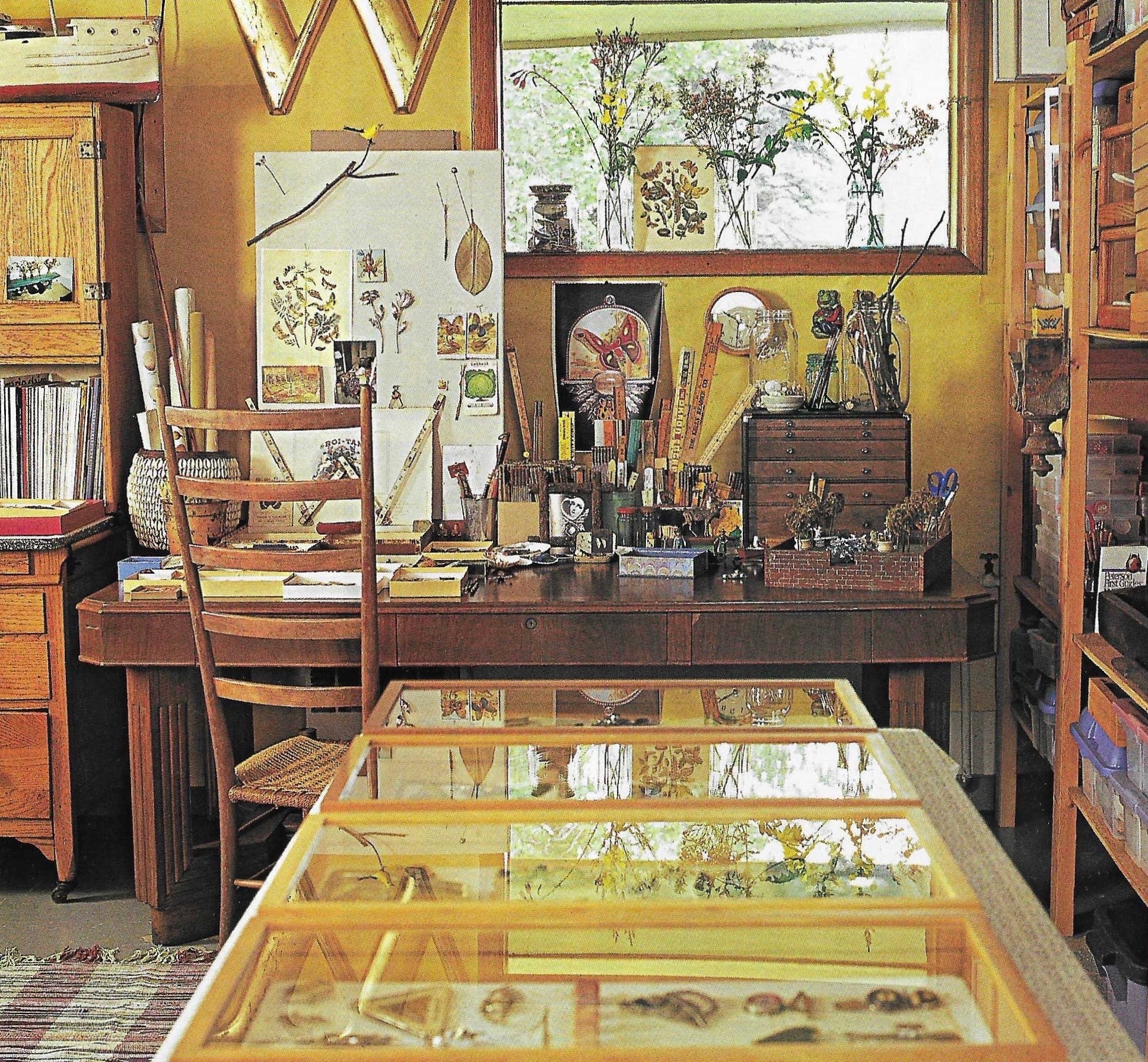


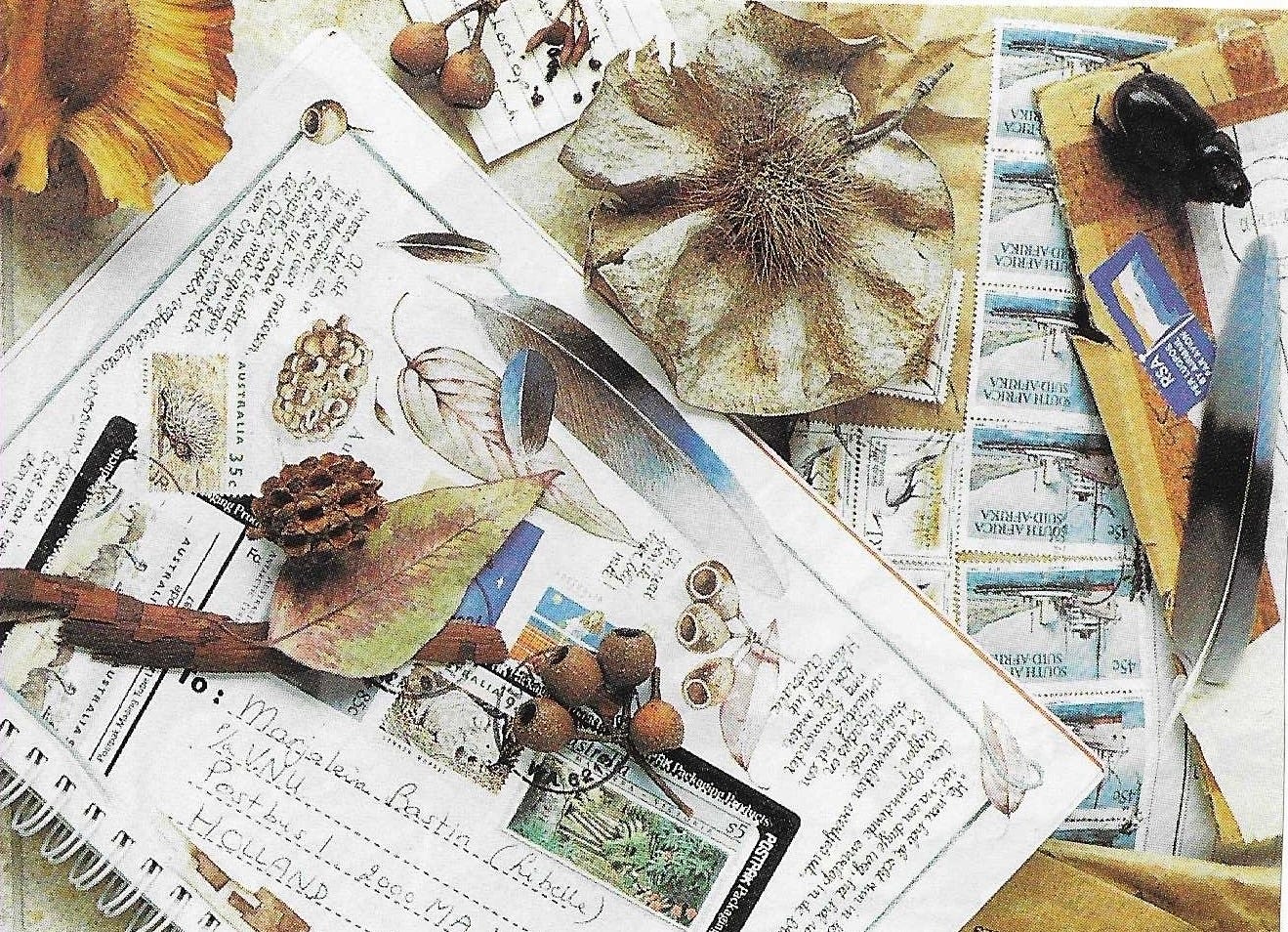
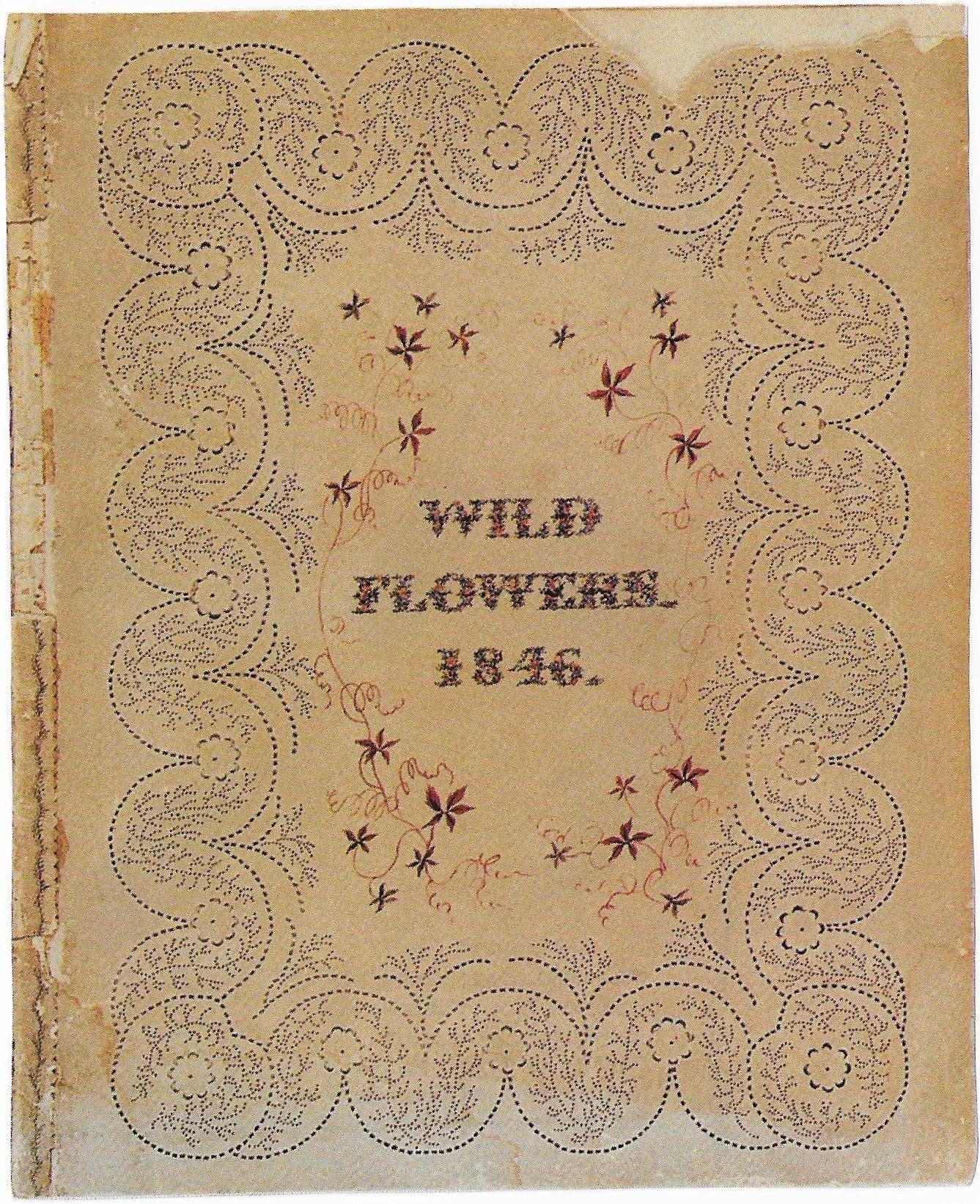
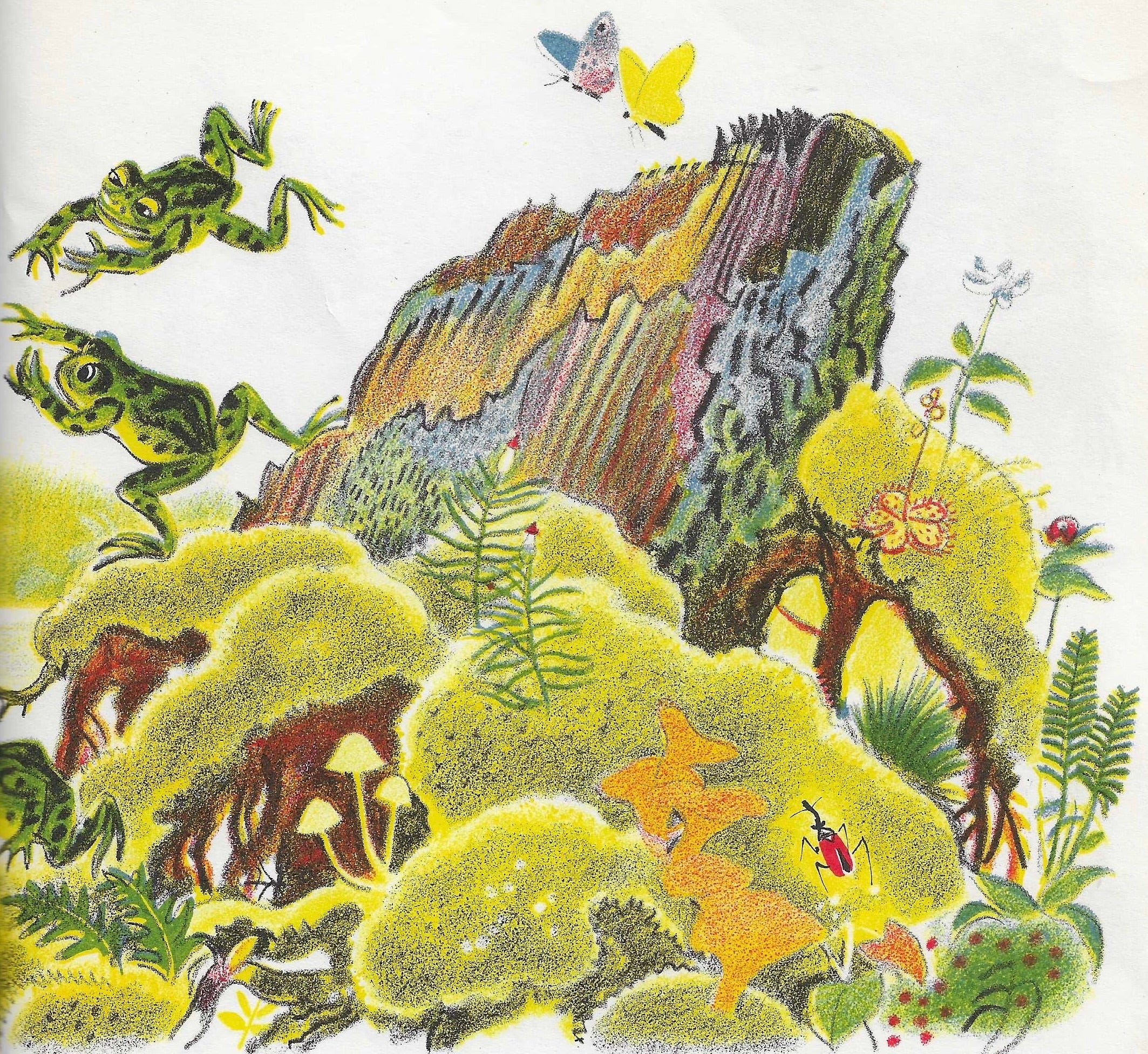
magic magic magic
also this makes me think if the thumbelina movie which was also kind of scary but has an incredible song.
if 2D Mood has no fans i'm DEAD.
came for the forrest, stayed for the jokes