
Magic

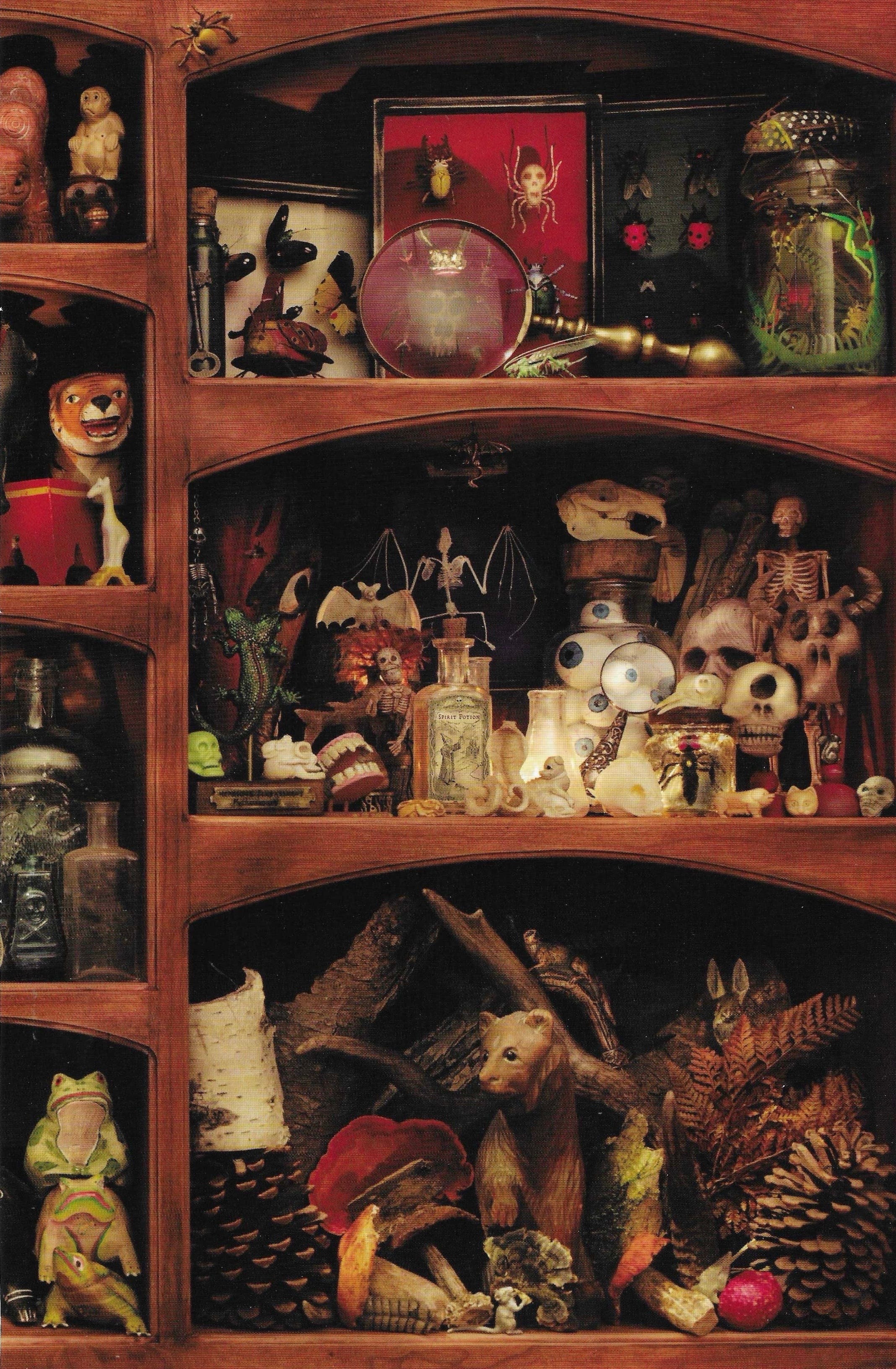
Suggested soundtrack to this post, made by Christian:
At the beginning of the month, Shannen had us all over for corn chowder and biscuits and to watch Practical Magic. Say what you will about the internal logic of the movie - visually, it’s flawless.

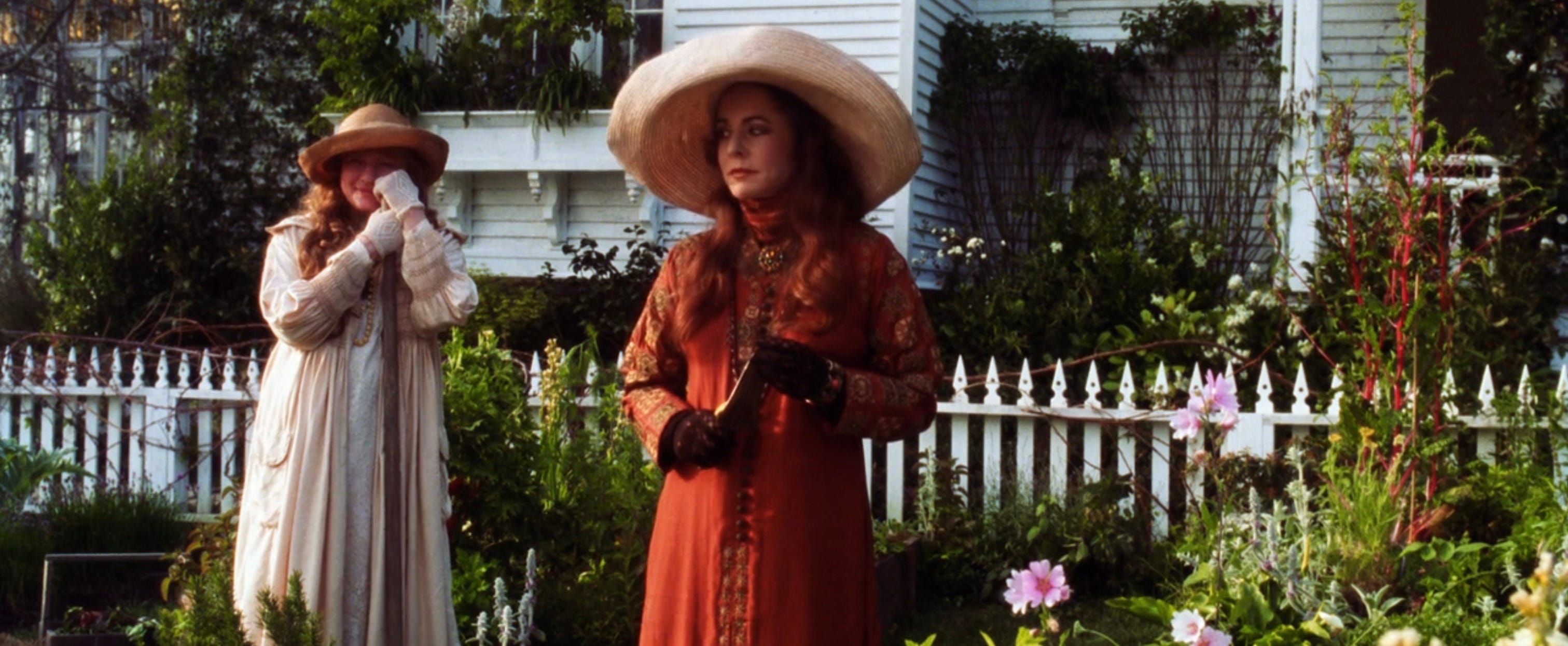
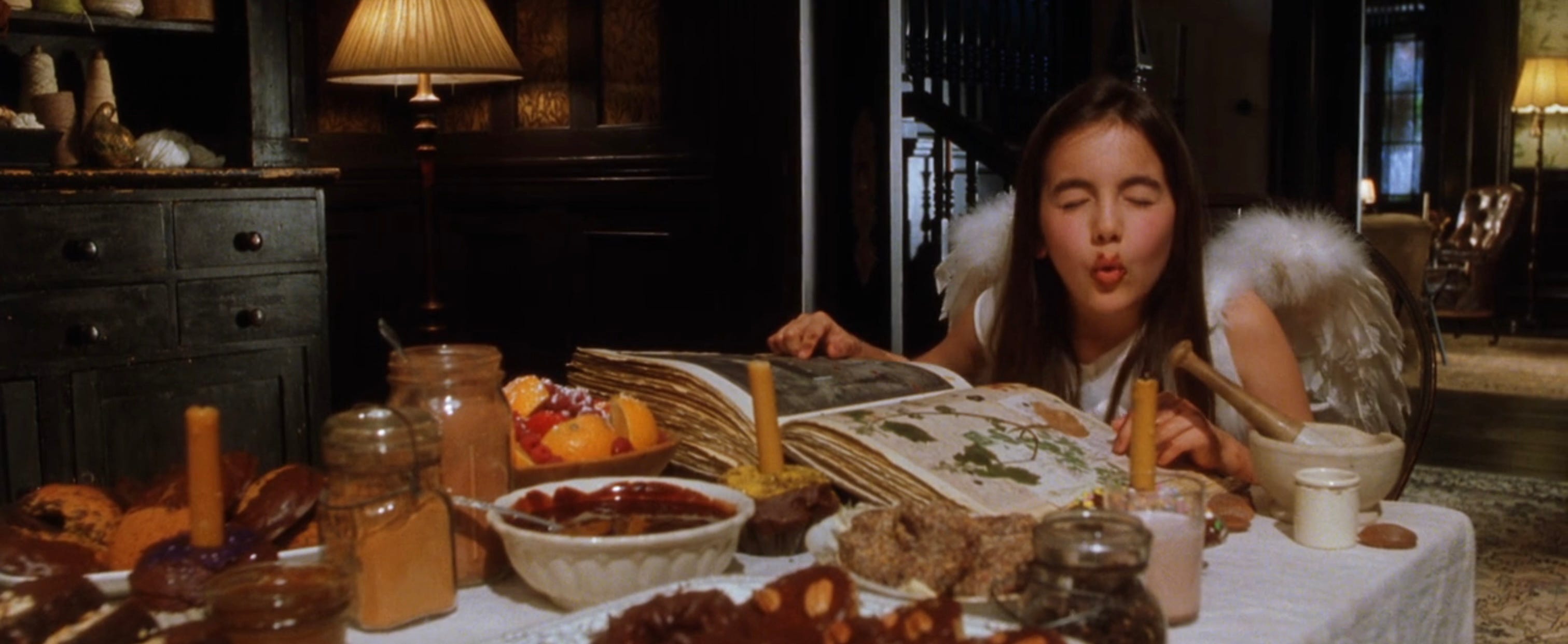
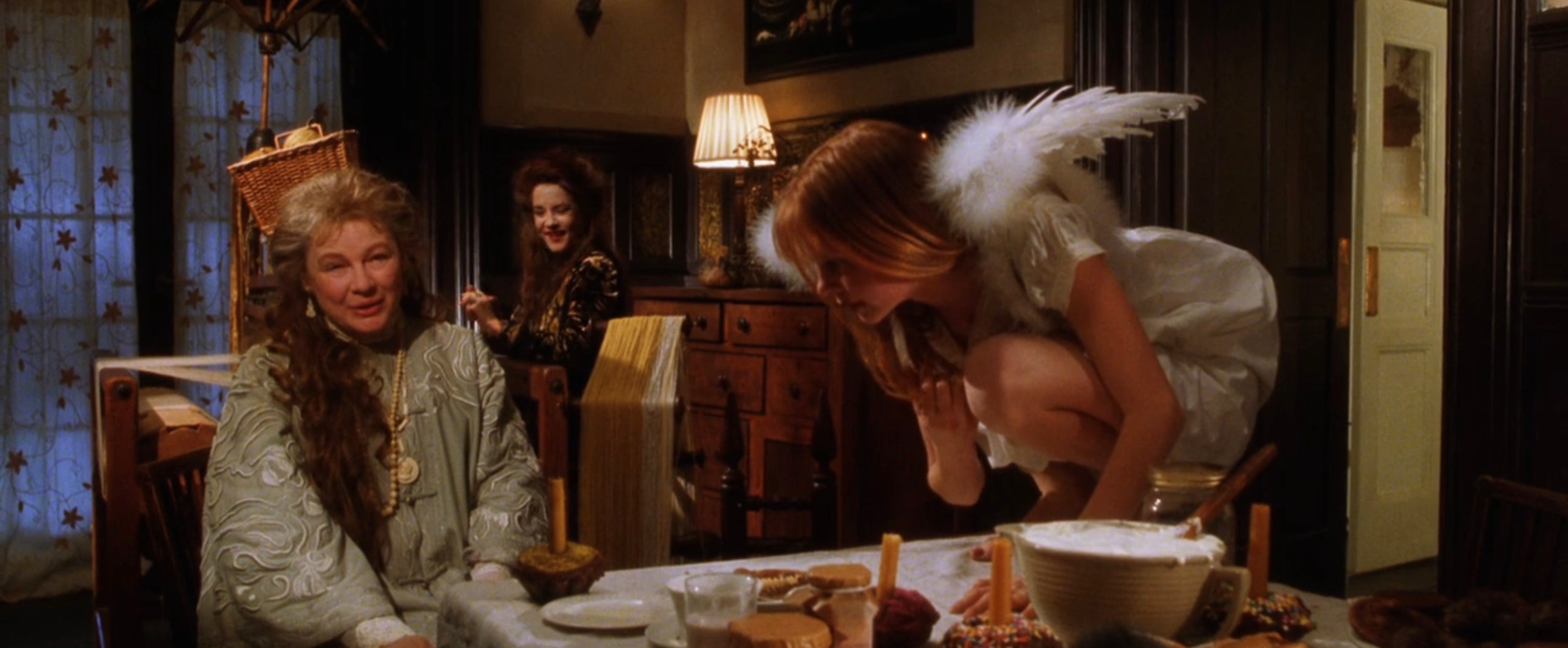
Runners up for best witch movie, imo: Mary Kate and Ashley’s Double Double Toil and Trouble, Weapons, and of course, The VVitch.


In real life, one of my personal favorite sorcerers is Rasputin, the Russian Orthodox mystic who cozied up very closely to the imperial family, the Romanovs, during the last years of the empire (before the family was murdered).
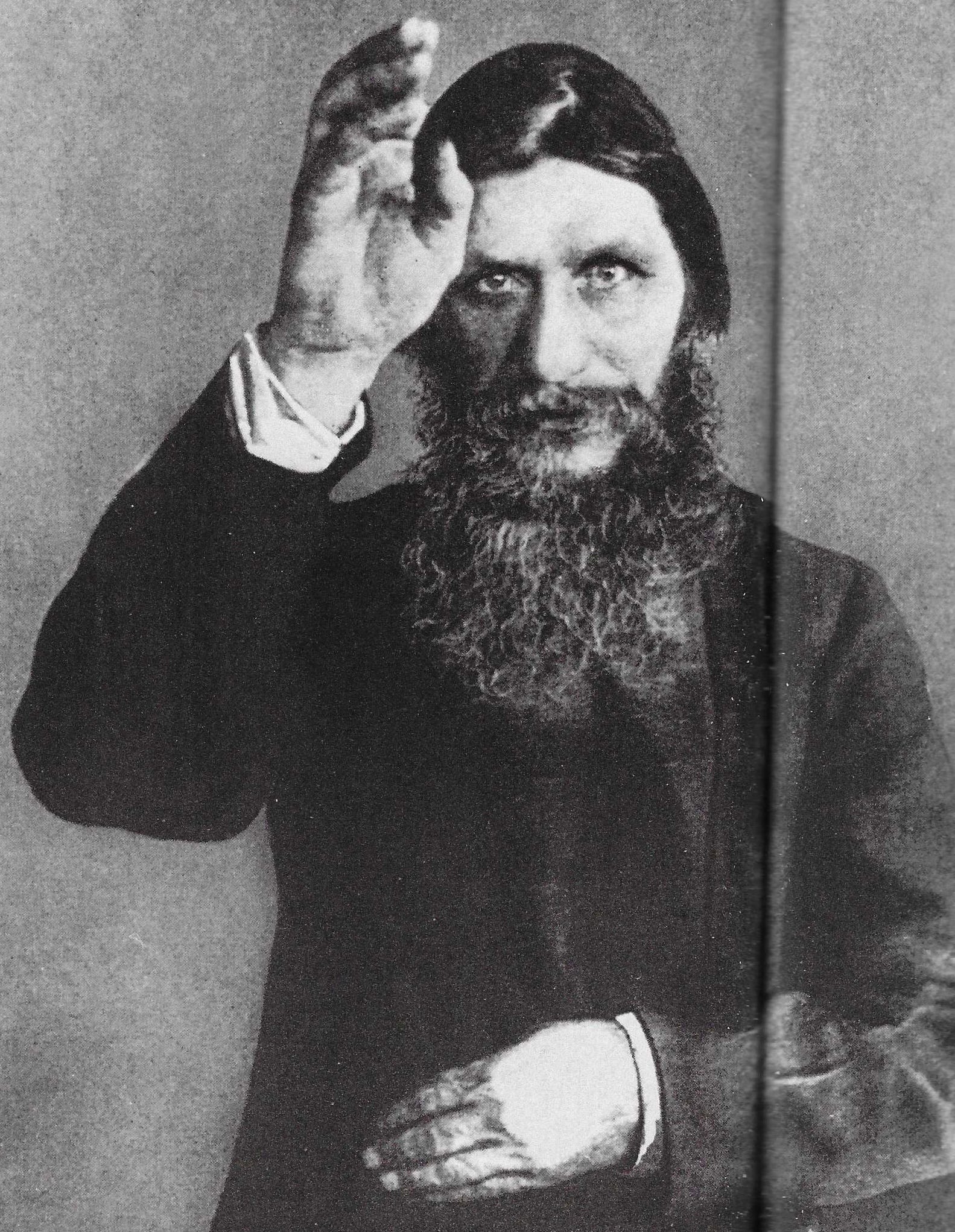
Though Disney’s Anastasia portrays him as pure villain, the truth is more complicated, as explained by historian Helen Rappaport in her book The Romanov Sisters (a rec from Morgan - so so so good). Until her dying breath, the devoutly religious empress Alexandra trusted Rasputin wholeheartedly, mostly because of his mystical ability to pull her hemophiliac son Alexei back from the brink of death time and time again (including once via prayer over the phone).
There were many witnesses to these healings, and most were skeptical but flabbergasted. (The modern materialist explanation for Rasputin’s powers is that he probably took Alexei off aspirin, a common treatment for hemophilia since proven to be harmful.)
“Wherever he went Grigory Rasputin sparked controversy. Was he a ‘sensational hypocrite’ or ‘wonder working mystic’? History has struggled for the last 100 years to make up its mind.”

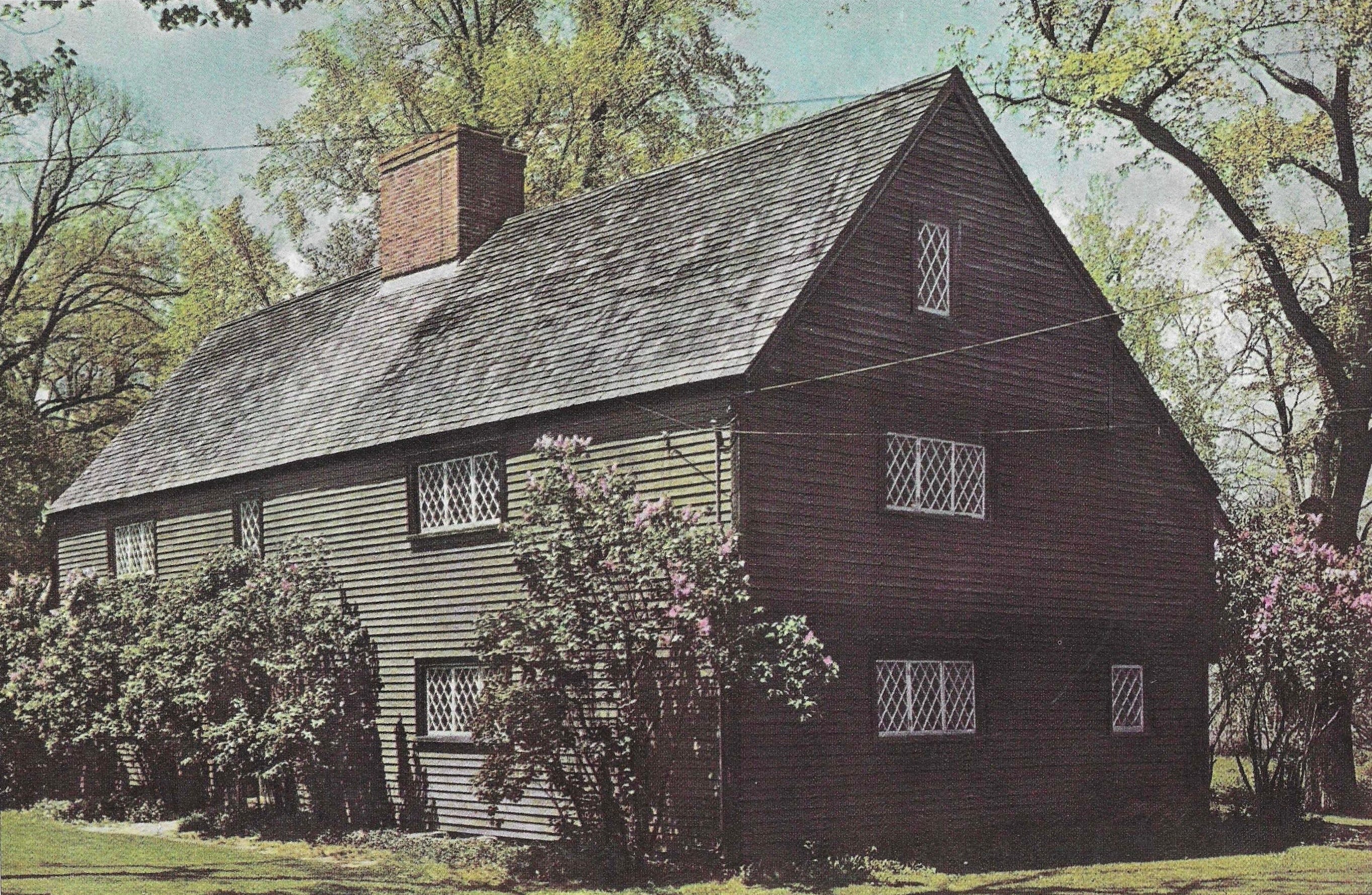
The conversation between magic and religion is a favorite of mine, and it comes to a head memorably (at least for those of us who participated in the American public school system) in the Salem Witch Trials.
Mention of Puritan New England conjures up my humiliation at playing a Salem accuser in a casual in-class performance of The Crucible in middle school, or the time my freshman English teacher had us read Sinners in the Hands of an Angry God in our meanest voices (one classmate was very offended by this caricature - it wasn’t me, lol).

I have a book called The Penguin Book of Witches that has a bunch of transcripts of arrest warrants and trials and the like from Salem. The best!
This is where I first read about Moll Pitcher, an 18th century Massachusetts clairvoyant “whose particular speciality concerned the outcomes of sea voyages.” A lovely excerpt from Annals of Witchcraft in New England, 1896:
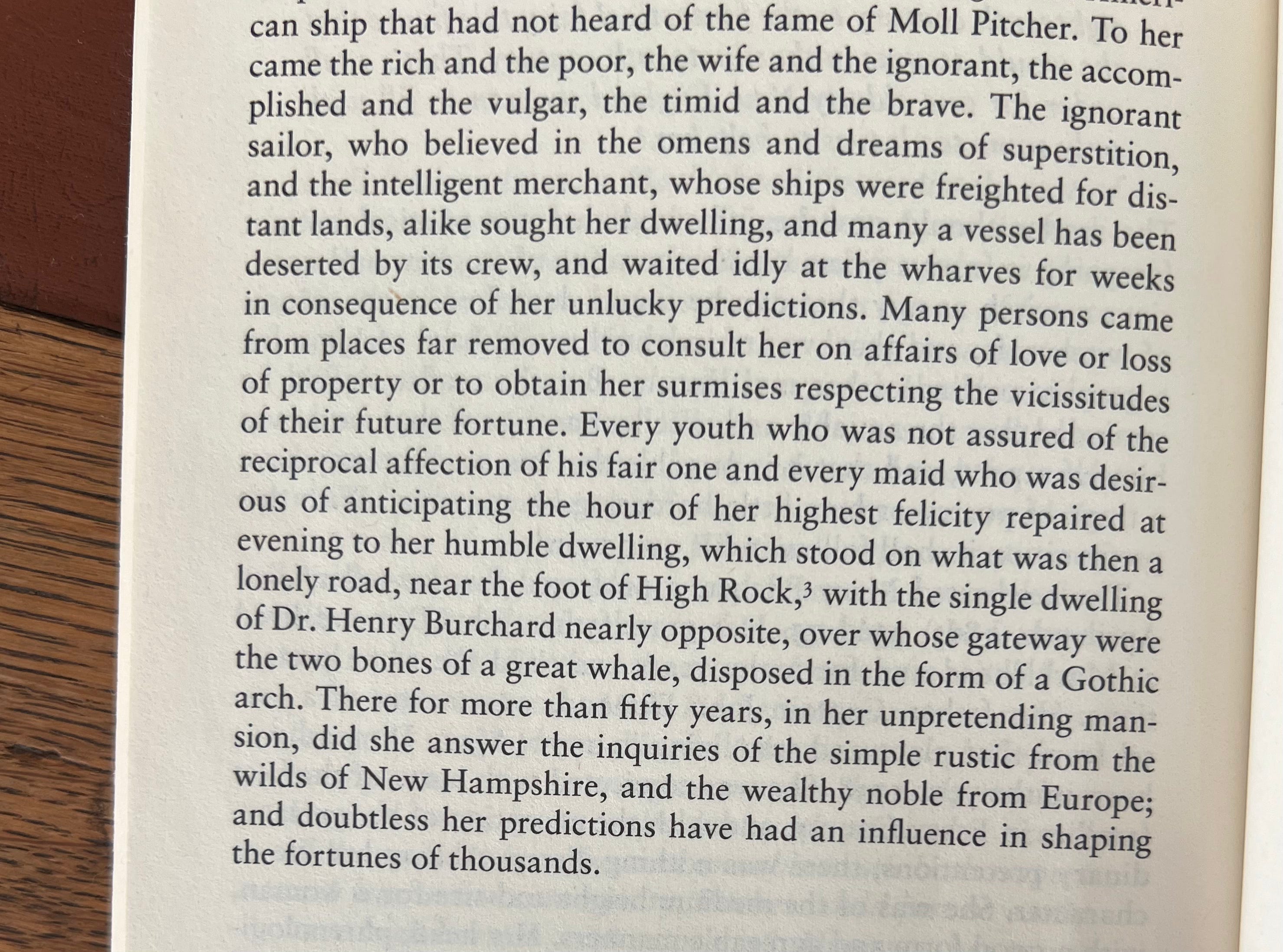
“Moll Pitcher ushers in the figure of the witch from the confused waning category in the early part of the eighteenth century to the fantastical fairy tale figure that she would assume in the nineteenth century. That’s a tall order for one elderly New England woman to fill with only some tea leaves to help her.”
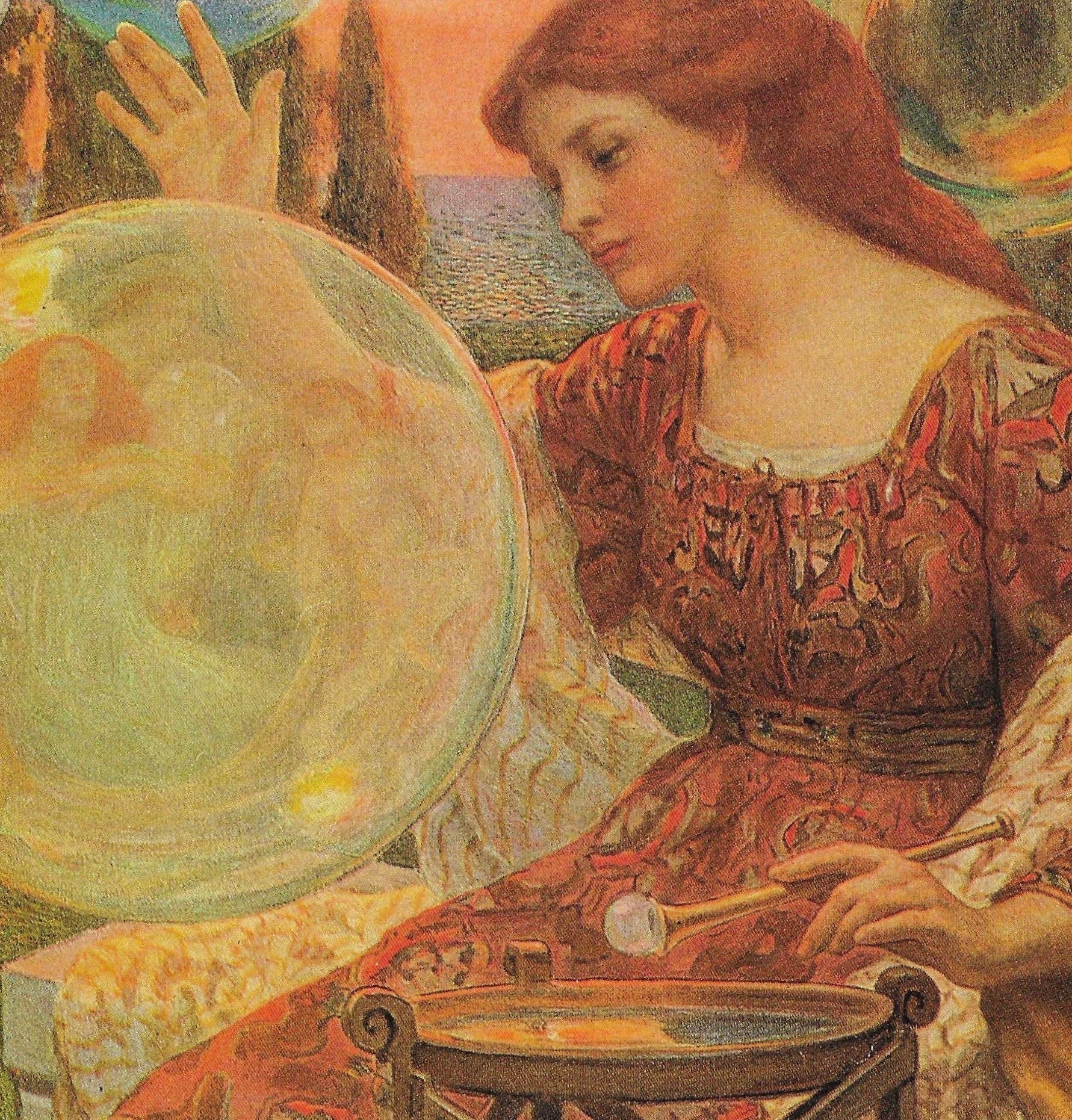

I listened to a fascinating podcast the other day tracing the history of magic in Christianity, starting with the Reformation’s (failed) project of ridding religion of the ‘clutter of superstition.’ Both the host and guest were more traditionally religious and more open to the reality of magic than one might expect, making for my favorite kind of exploration.
Loved this thought: “Understand that the notions of magic are not removed from your experience. They are often concentrated mythological versions of things that you go through all the time… Things like how will affects the world, how some people are able to make things disappear, the interpretation of signs.”
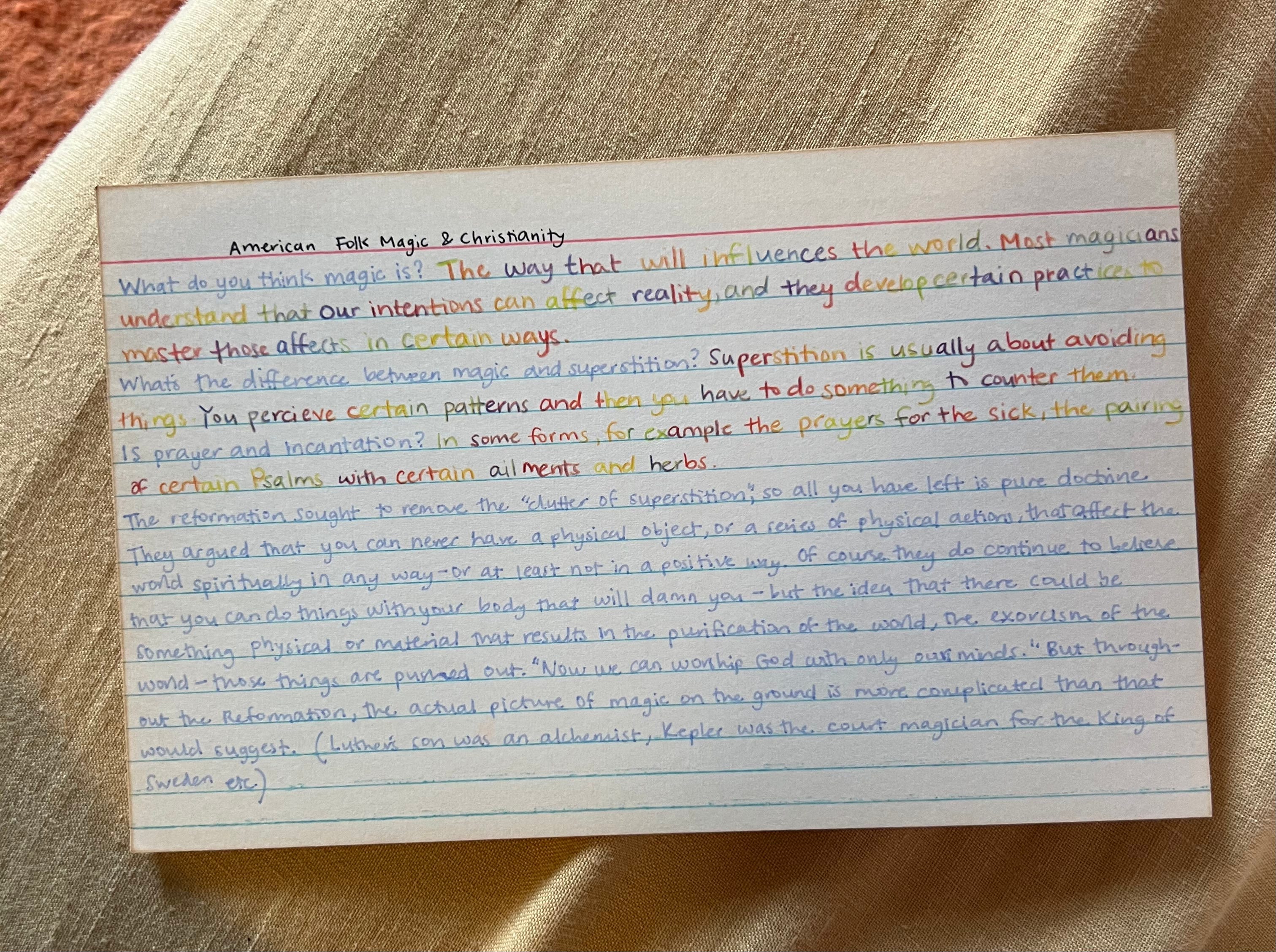
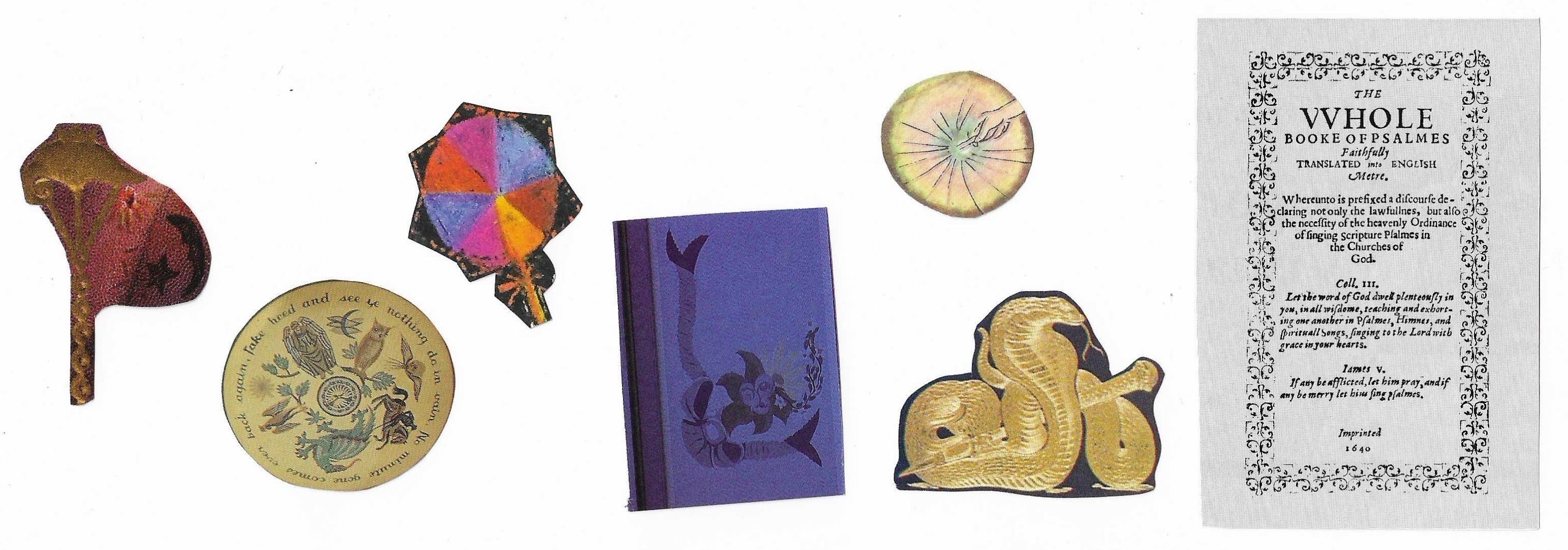


Part of the connection between magic & religion is the belief that we can do simple things with our bodies that affect real change in the spiritual realm. This is not my default way of thinking, but when I am able to grasp it, it always feels like an invitation.


Einstein used the phrase “spooky action at a distance” to describe the phenomenon of how one particle can influence another, no matter how far away - I once heard someone say this phrase is also a nice definition of magic. We can’t escape it!
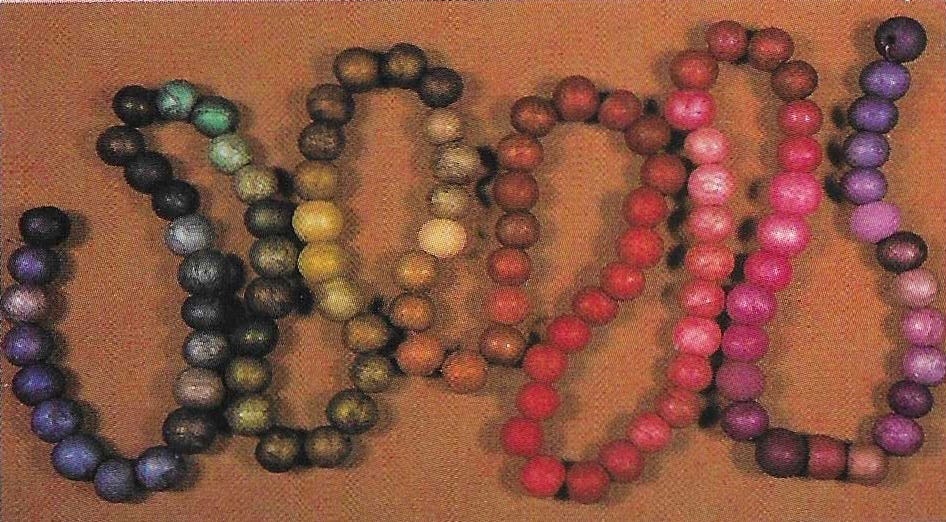
In one of my favorite books The Matter with Things, Iain McGilchrist defines magical thinking as “belief in forms of causation that by convention are invalid.”
“There is more in common than one might at first think between the average Westerner’s acceptance of the efficacy of aspirin and the African villager’s acceptance of a spell from the witch doctor: neither understands, or even asks for, a causal explanation, but accepts treatment on the basis of authority and past experience.”
I can’t help but think of my recent bouts with vertigo, when a telehealth doctor prescribed me a steroid and Morgan and Zack gave me some body movements to do in bed instead. The latter cured me :)
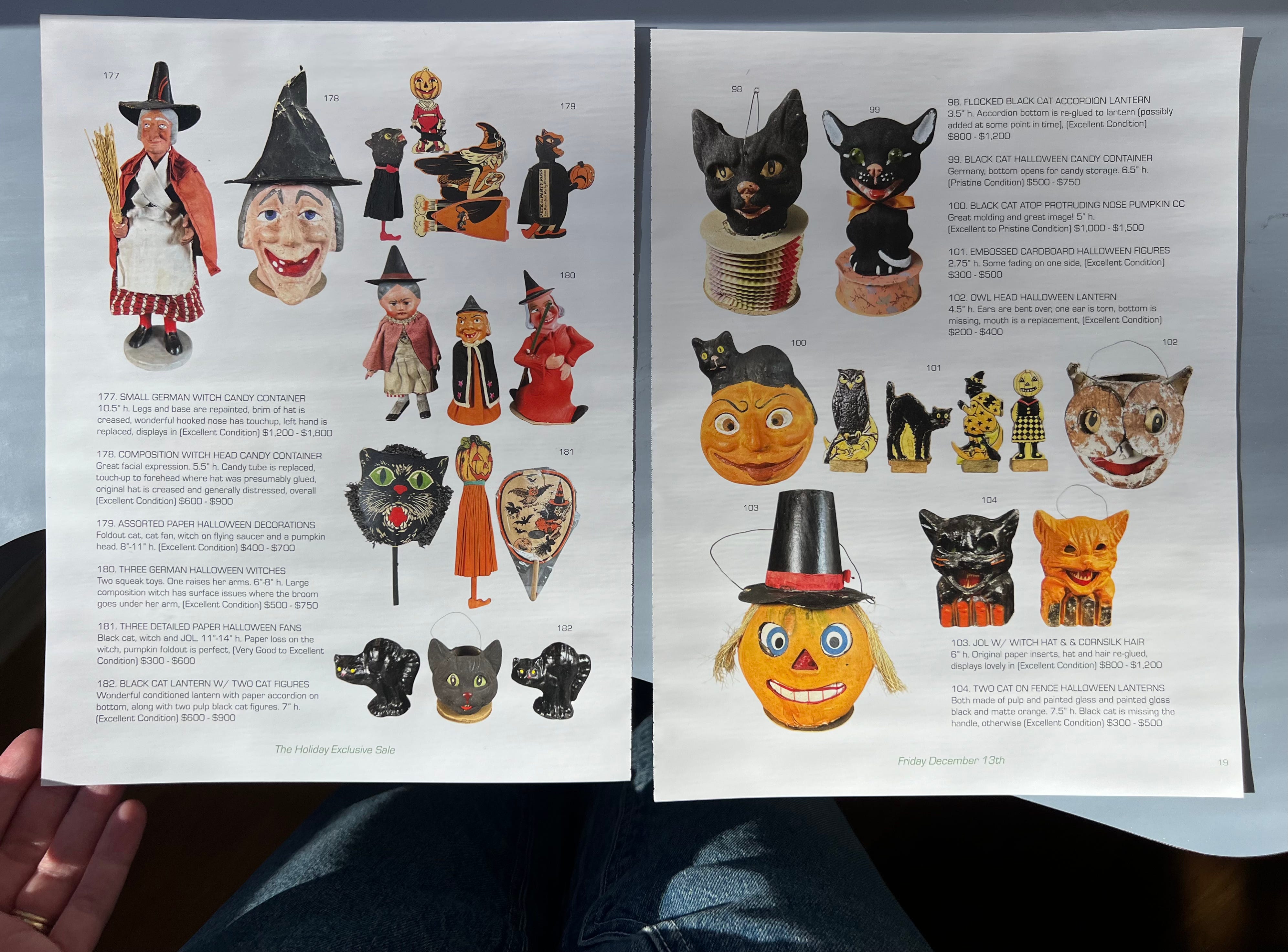
Iain again: Living at either extreme of magical thinking means being duped. Too little means that you are not only unimaginative and uncreative, but at risk of failing to spot the obvious (the tiger that is there); too much means you are at risk of delusion (spotting the tiger that isn’t).
***
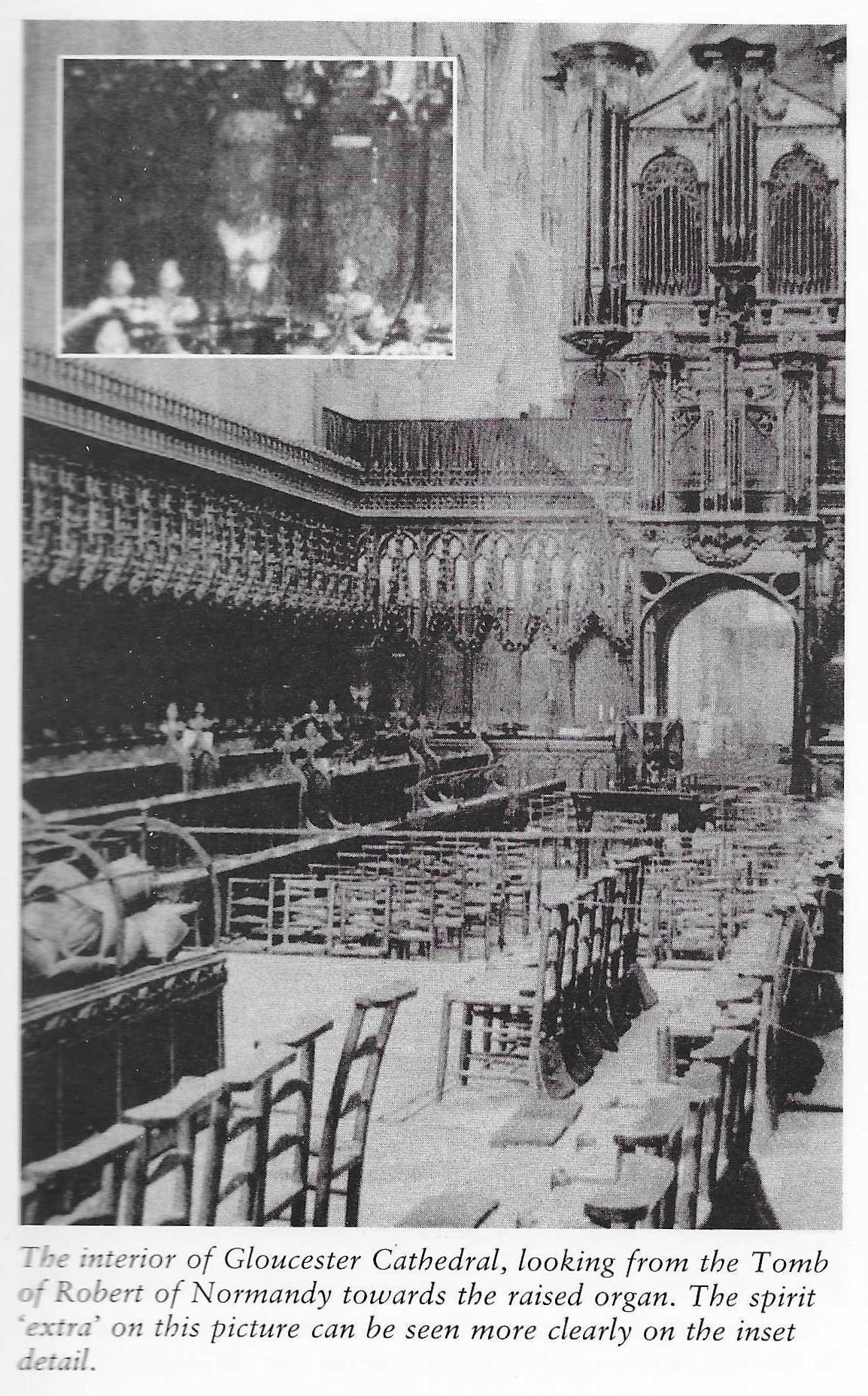
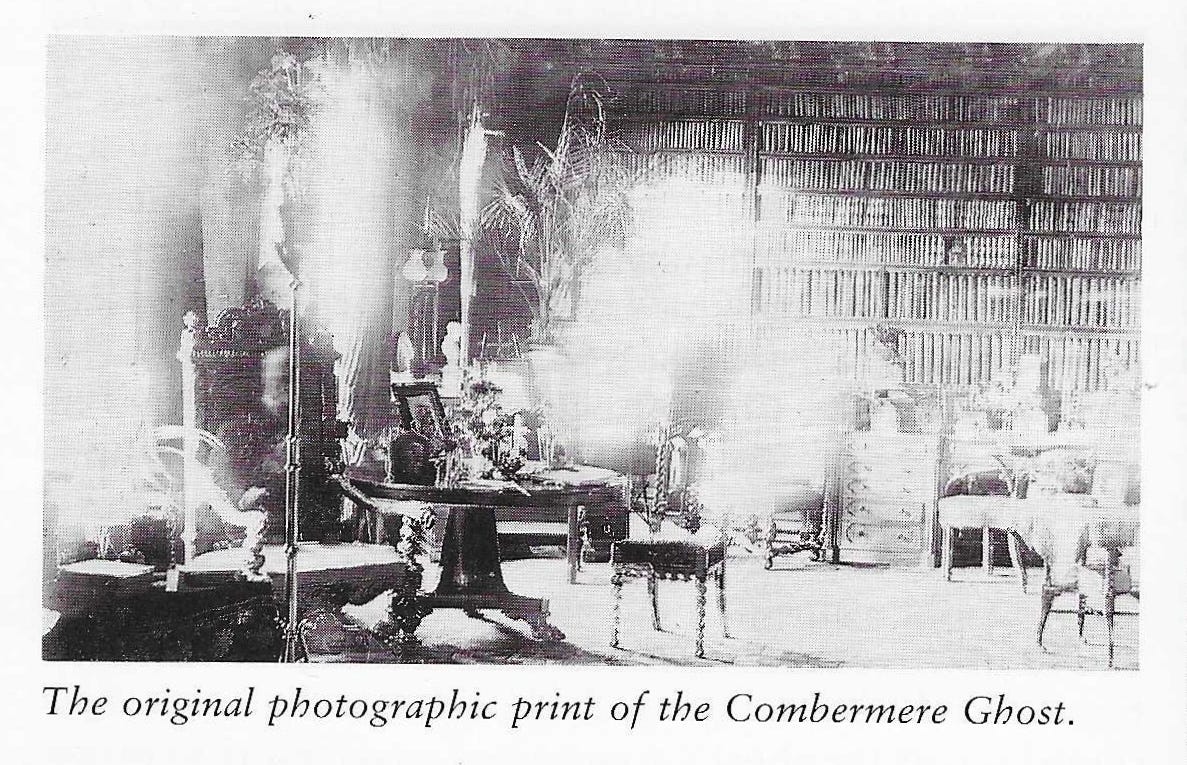
P.S. Some photographic proof of (very sophisticated) ghosts from my Atlas of Occult Britain.
reading the post with the music playing was a next level experience!!!
The casper movie I just watched, the maple ice cream we just had, + this post made for a 10/10 night before Halloween