
Medieval

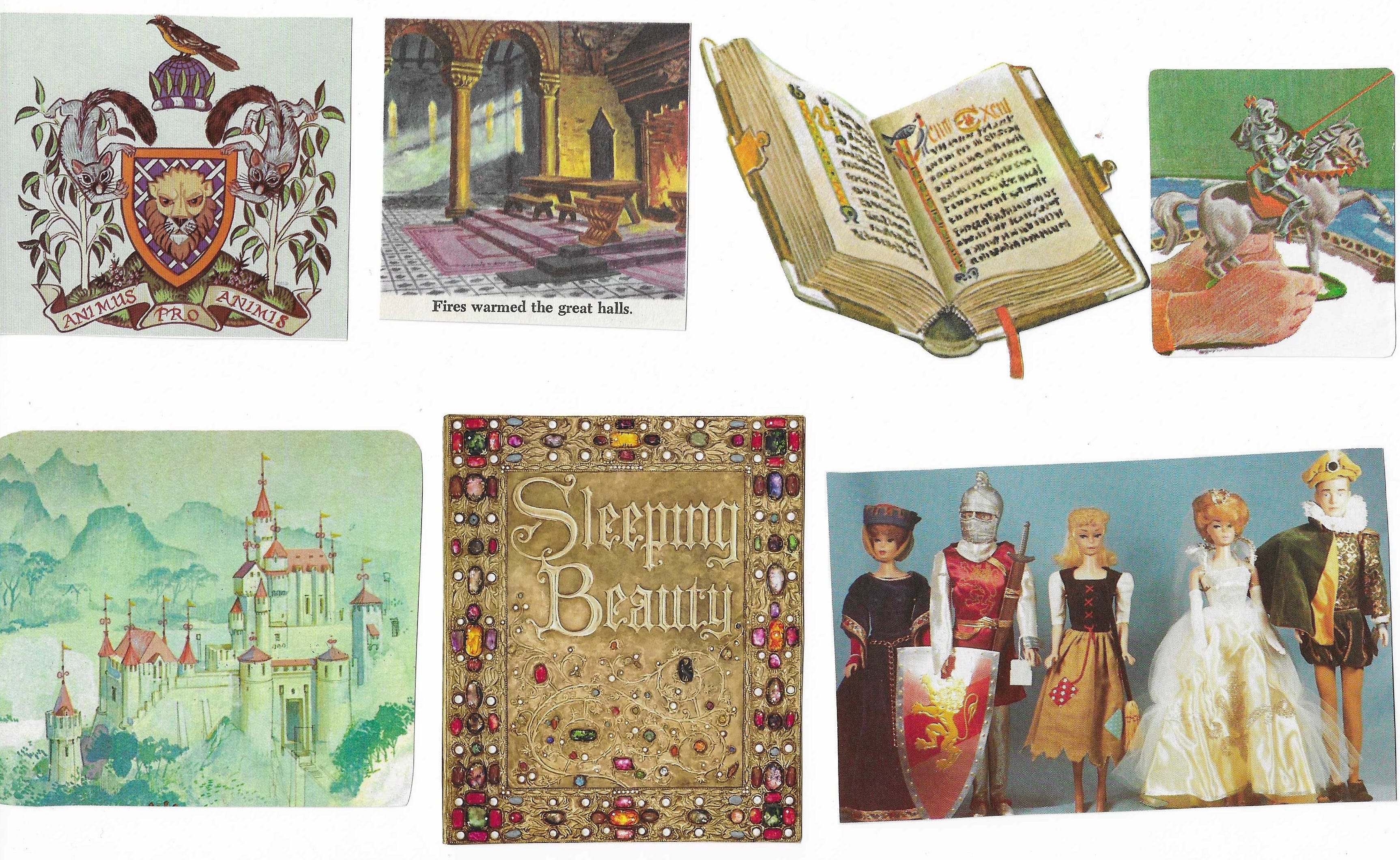

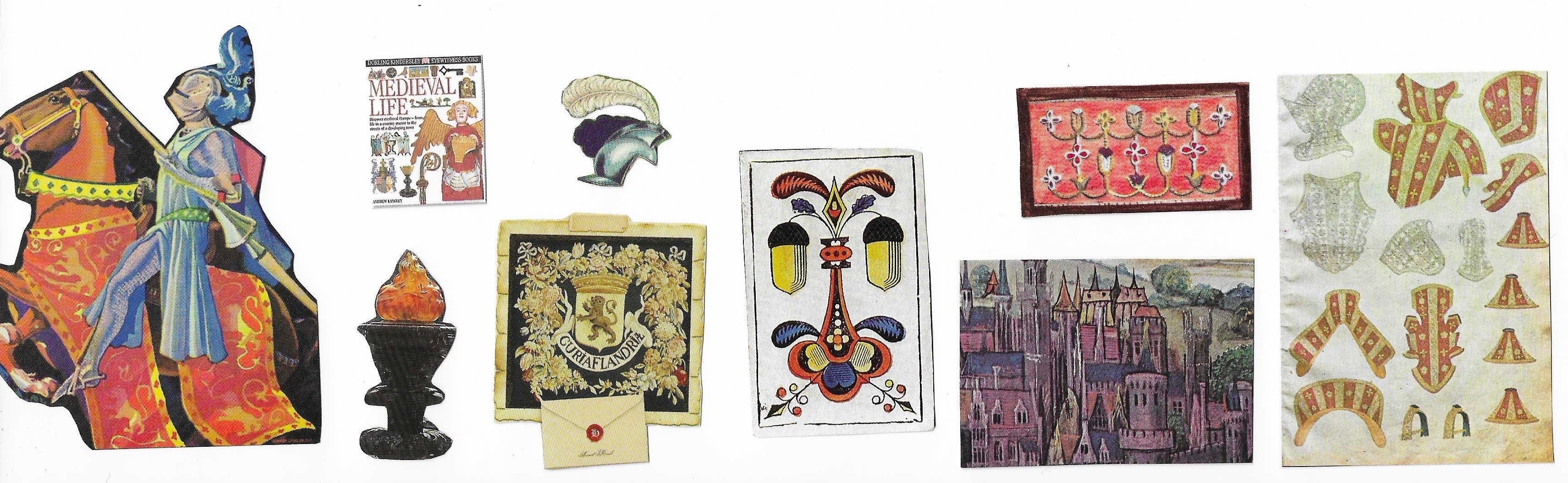
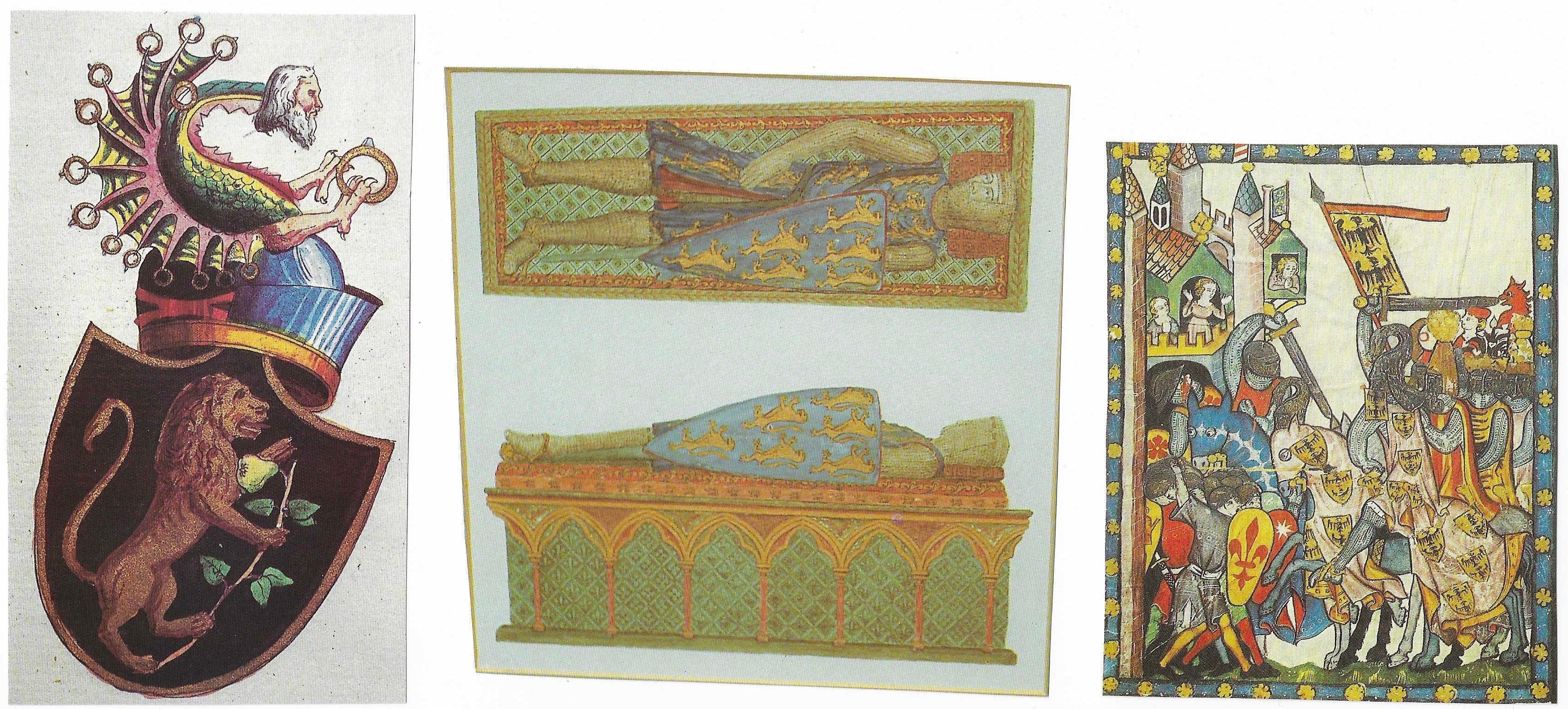
The Middle Ages span a shocking 1,000 years (500-1500), which may help explain why once you start taking stock, nearly every fantastical element we have today seems to have some medieval thread. The castle, the knight, the princess, the dragon. The king, the sorcerer, the quest, the grail.
There’s freedom in projecting your fantasies onto the Middle Ages, because that’s what most humans during and after have been doing.
The Victorians were especially infamous for muddying the historically-accurate waters; all of us down river from them inevitably inherit their heavily-romanticized medieval vision. (Factual accuracy is never my first priority in a mood, so I love this mixing of histories.)
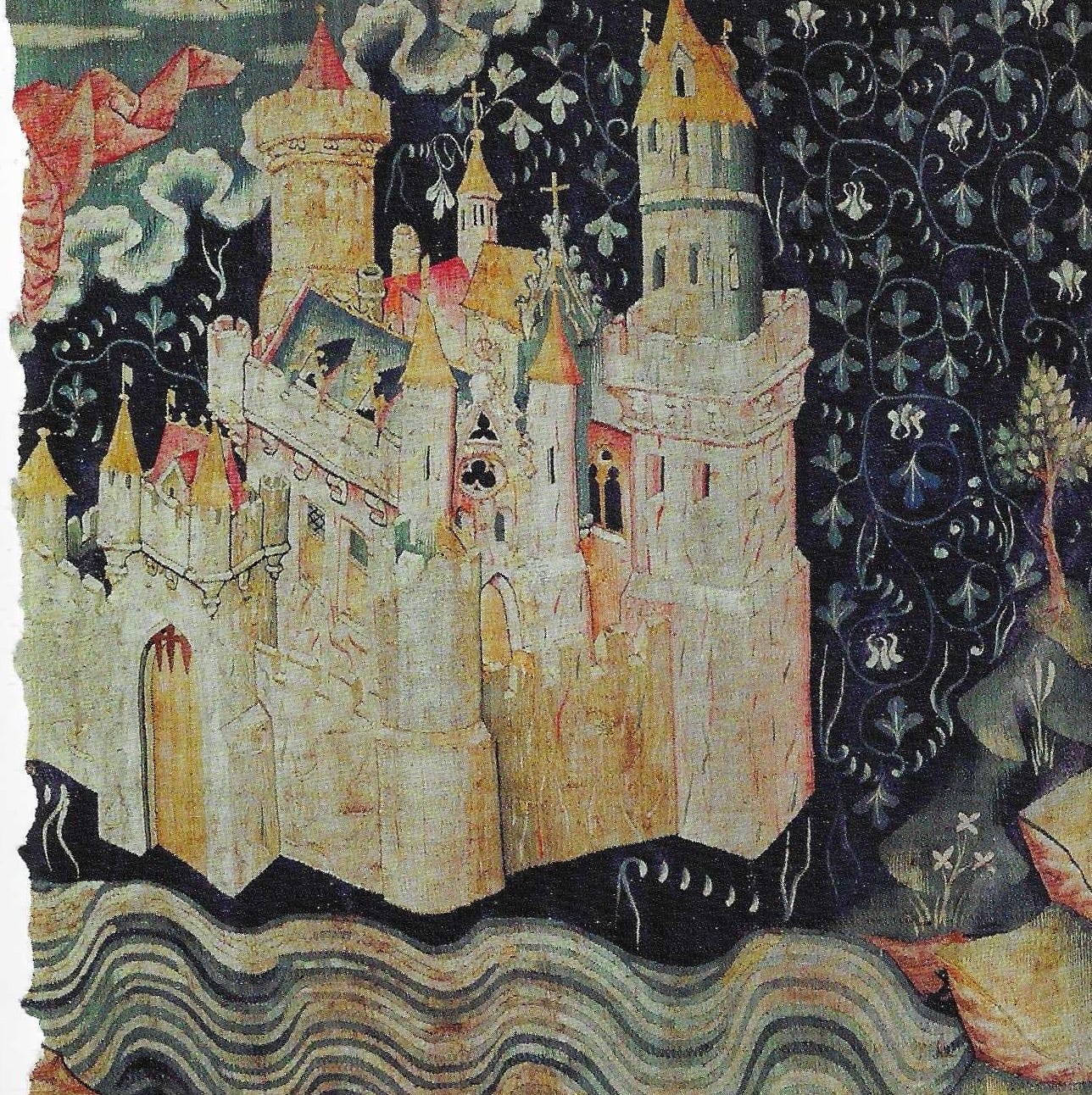
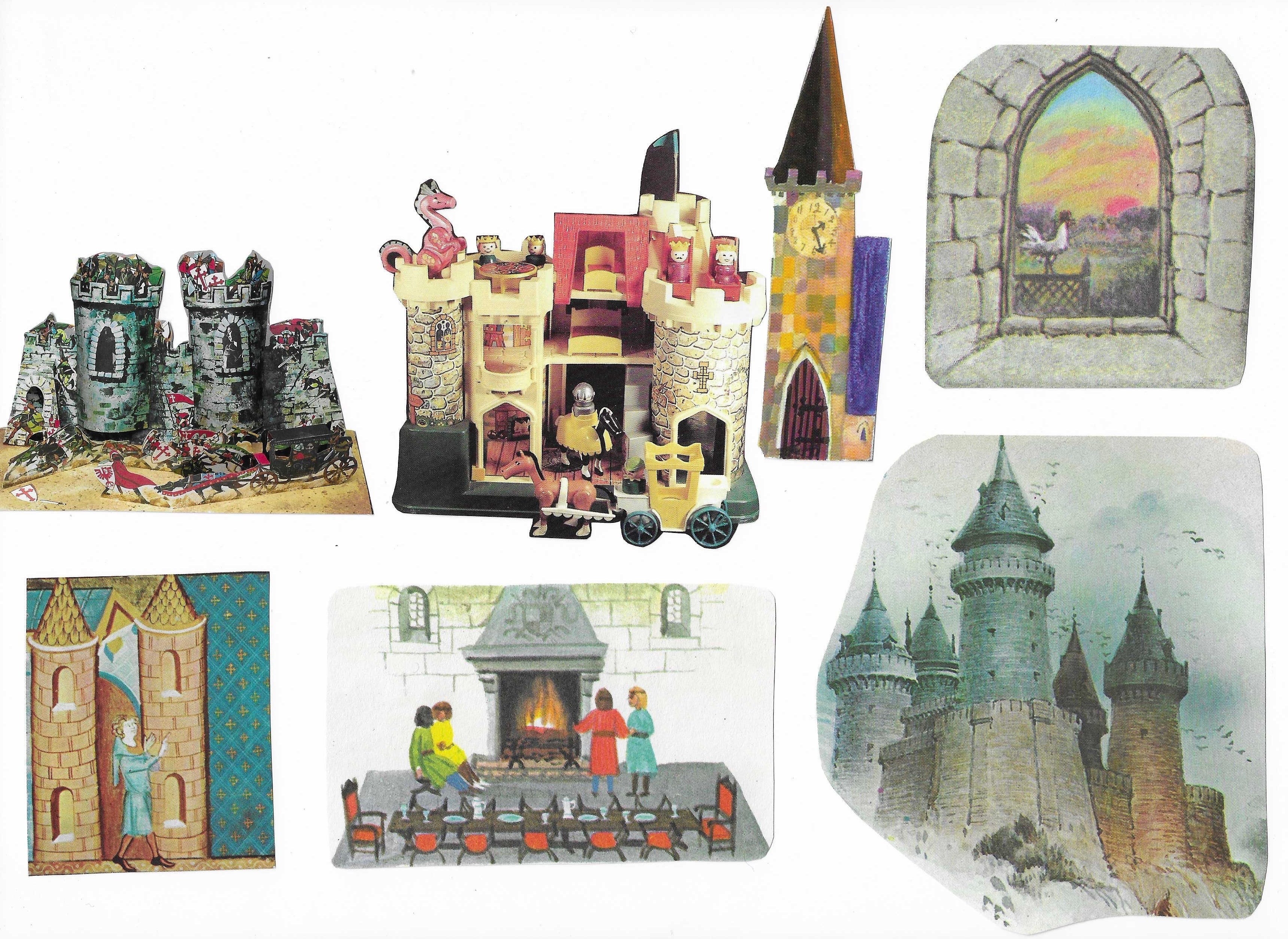
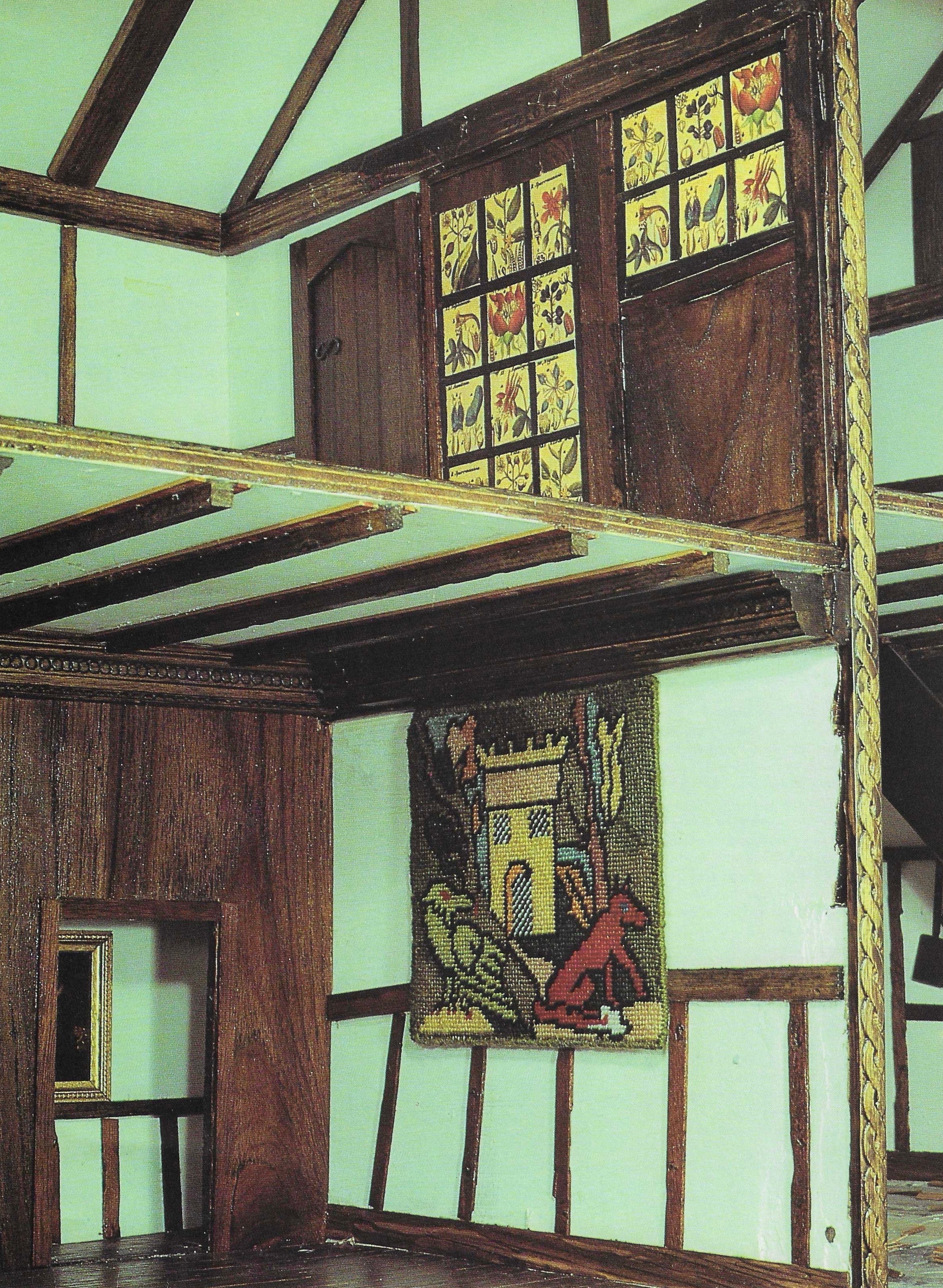
As far as images go, the castle is a personal favorite. It’s foresight: from the comfort of it’s tapestry-lined walls, you can see for miles. It’s a form of safety that is the opposite of hiding; you have made yourself obvious in order to make your enemy obvious.
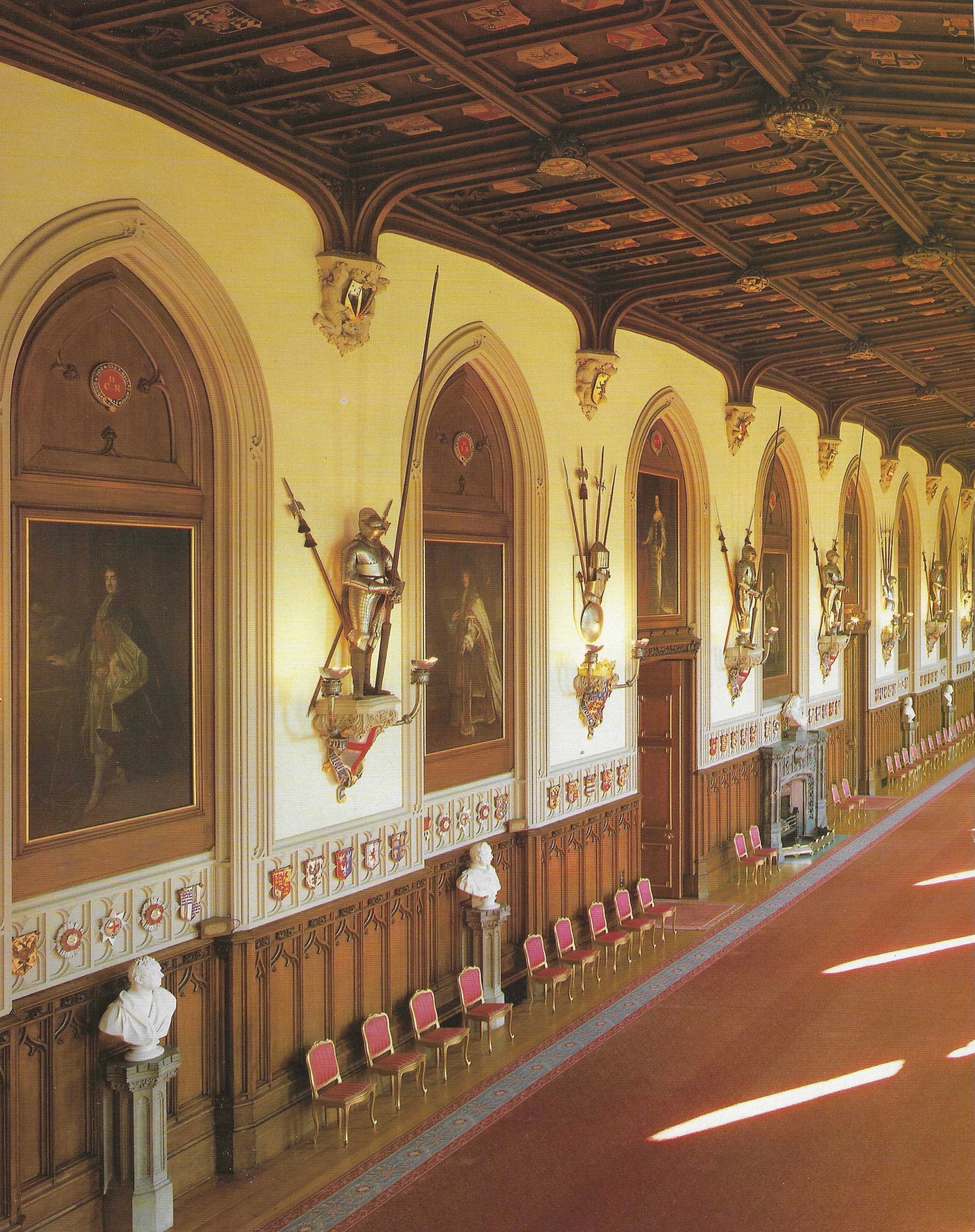
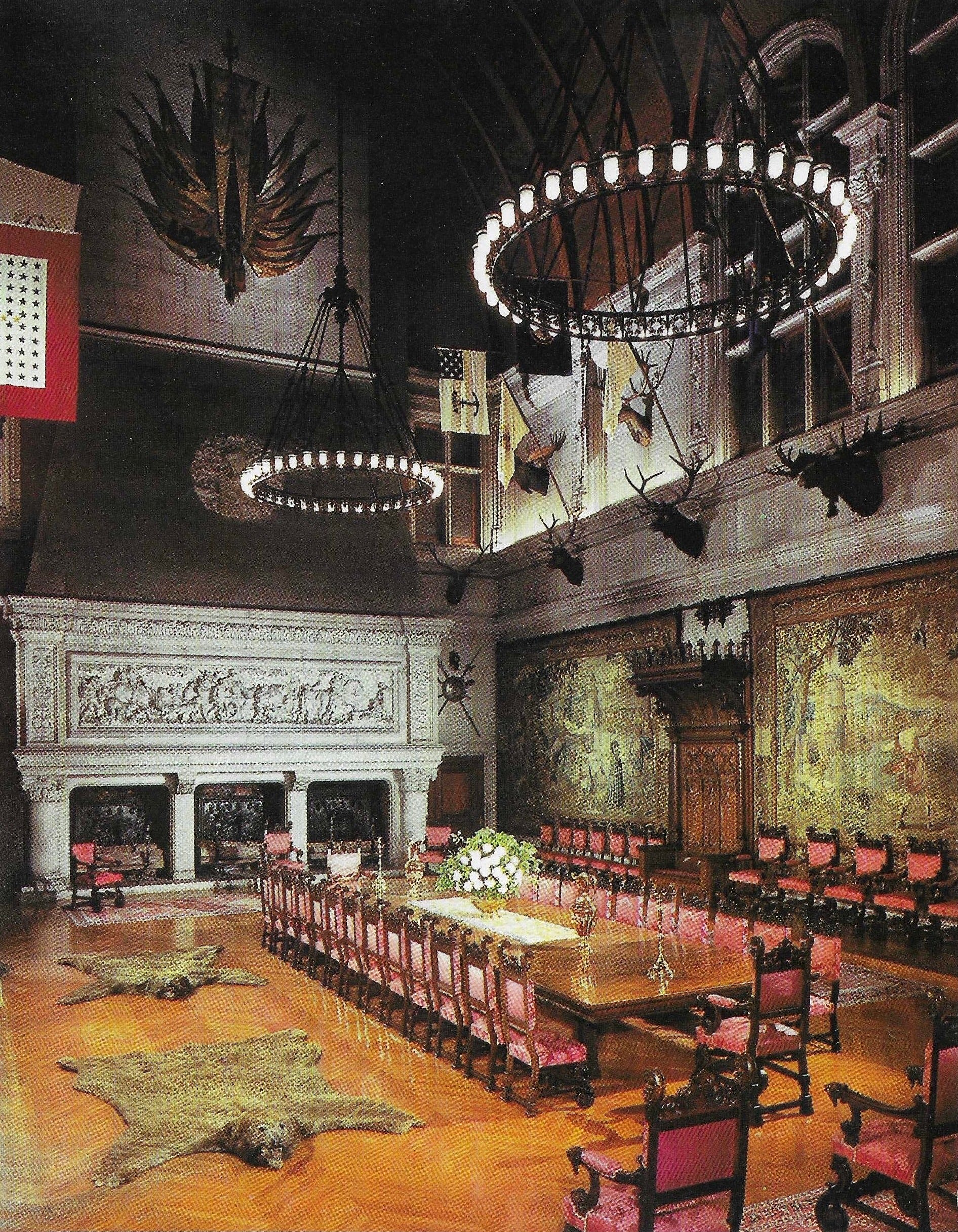
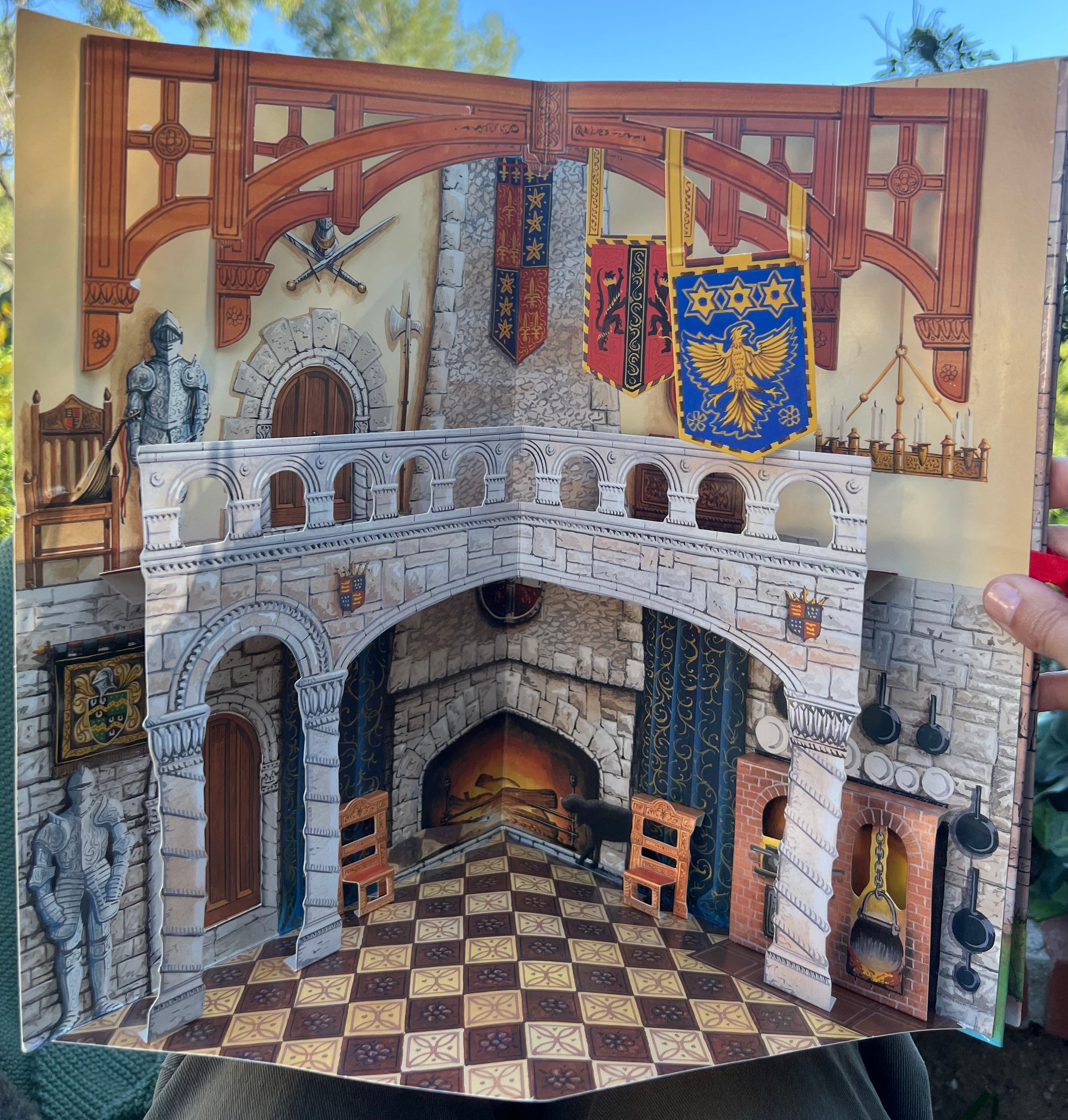
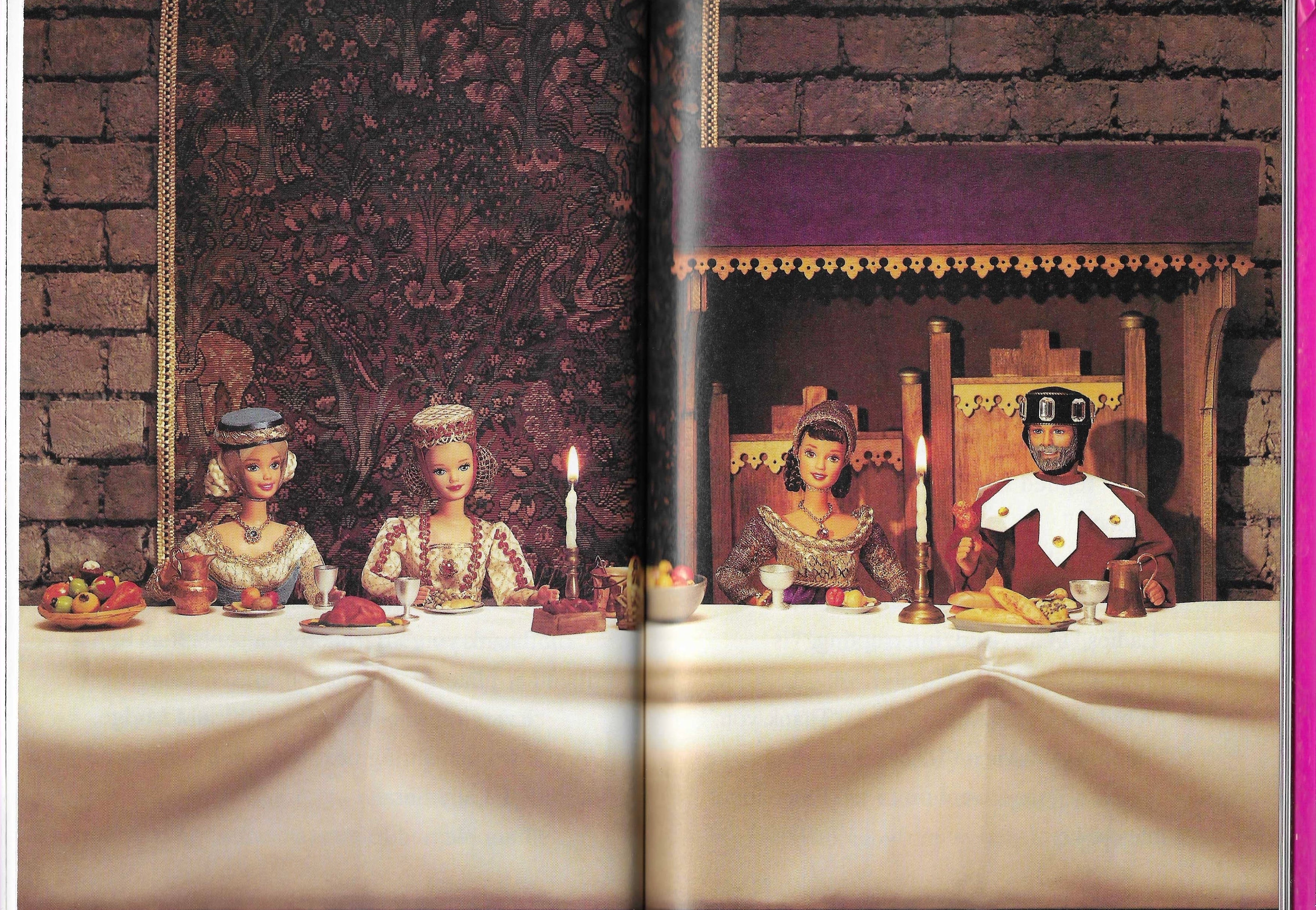
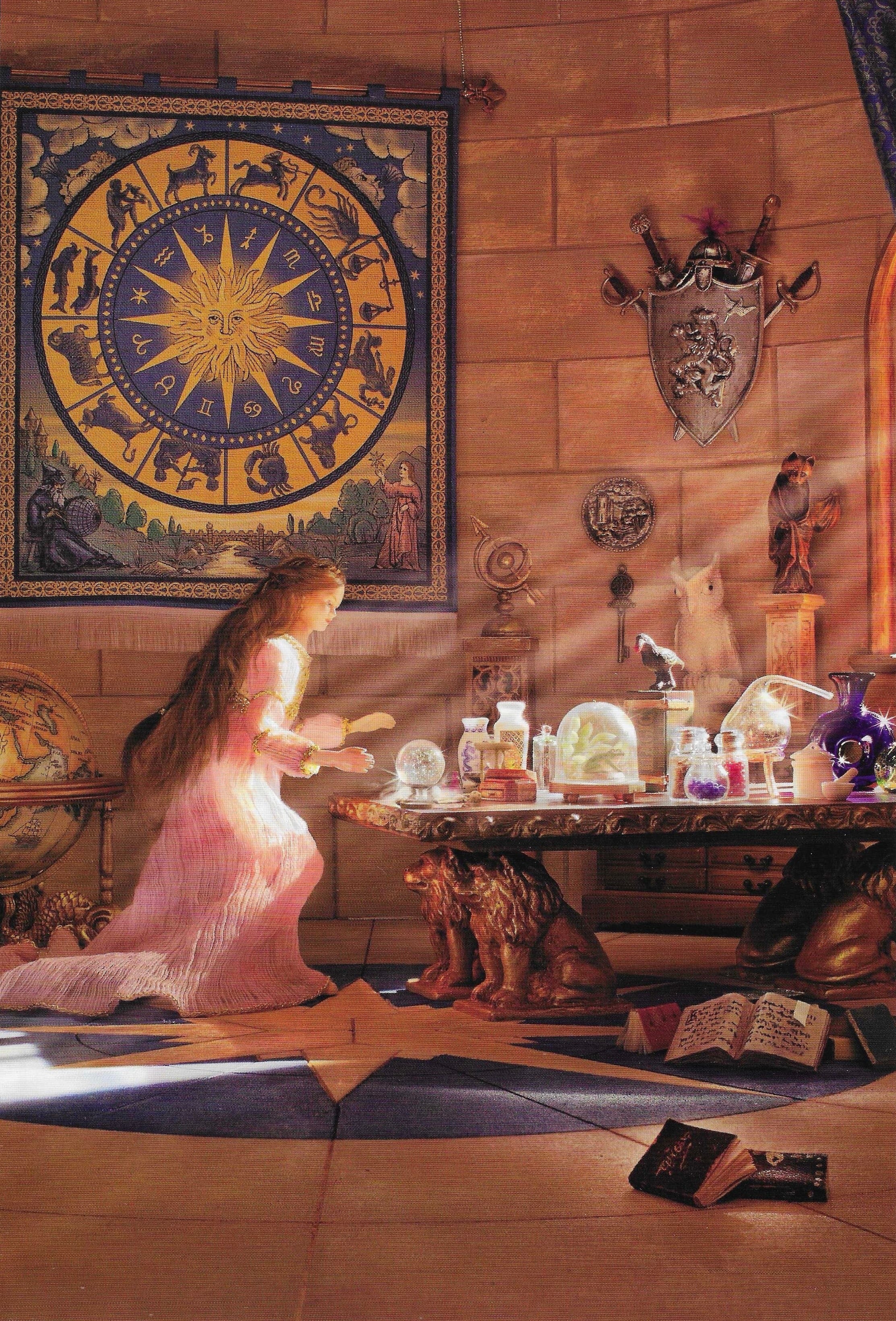
Many of our most treasured fairy tales pull generously from the fountain of medieval images. Snow White, Sleeping Beauty, Cinderella, Beauty and the Beast, Rapunzel. “Once upon a time” may be ambiguous, but their architecture, clothing, and cast of characters are markedly medieval.


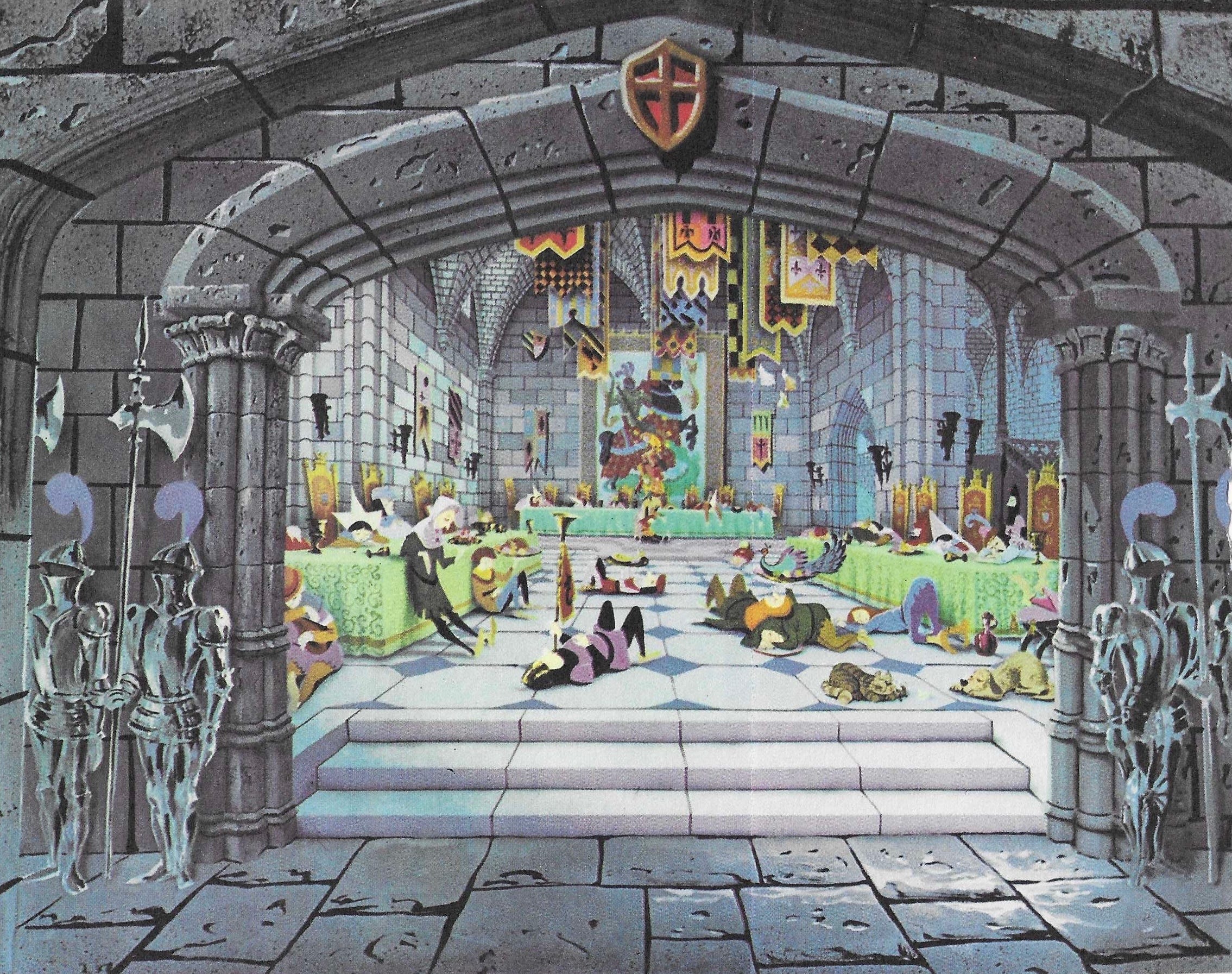


“The visual vocabulary of modern medievalisms – broadswords, shining armor, horse in elaborate regalia, Gothic castles and cathedrals, costumes of rich brocade – feels authentic because it has its origins in medieval books and other media. Already in the Middle Ages, though, these images were entangled in the representation of fiction blended with classical and contemporary history that often transcended boundaries of chronology. This complex layering of history was a staple of the medieval imagination.” - The Fantasy of the Middle Ages


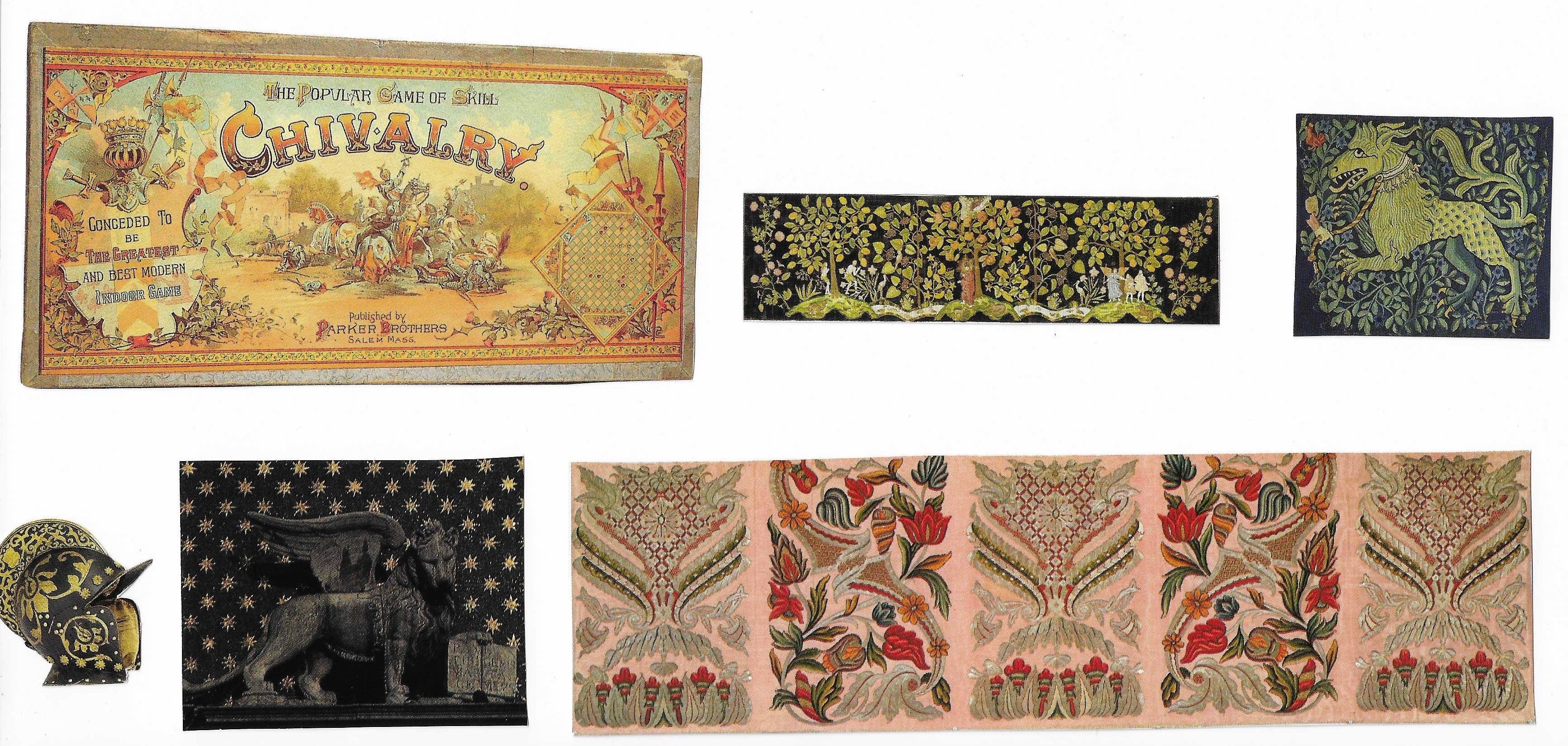
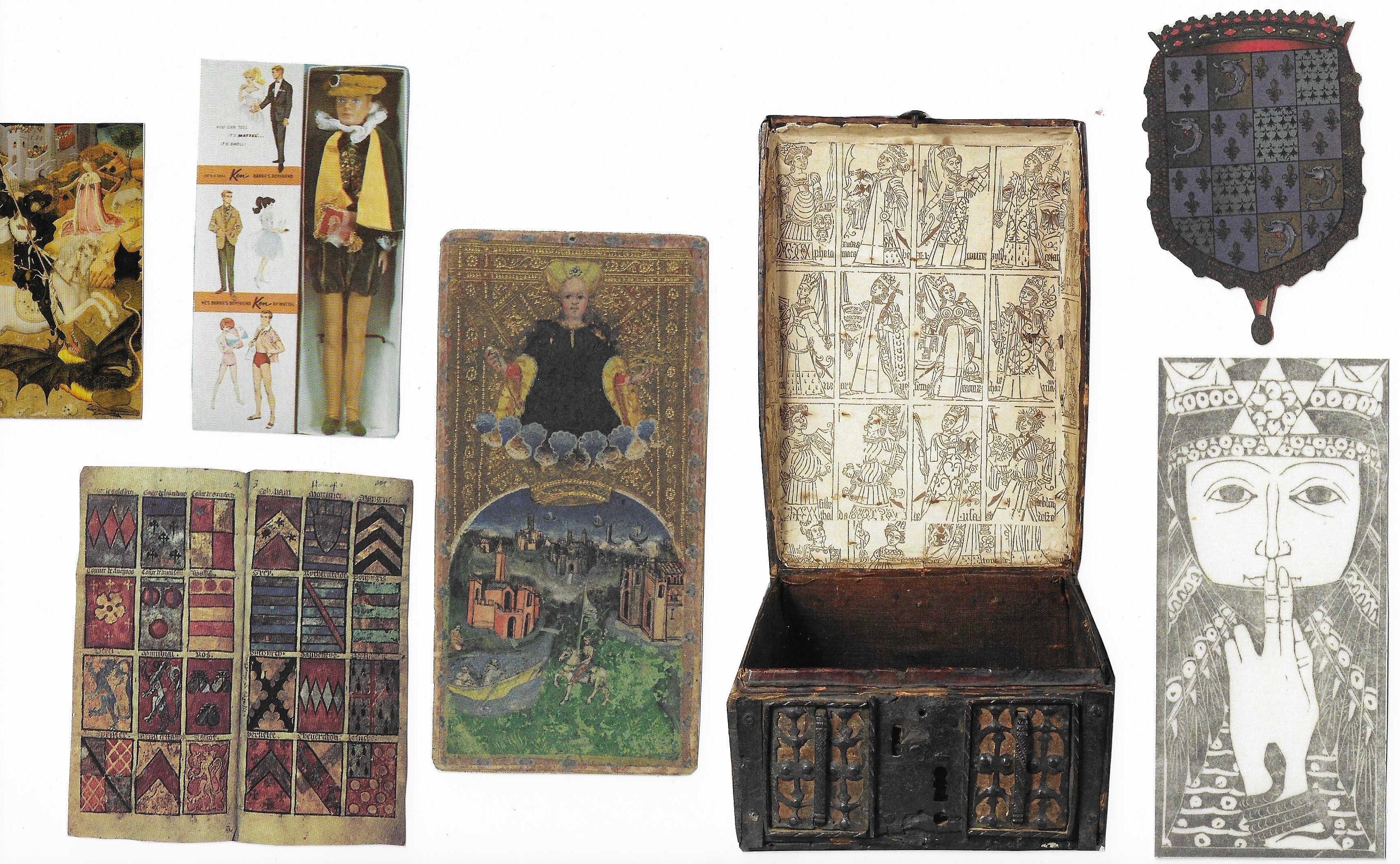
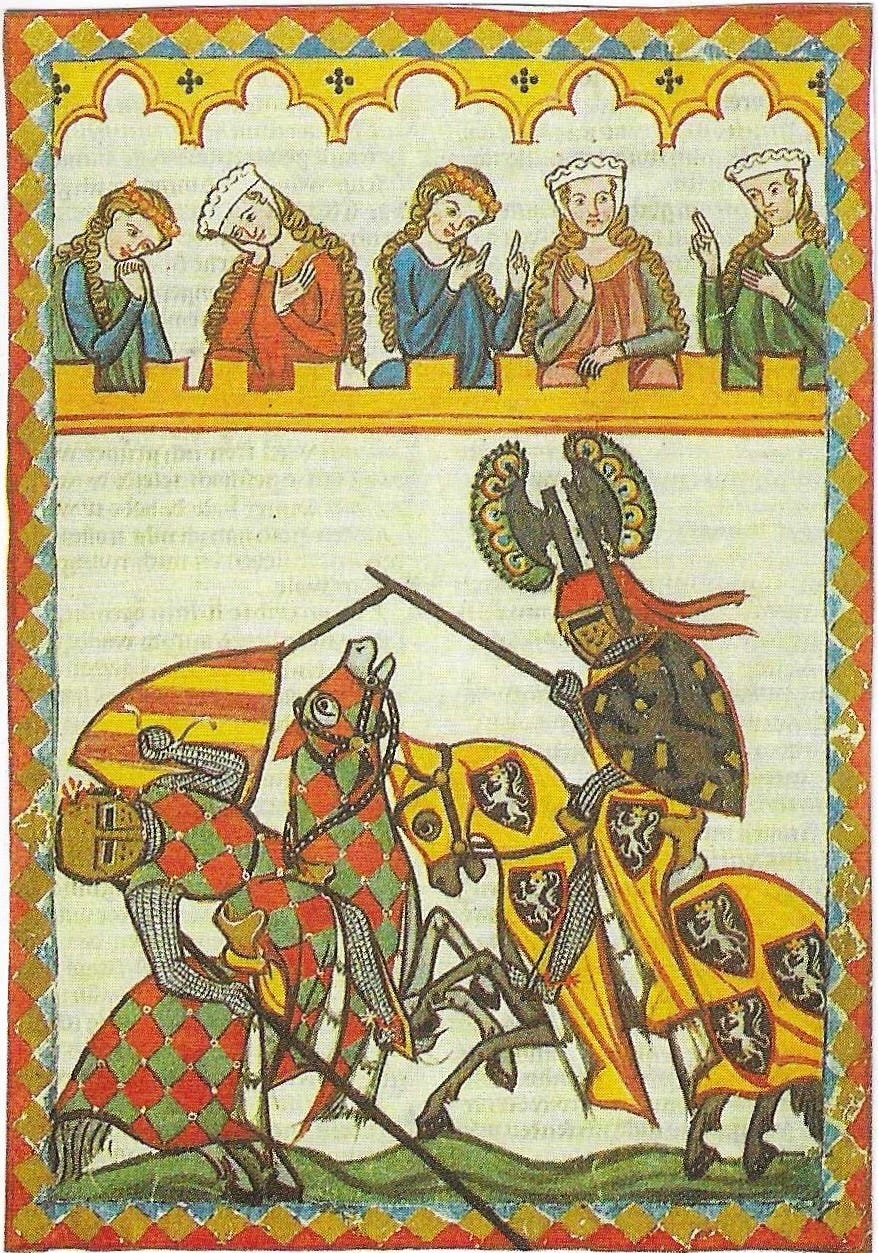
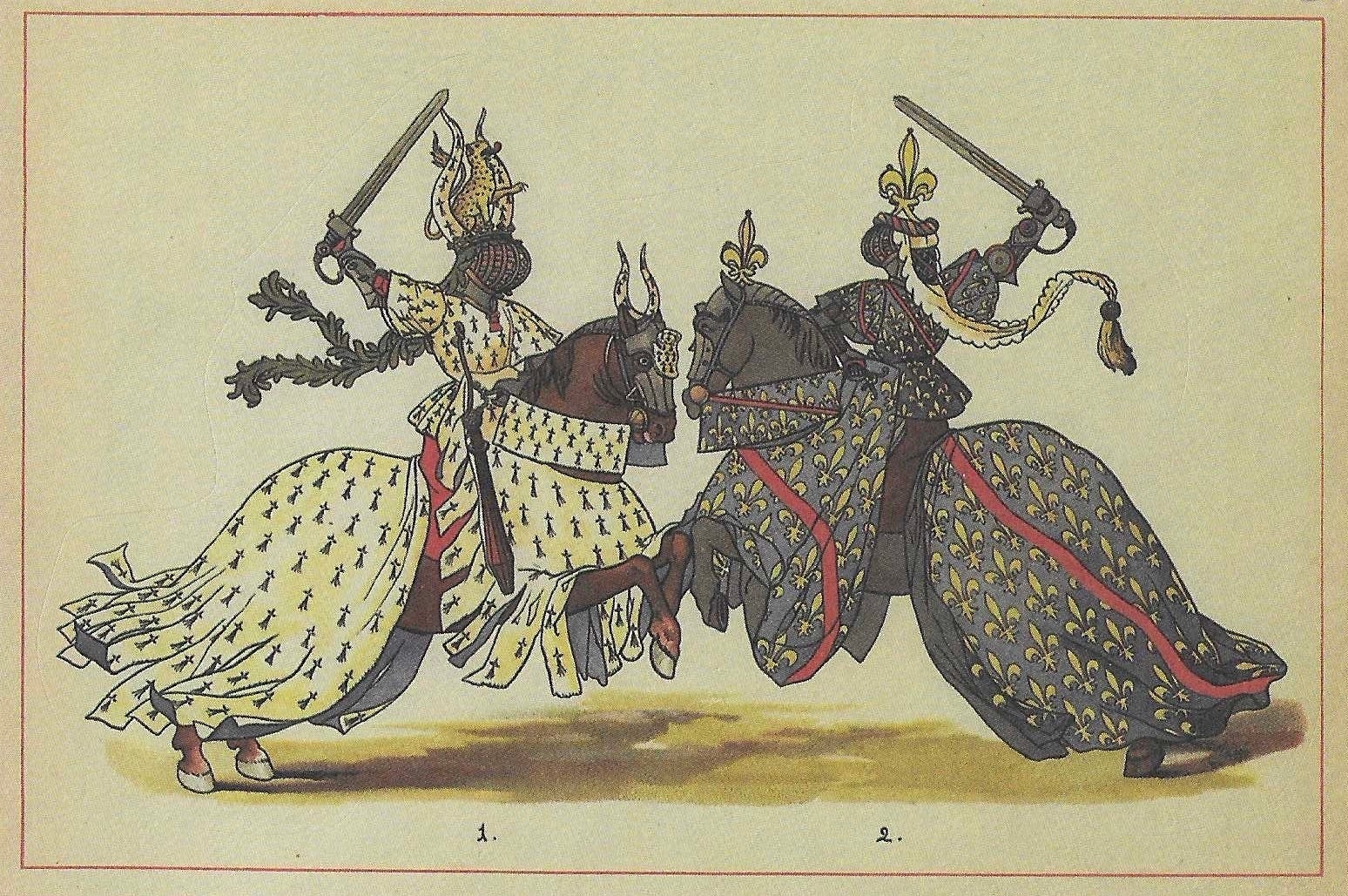
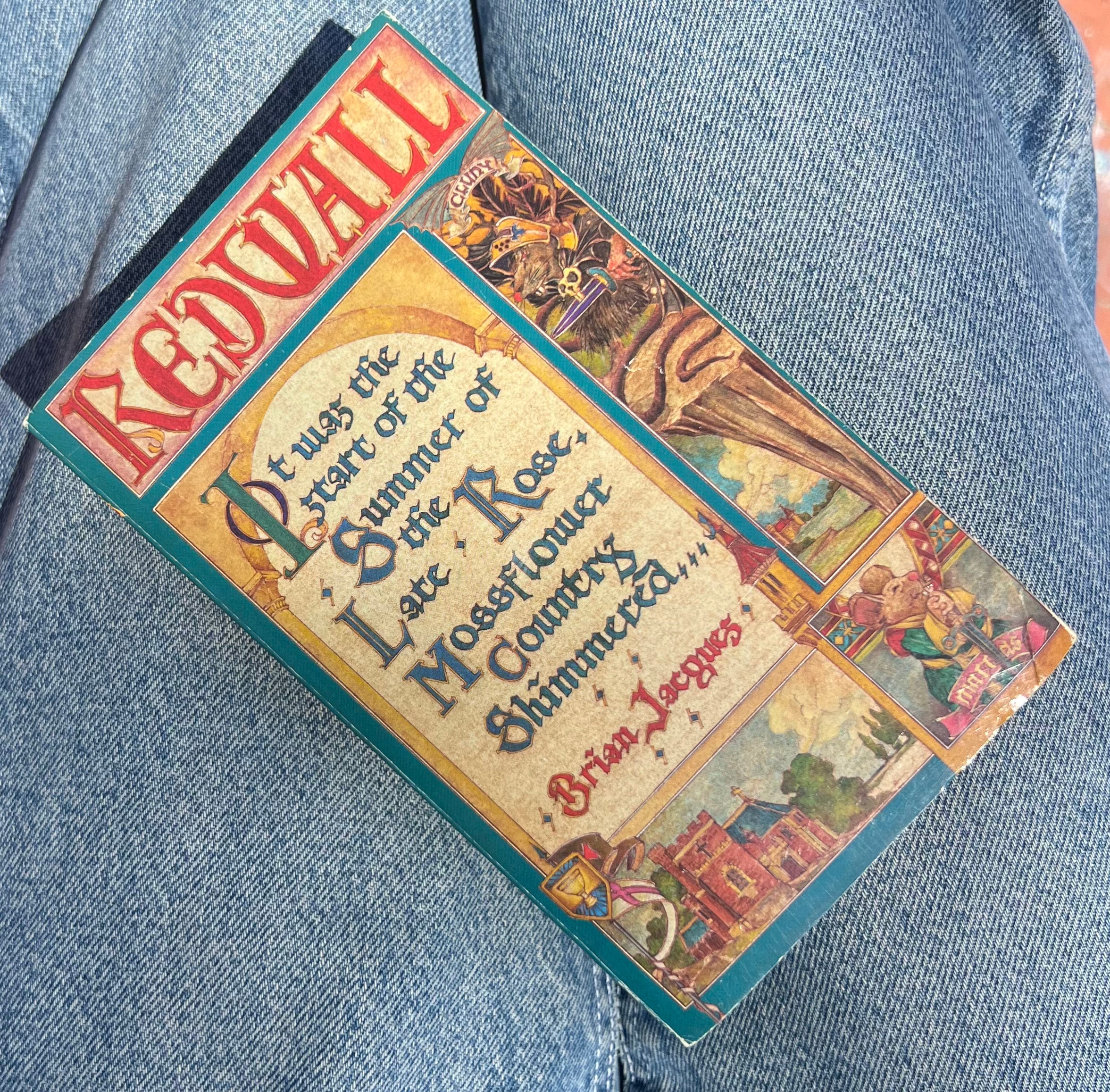
The medieval becomes specific and embodied in the legend of King Arthur. Questions of how to live well are played out in his kingship at Camelot, his love of Guinevere, and his friendship with Lancelot. So much has been written about him that he has his own sub-genre, charmingly called “Arthuriana.”
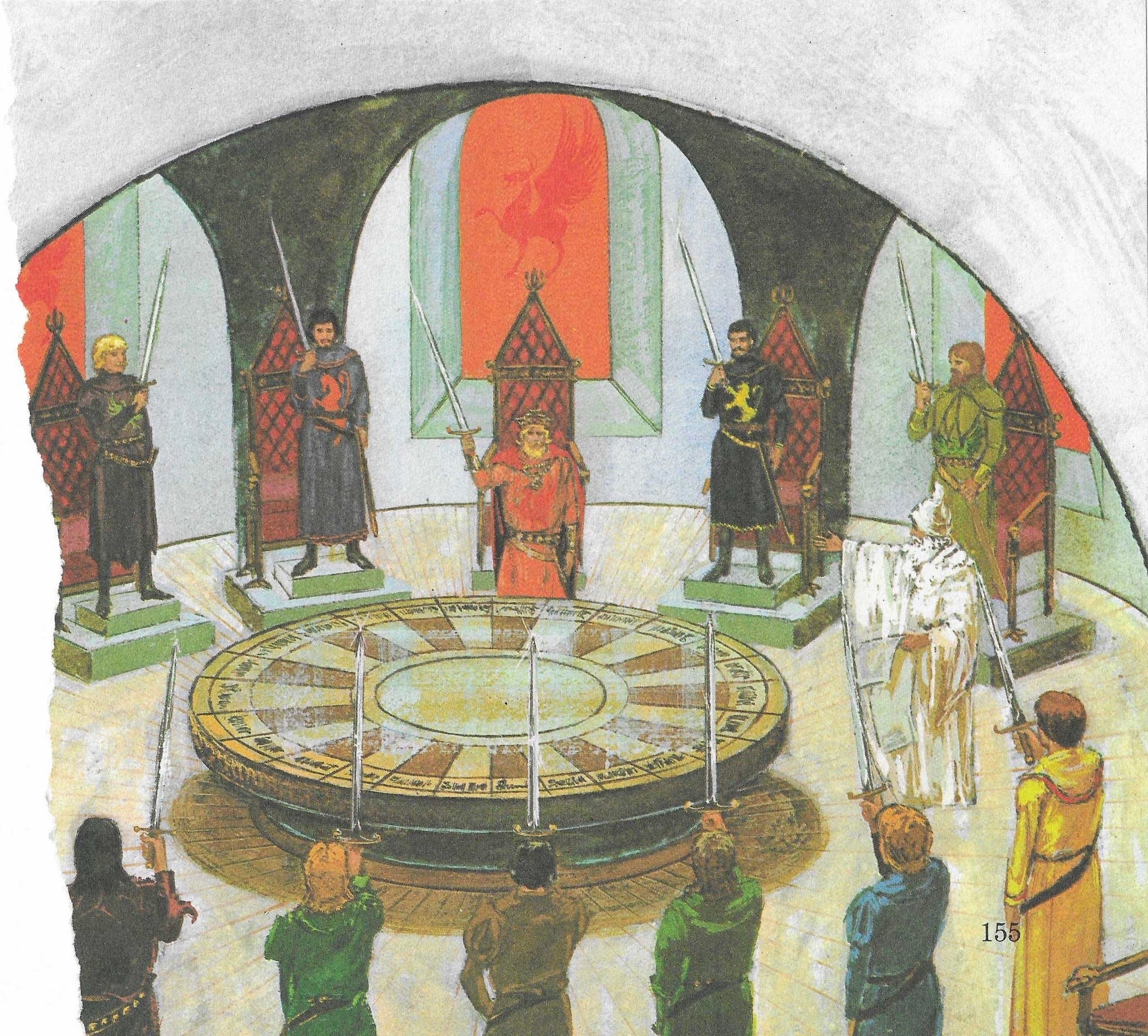
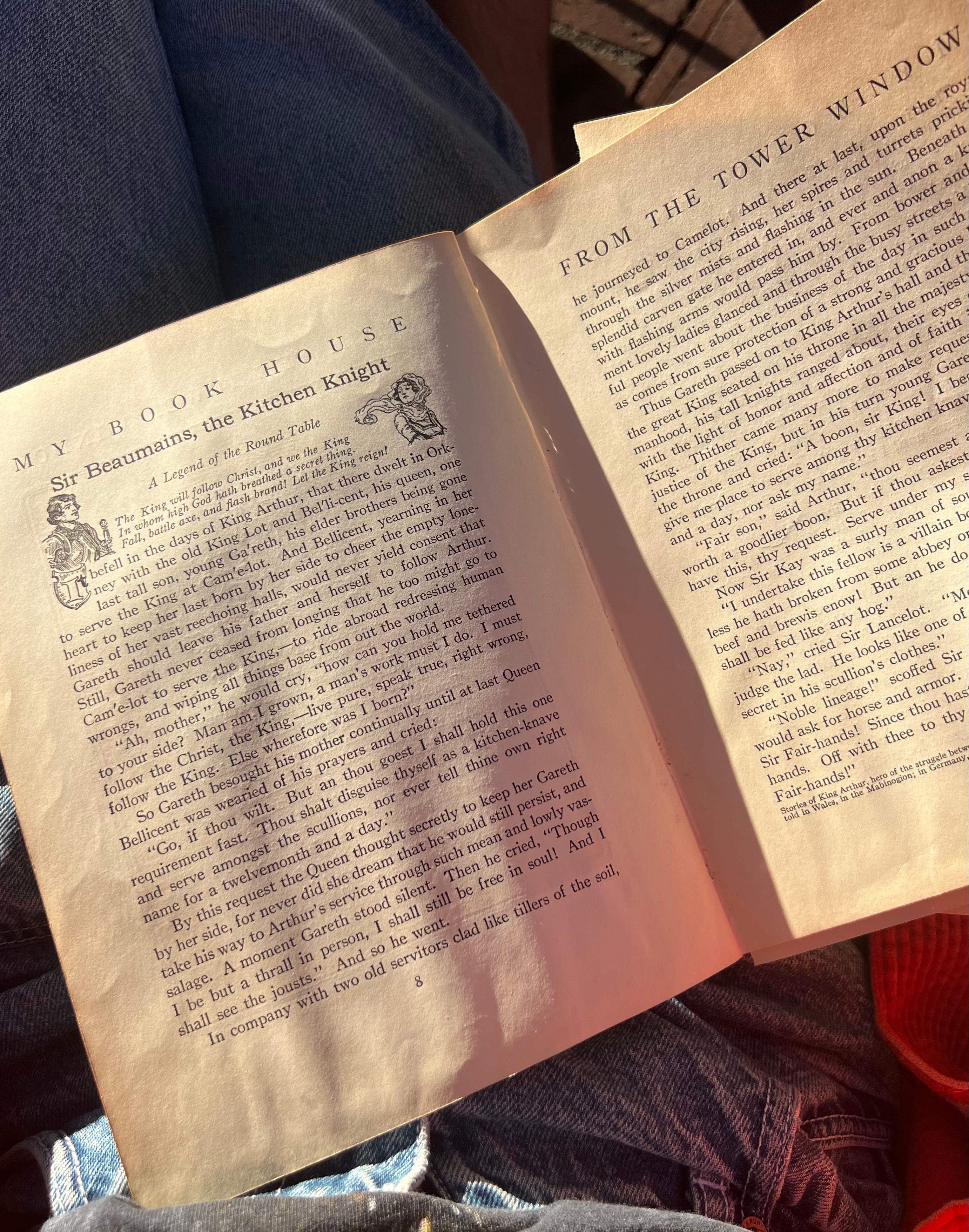
There are endless variations of Arthur as king (or warrior); I prefer those in which he is unfailingly good. Serving a good king is whole-heartedness. It’s clear action, body and heart aligned - it feels rare, more symbol than possibility.
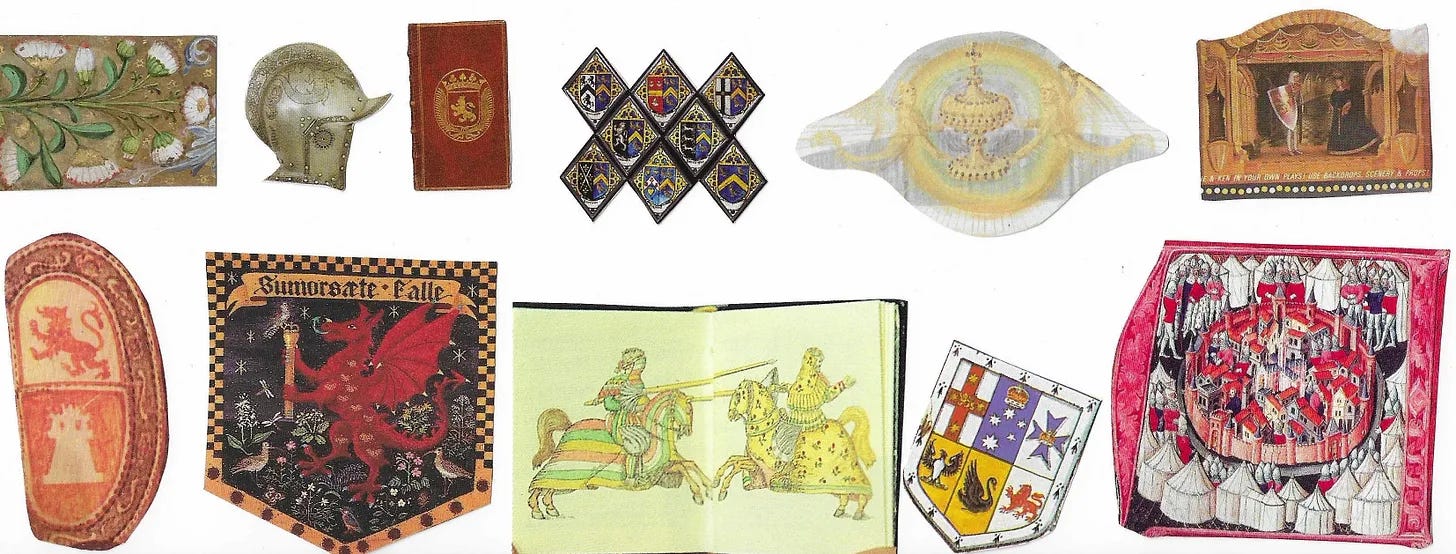
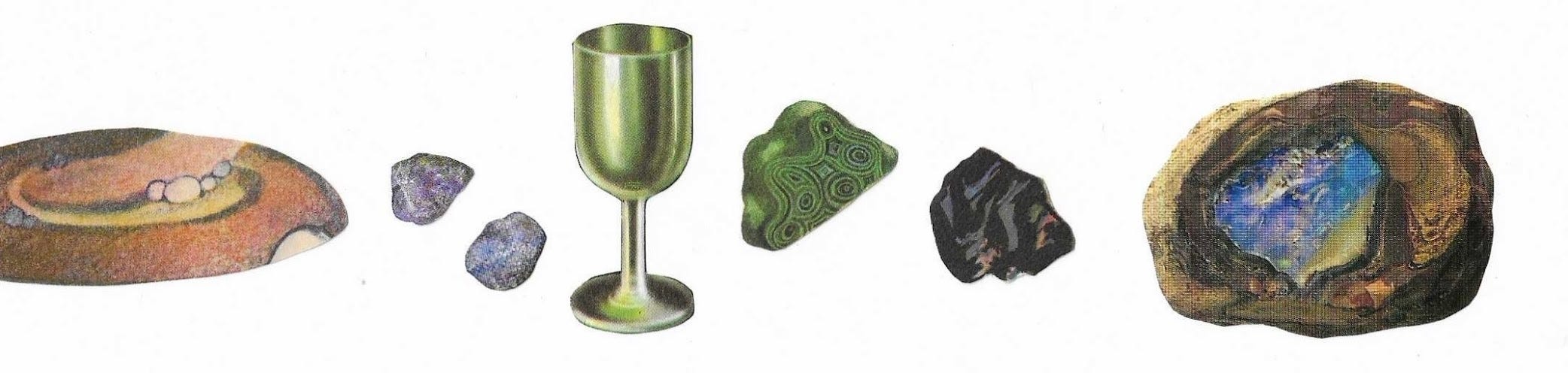
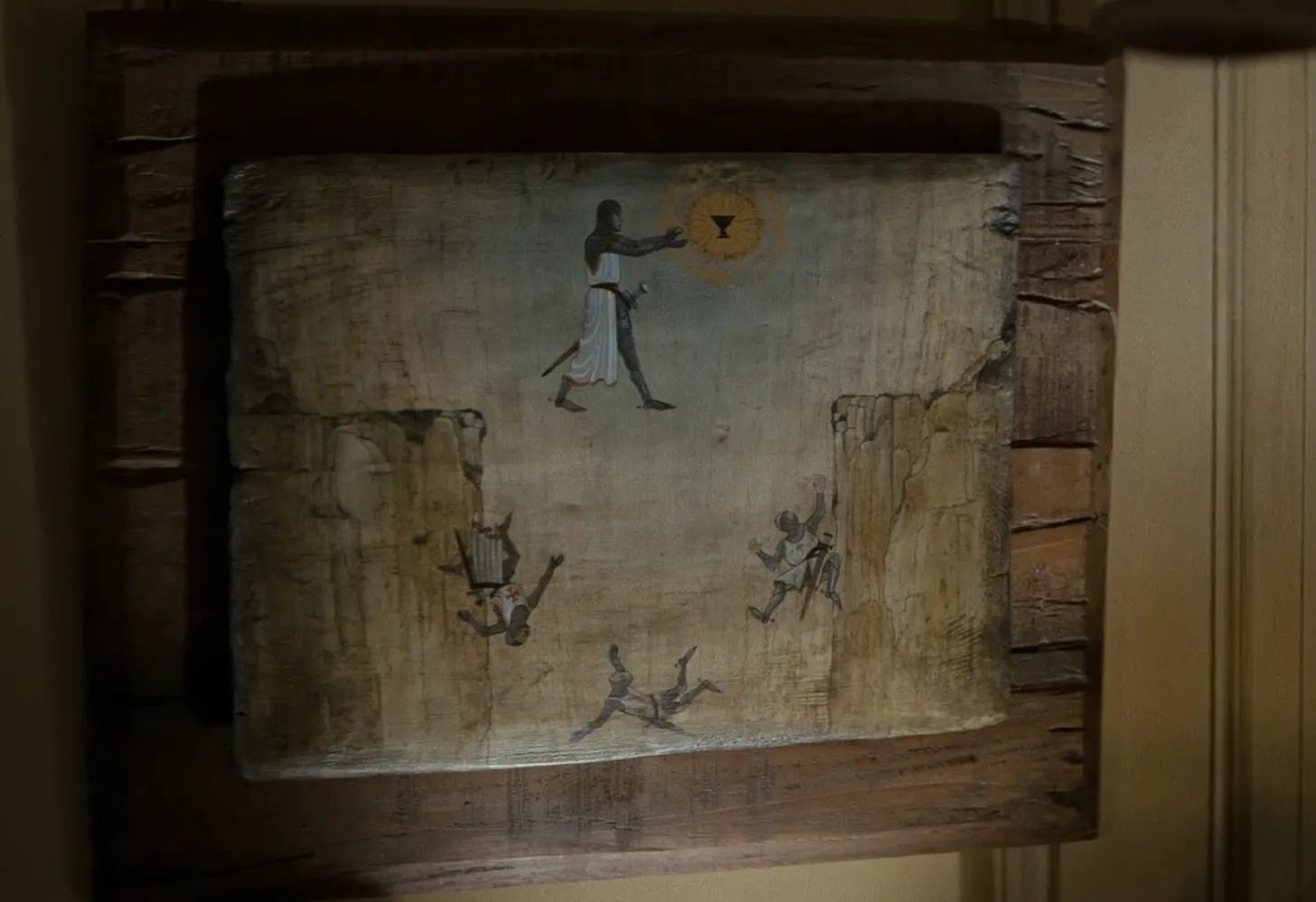
Of course with Arthur comes the quest for the Holy Grail, traditionally the cup Christ drank from at the Last Supper.
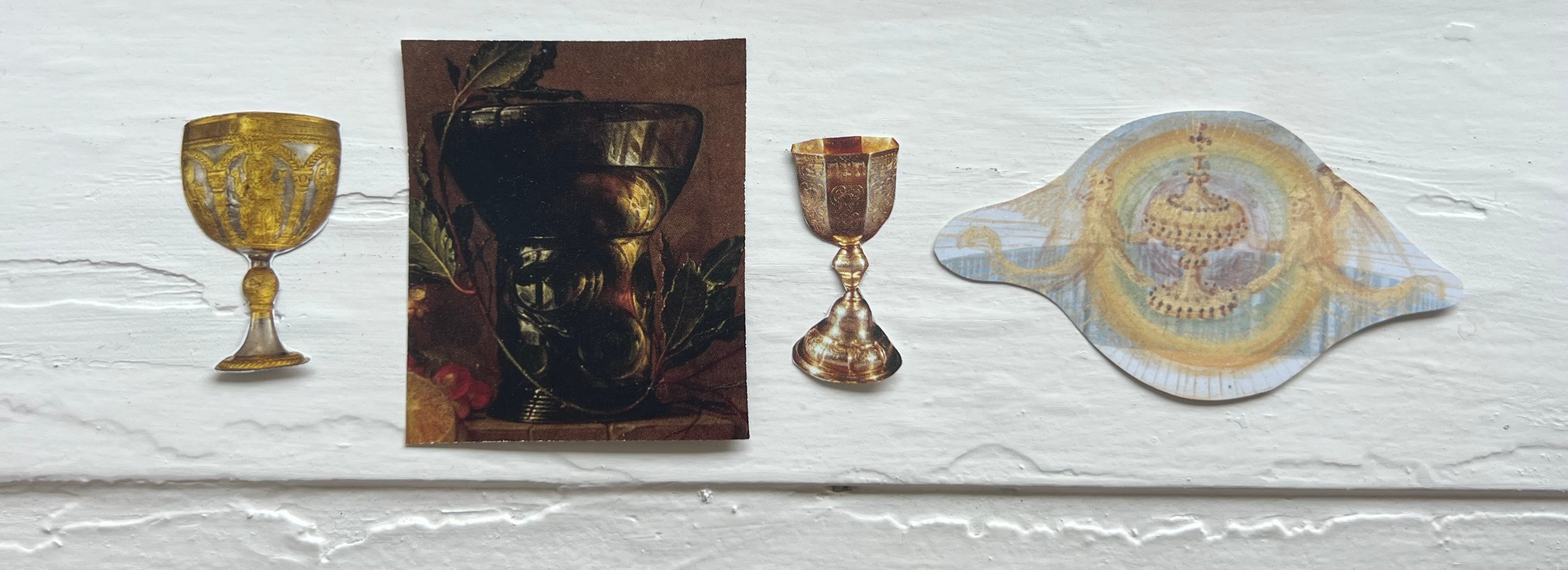
The mythologist Martin Shaw has this to say:
“… the grail as a moveable feast. We have something with the grail that is vital and alive that is talking to us to this day. It’s a verb, it’s a movement.”
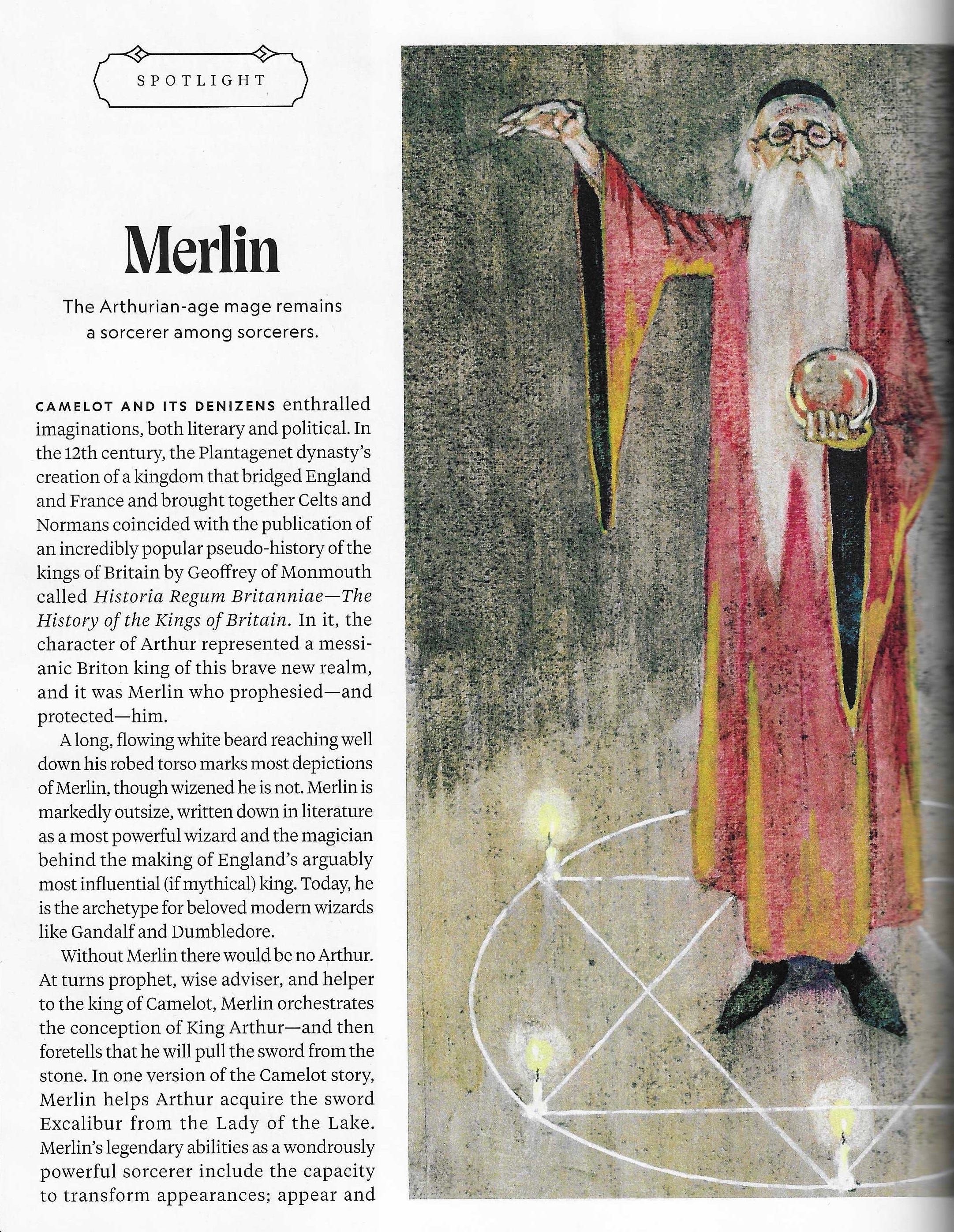
To complicate the quest for holiness, there’s Merlin. Prophet, shape-shifter, advisor and friend. Like Arthur, Merlin has many different faces in literature over the centuries, my favorite being the wise, kind Gandalf/Dumbledore prototype.


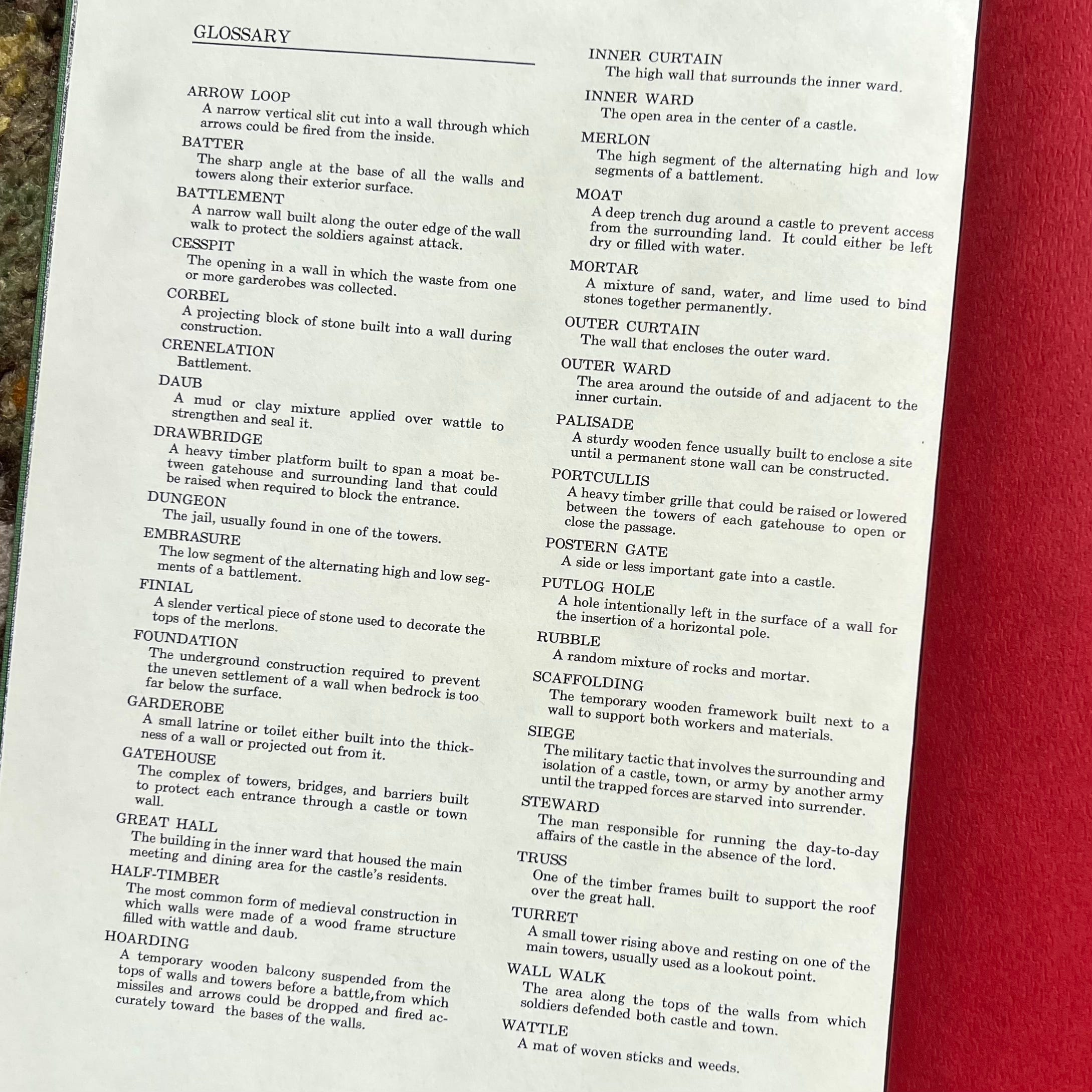
And now for a bit of medieval reality behind all the fantasy. Below, some favorite children’s book scans with accompanying history.
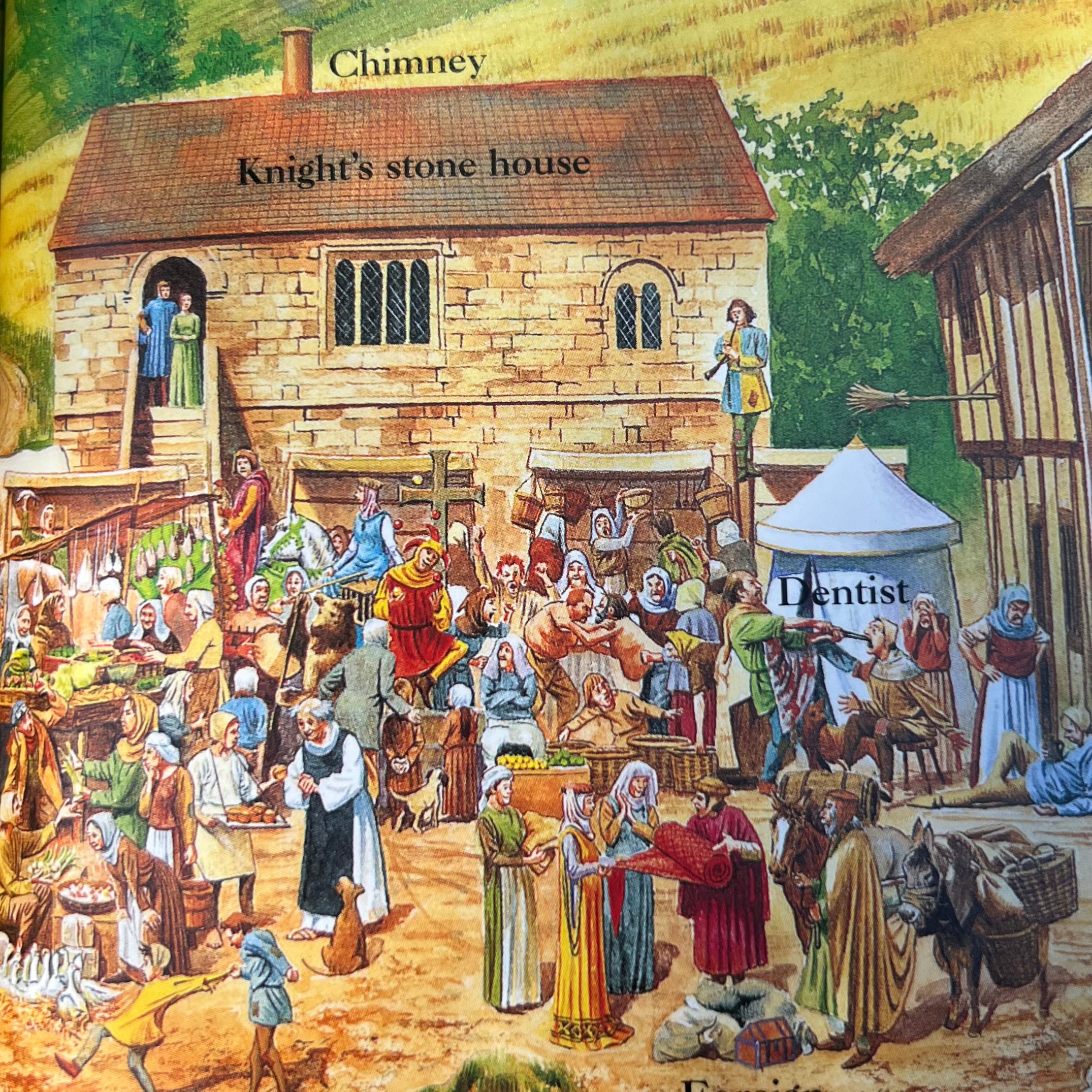
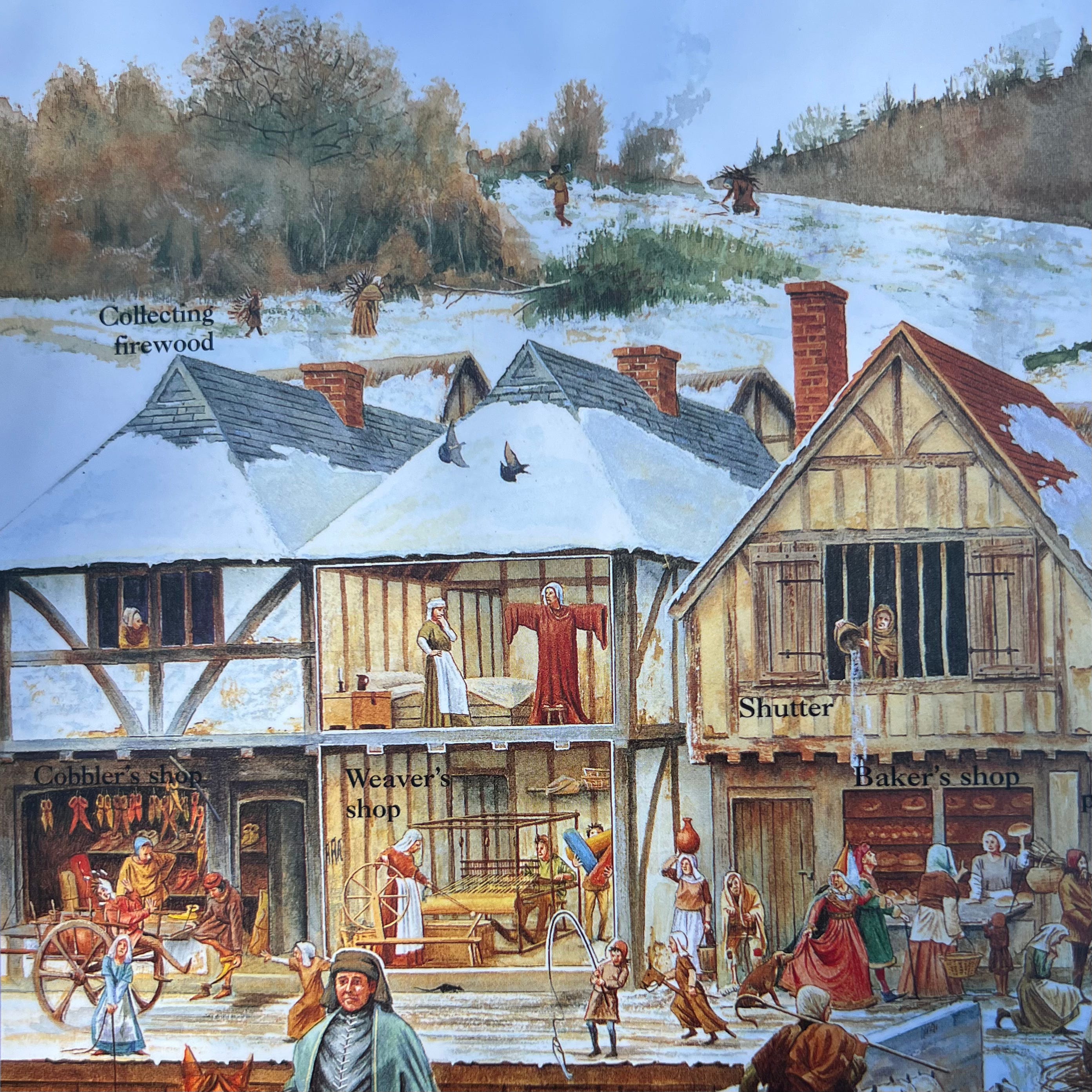
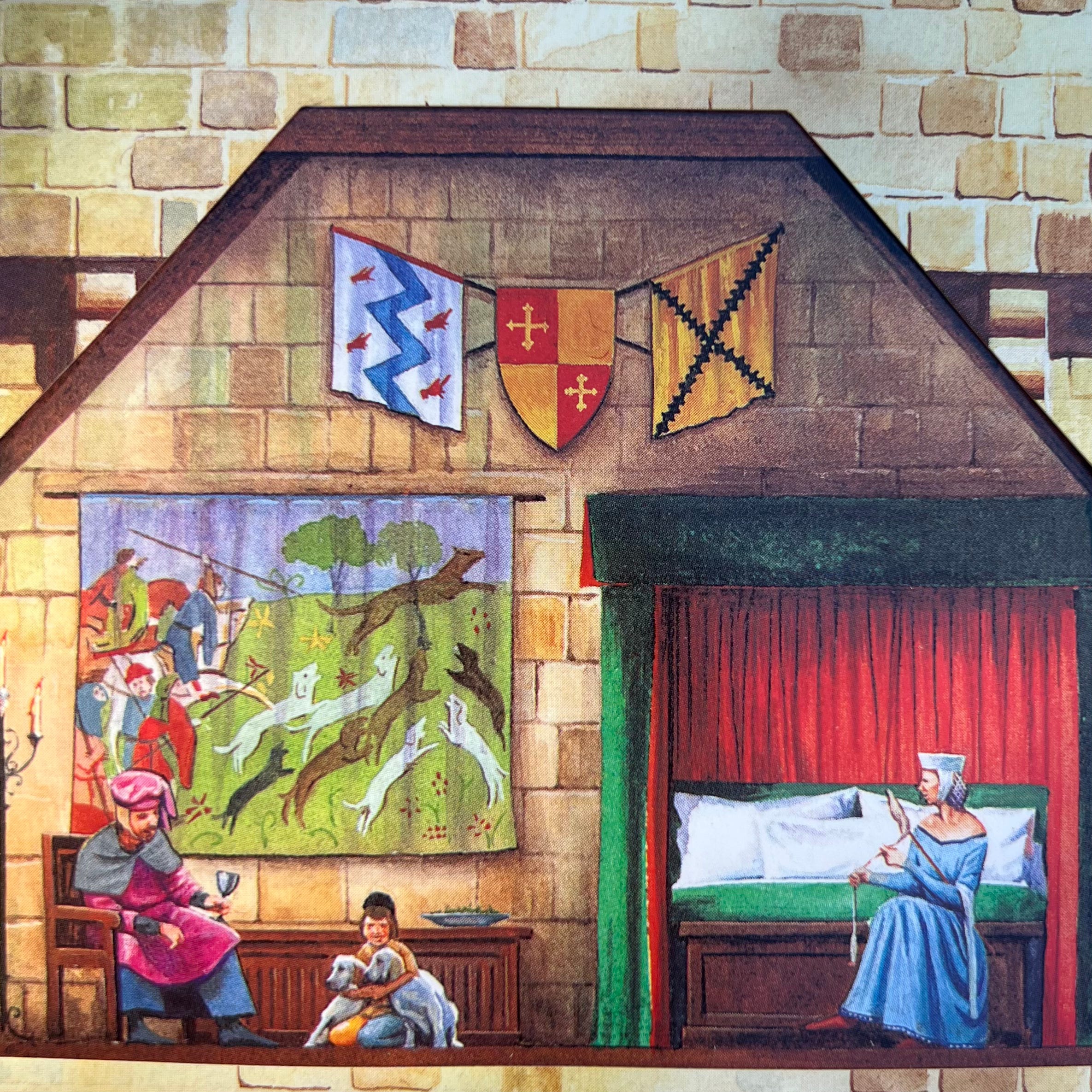
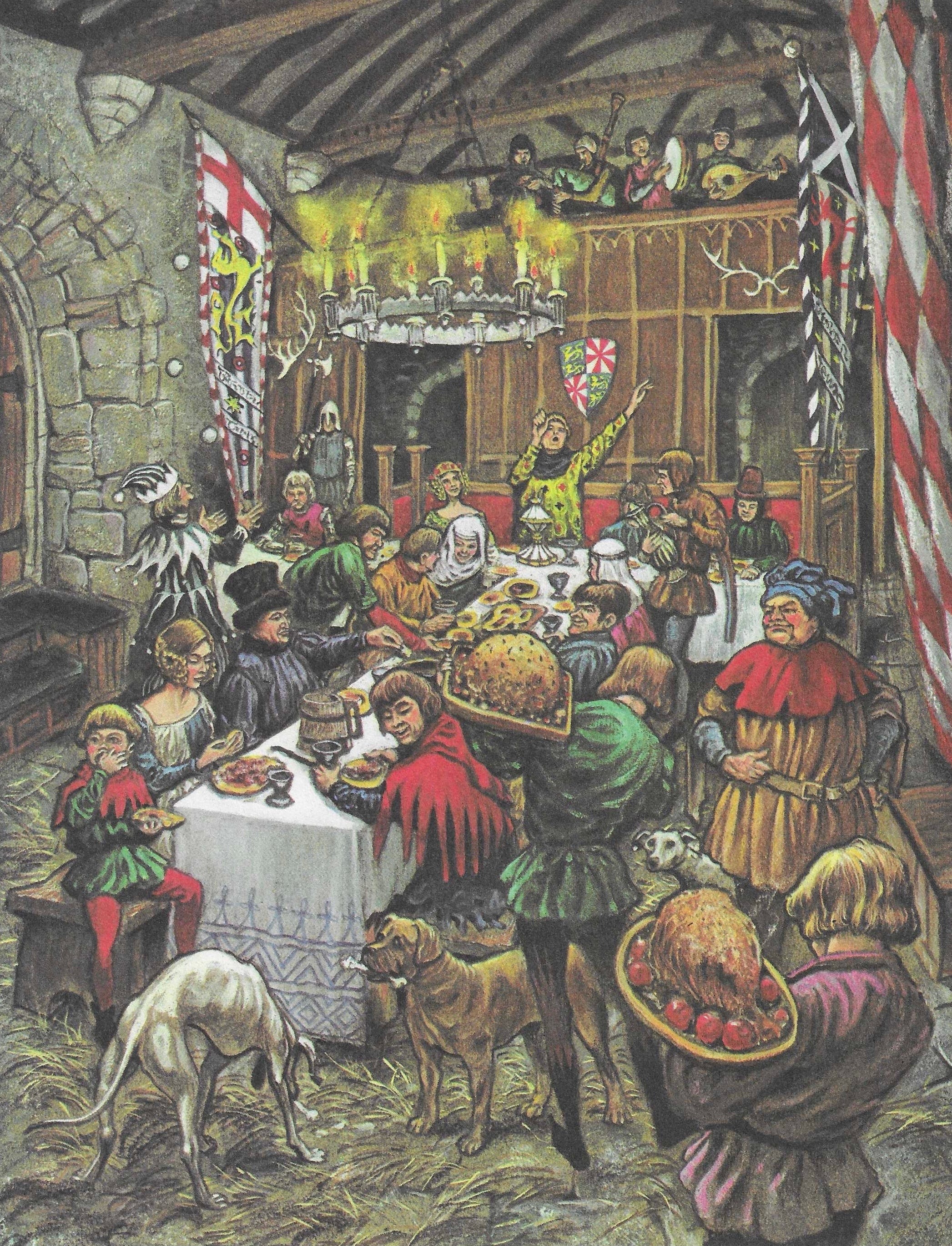
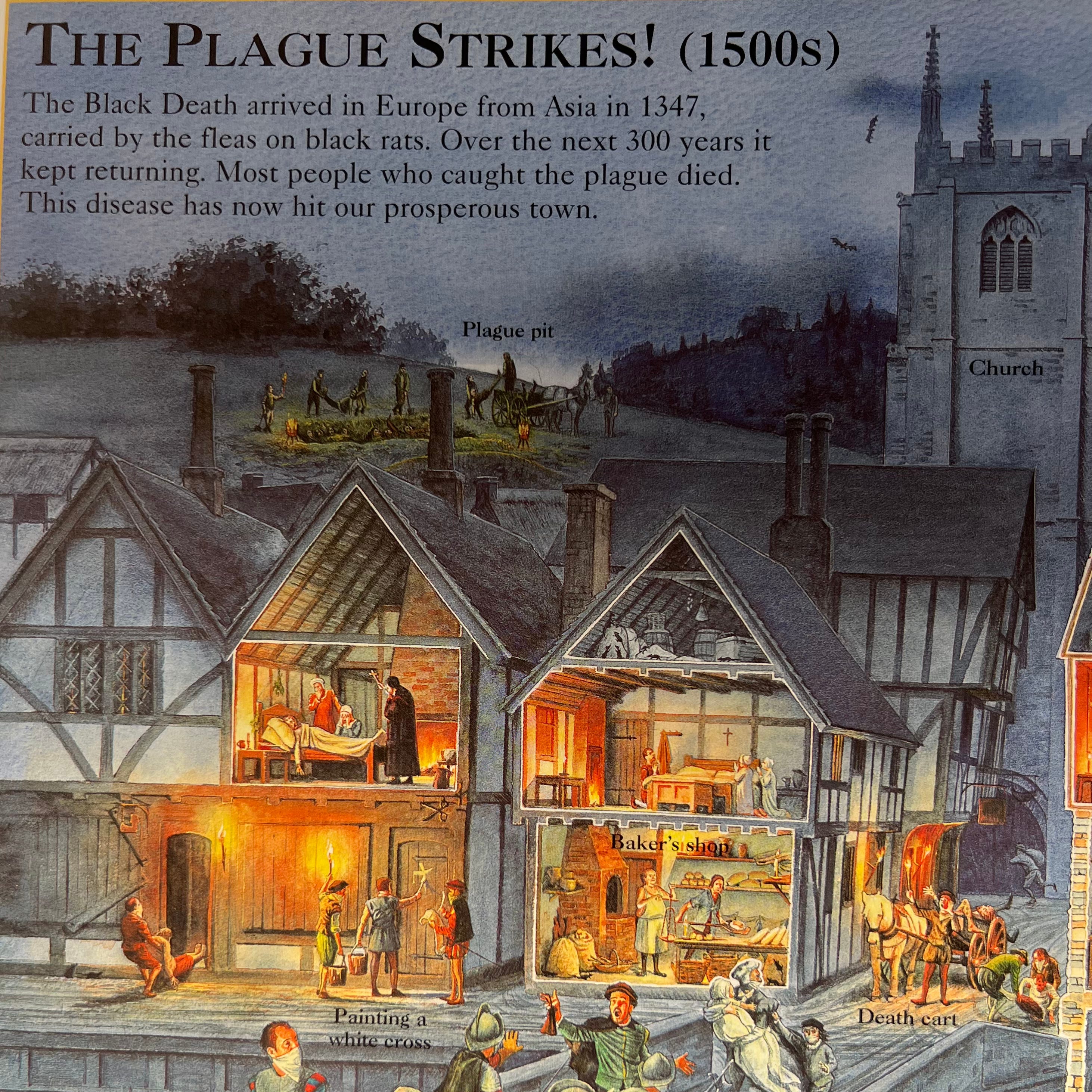
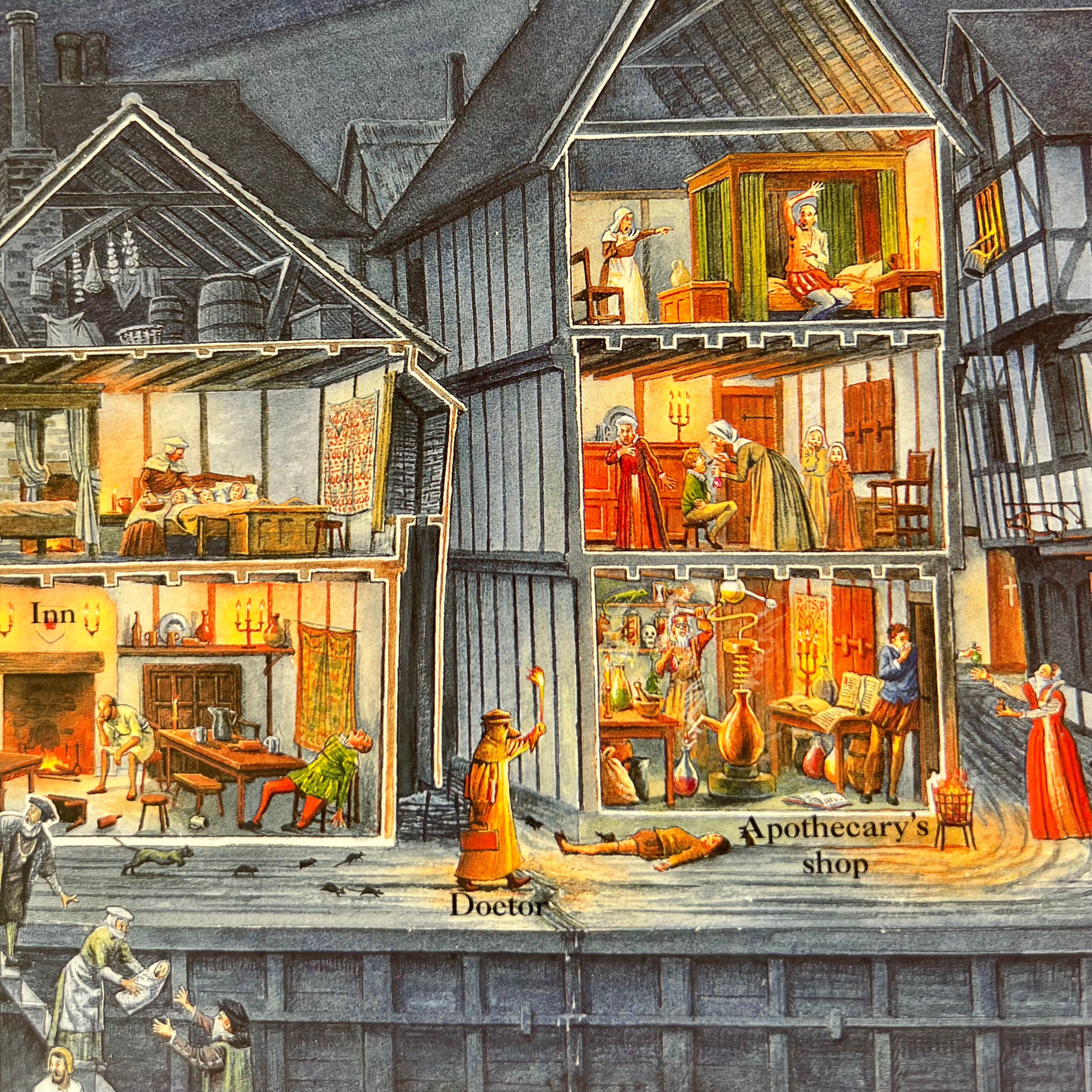
The most fearsome monster of the middle ages is one that rarely makes it into our fairy tales: the Black Death. Mysterious in origin and in selection of victims, it killed up to half of Europe’s population. It would have been hard not to believe the world was ending.
Besides cleaning your house with rosewater and bundles of garden herbs, there was a spiritual cure recommended, as quoted by historian Helen Carr:
“Whenever anyone is struck down by the plague, they should immediately provide themselves with a medicine like this: Let him first gather as much as he can of bitter loathing towards the sins committed by him and the same quantity of true contrition by heart. Mix the two into an ointment with a water of tears. Then let him make a vomit of frank and honest confession by which he shall be purged of the pestilential poison of sin and the boil of his vices shall be totally liquified and melt away.”


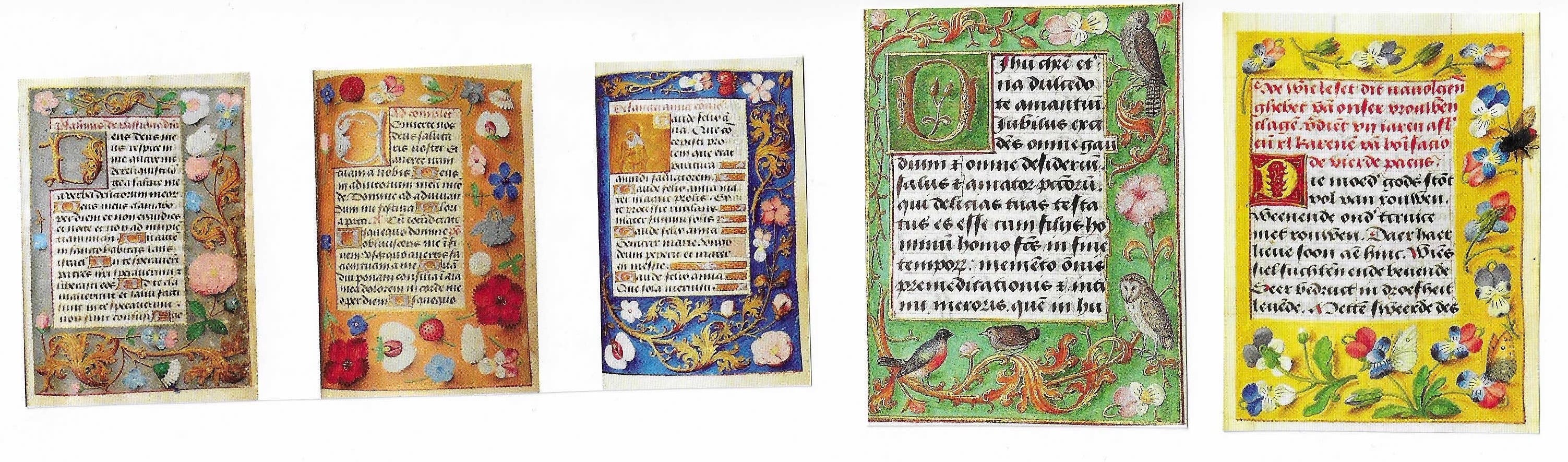
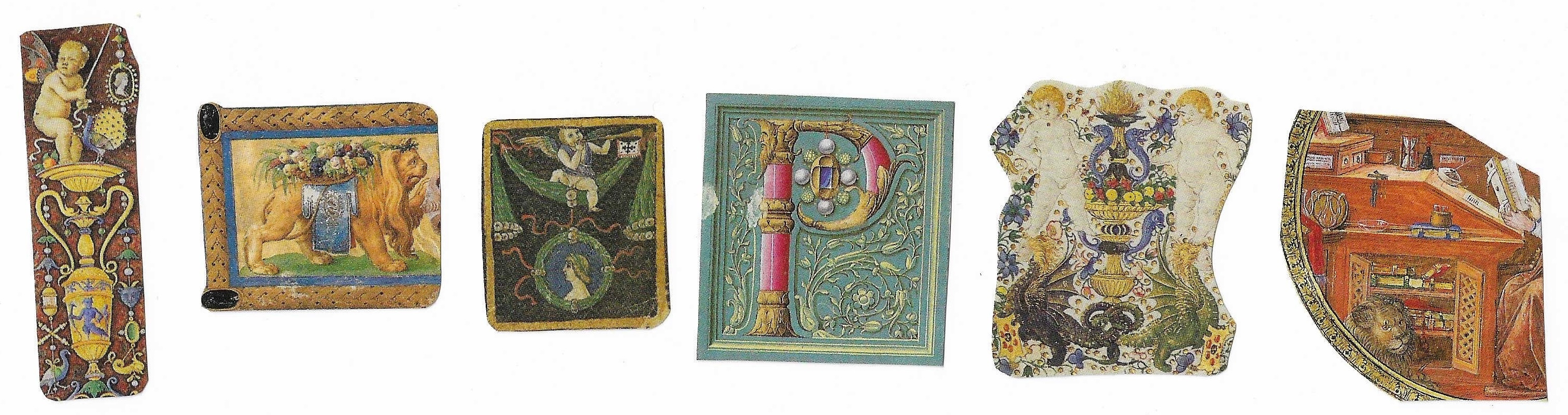
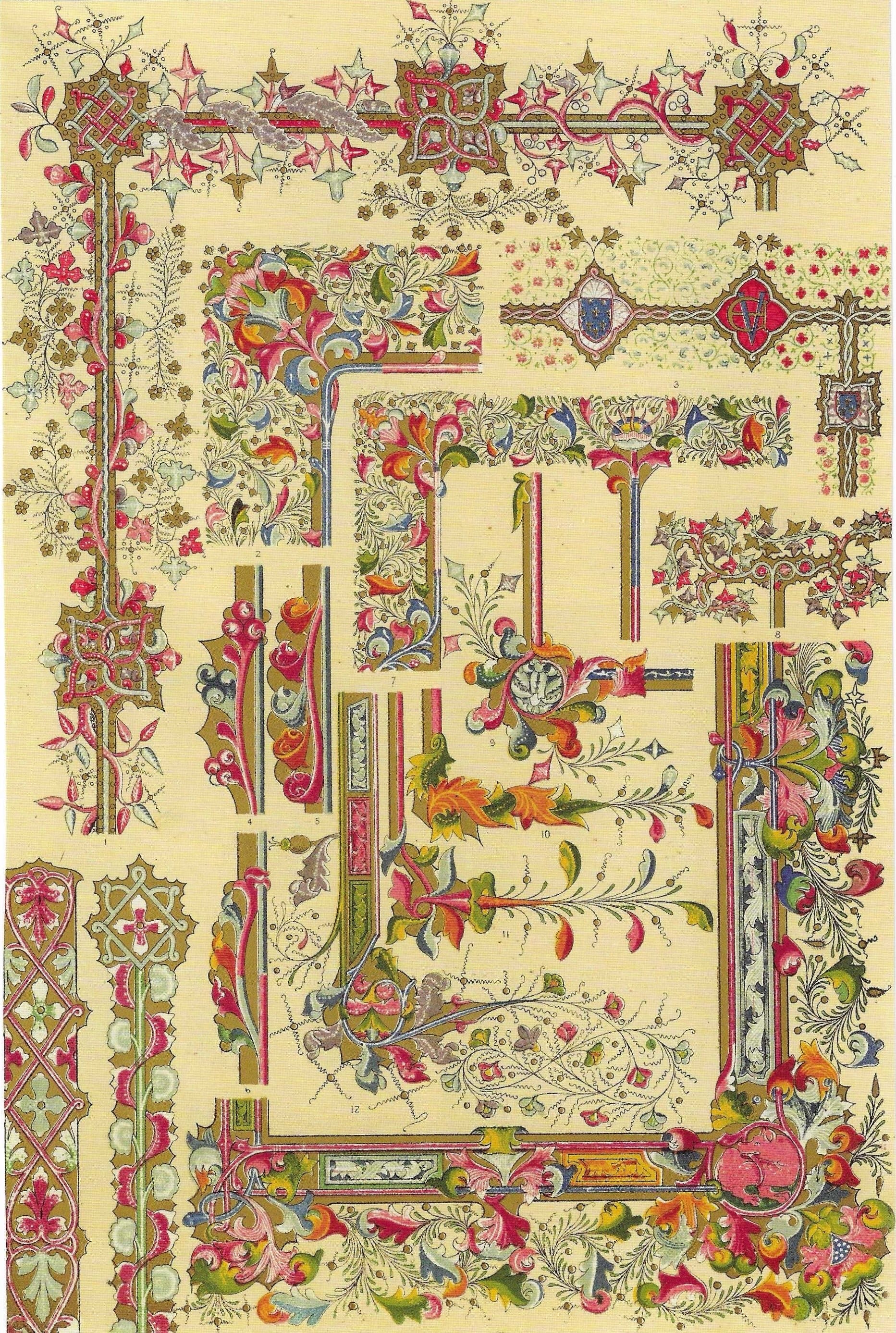
We know a lot about medieval spirituality from illuminated manuscripts. Detailed, colorful, and packed with symbolism - worlds within themselves.
A Book of Hours (magical name) is the most common type of manuscript still in tact today, a personal prayer book for laypeople based on the eight canonical hours of the day.
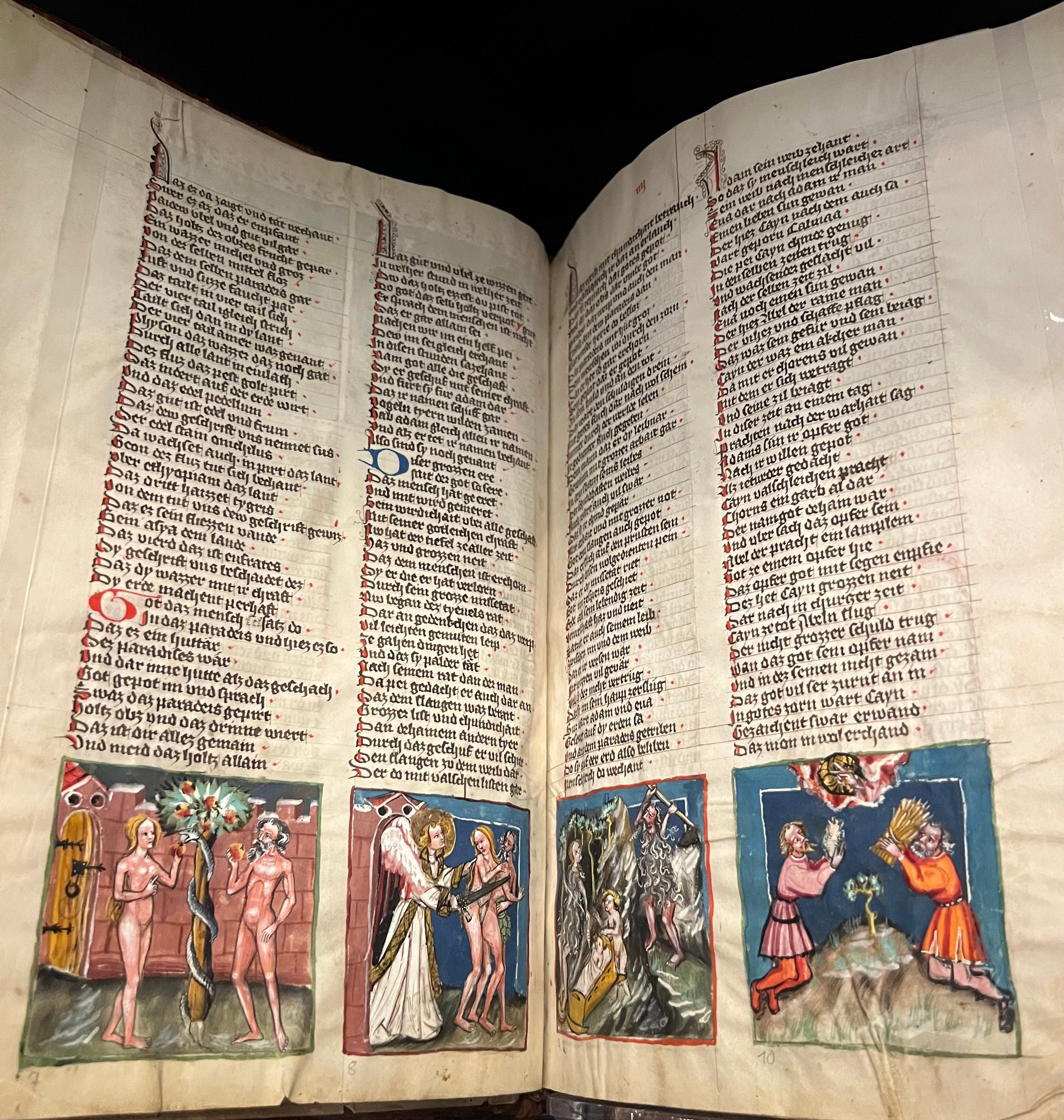
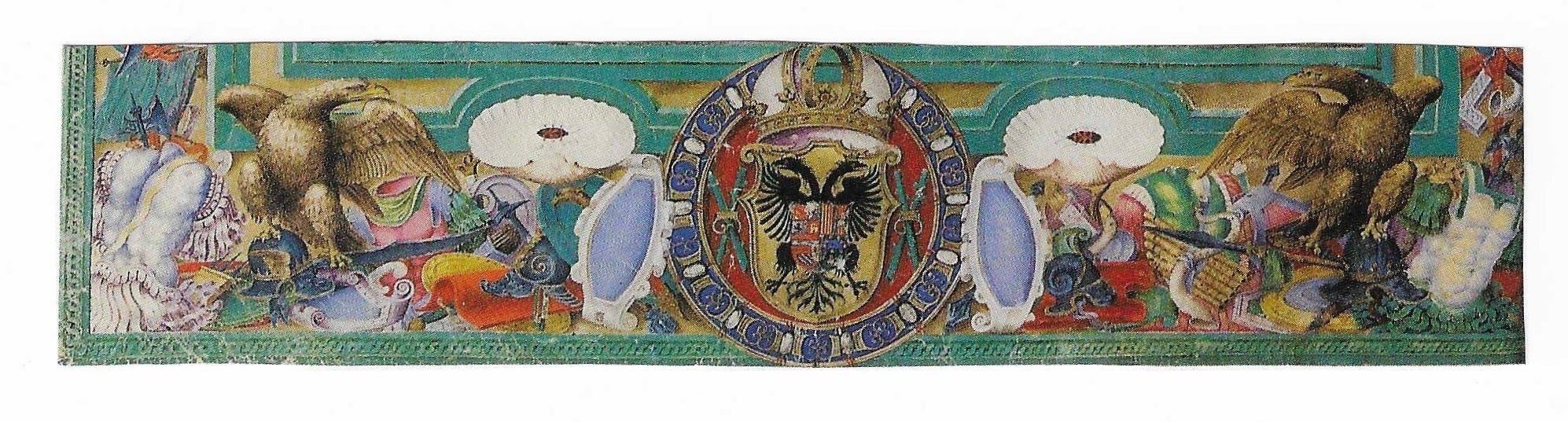
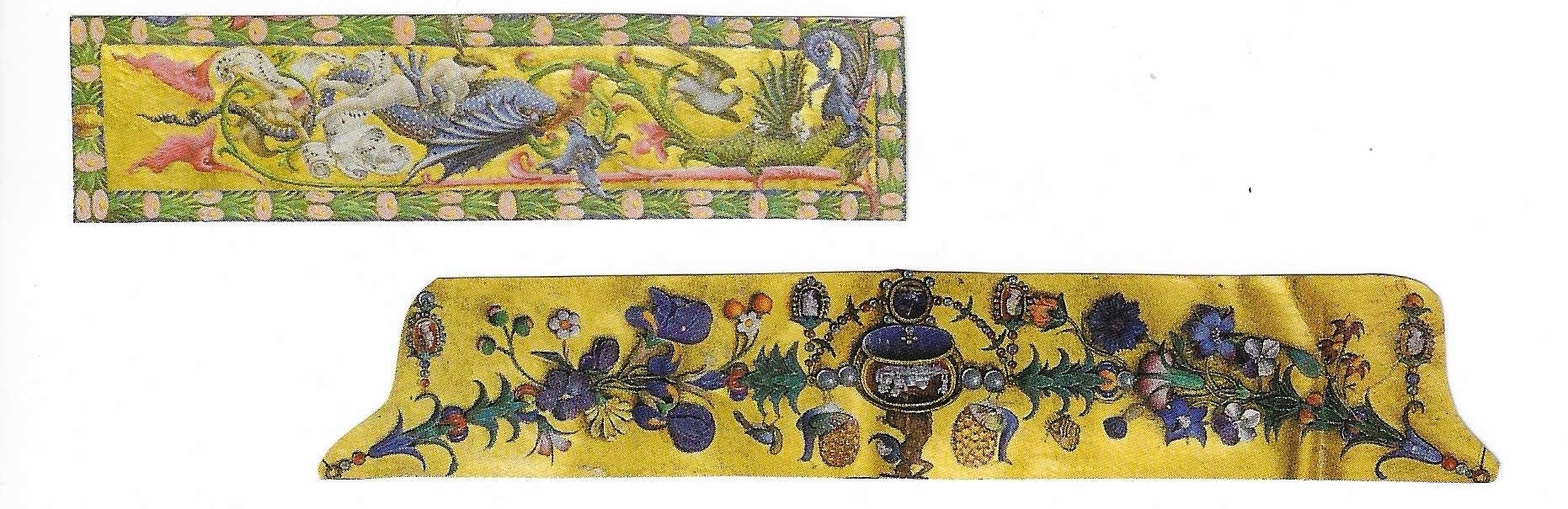
Another type of illuminated manuscript, my favorite, is the bestiary: an encyclopedia of beasts, real and imaginary. (It seems like medieval scholars were very into categorization; love them for that.)
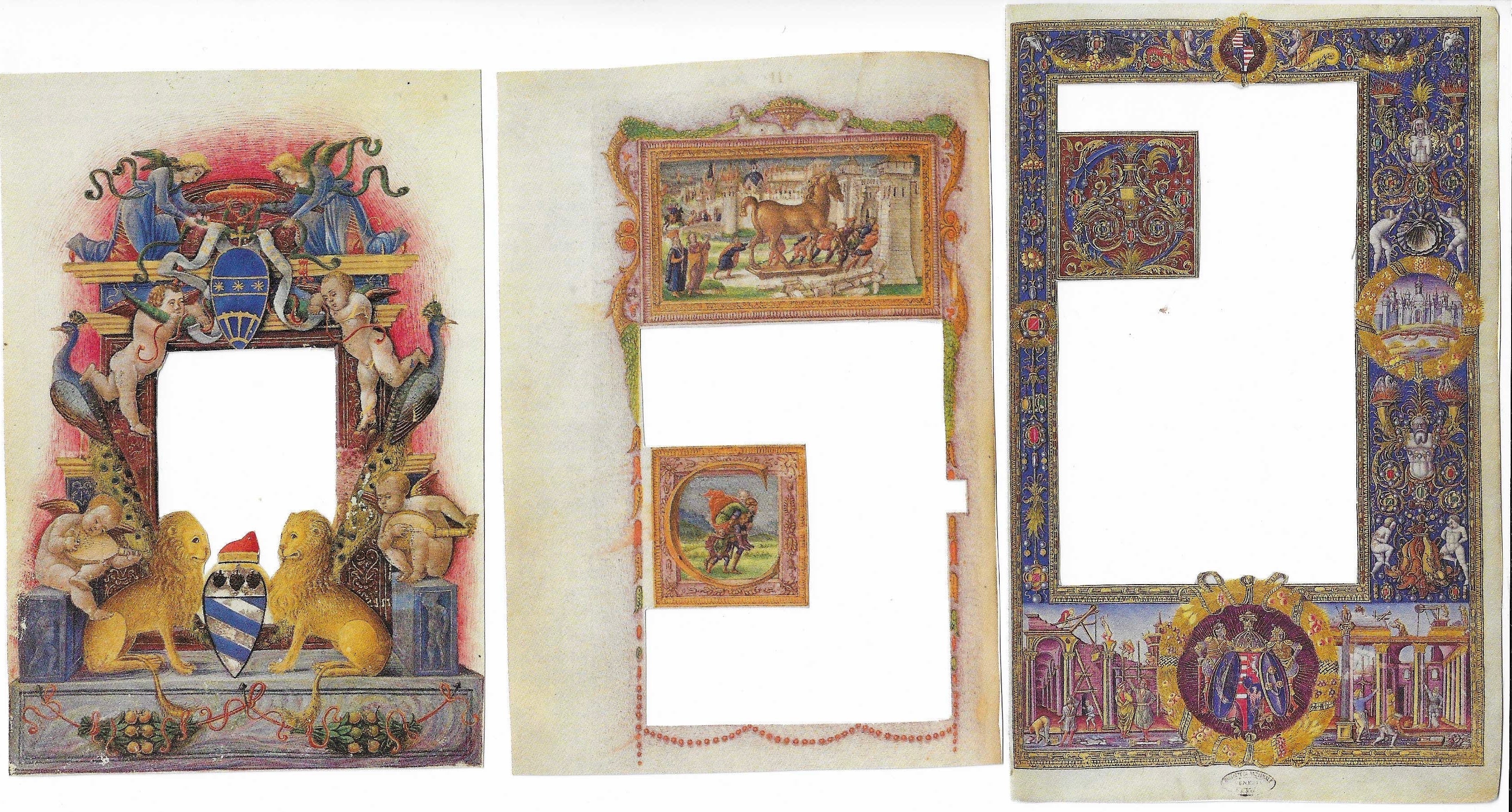
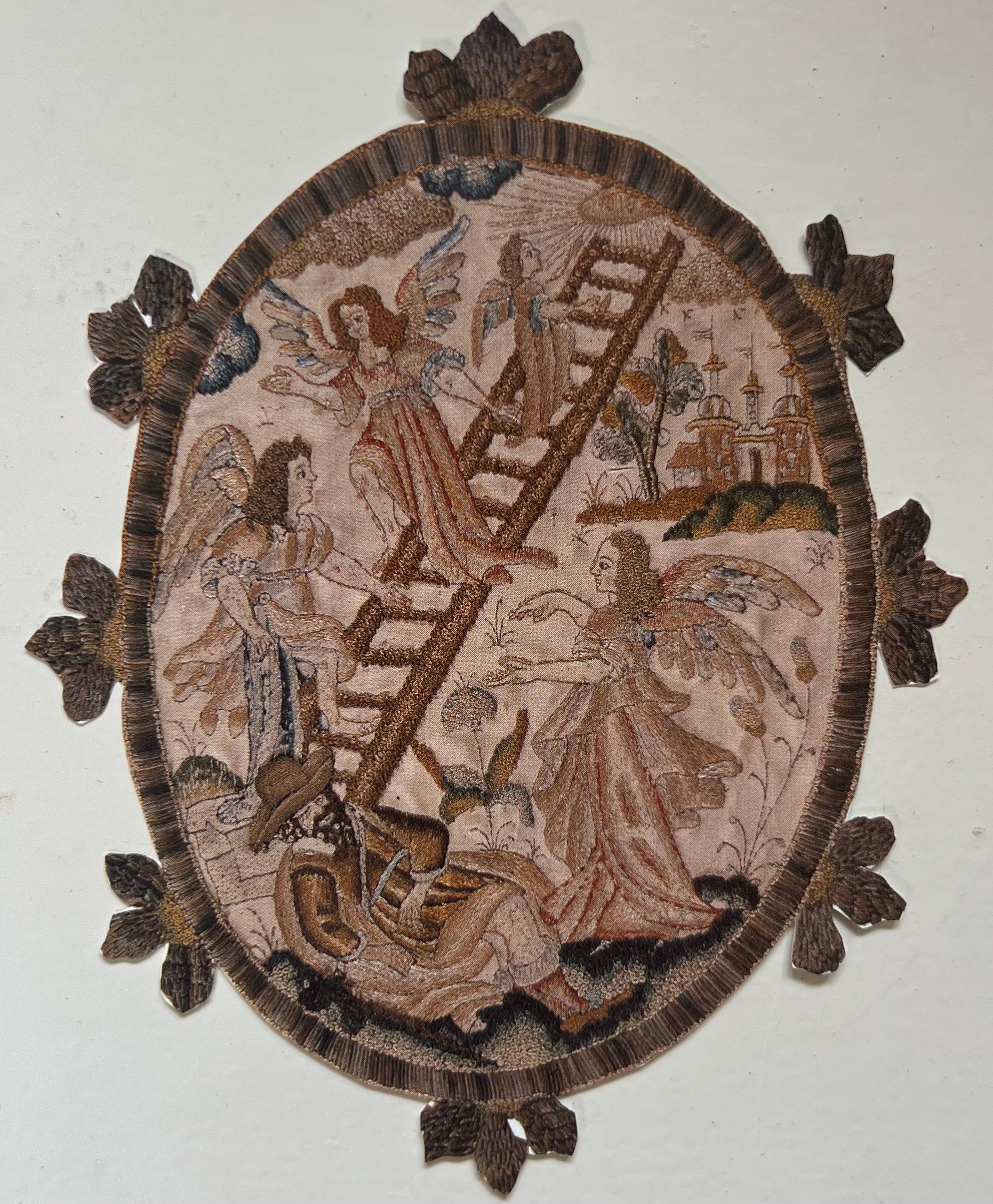
Medieval spirituality was deeply tied to their understanding of the cosmos.
I have a wistful memory of a cozy nighttime lecture on medieval cosmology by my college mentor; I found a version of it on Youtube where he lays out a map of the universe from Dante’s Divine Comedy.
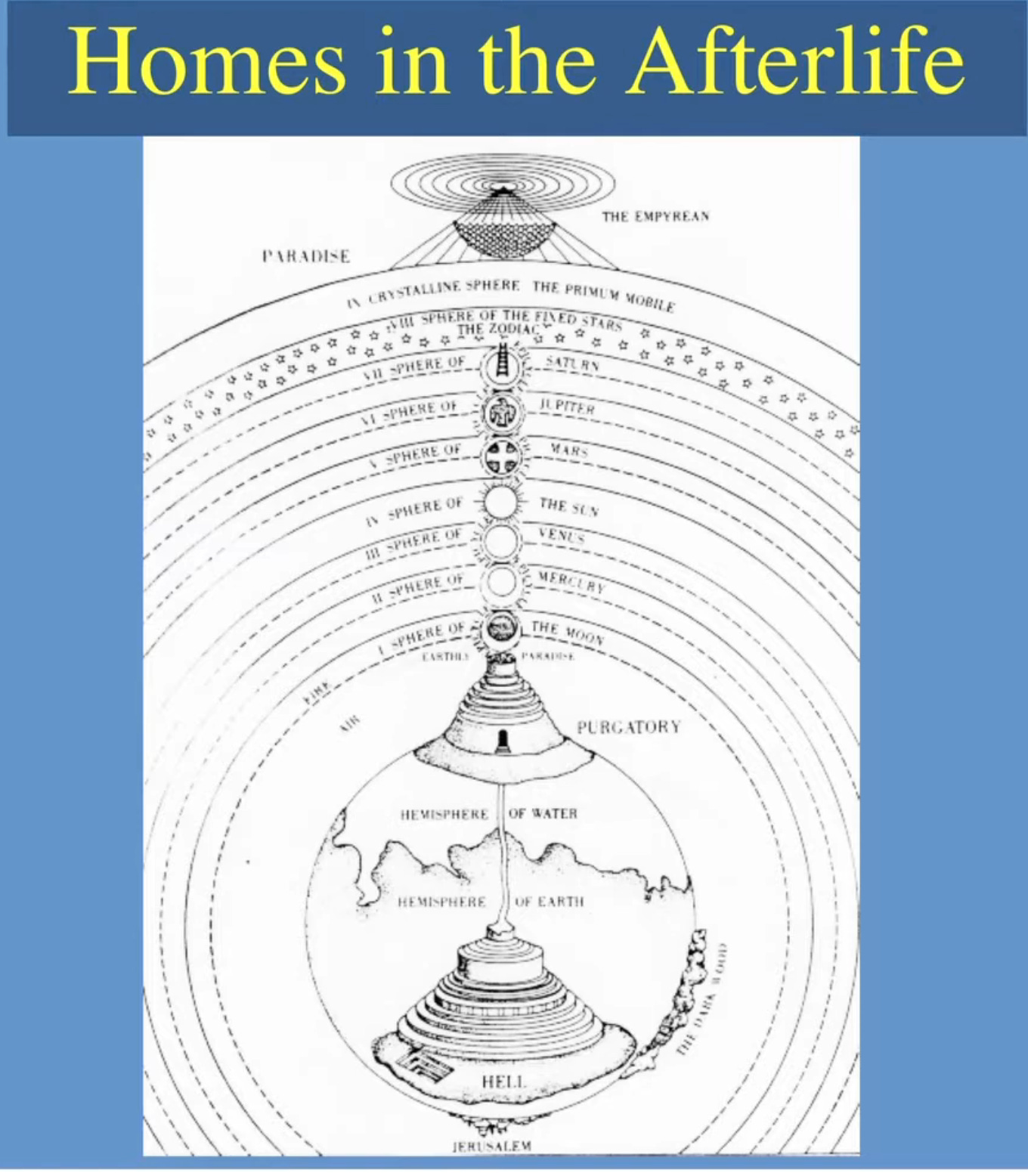
To the medieval person, what happened on earth was influenced greatly by the organization of the heavens, particularly the planets and their spheres. There’s still some freedom and accountability for human actions, but it’s a dance. As Dr. Henderson puts it, “the heavens give our movements their first nudge.”
The geography of the cosmos is a series of spiritual metaphors, and all directions and layers have weight.
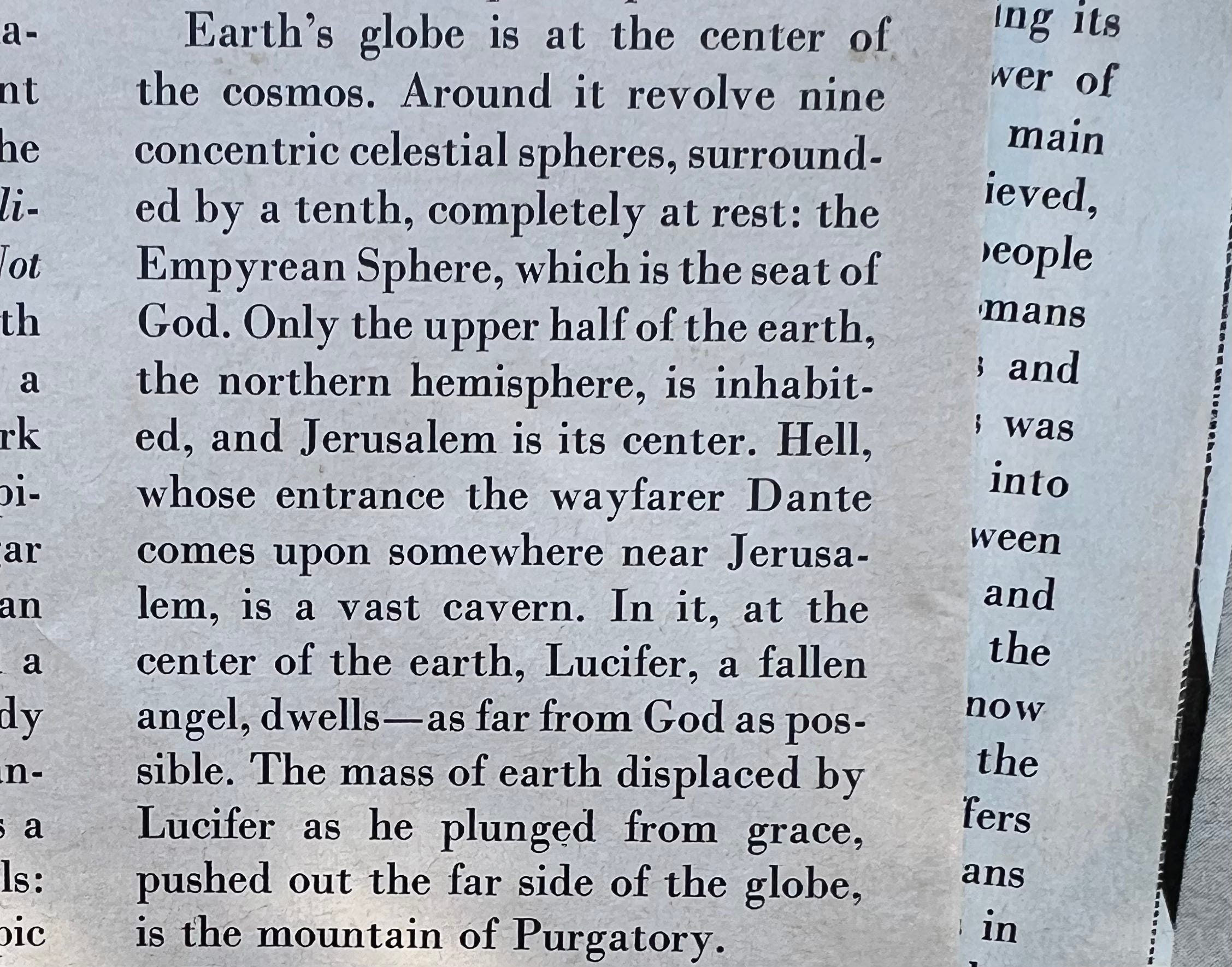
While I’m into the assigning of meaning to the movements of nature, the systematization of the afterlife really fills me with dread. I’m sure I’m being too literal about it.
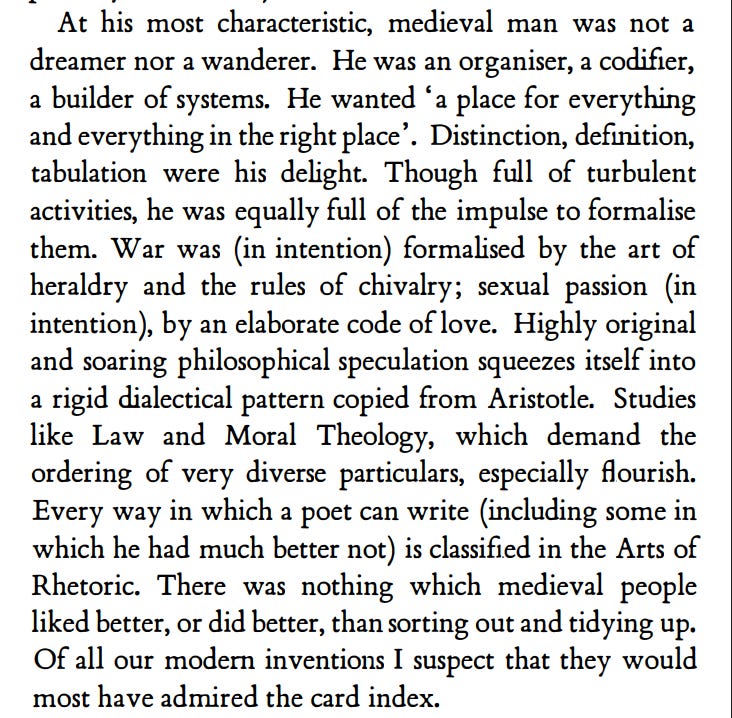
Then again, C.S. Lewis (in his book on medieval cosmology, The Discarded Image) tells us this:
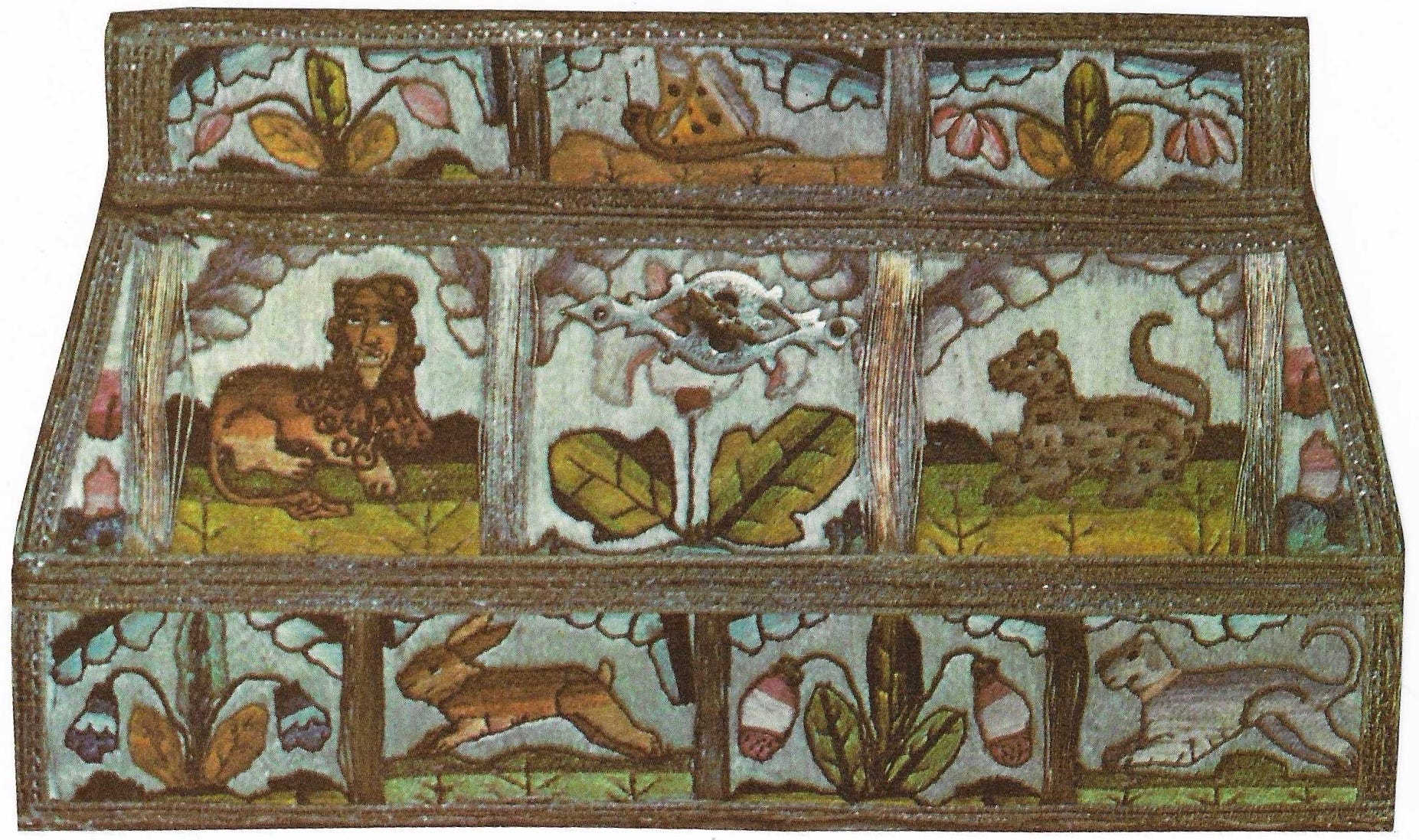
Little known fact: each book of The Chronicles of Narnia corresponds to one of the seven medieval planets (in atmosphere/vibe), an easter egg that wasn’t discovered until nearly 50 years after C.S. Lewis’ death - dreamy!!
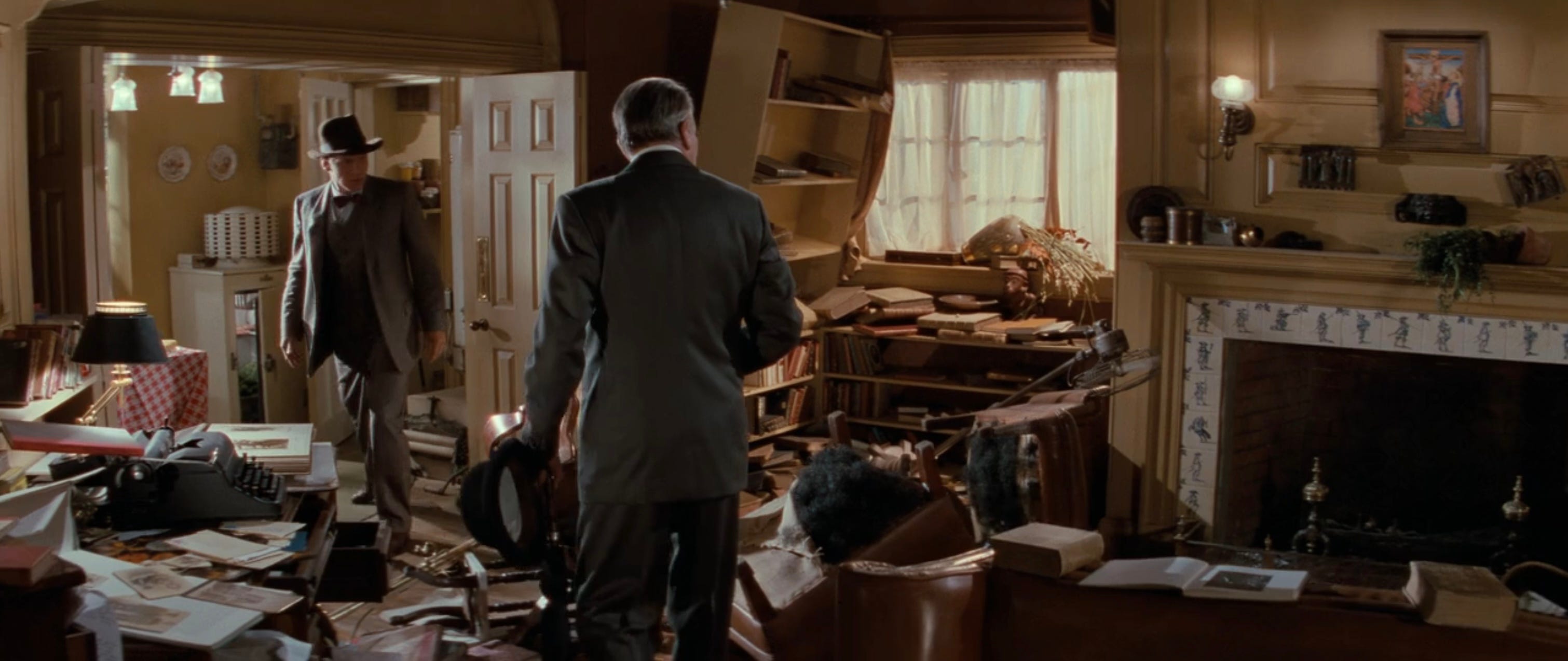
With all this in mind, lastly: a visual ode to the trope of the medievalist professor - usually a man, usually aloof, always in a breathtakingly beautiful office. I want to be him.
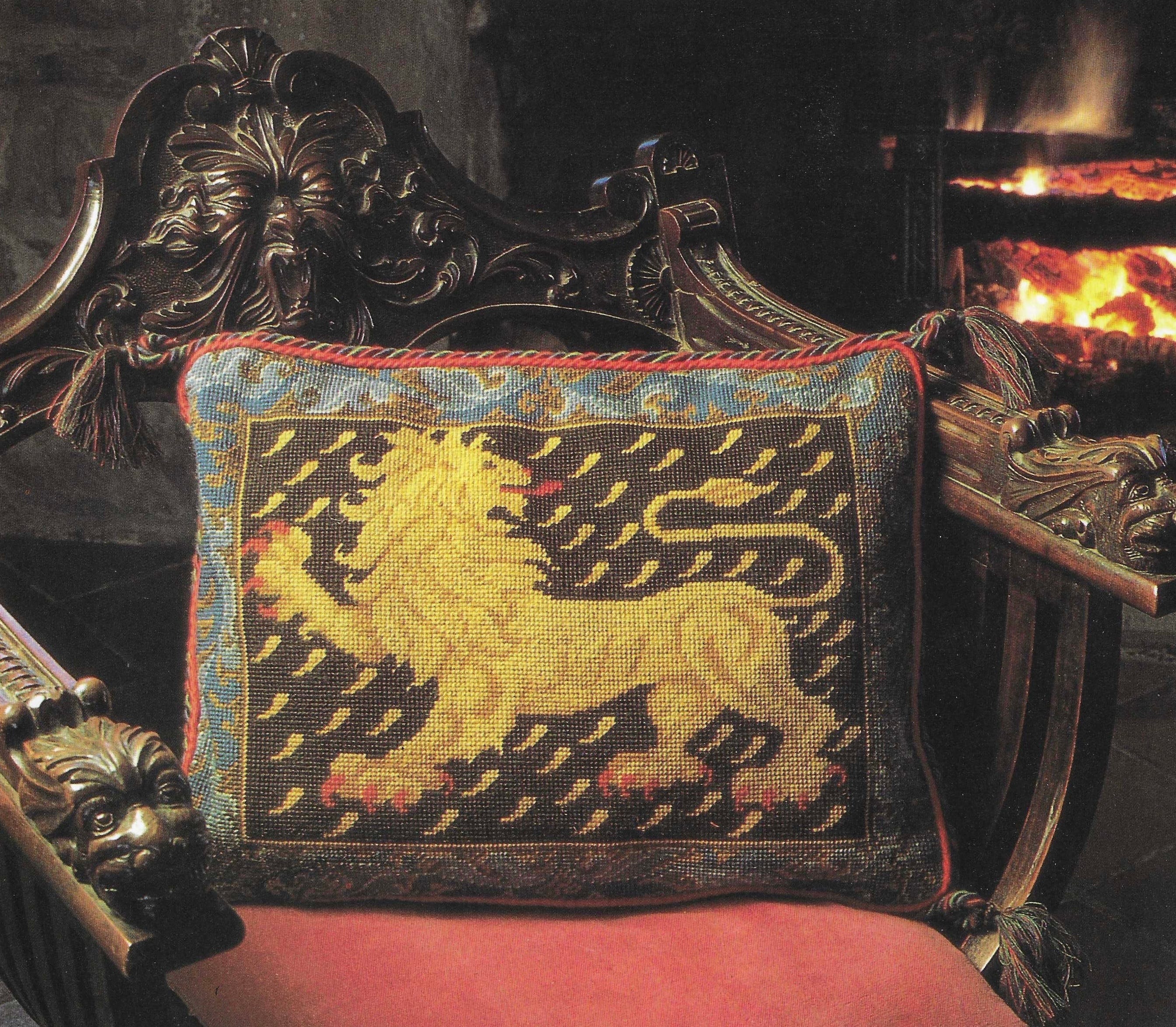
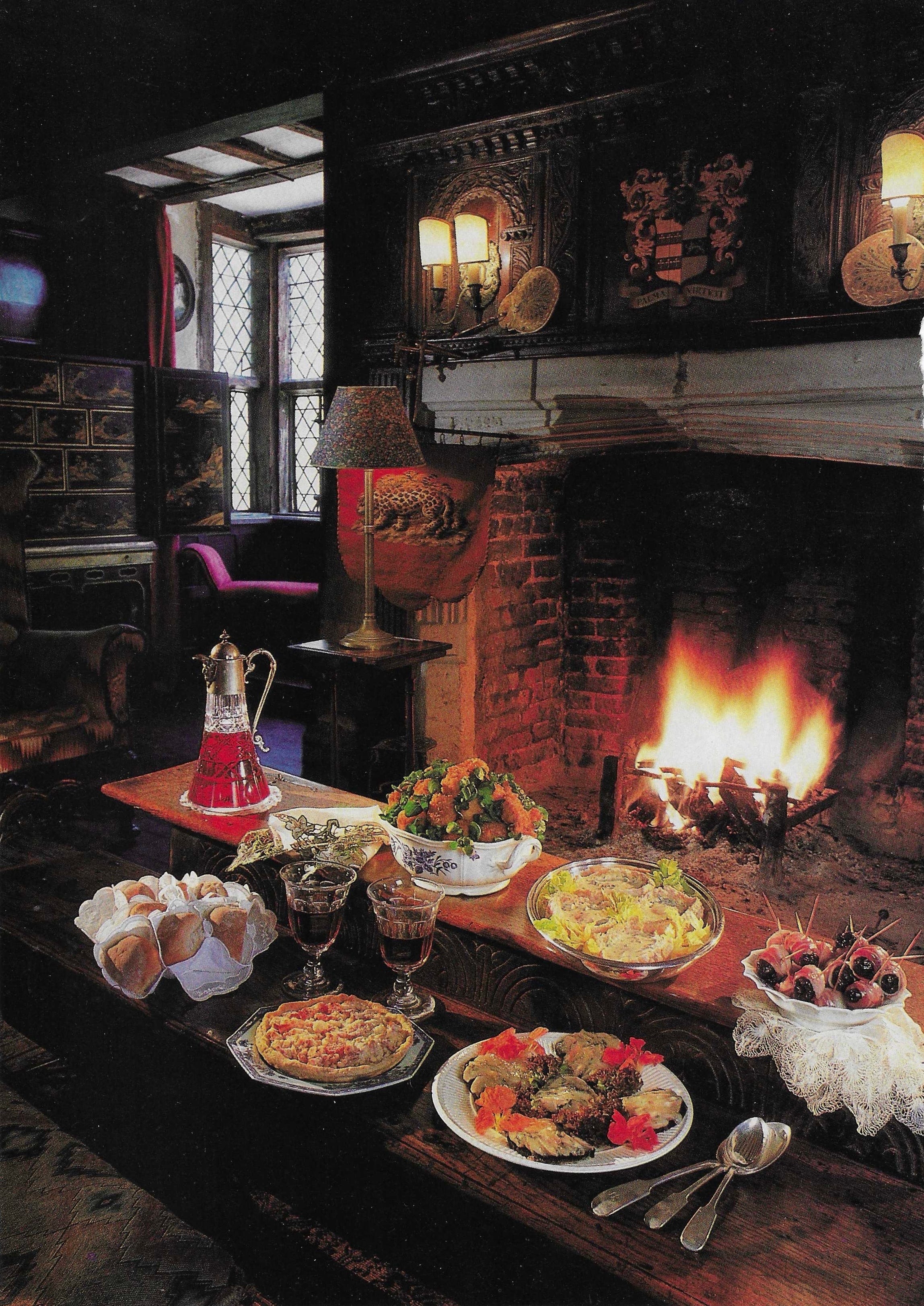
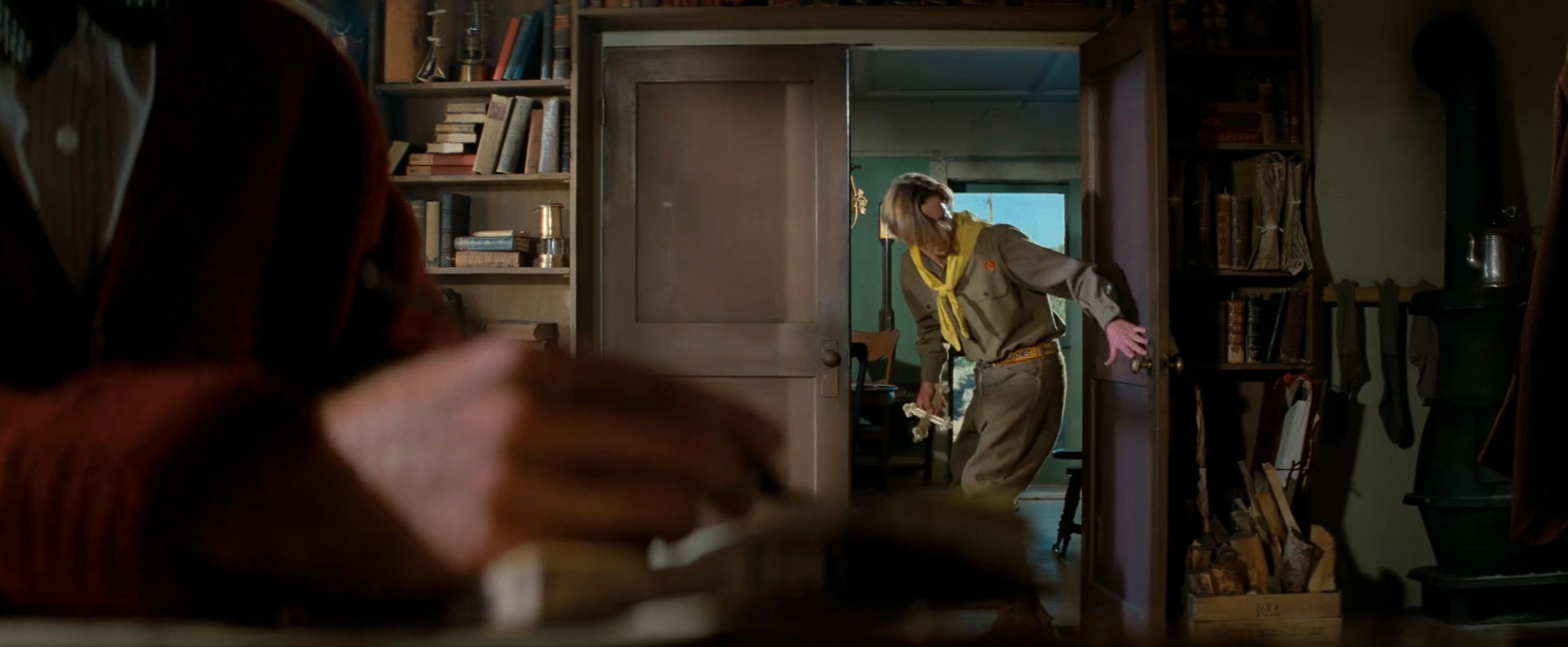
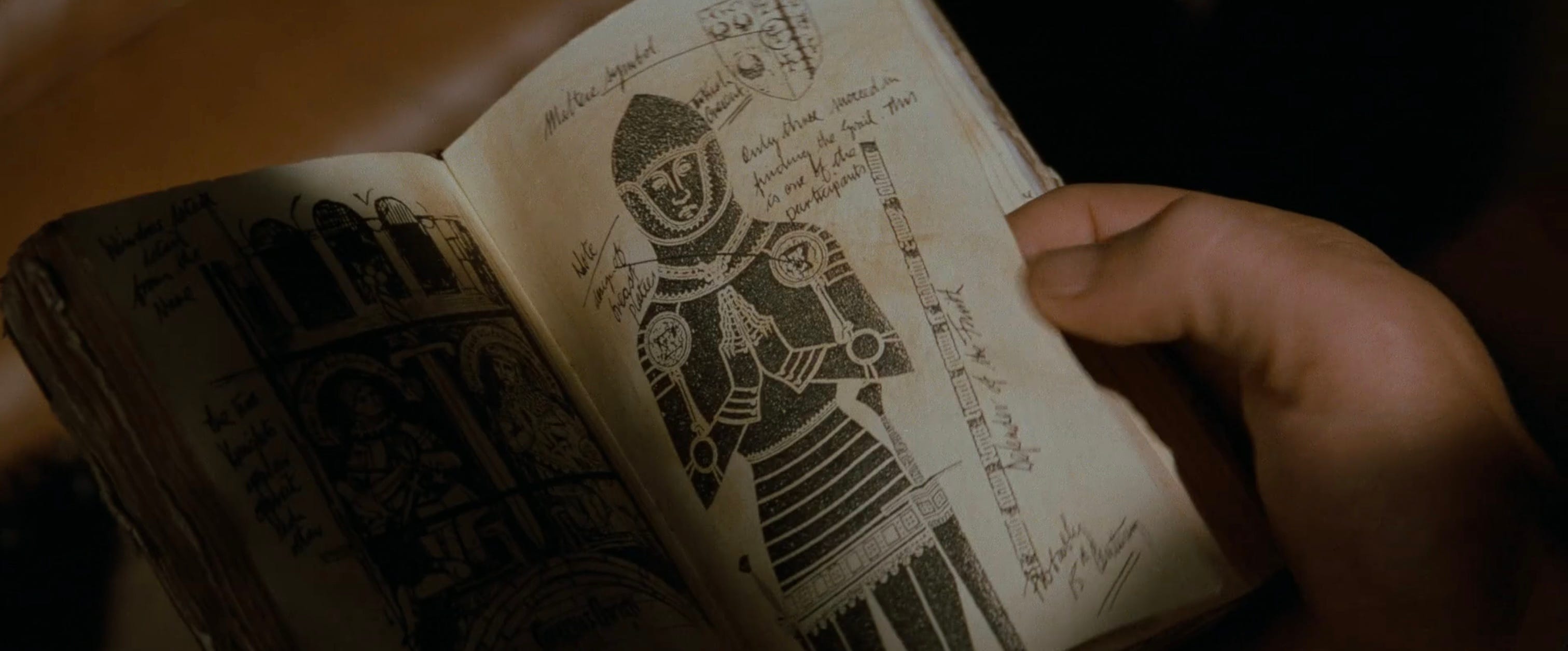


P.S. Some Easter lore since it’s Holy Week: in the Middle Ages, eggs were forbidden to eat during the Lenten fast so they were preserved via boiling and then decorated and exchanged at Easter! Egg decor inspo below.
organizer, codifier, builder of systems-- you are positively medieval!
Forcing my children to watch Ruth Goodman’s co-conspirators experiment with a giant trebuchet to foster interest in the Middle Ages (Secrets of the Castle)