
Colonial

With last month’s England mood and this week’s 250th anniversary of the Declaration of Independence, it’s only natural that we make our way over to the colonies.
To get our bearings, a general outline of the very first English settlements:
Jamestown, VA: 1607, Virginia Company men sent by the King to find gold (think: Disney’s Pocahontas)
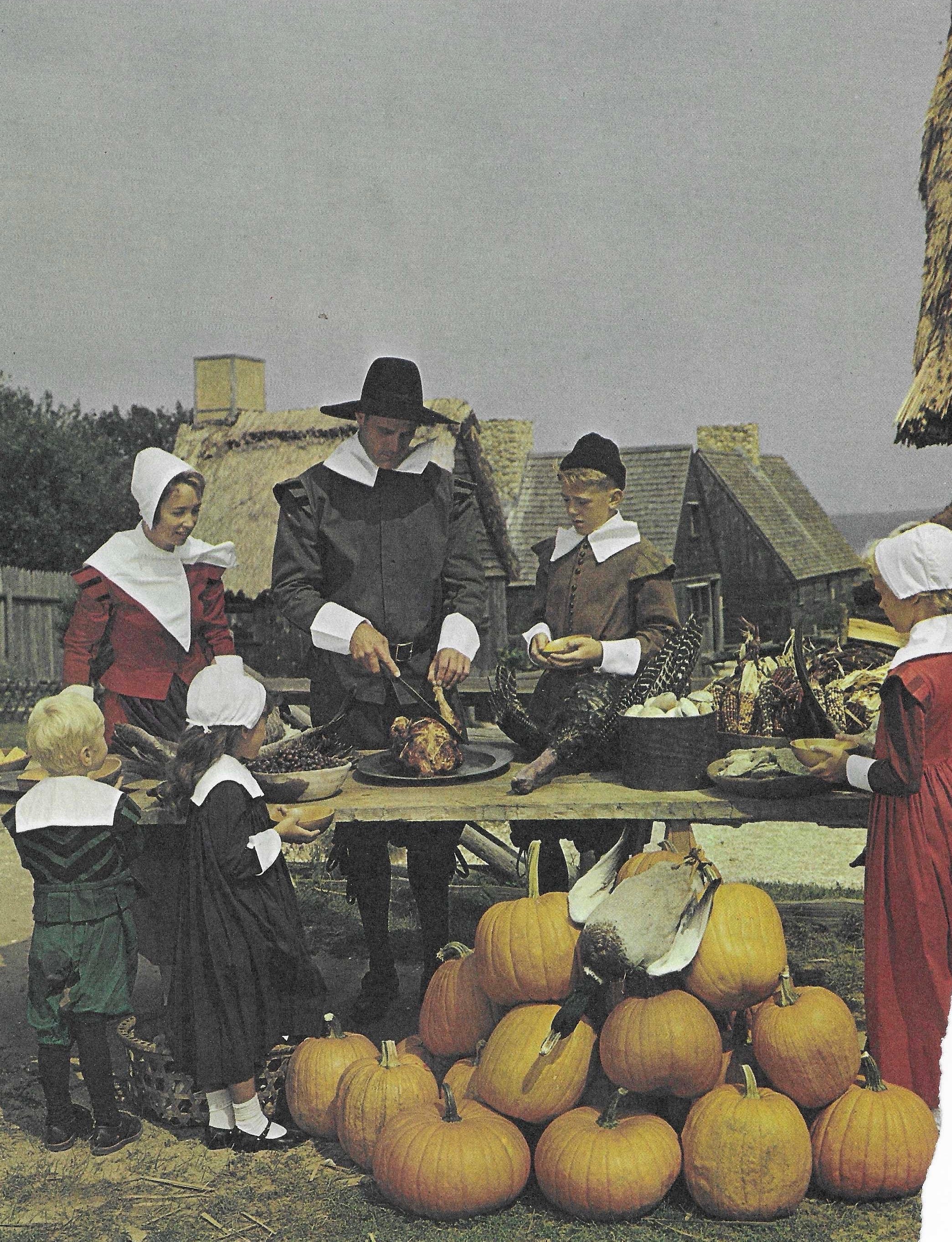
Plymouth, MA: 1620, Pilgrims fleeing religious persecution, supported by the Wampanoag nation (think: the Mayflower, Squanto, “the first Thanksgiving”)
Massachusetts Bay: 1630, Puritans wanting to make a “city upon a hill” theocracy (think: most of the religious fervor you associate with early America)
Last month our family did a mini early American history tour (pitched to Damen and Remy as “a beach trip with a few museums”): we went to Salem, Plymouth, Provincetown, and Portsmouth before meeting our friends in Maine.
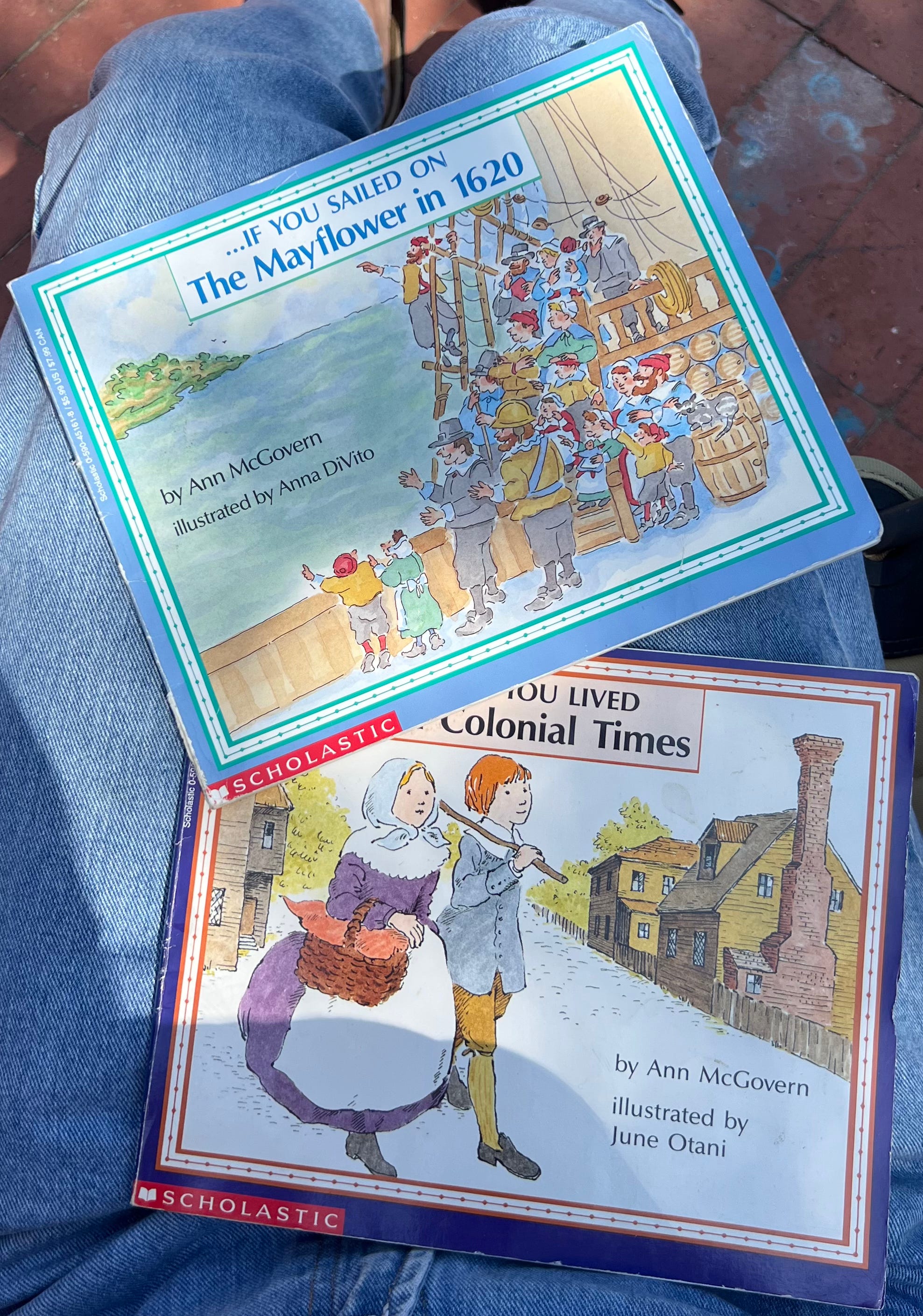
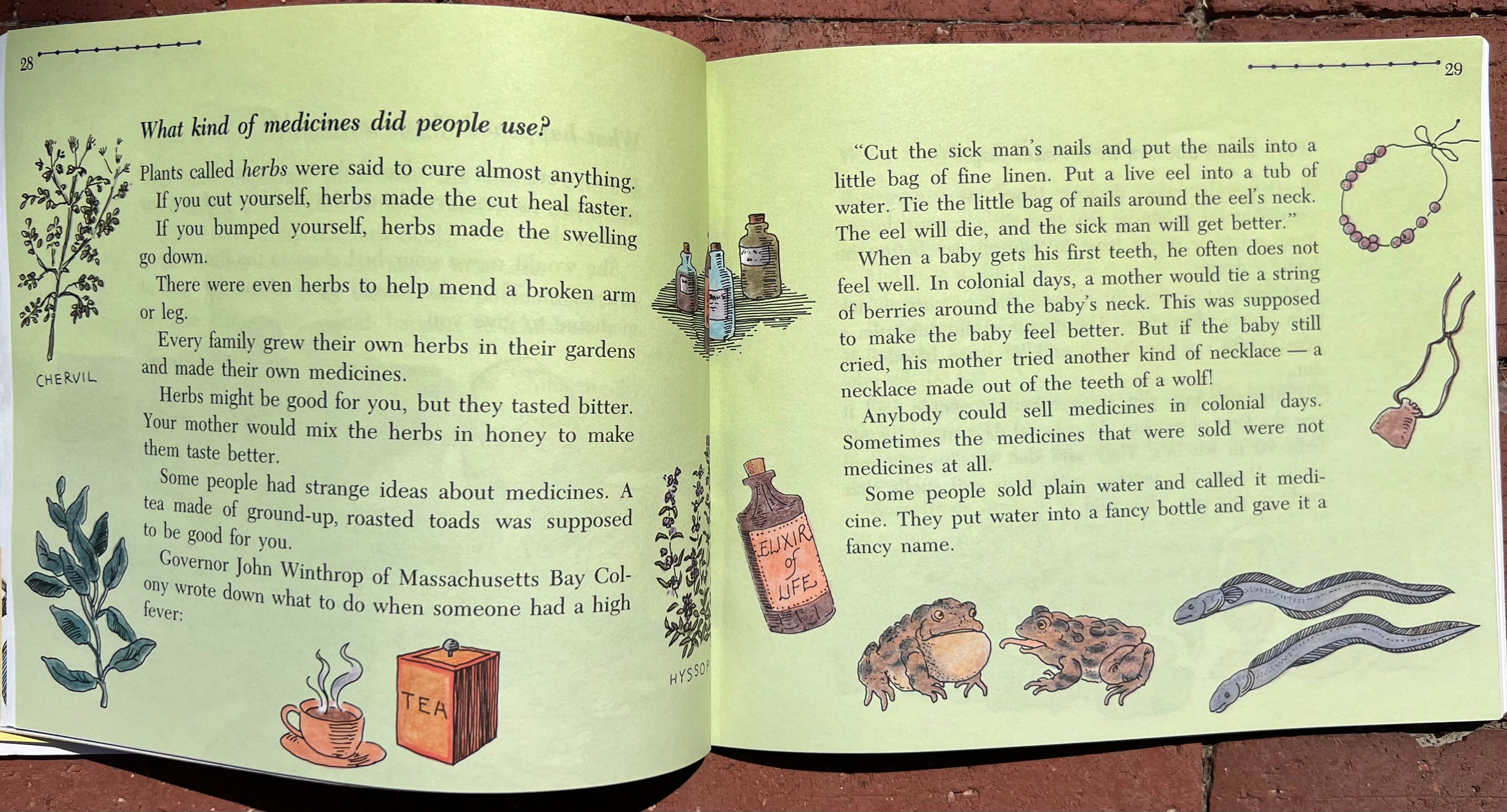
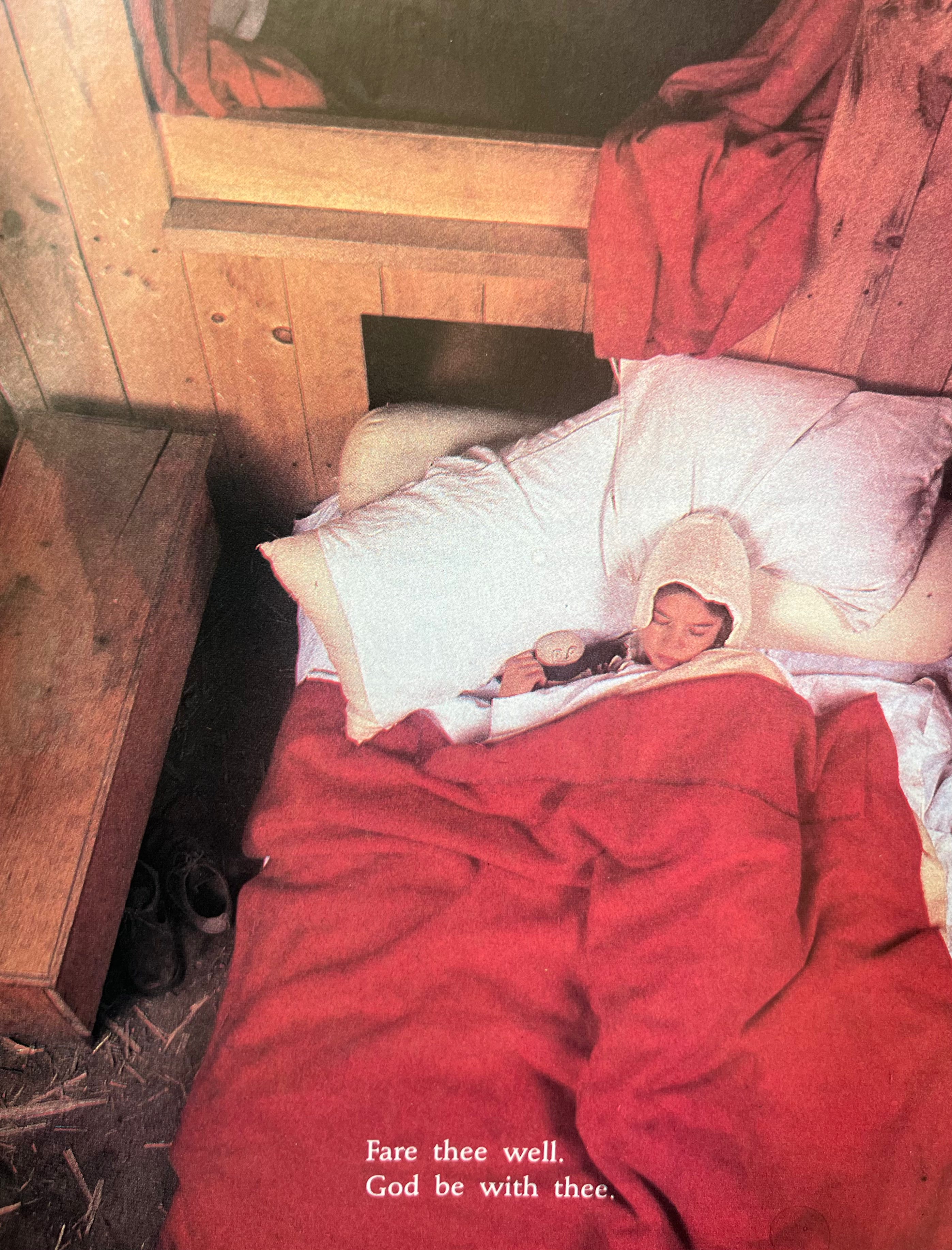
Pilgrims
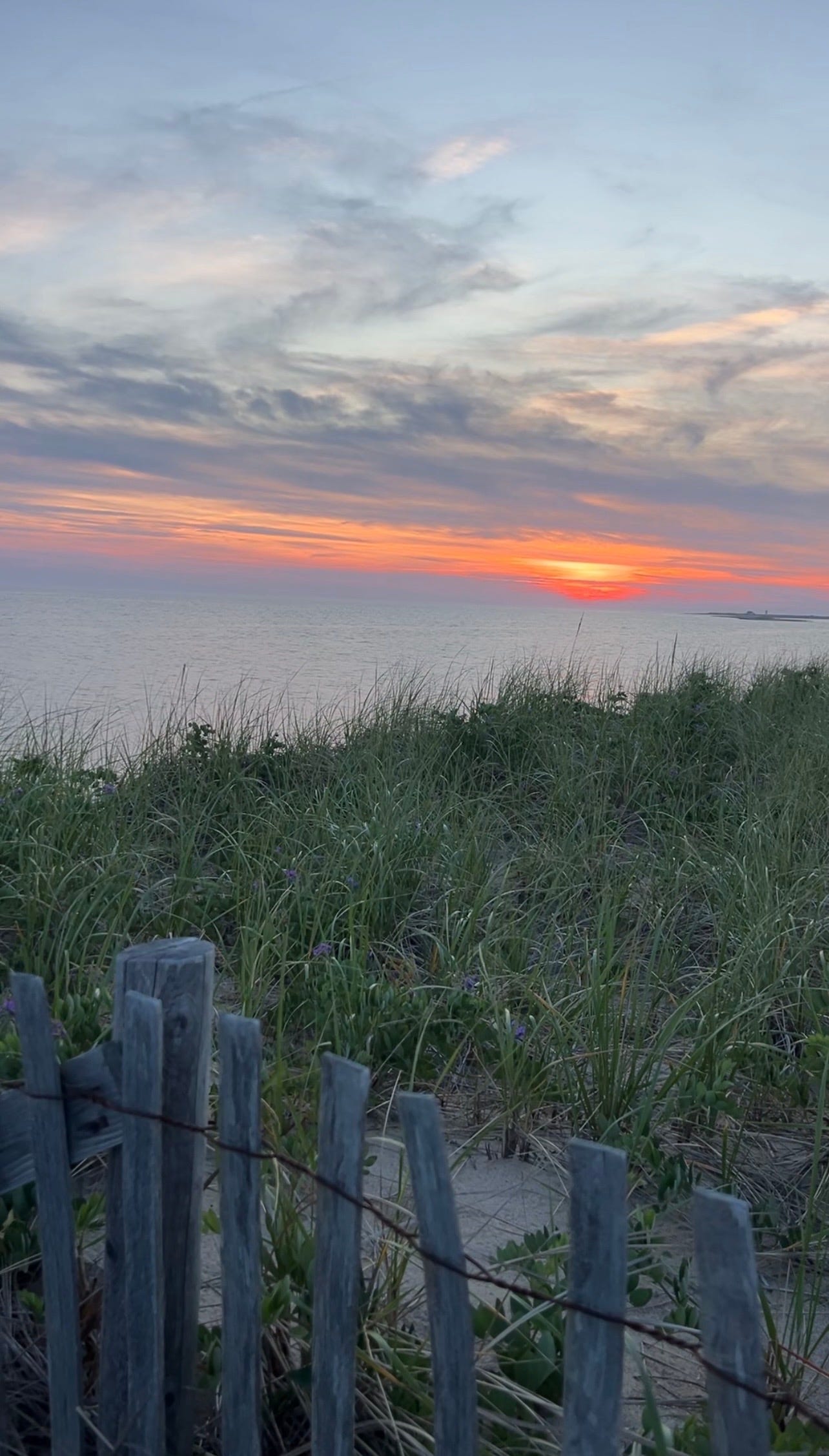
We’ve survived the perilous ocean voyage (or the cross country plane ride for me), and now we’re here: Plymouth, Massachusetts.
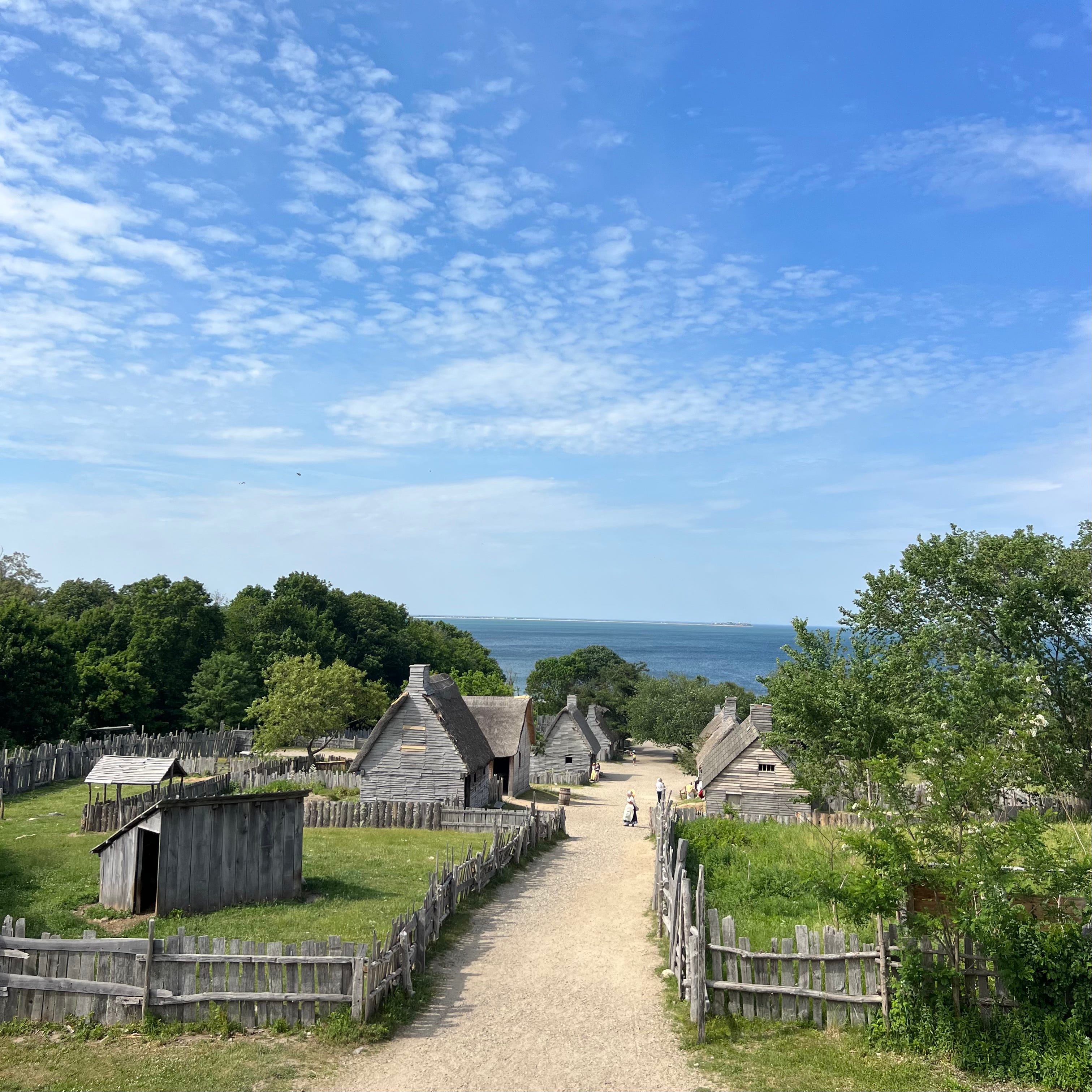
Our main destination here was Plimoth Patuxet, a living history museum where you can freely explore an early English settlement, going inside all of the houses and talking to the actors milling about.
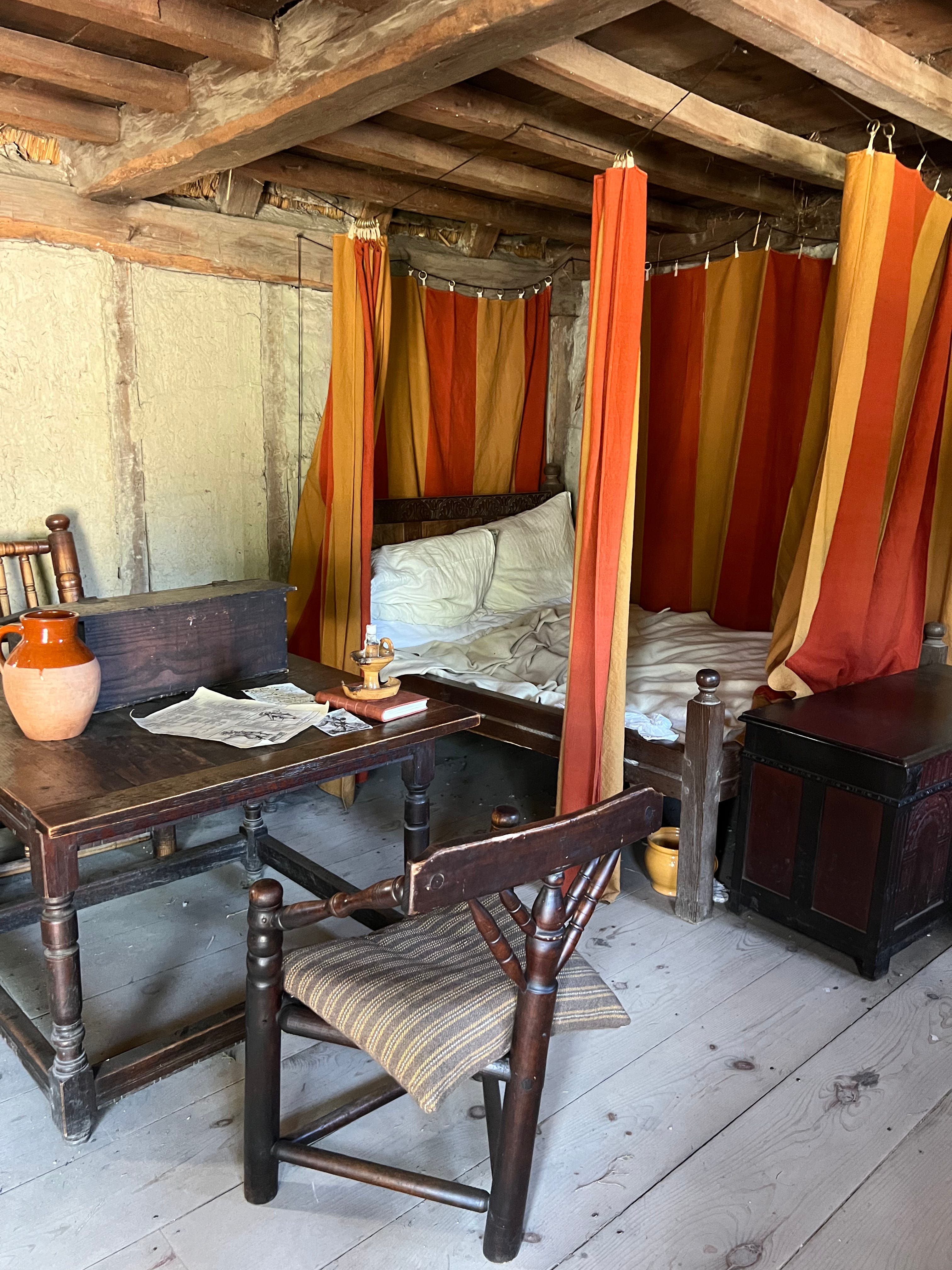
“During the first few years after 1620 in Massachusetts, our Pilgrim Fathers kept house in the rudest kind of huts and caves. Architecture as such was simply not a thing to which they could turn their attention to right then.” - A Treasury of Early American Homes
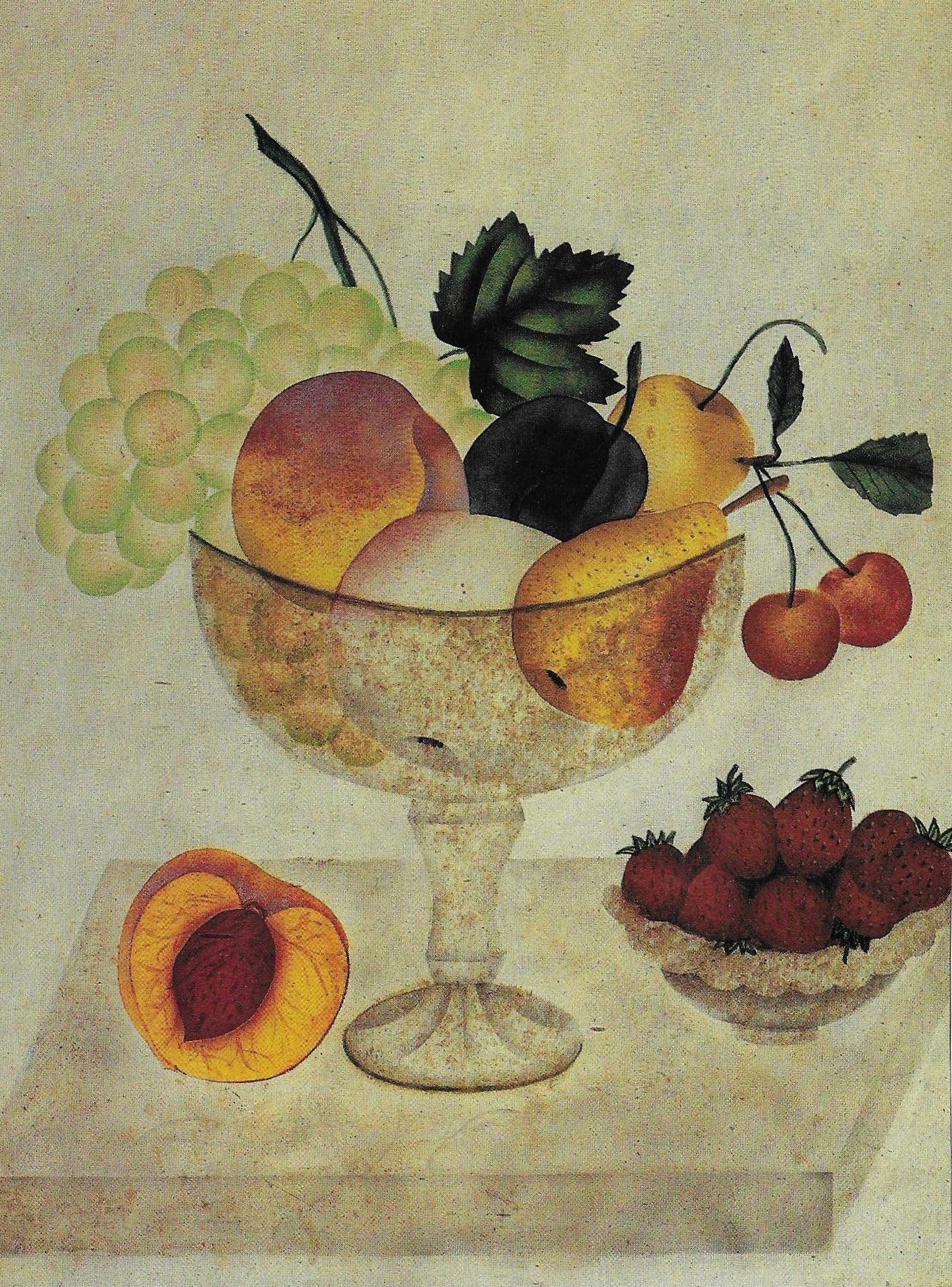
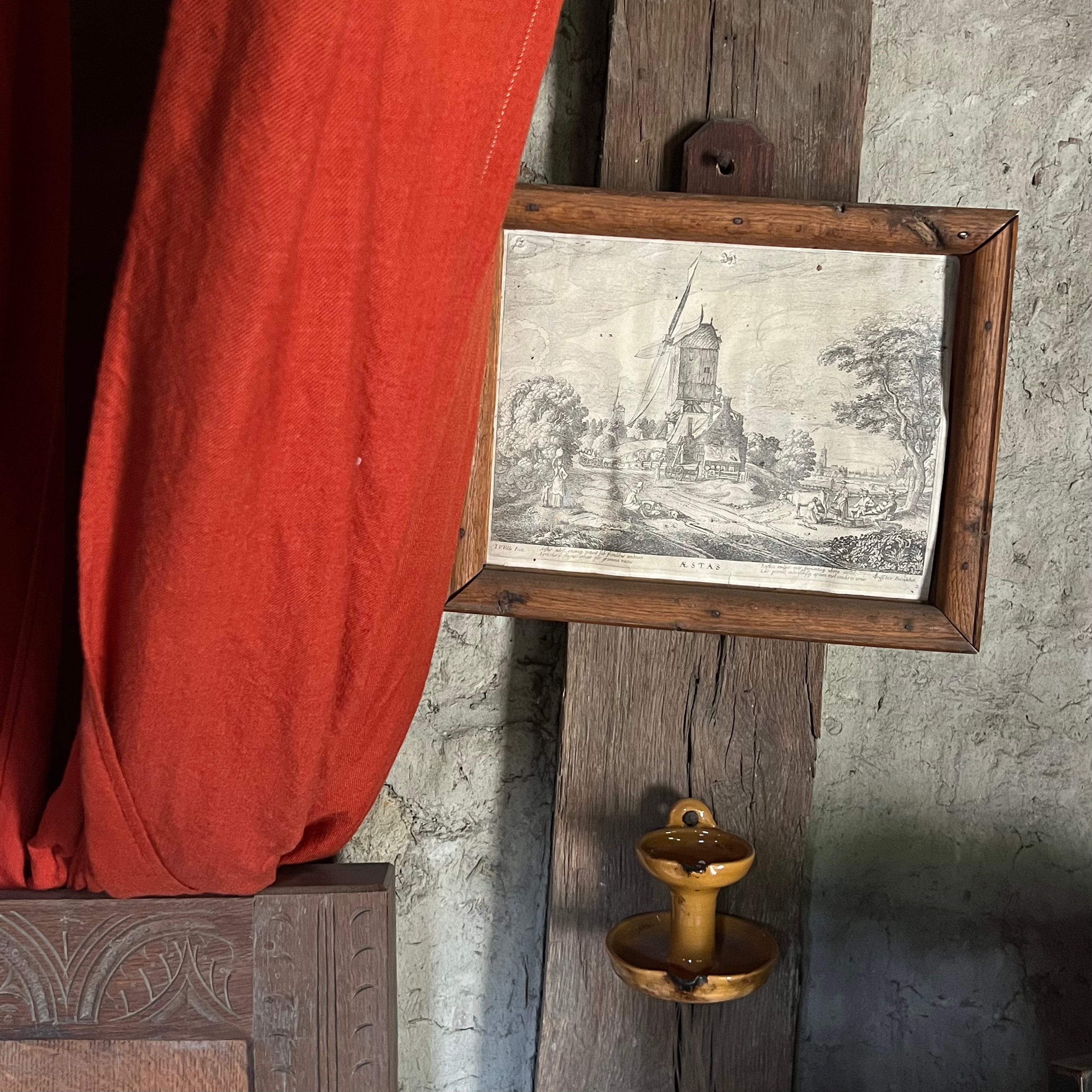
Understandable. It seems, however, this did not stop our Pilgrim Mothers from adding touches of beauty where they could.


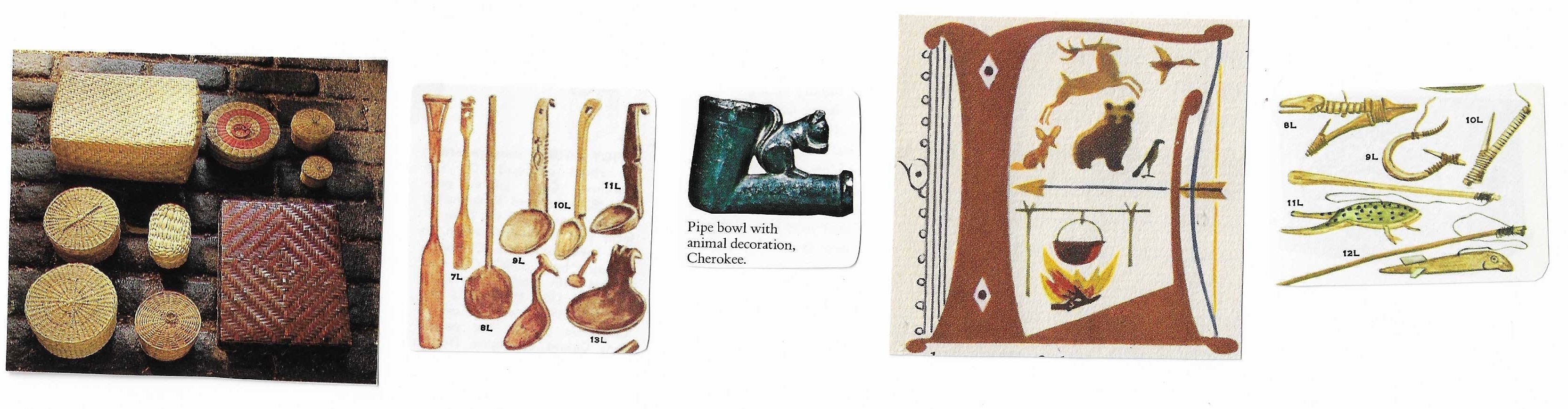
There’s also a Wampanoag homesite at the museum, where you can sit down on a long communal bed covered with animal hides. It was smokey from the 3 perpetual fires burned all winter long.


The Mayflower Pilgrims were approached by the Wampanoag about 3 months after they landed at Plymouth, a partnership born from mutual necessity. The tribe had recently been decimated by a plague, and the Pilgrims lost almost half their number in their first year.
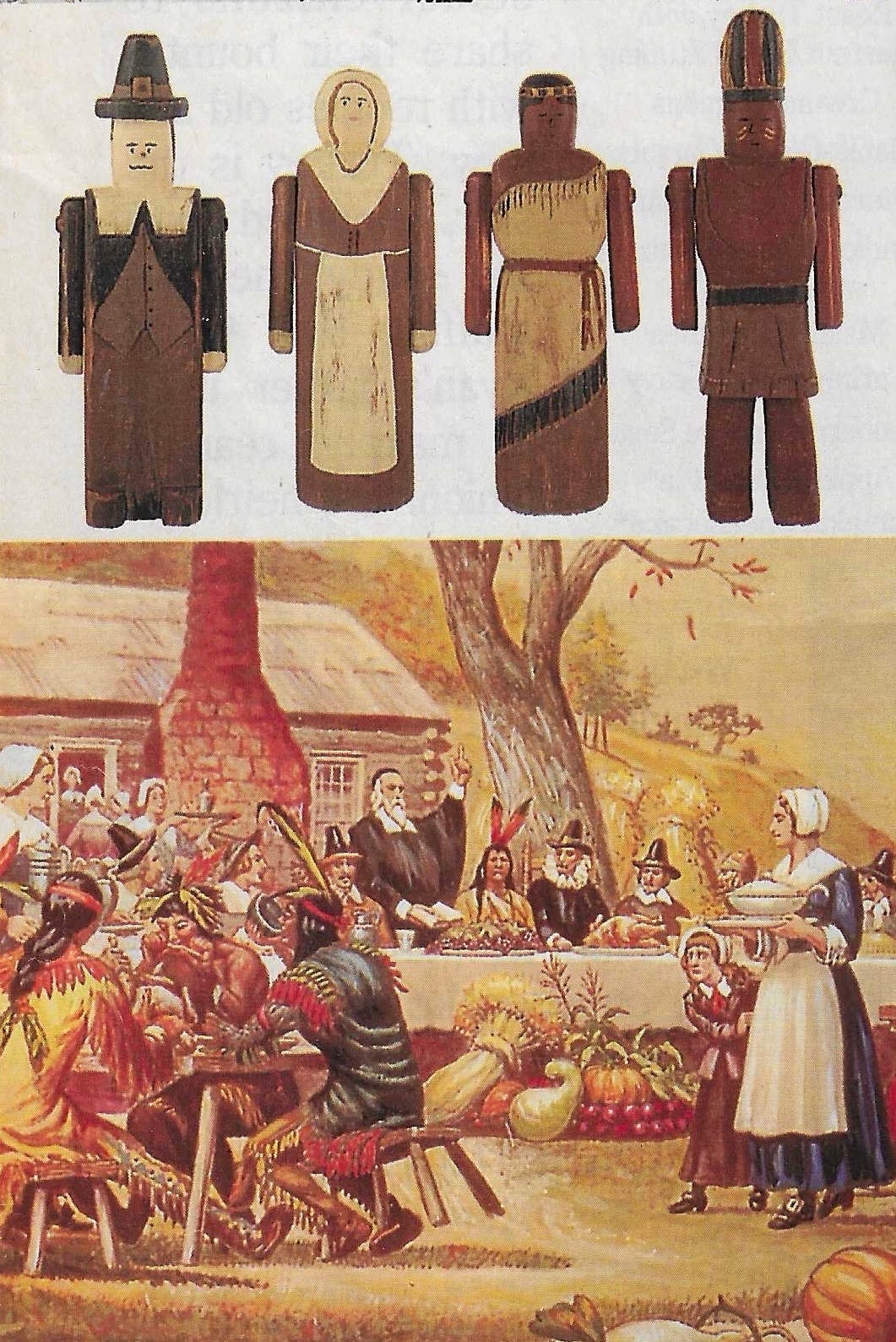
Peace with the Wampanoag lasted almost two generations.
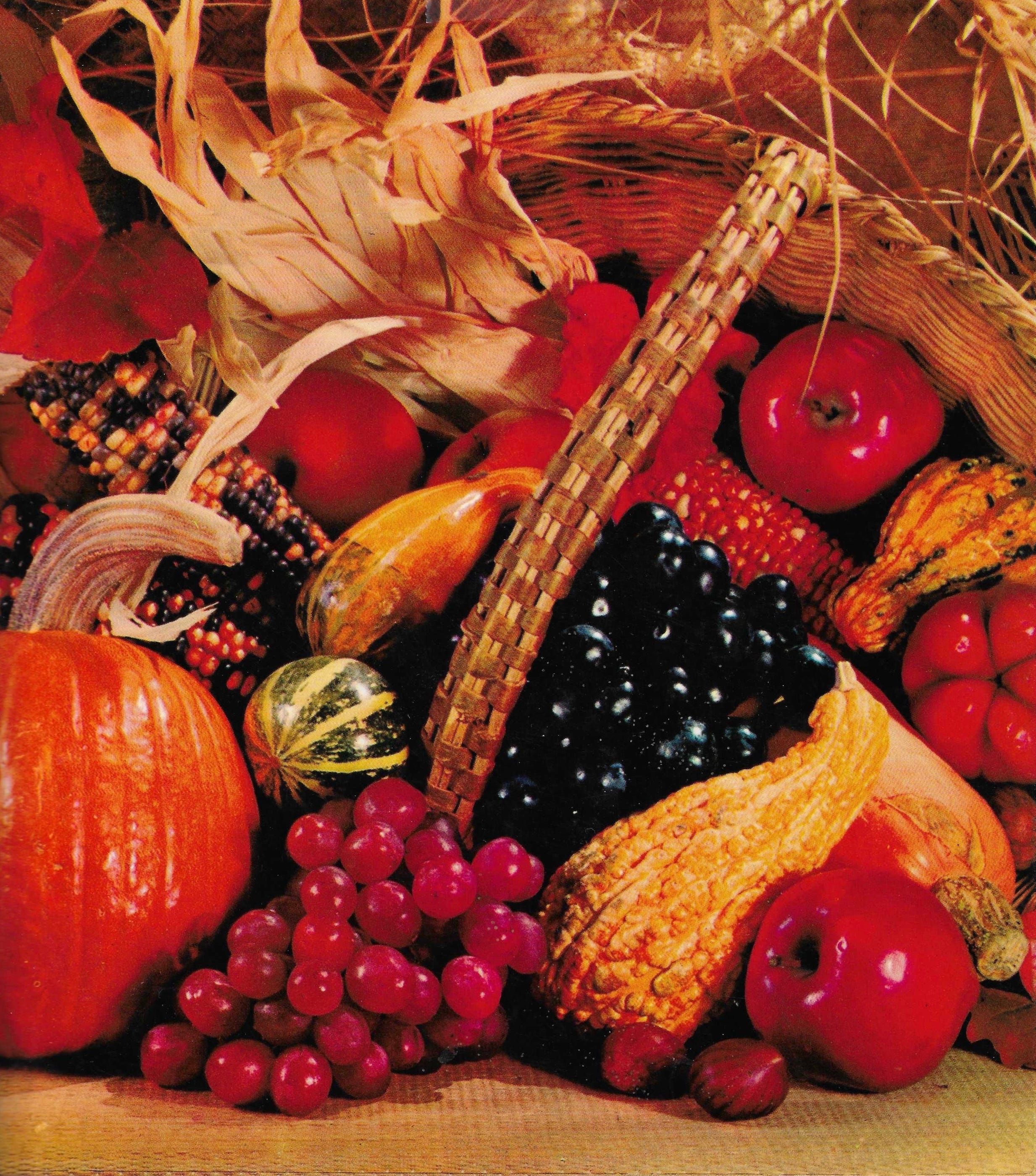
Puritans
The Puritans arrived in Massachusetts a decade after the Pilgrims, with more power, more money, and more enthusiasm for public morality.
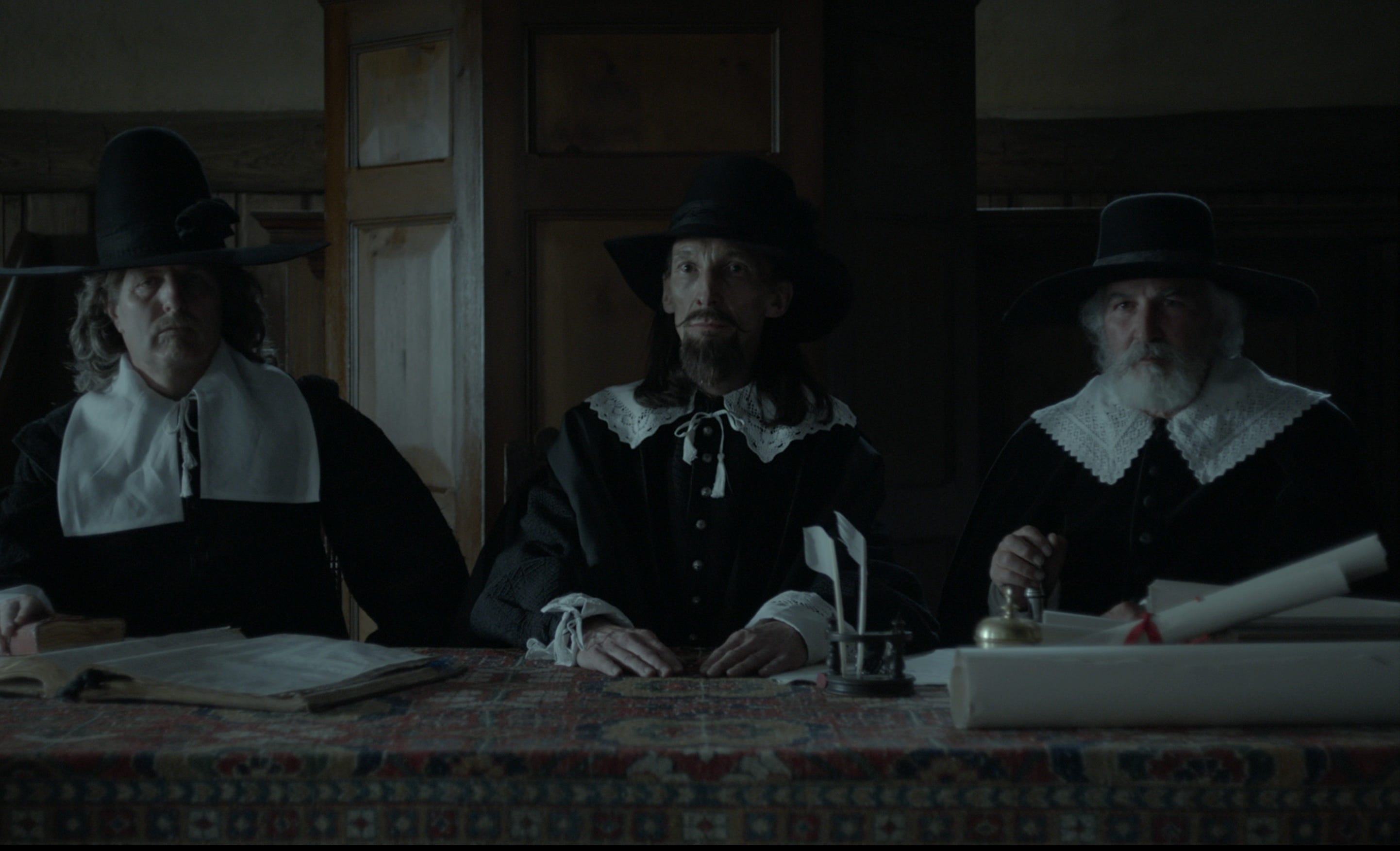
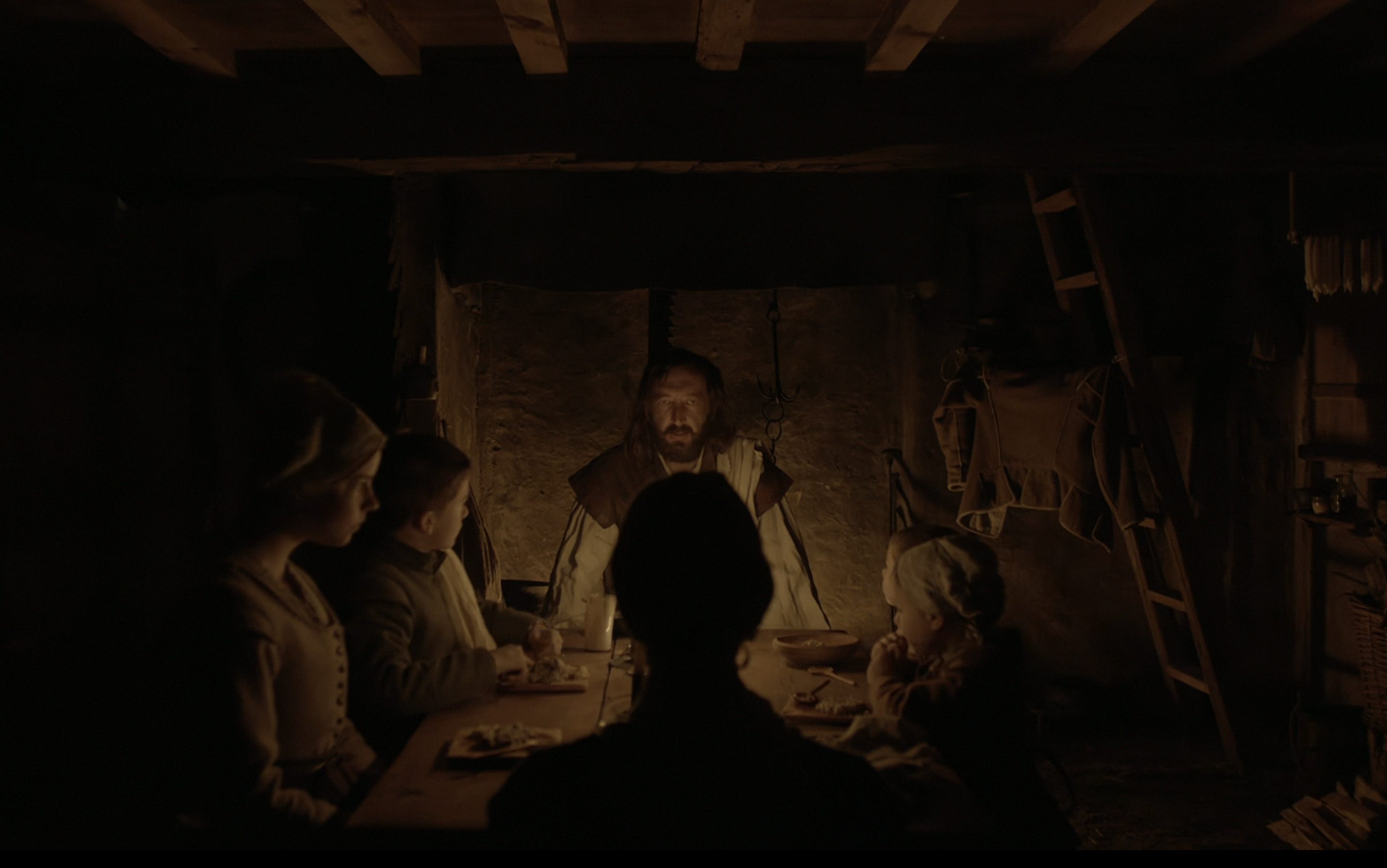
One of my and Christian’s favorite horror movies is the The VVitch, set in 1630’s New England. We re-watched with Krysta and William before our trip.
The movie is a slow building up of dread, and a big part of that is how sparse it is. There’s an absence of any of kind indulgence, visual or otherwise. The Reformation’s project of removing “the clutter of superstition” is obvious in this world; you’re left to wrestle with the scraps.


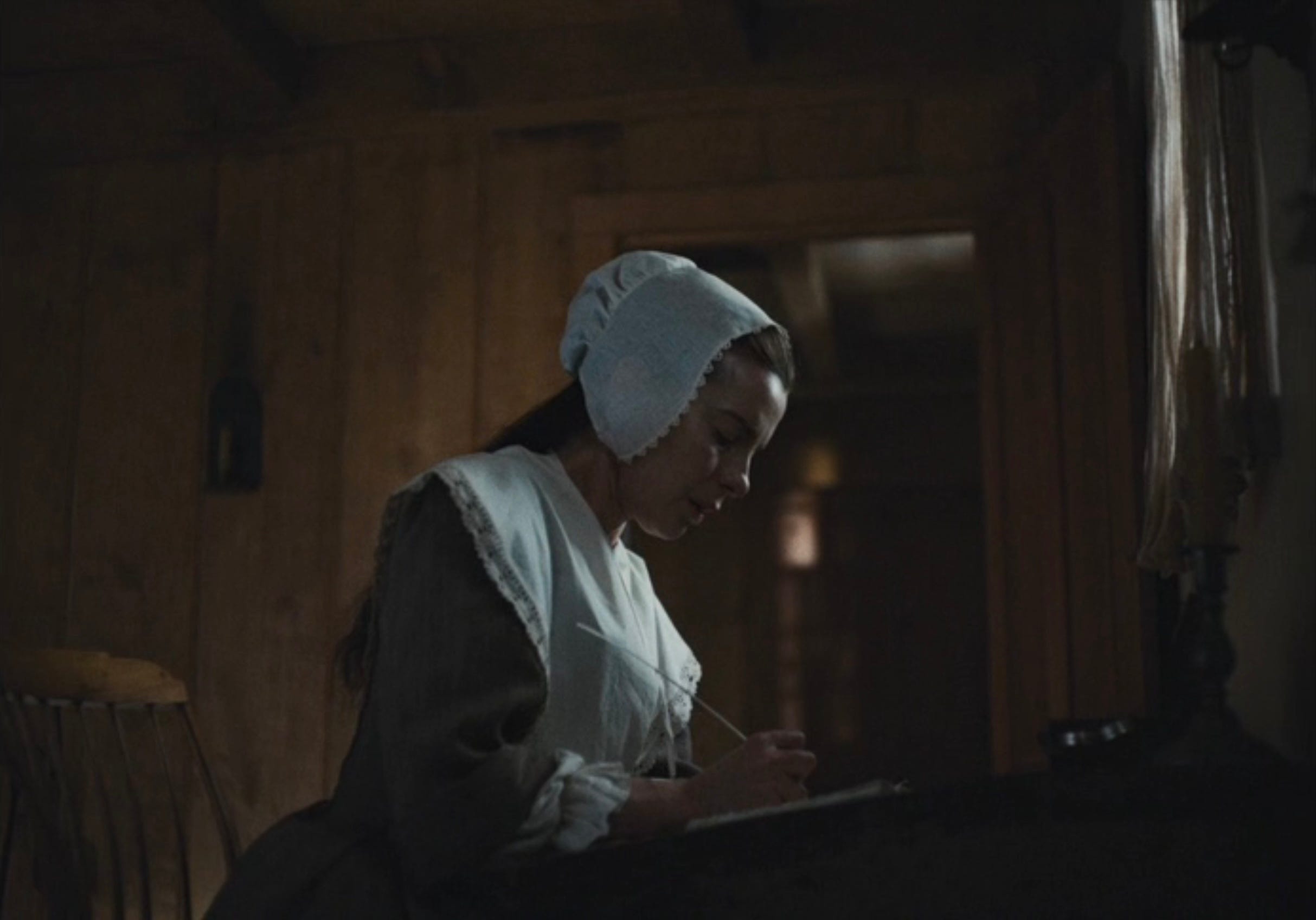
Unplanned but equally on-theme viewing: the recent flashback episode of Widow’s Bay, Puritan horror at its finest. Hidden chambers, cursed jewelry, a secret diary, a minister’s advice: “God has chosen you for this.”


Speaking of horror, we also visited Salem for a hot second on our trip out east, where our main destination was The House of the Seven Gables.
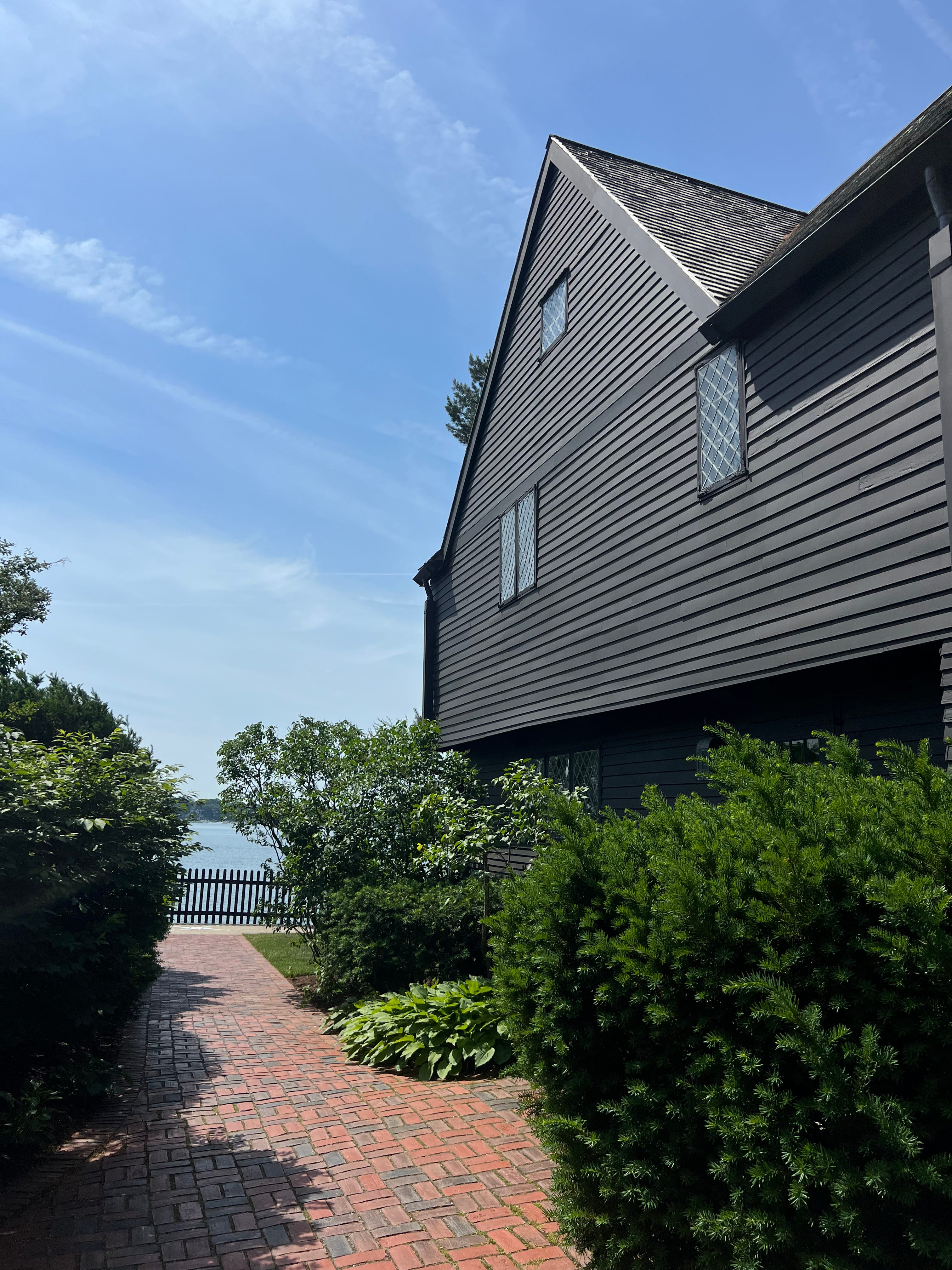


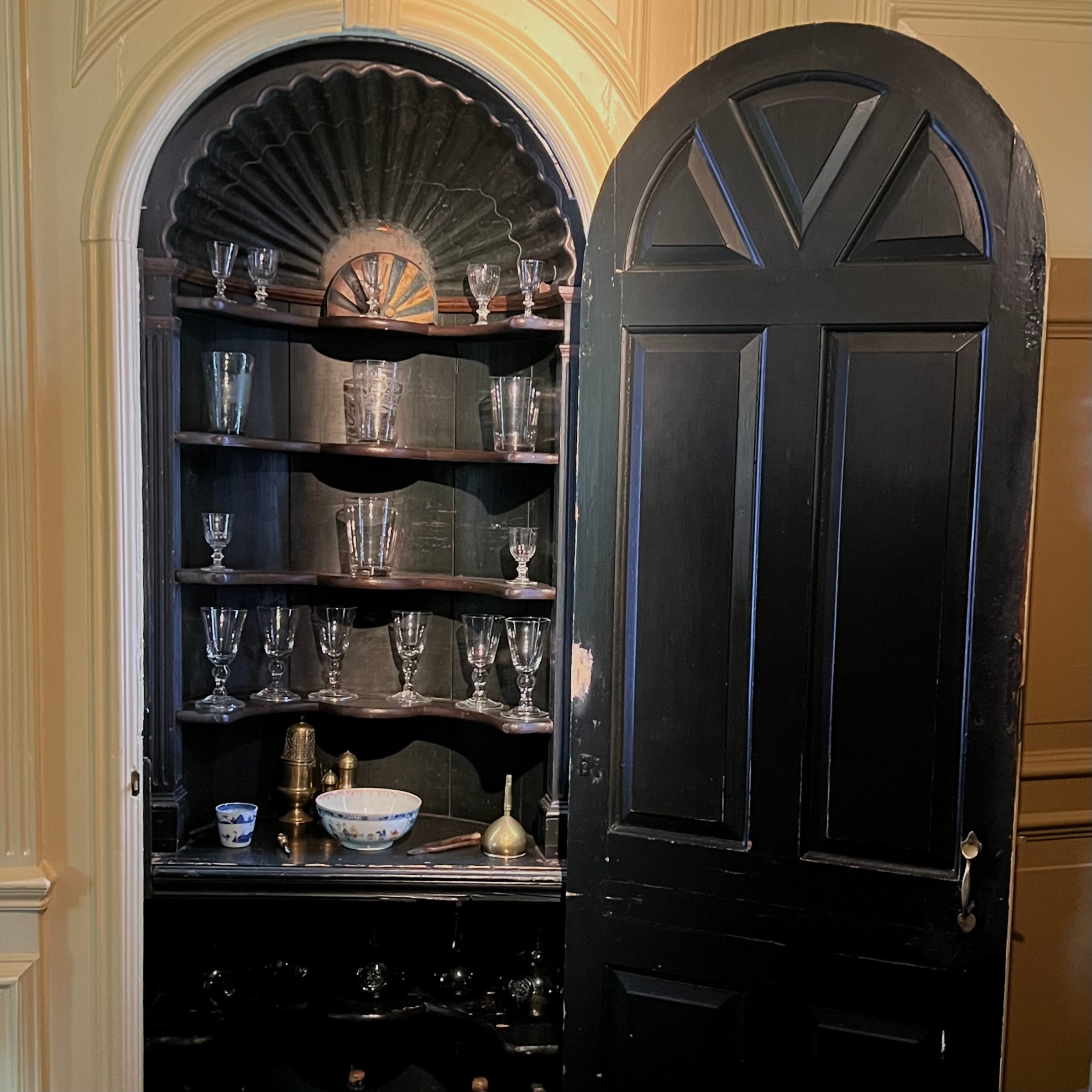
I took an early morning walk in Salem by myself while the boys slept off their jetlag, one of my favorite hours of the trip :)
Our inn was kitty-cornered to The Witch House, the home of Witch Trials Judge Jonathan Corwin. It wasn’t open during the few hours we had there, but I still snuck around a bit (more about the Witch Trials here).


Fancier times
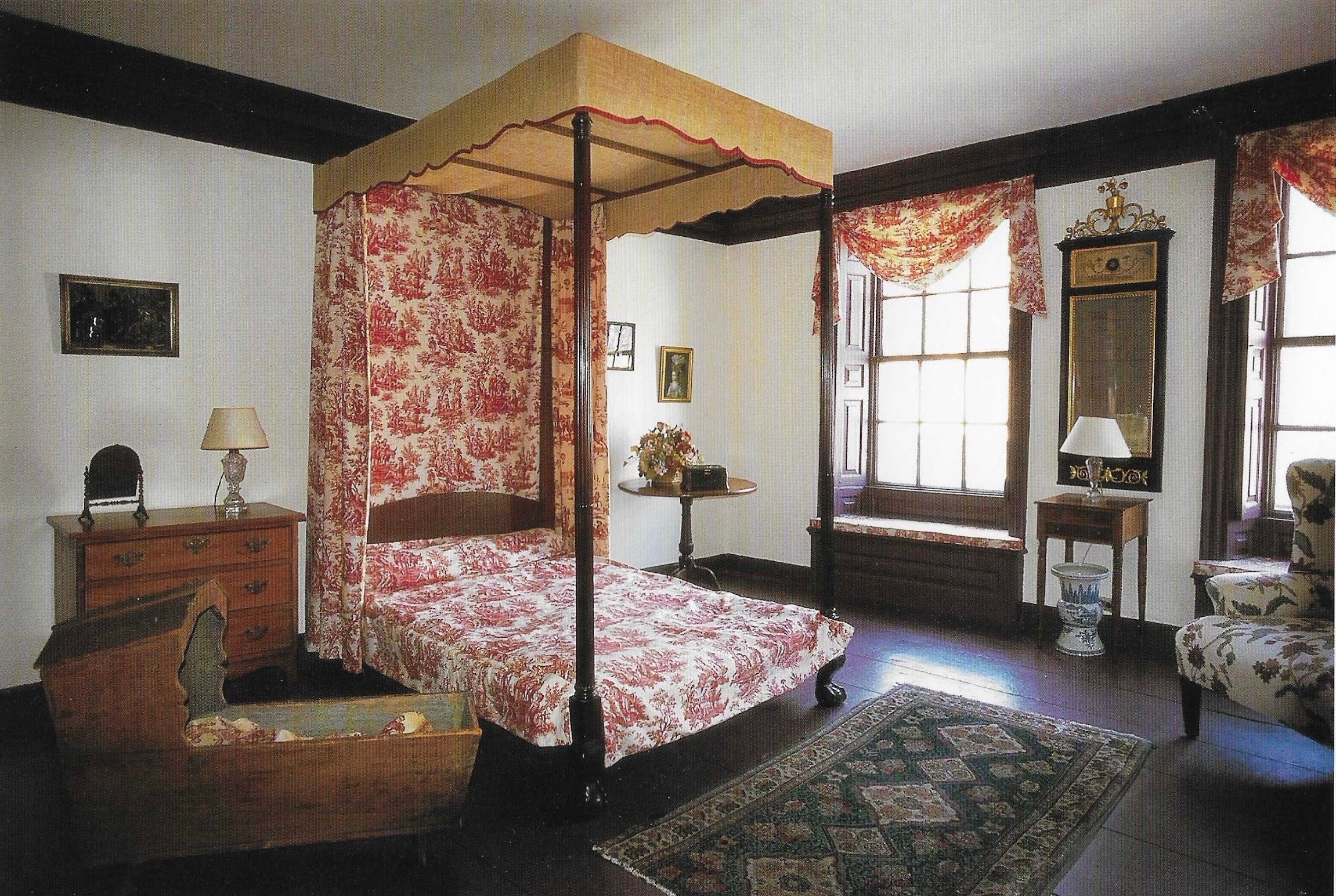
Time to (figuratively) travel 600 miles south and 100 years forward to our more light-hearted neighbors in Williamsburg, Virginia, the cultural center of late colonial America.
Maybe it’s the sunshine, maybe it’s just that they’re no longer having to fight tooth and nail to survive - but these guys know how to do it right.

They’ve had time to bring over the furnishings from England, the wool rugs, the draperies.
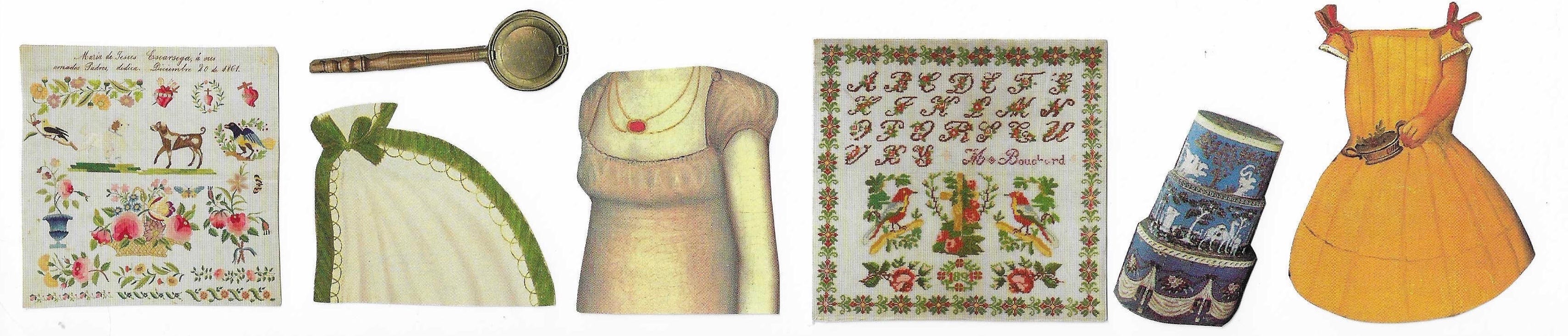
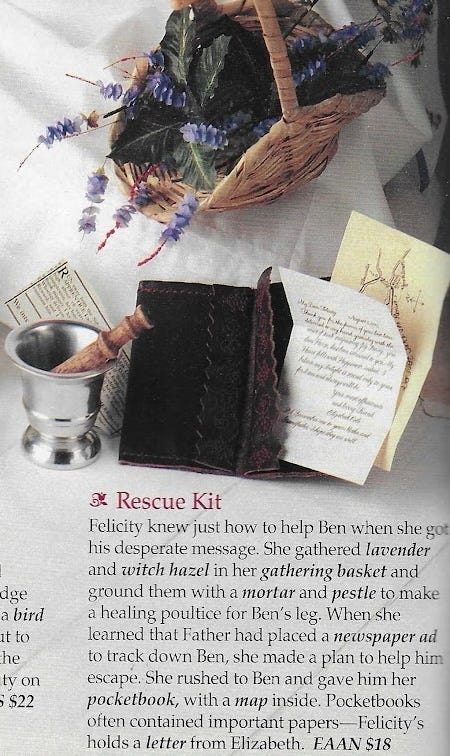
If you’re like me, this is what you picture when you think “colonial.” You’re in a petticoat sipping tea, an embroidery sampler on your lap - you’re Felicity Merriman.






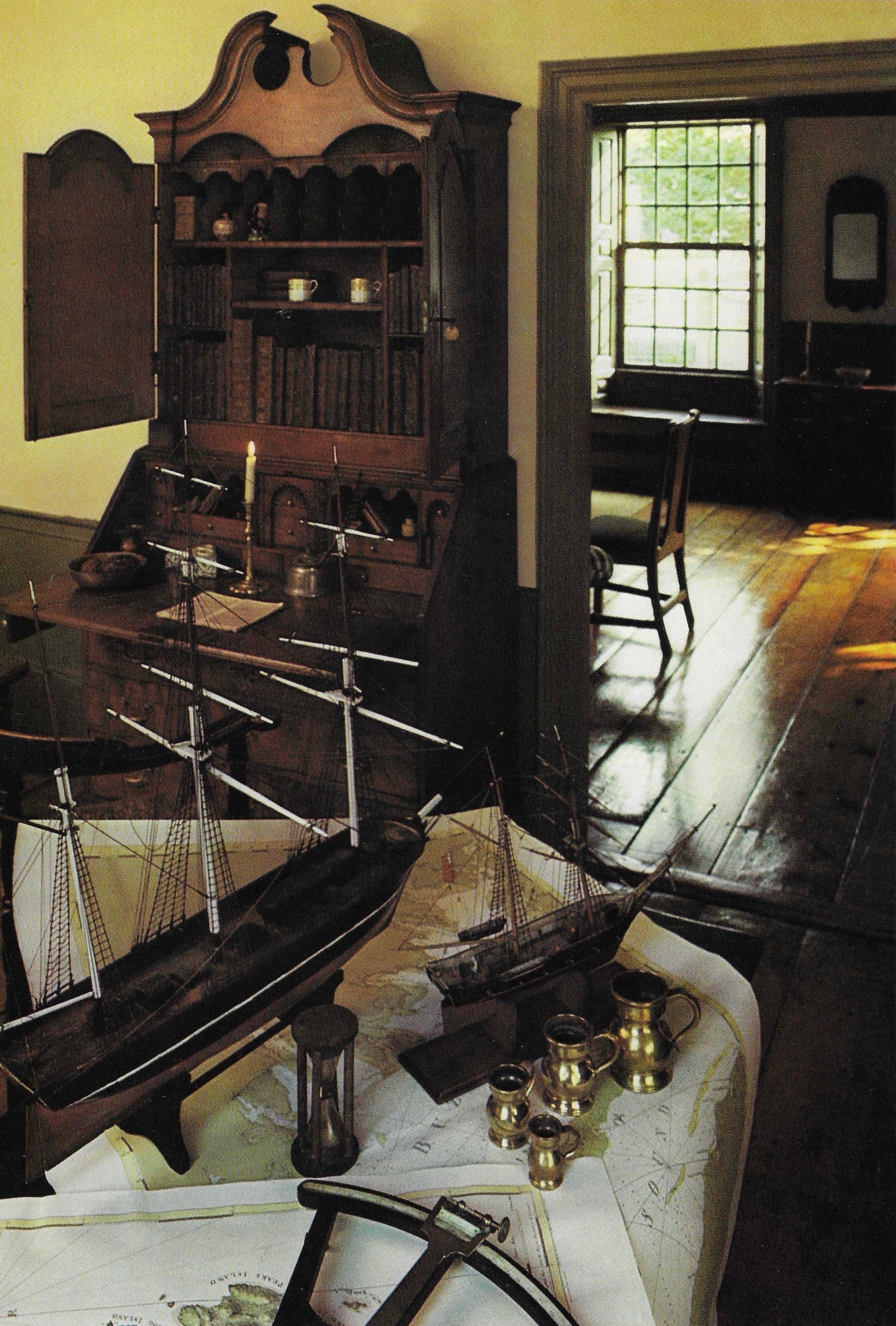
The last and fanciest stop on our tour was not Colonial Williamsburg (a dream for the future), but Strawbery Banke, a collection of historical homes open to explore in Portsmouth, New Hampshire.
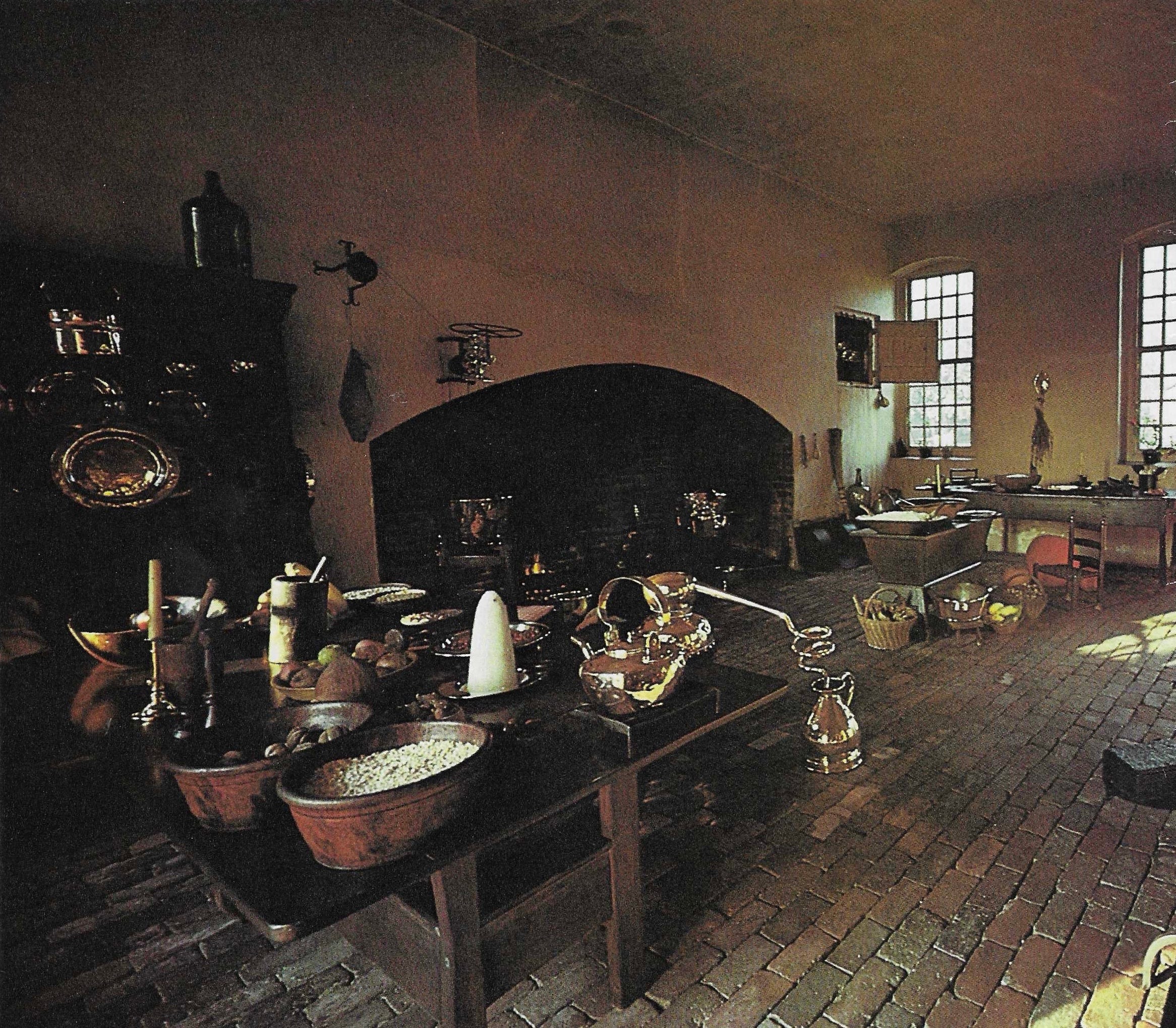
The homes were from all different time periods and surely some of the interiors below bleed over into the 19th century, but this is about a mood.
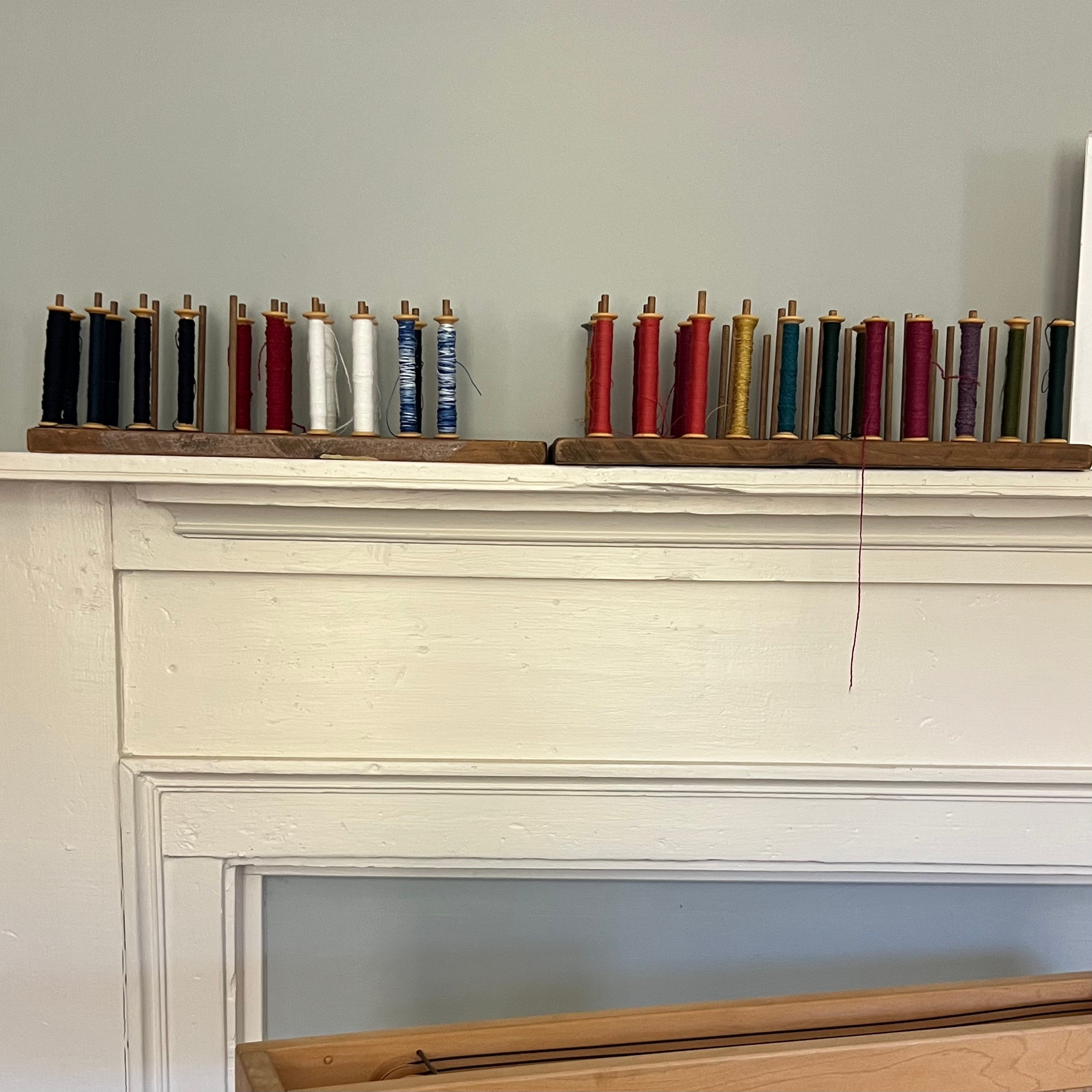


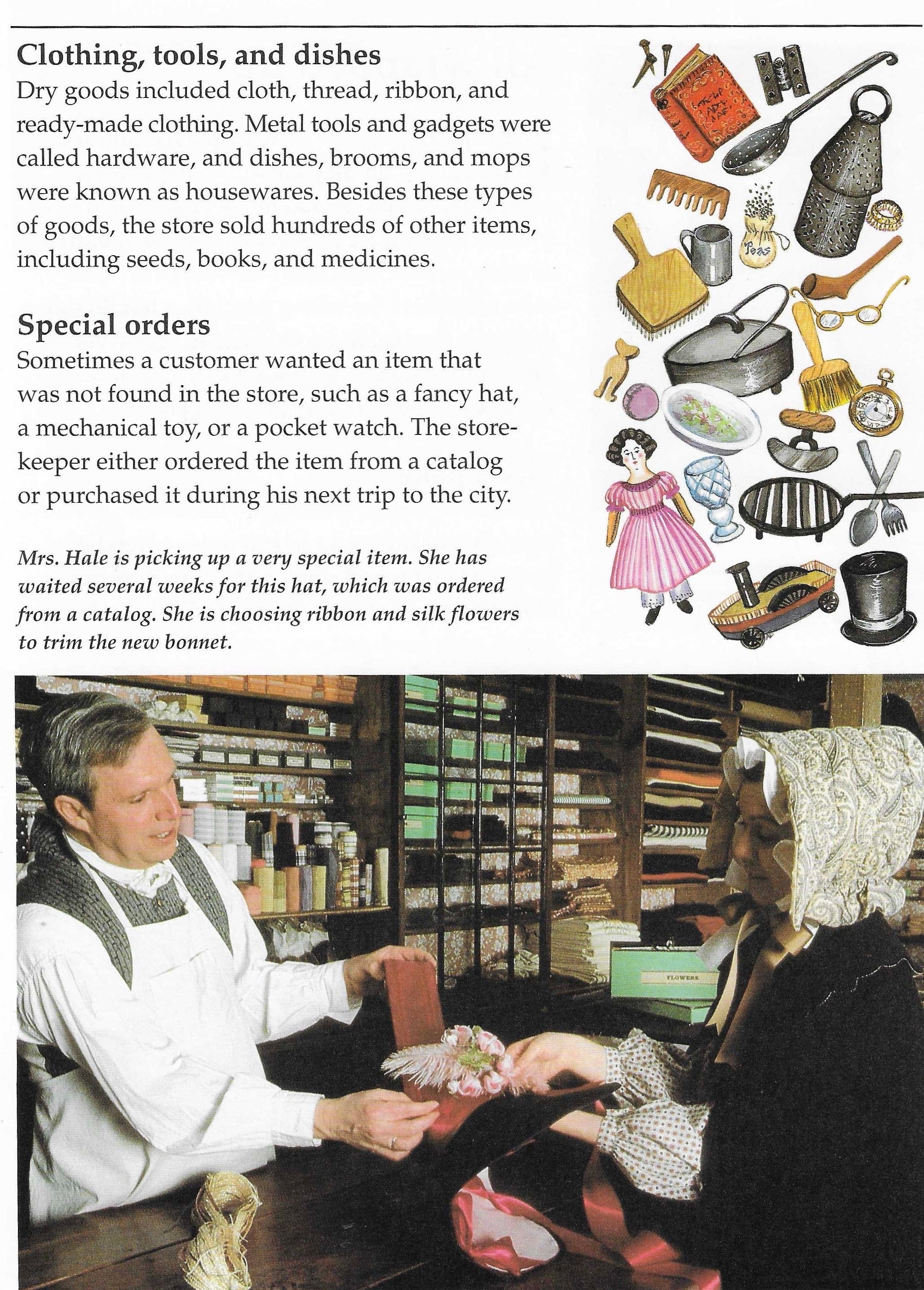
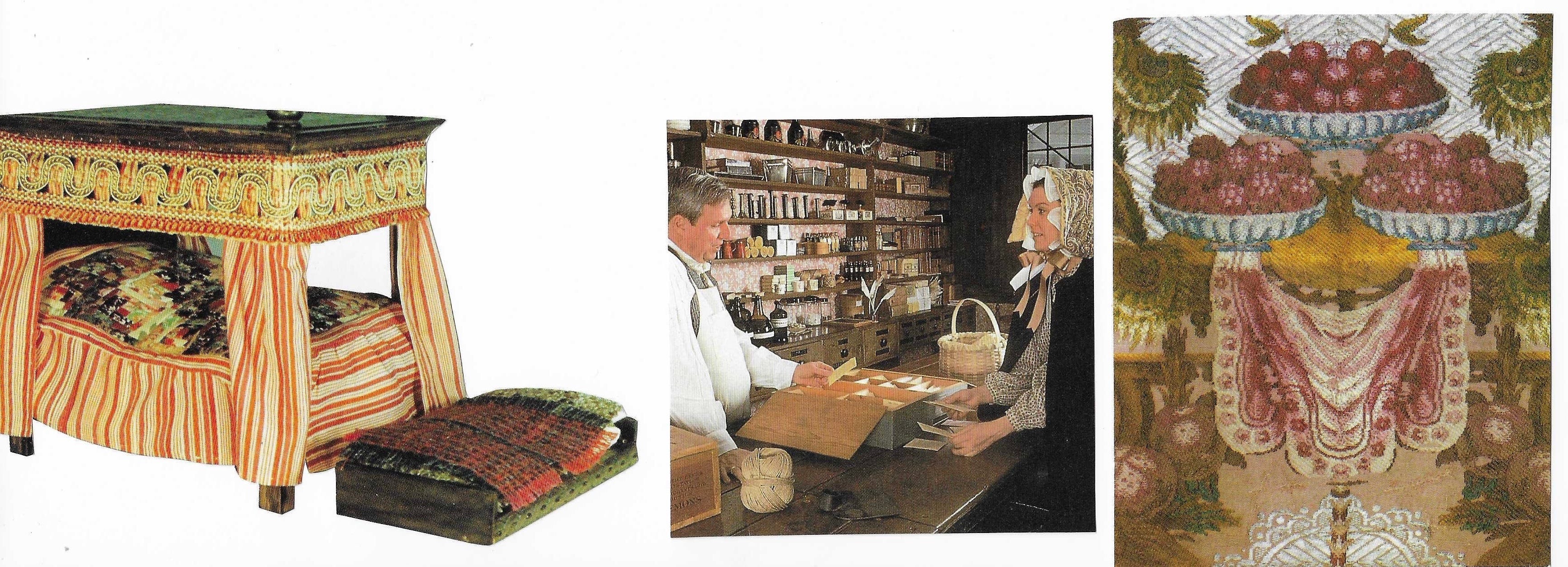
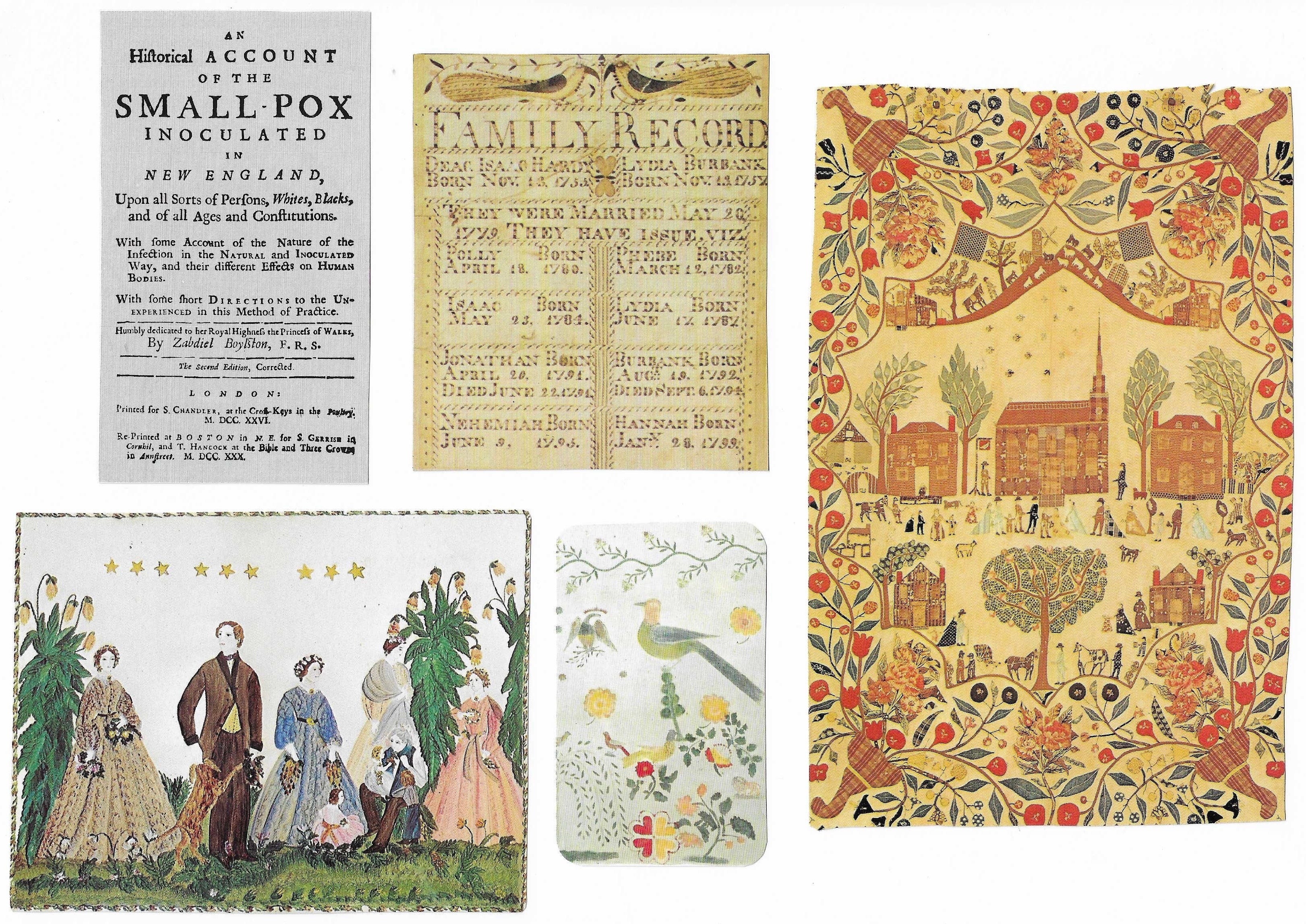
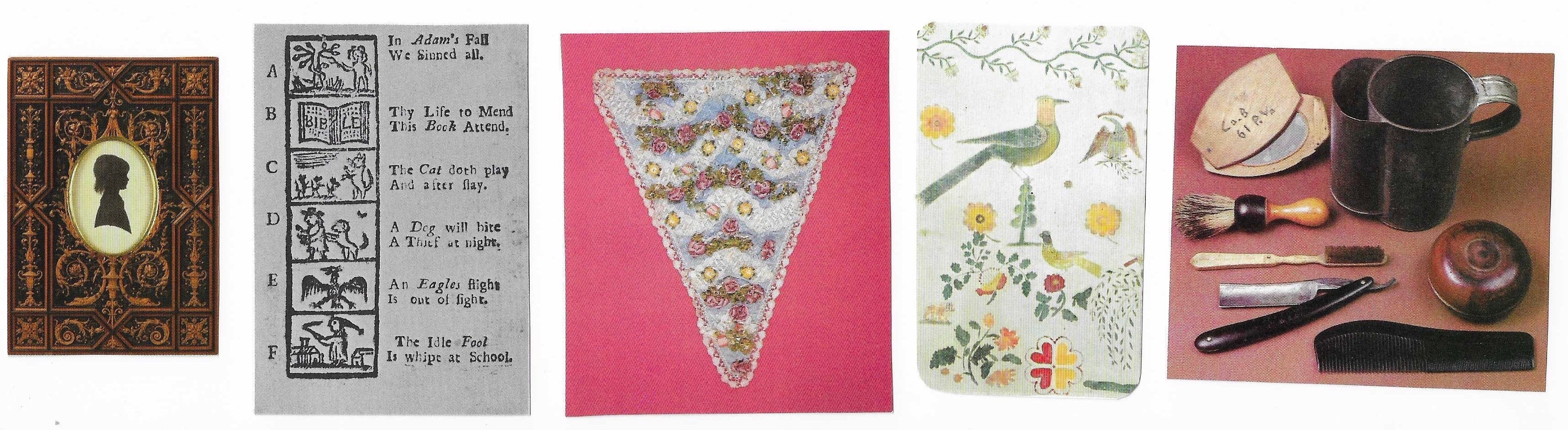
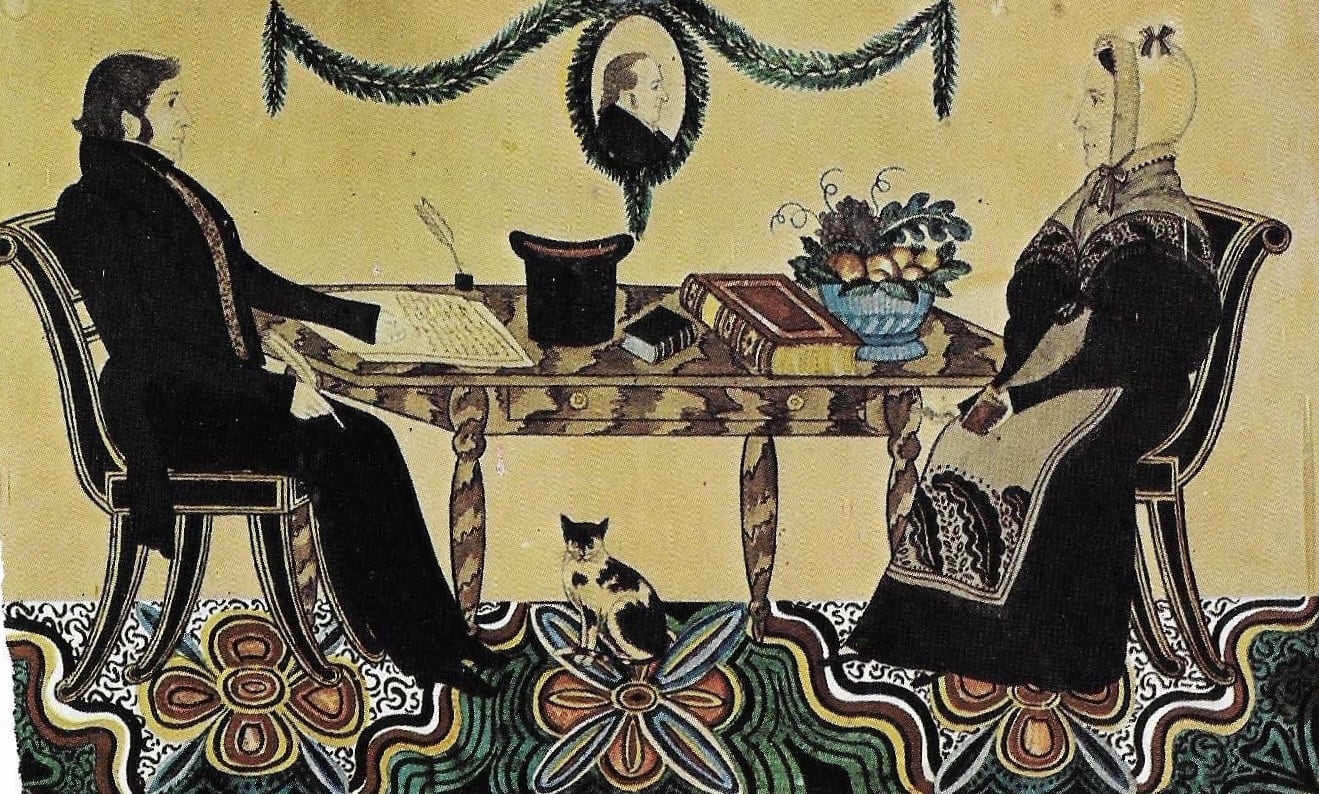
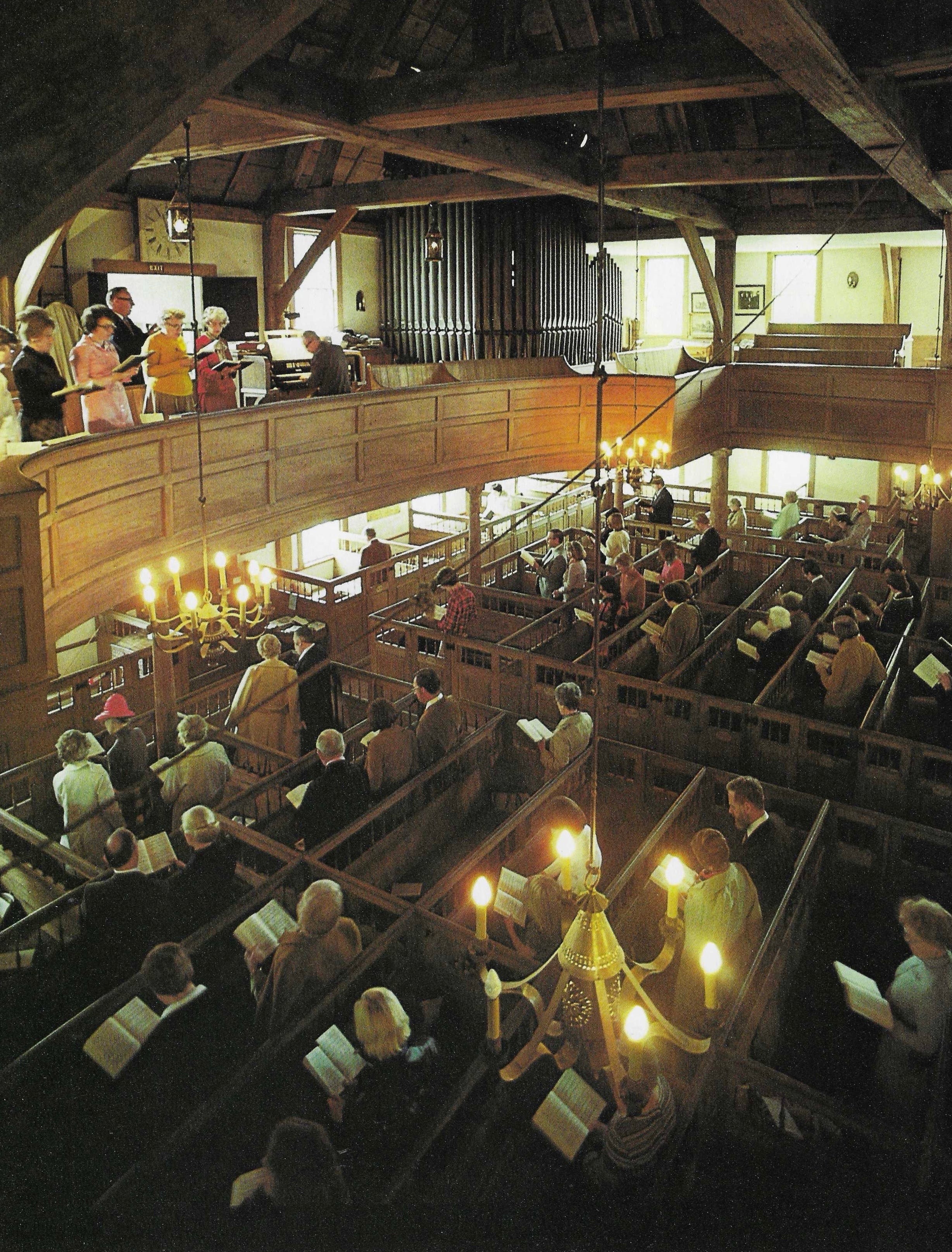
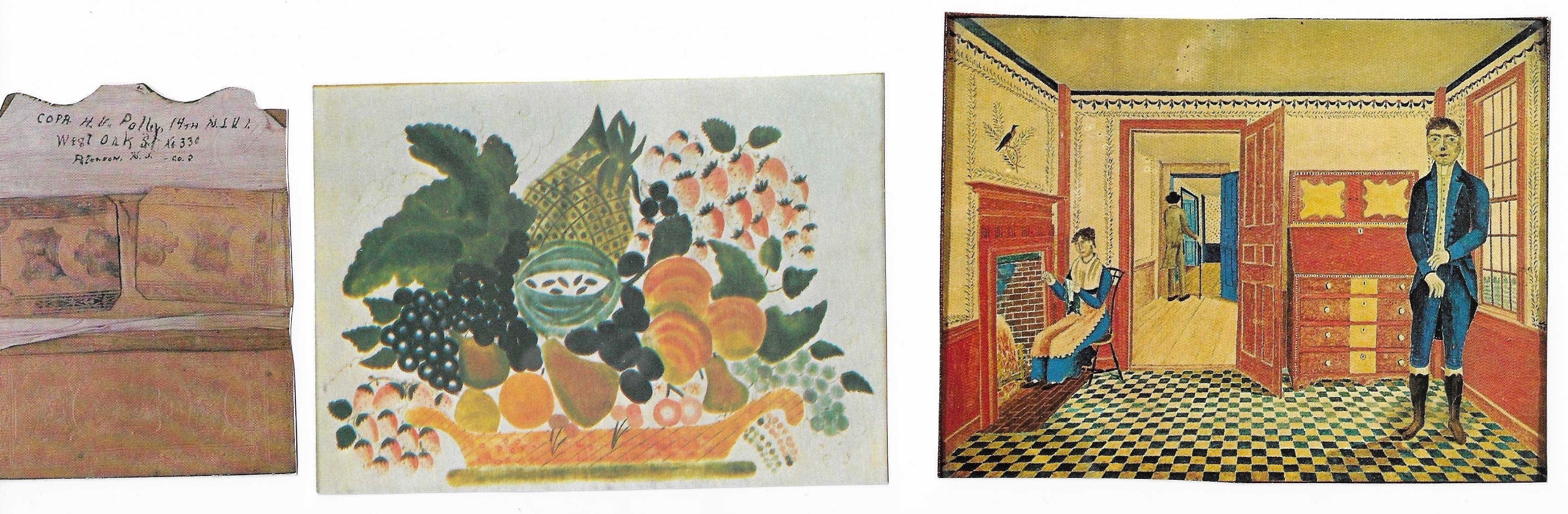
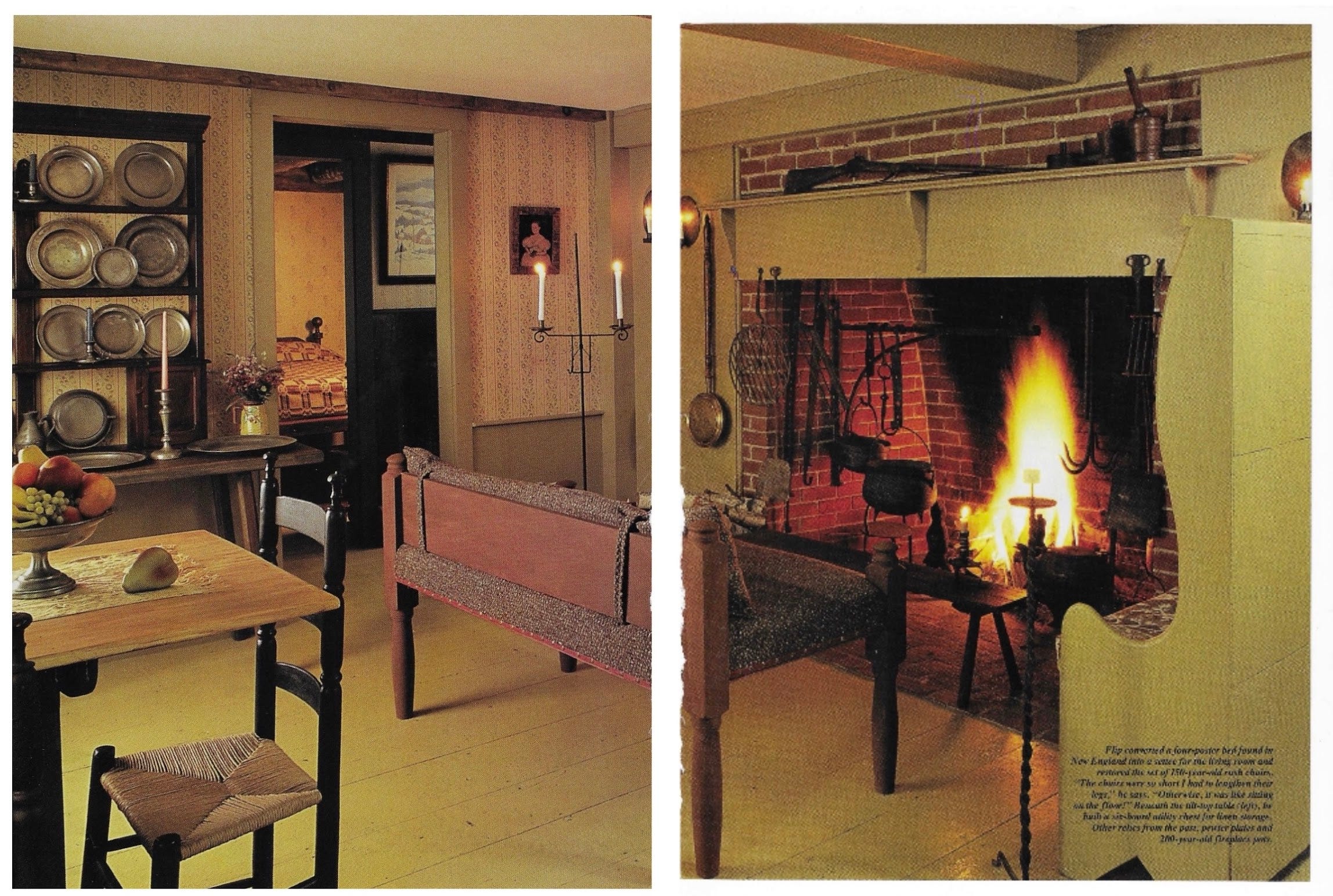
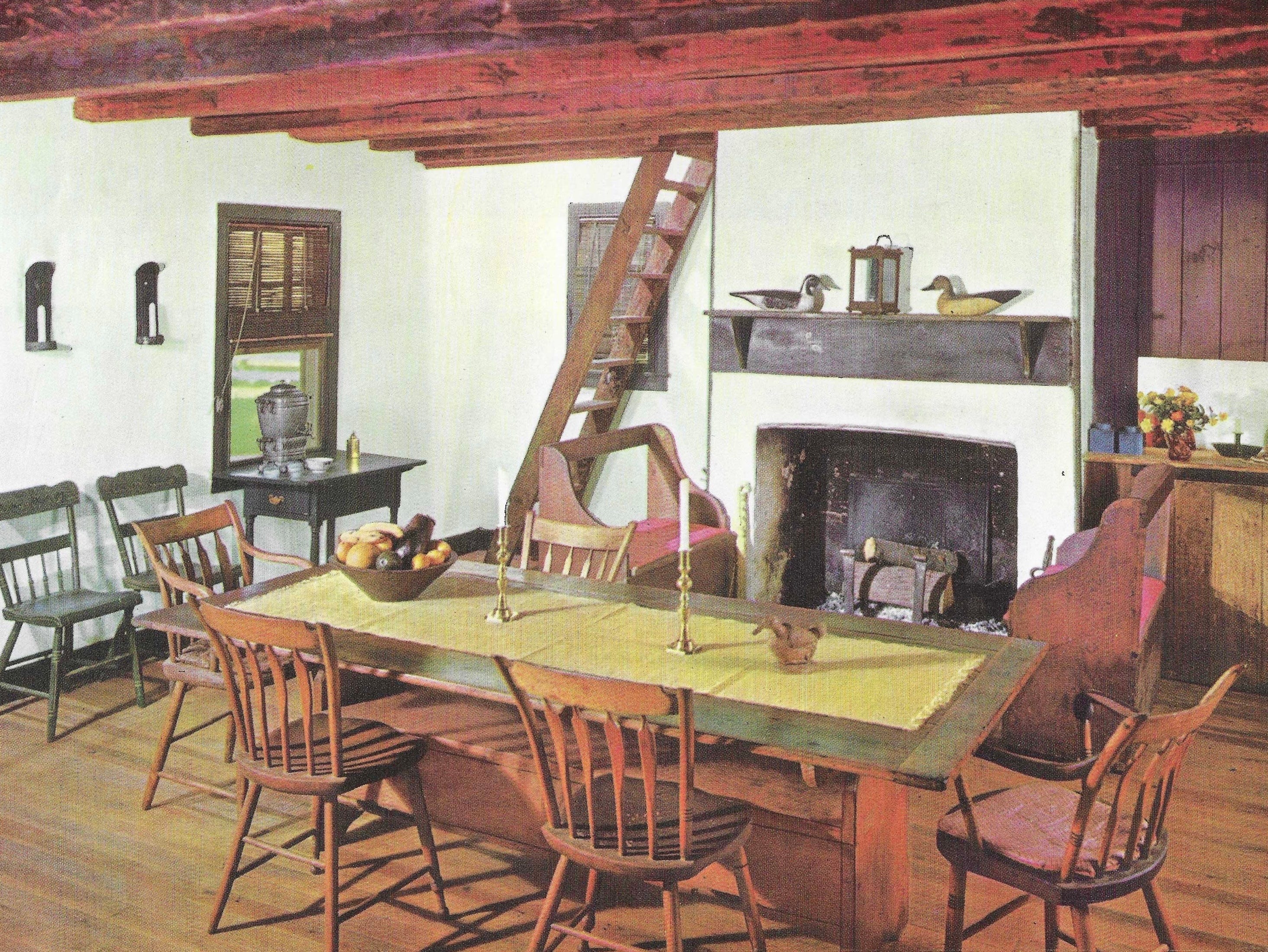
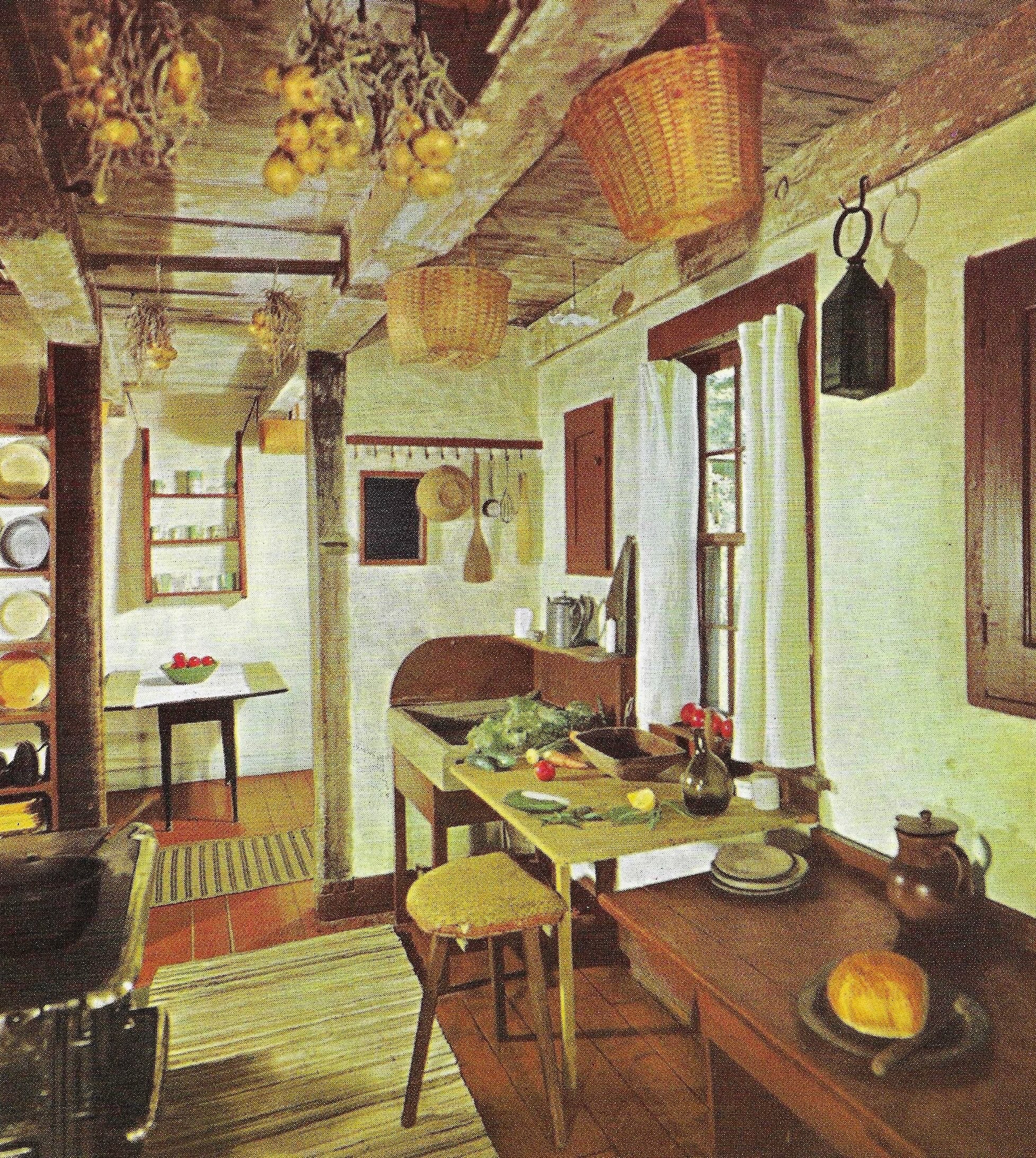
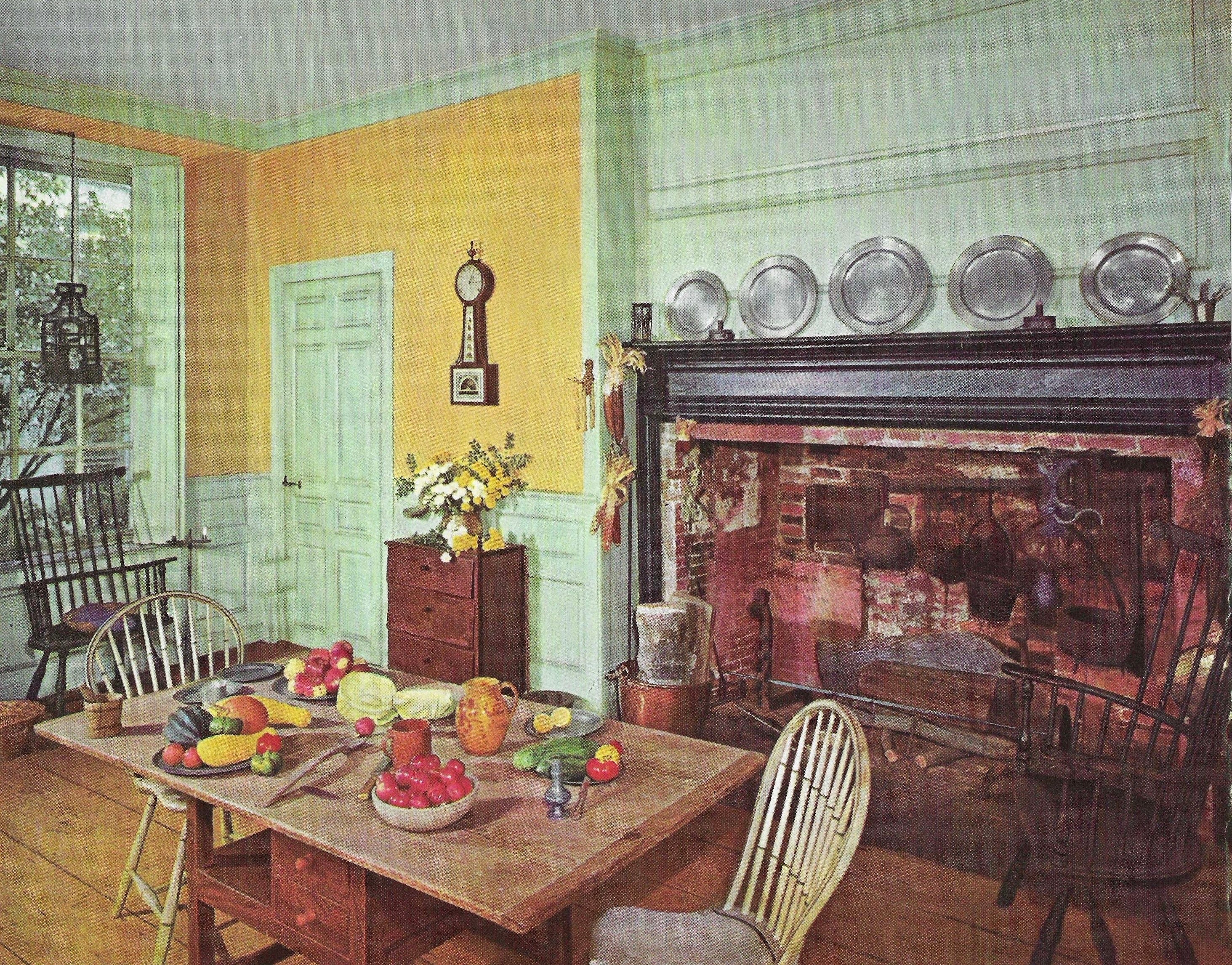
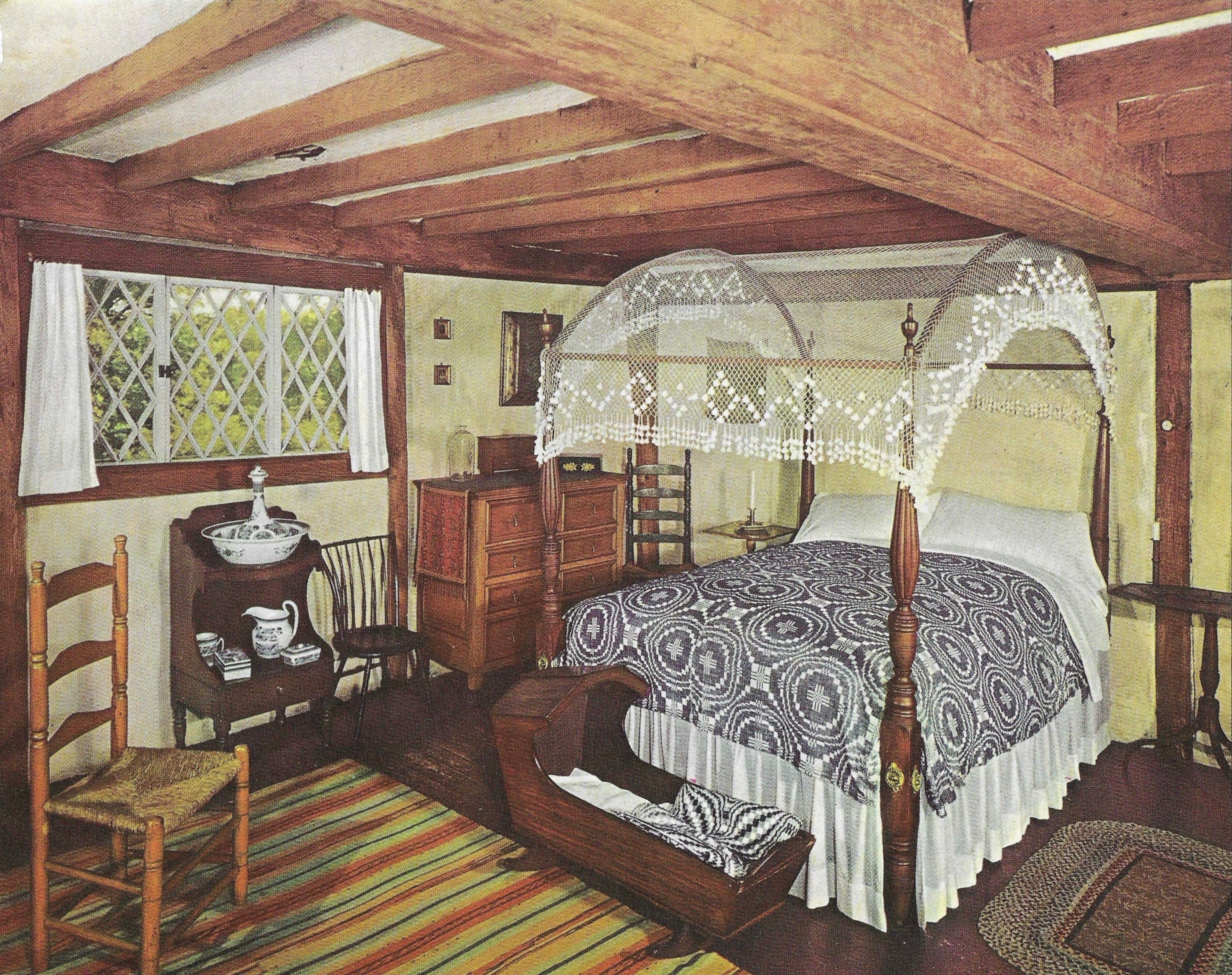
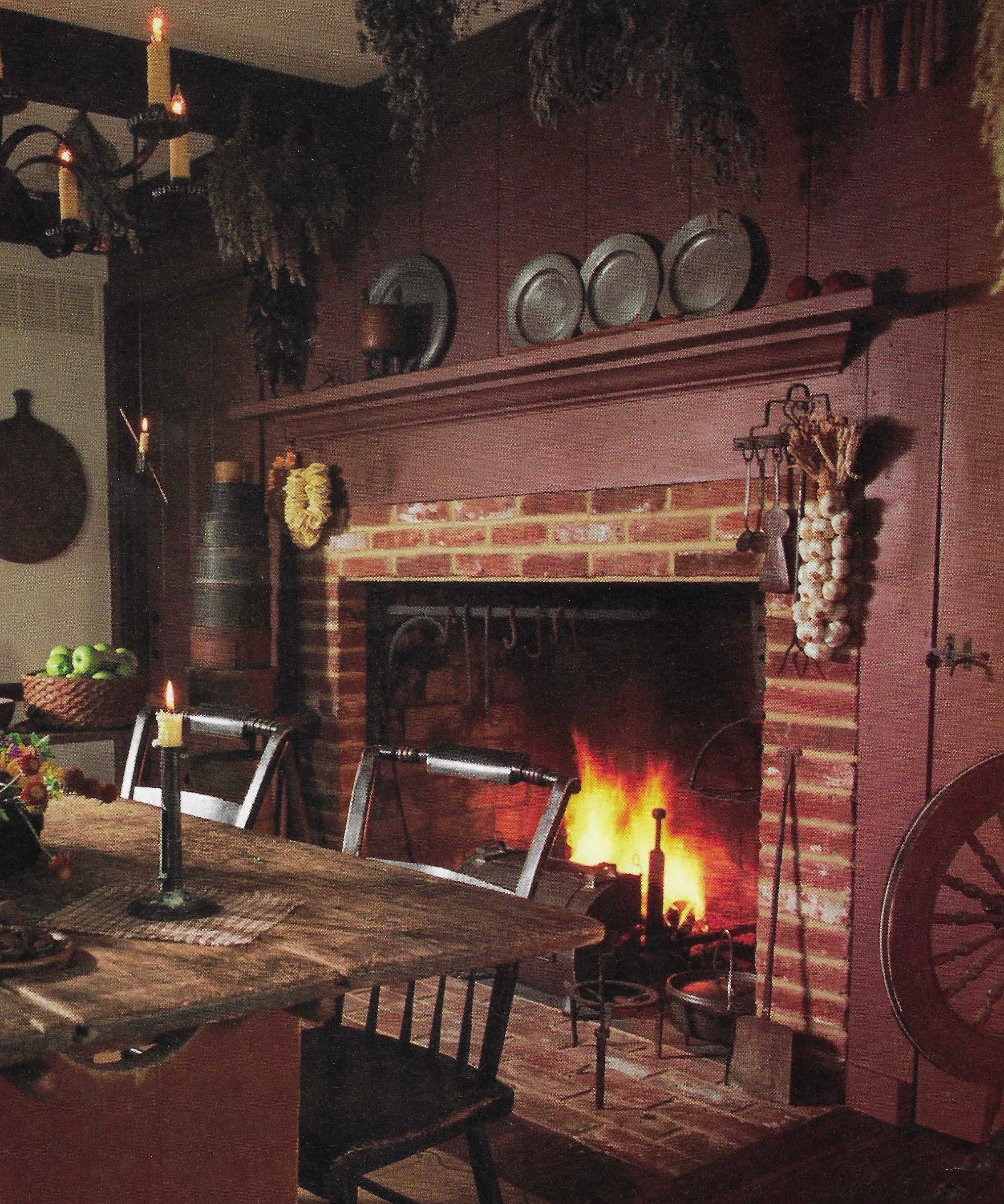
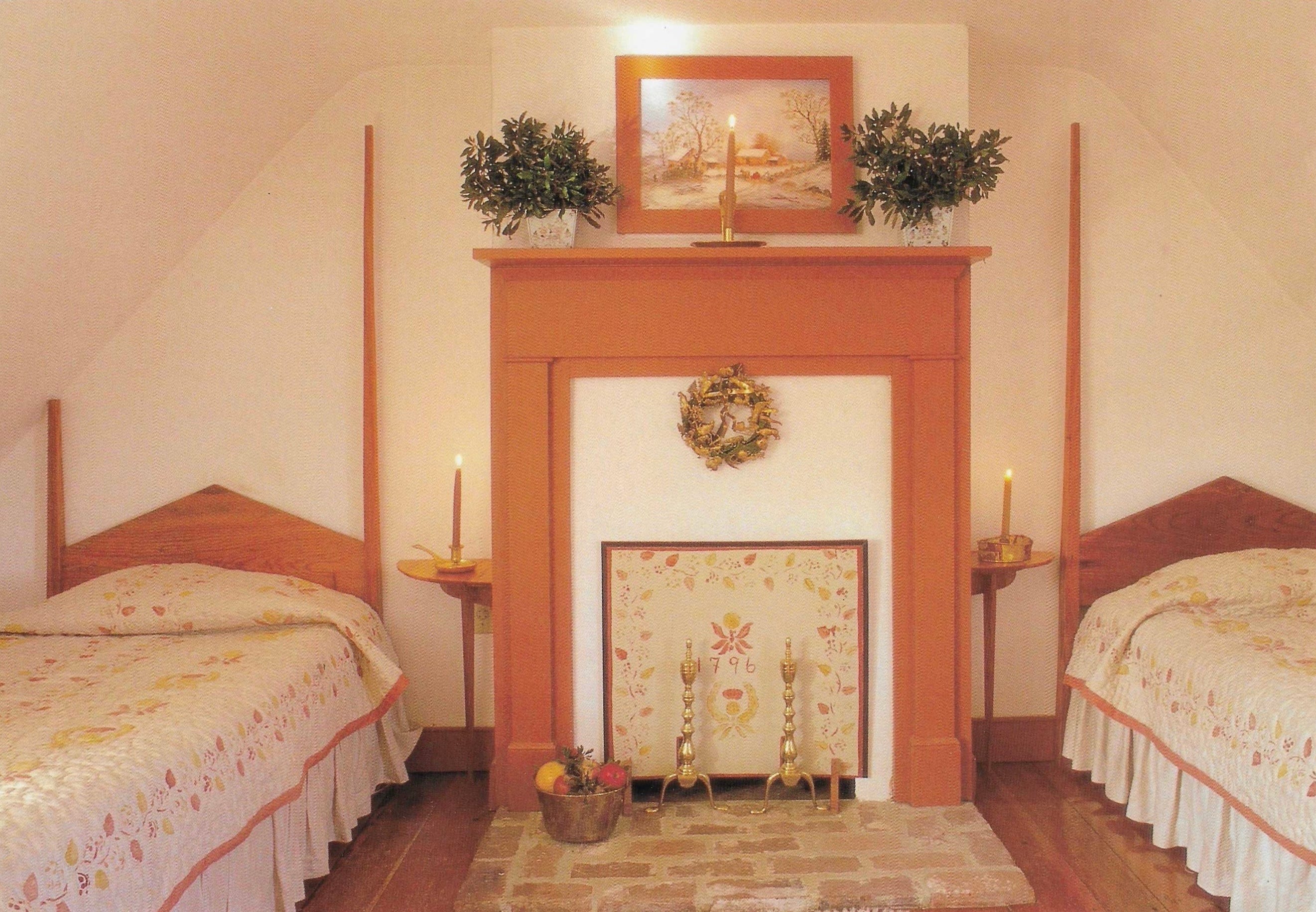
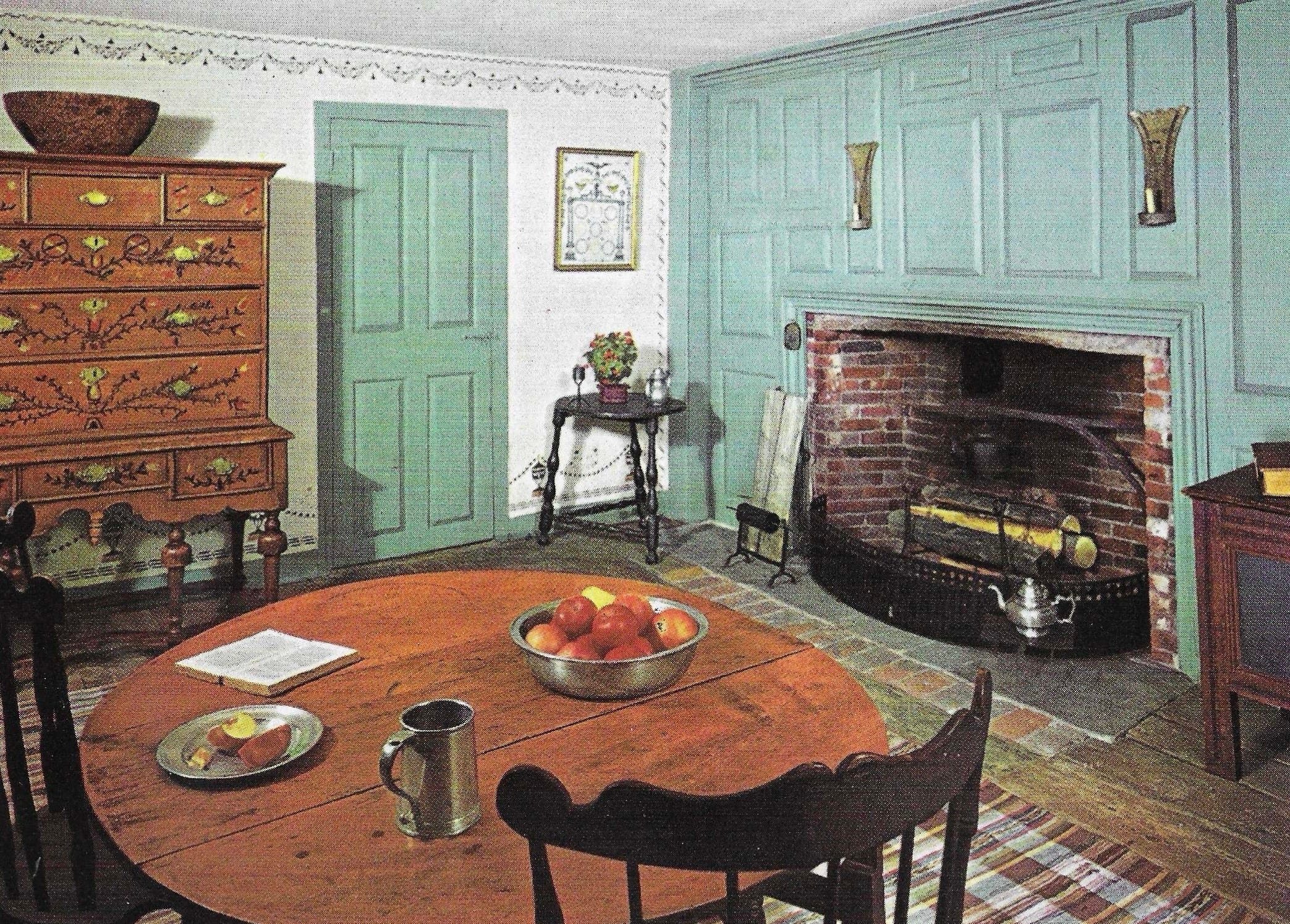
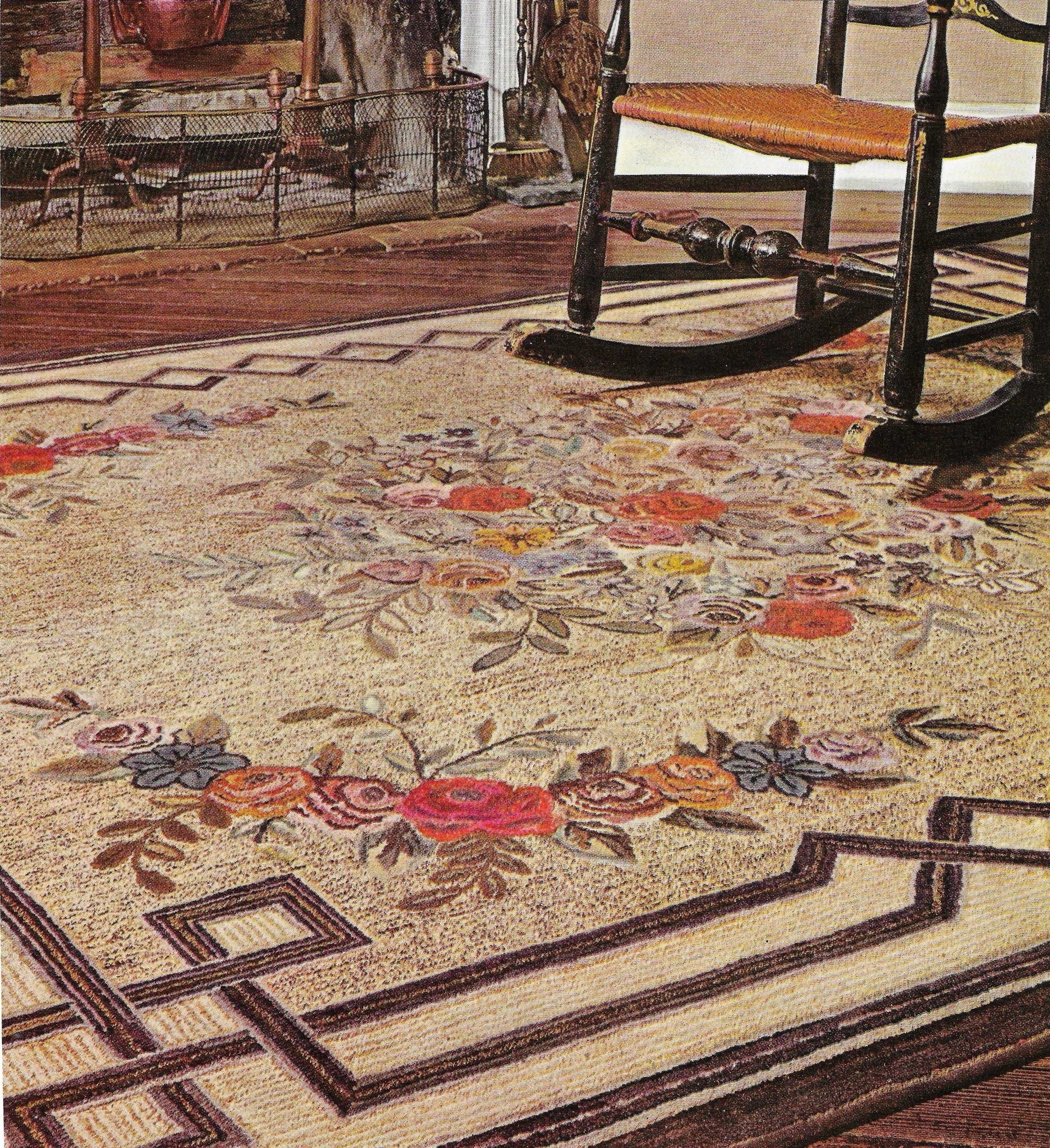
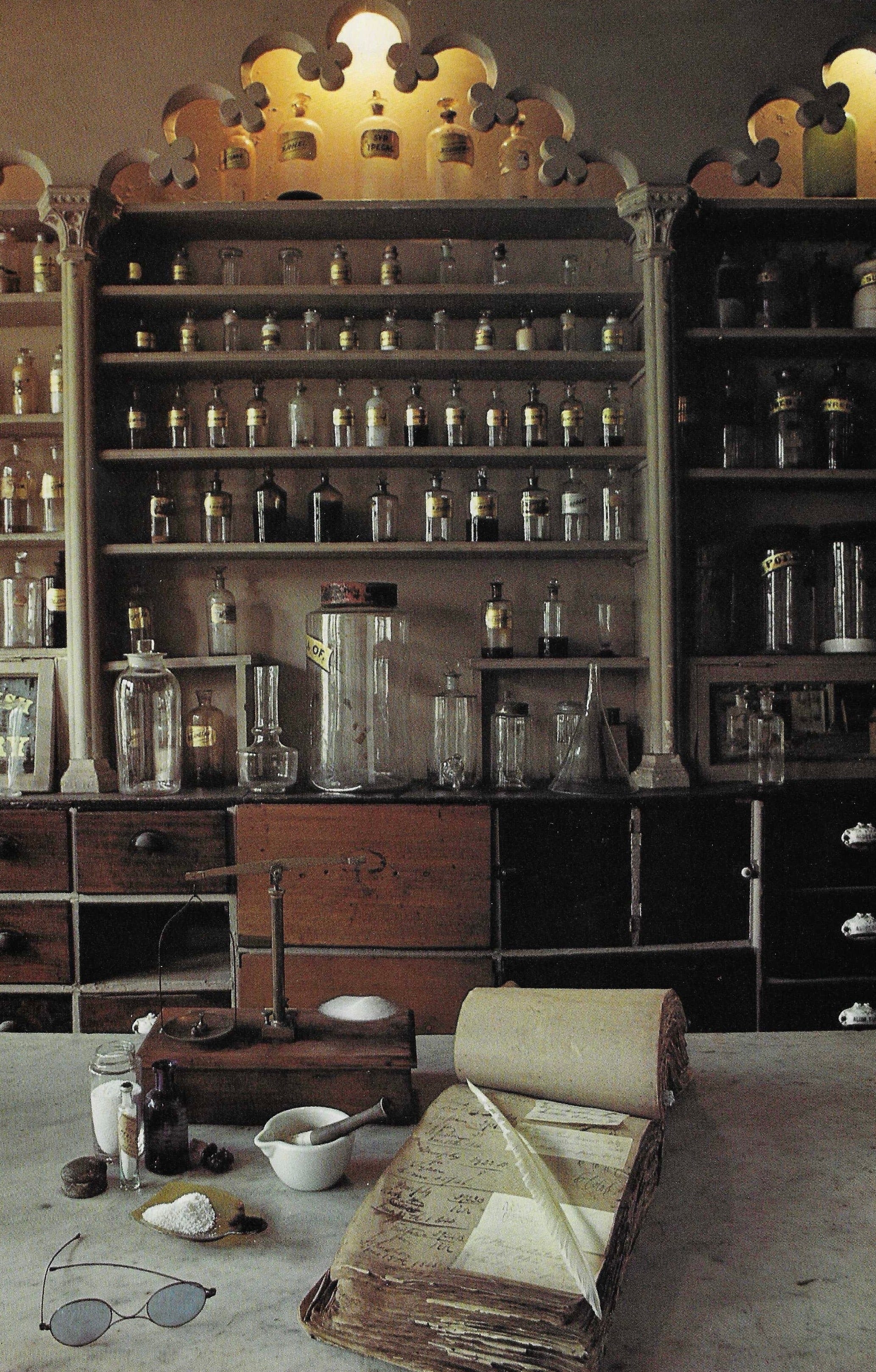
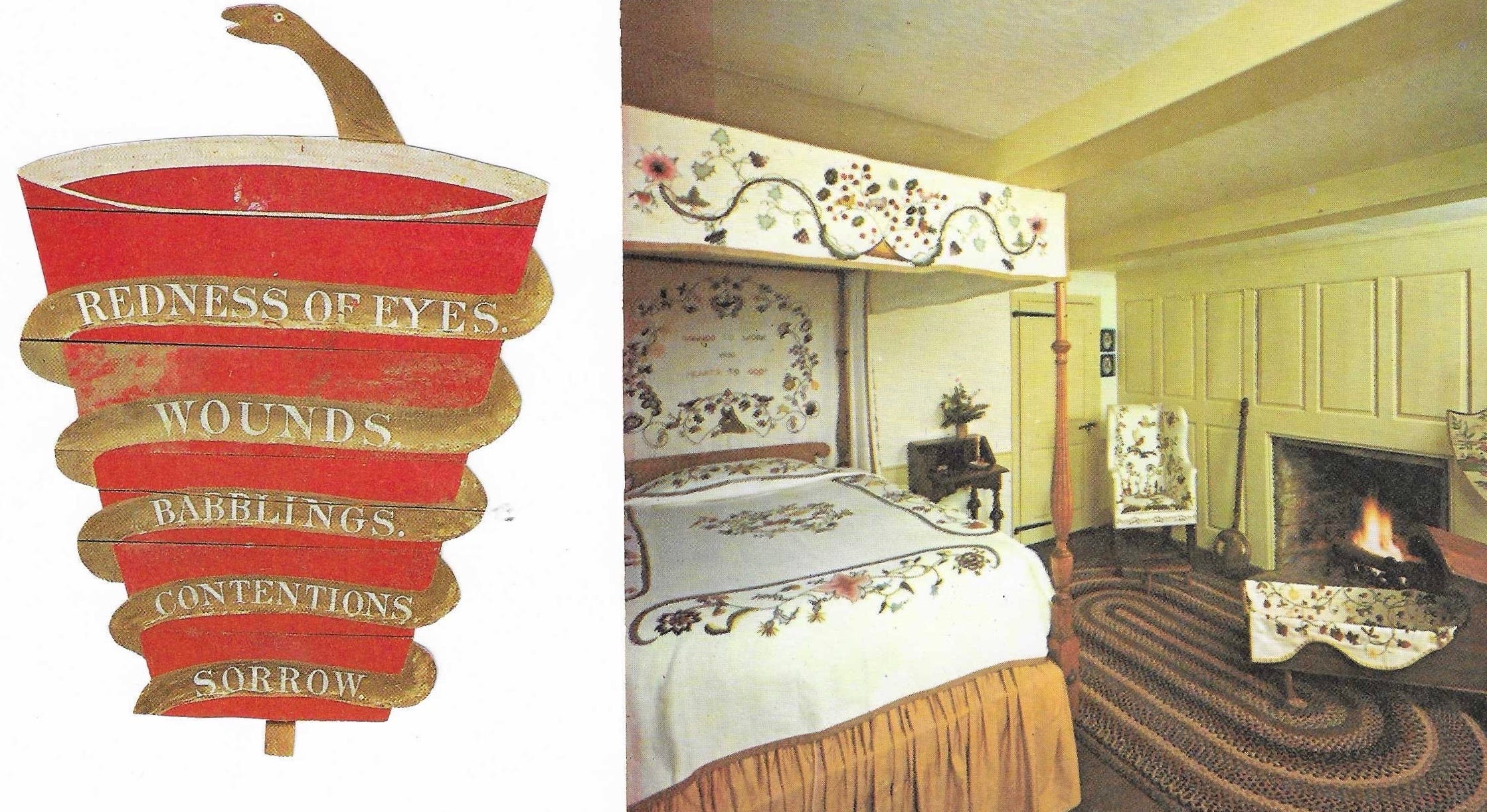
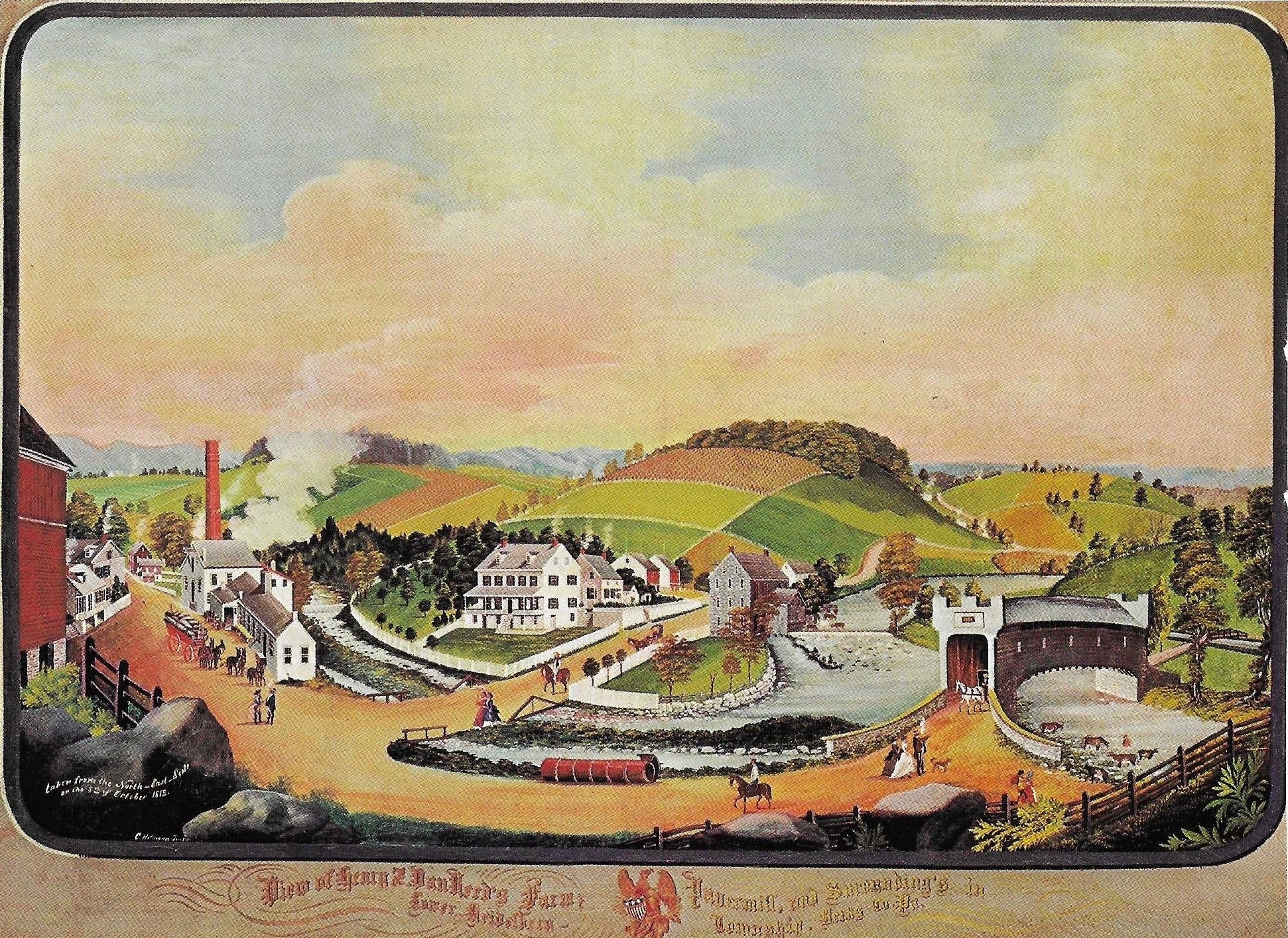
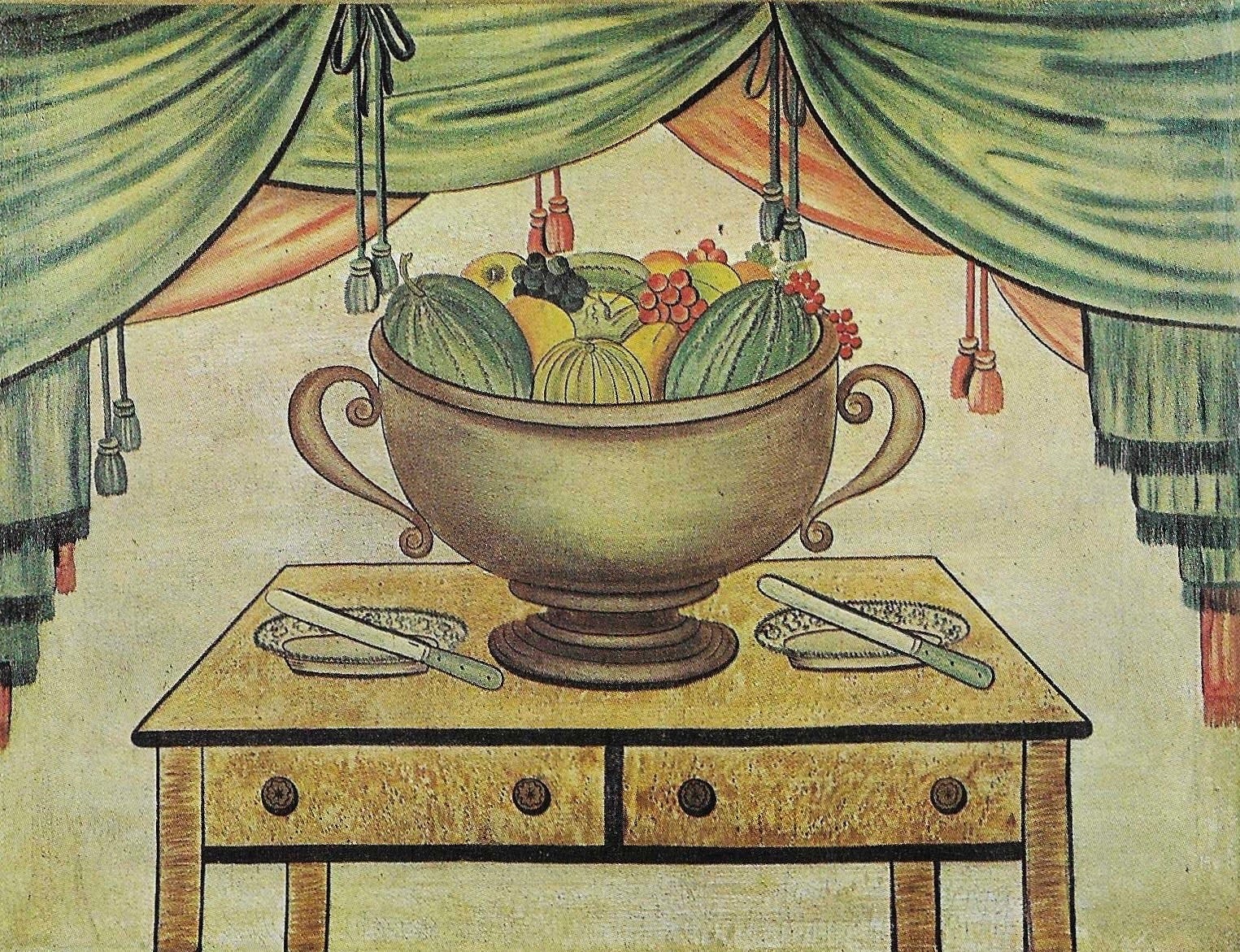
Some more colonial interiors not from travel, but from my paper collection:
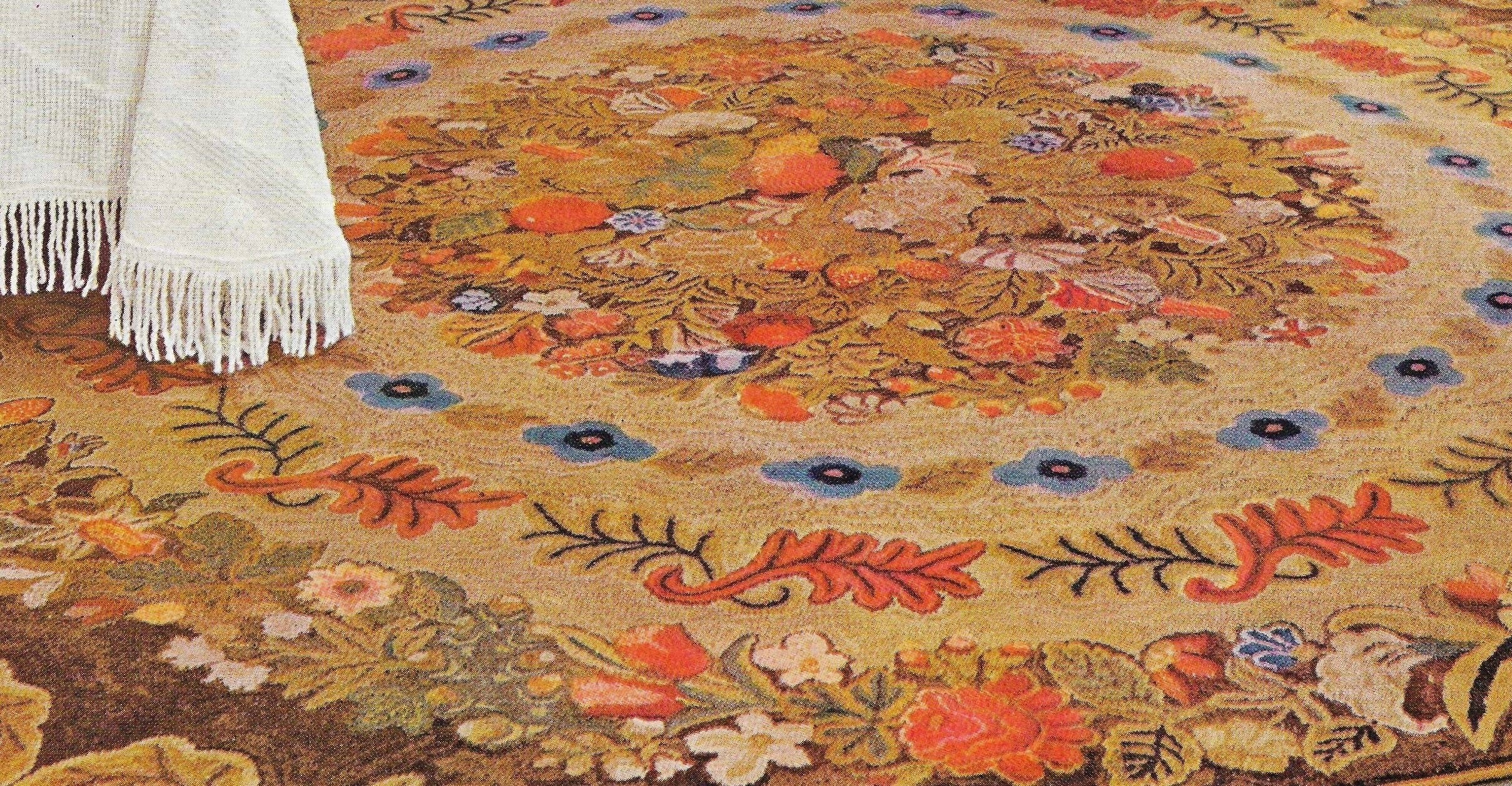
Revolution
The American Revolution marks the end of the colonial era, for obvious reasons.


The New Yorker recently had an article about the writing of the Declaration of Independence, with this line from Thomas Jefferson:
“All experience hath shewn that mankind are more disposed to suffer what evils are sufferable, than to right themselves by abolishing the forms to which they are accustomed.”
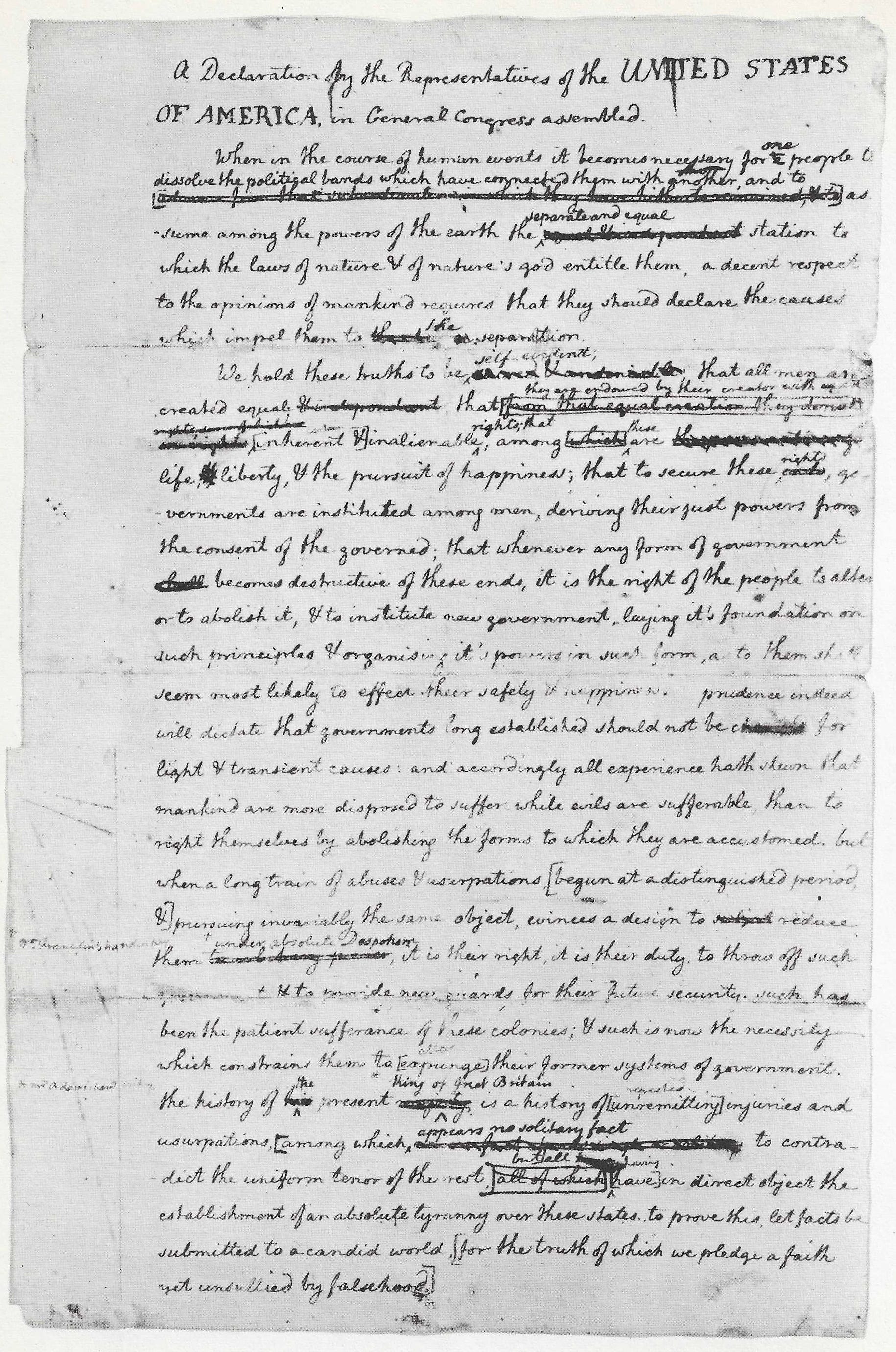
Don’t I know it. As much as I can admire upheaval from afar, I am not a revolutionary at heart. My temperament is always, for better and for worse, to make do with what is.
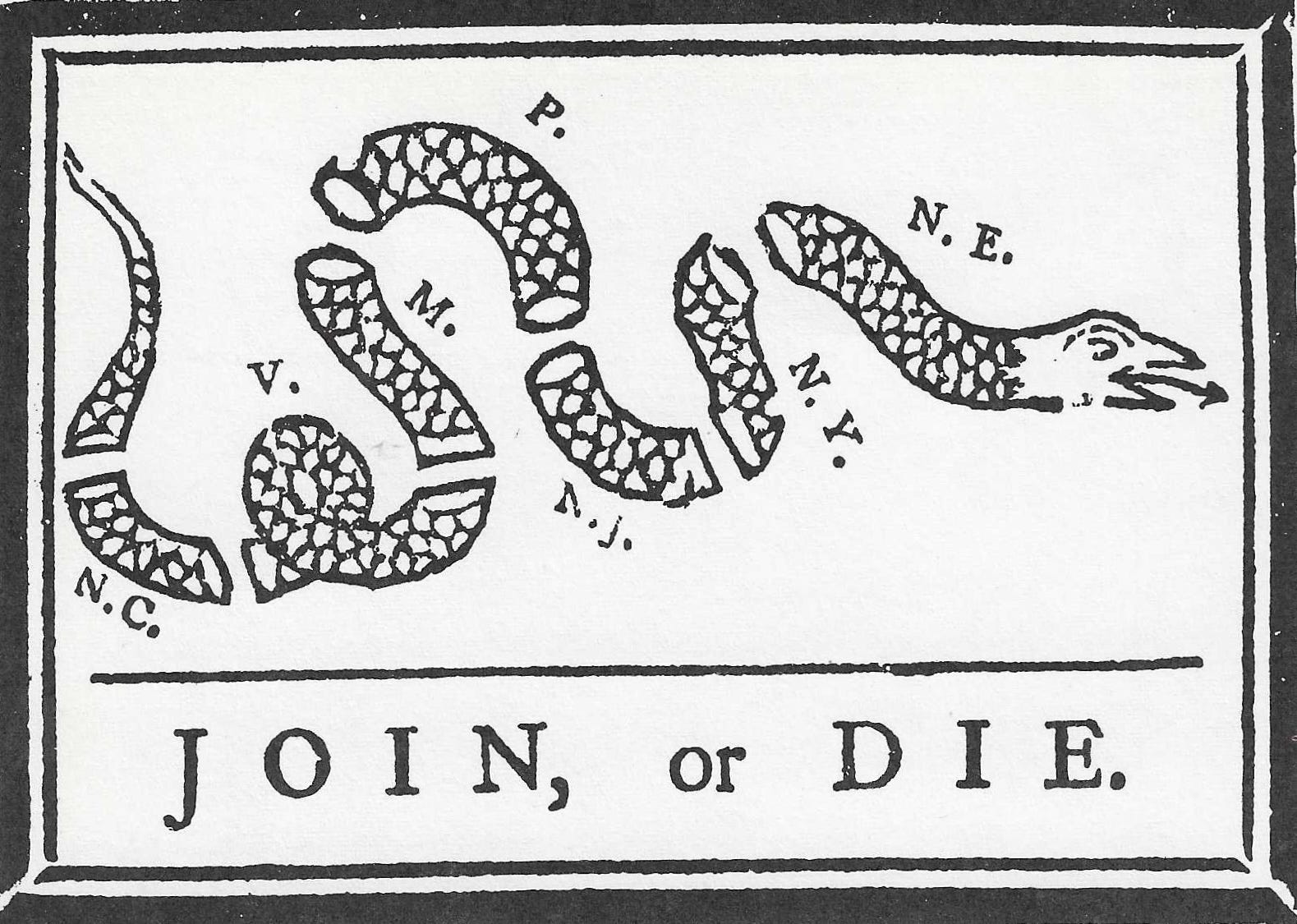
Kind of cool to know that somewhere along the way in my ancestry and probably yours, someone wasn’t that way, and decided to take a big risk on a move across a big ocean.
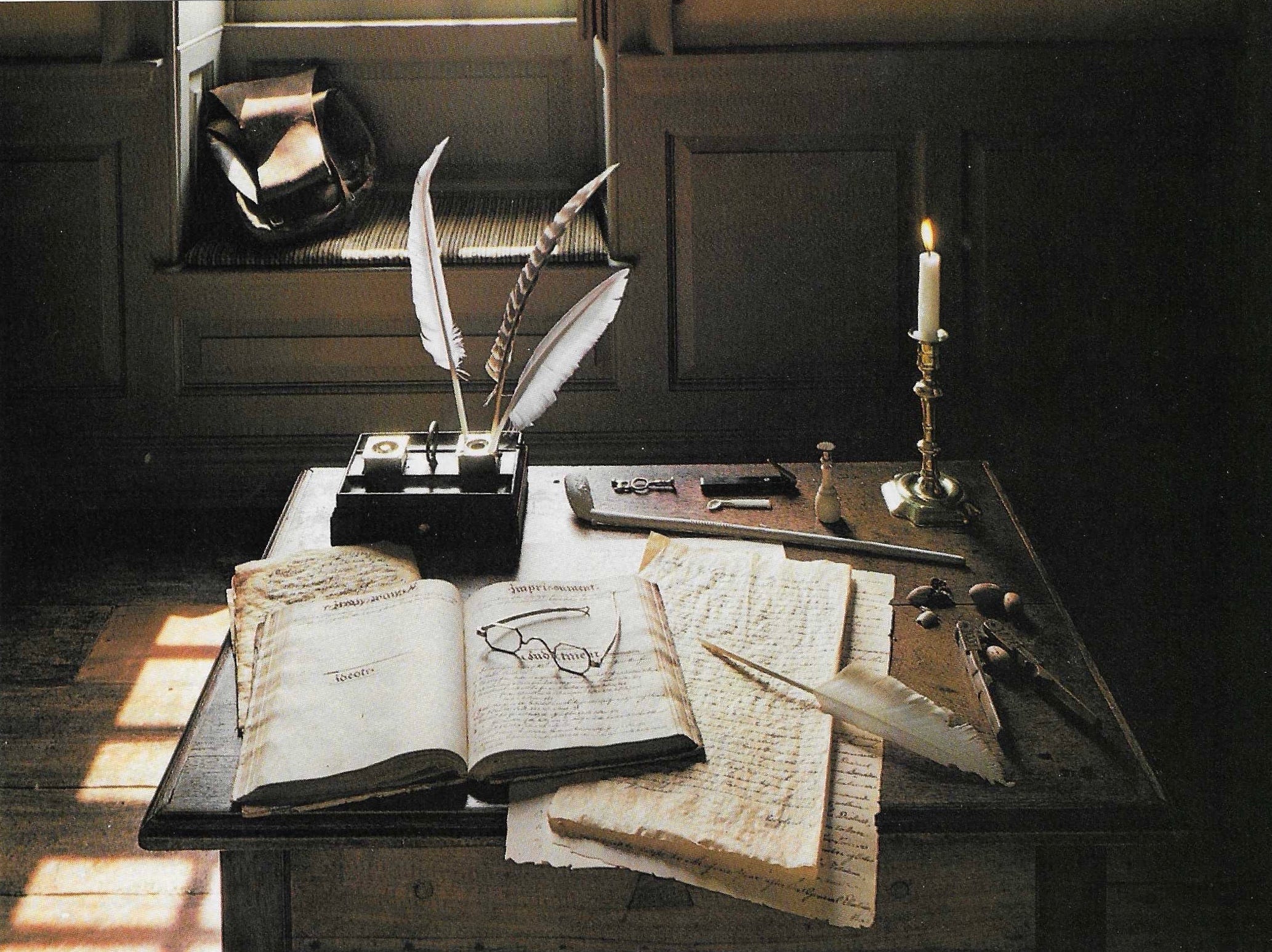
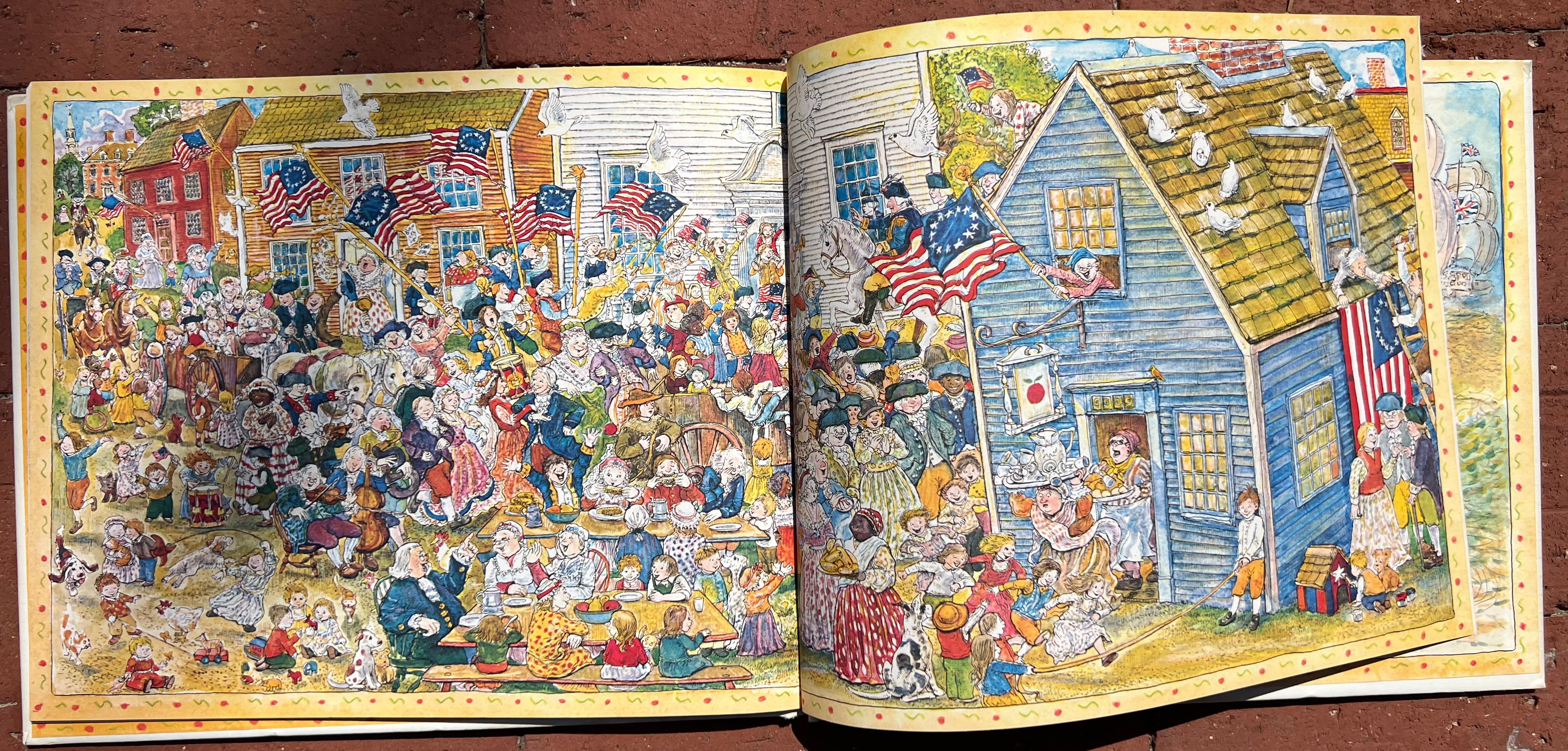
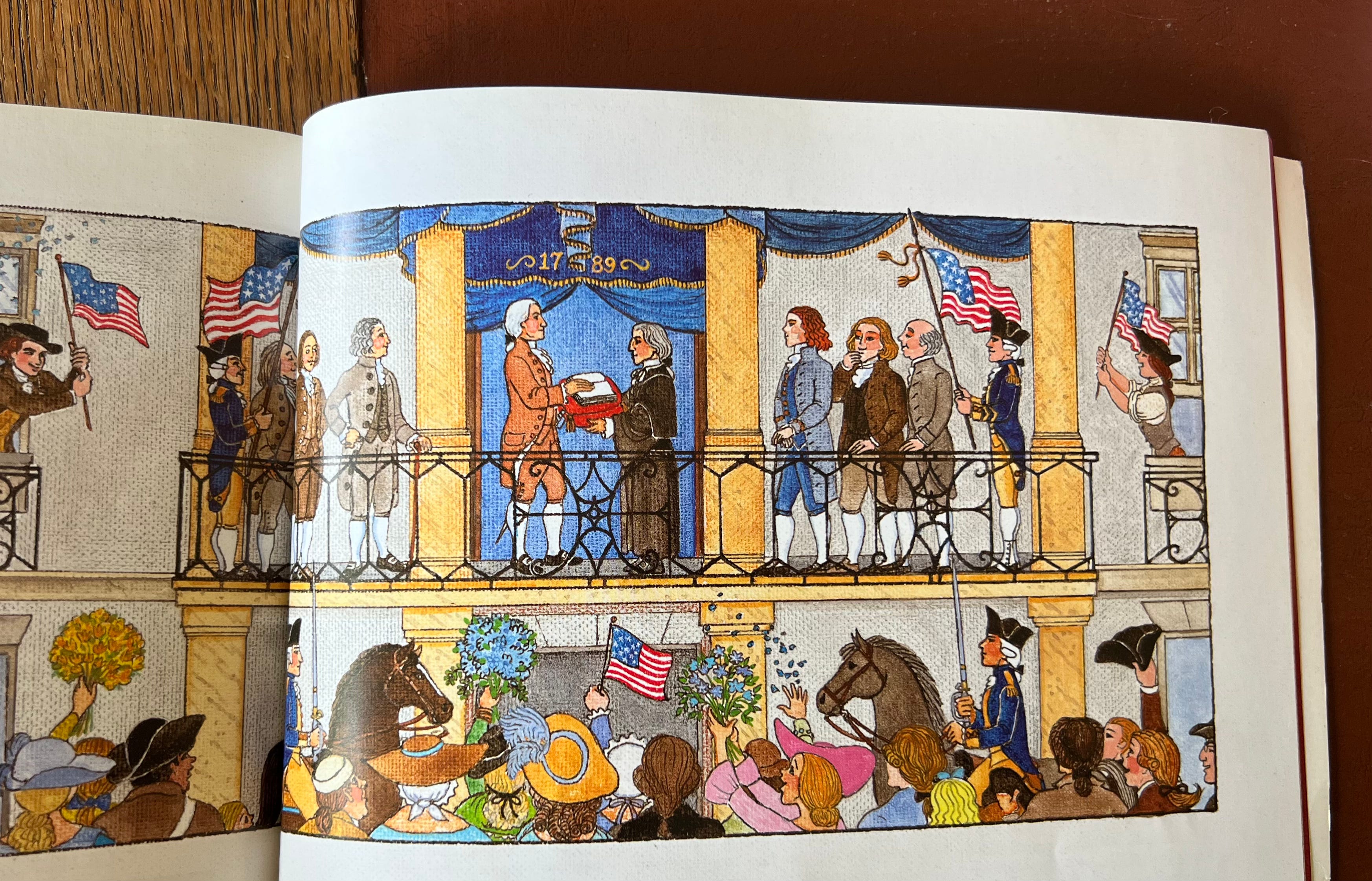
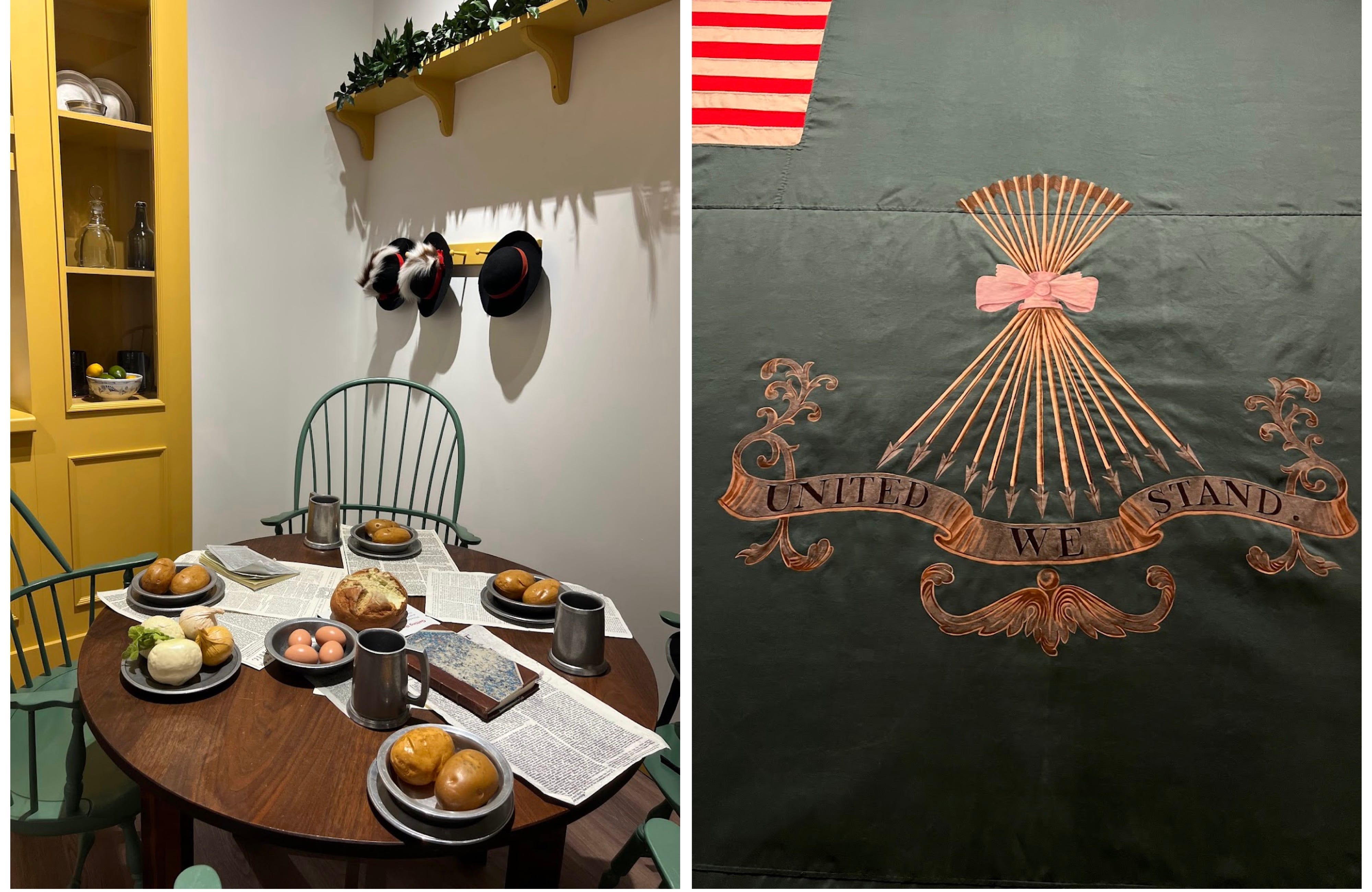


Like many of us I’m not feeling terribly patriotic these days (unless I’m watching the World Cup) but I do think it’s remarkable to be a citizen of such a young country, one whose entire story is well within the bounds of recorded history.
It’s there for the taking!
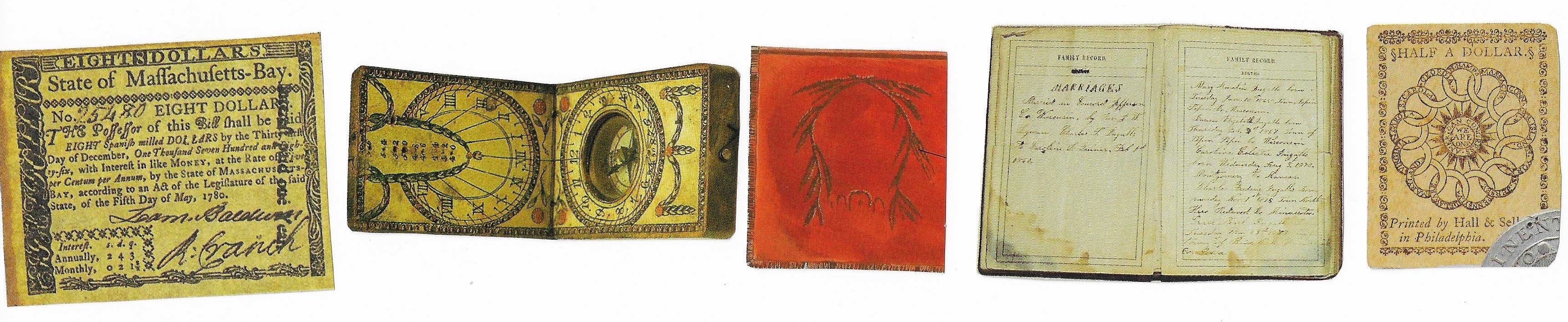
we need 2 chat about Colonial Williamsburg...
I learned so much from this mini history lesson!